

Does every serious sewer problem need excavation?
No. Some lines are strong trenchless candidates. Excavation becomes necessary when the line condition, access needs, or repair scope make direct exposure the better path.
Blog Article
When a sewer problem truly needs direct access and why excavation is sometimes still the clearest repair path.
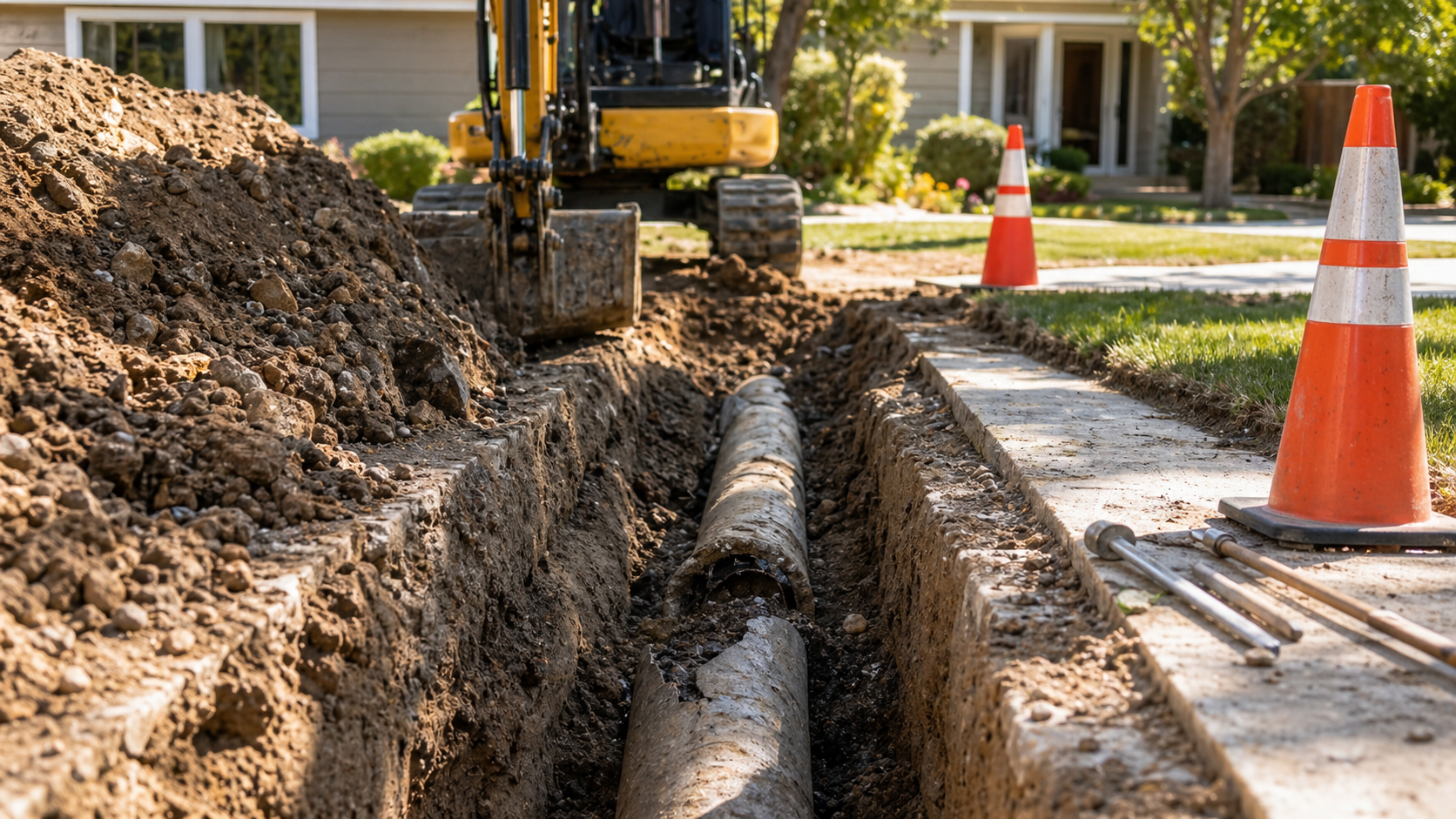
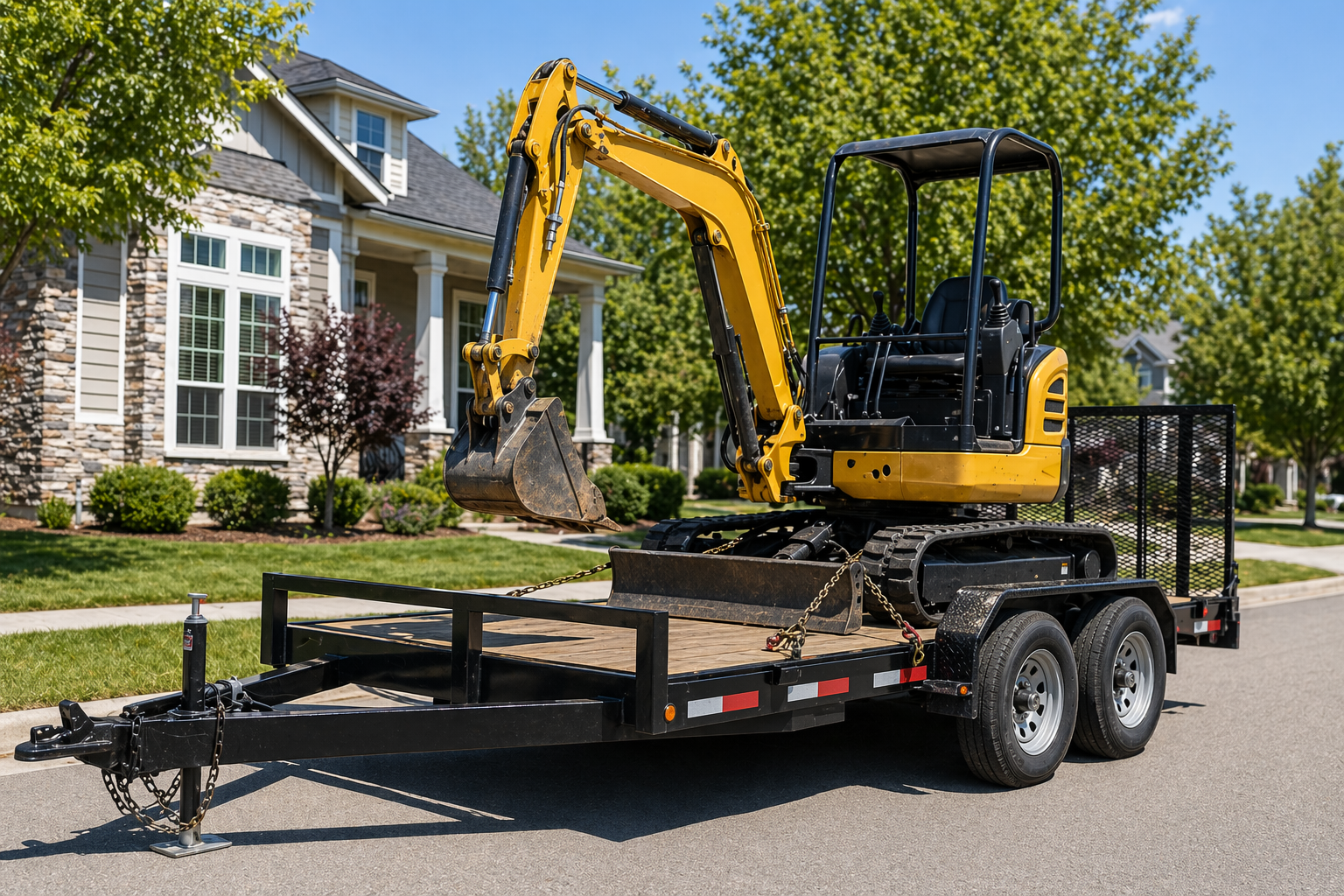
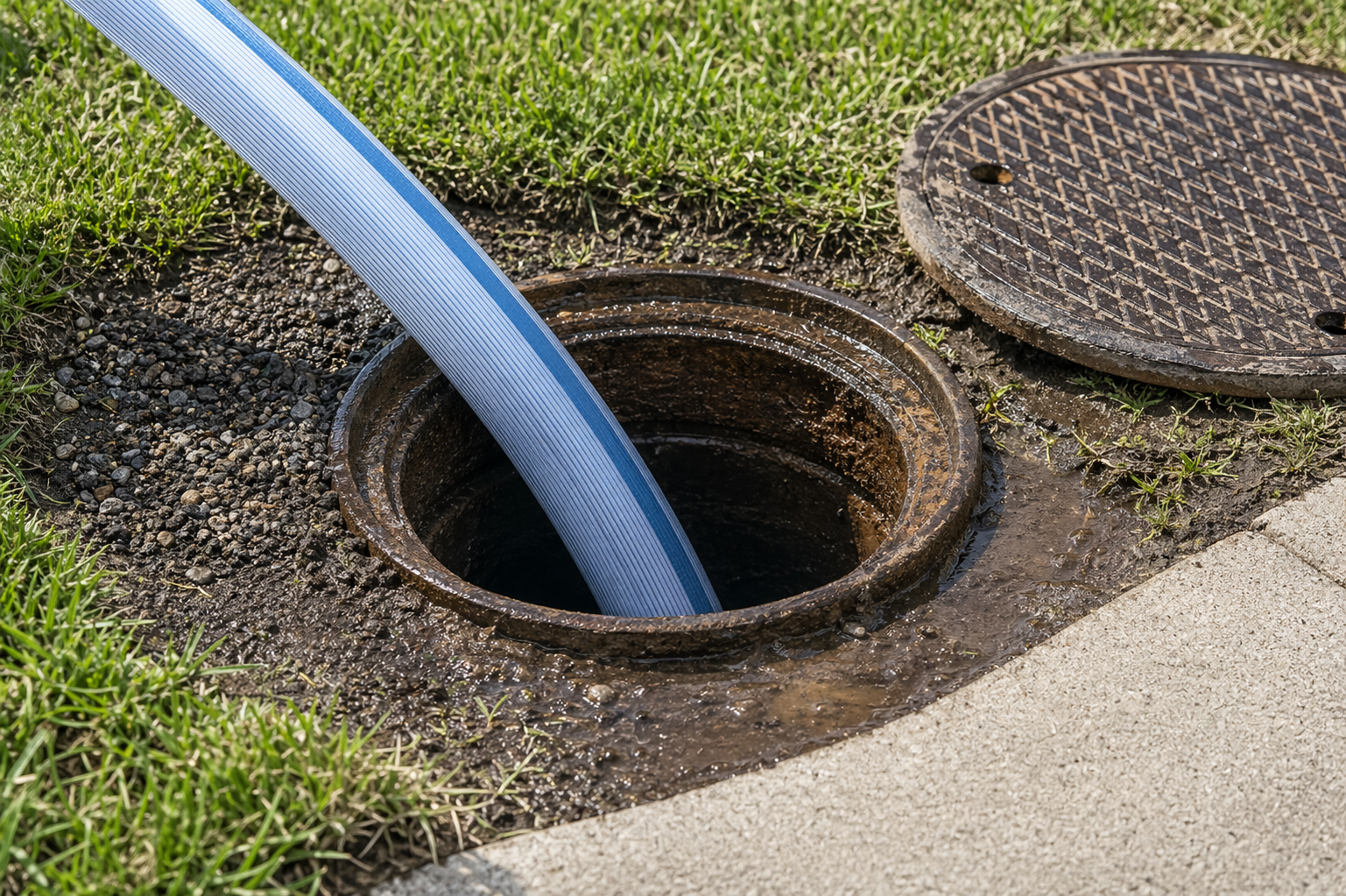
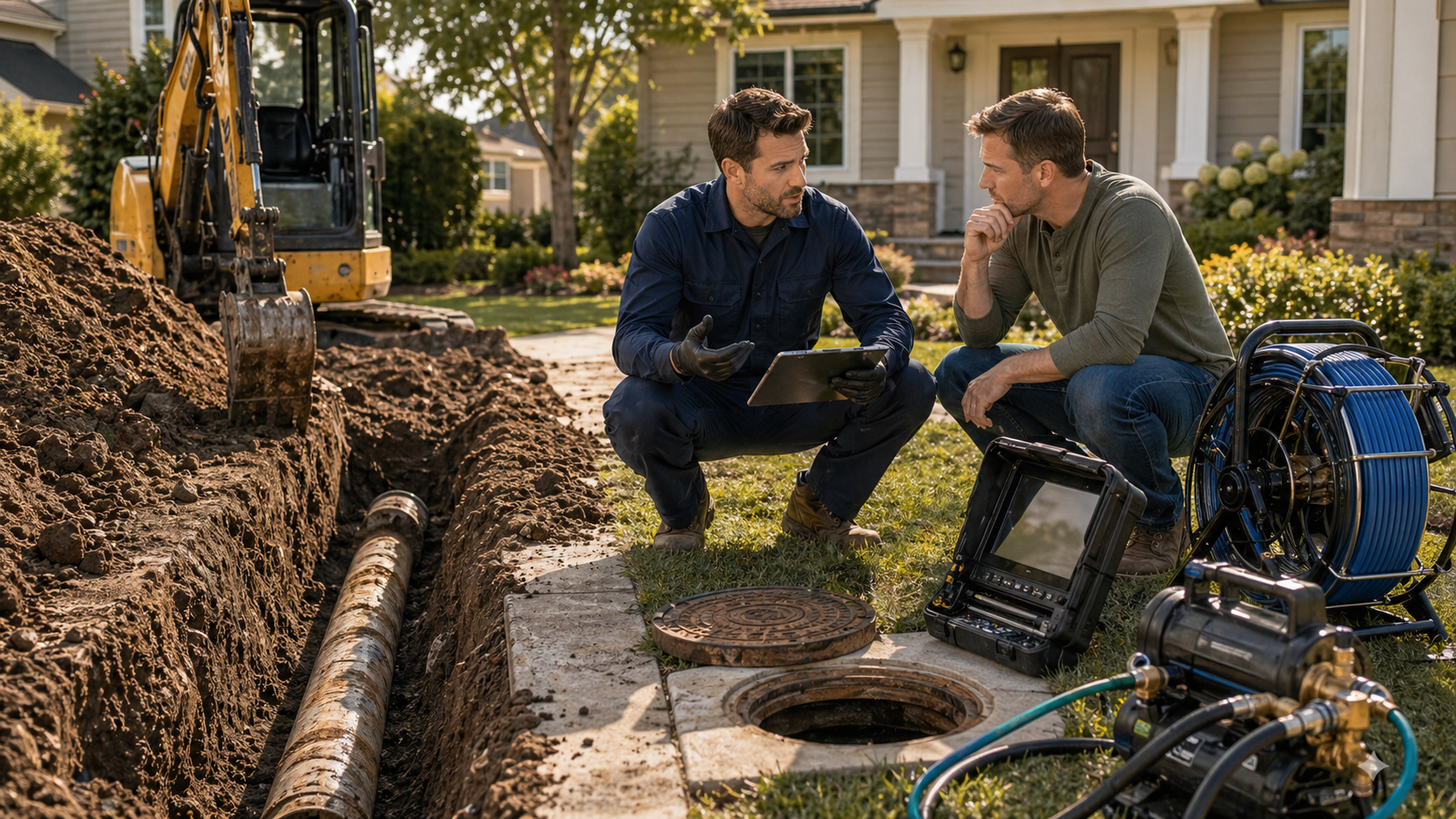
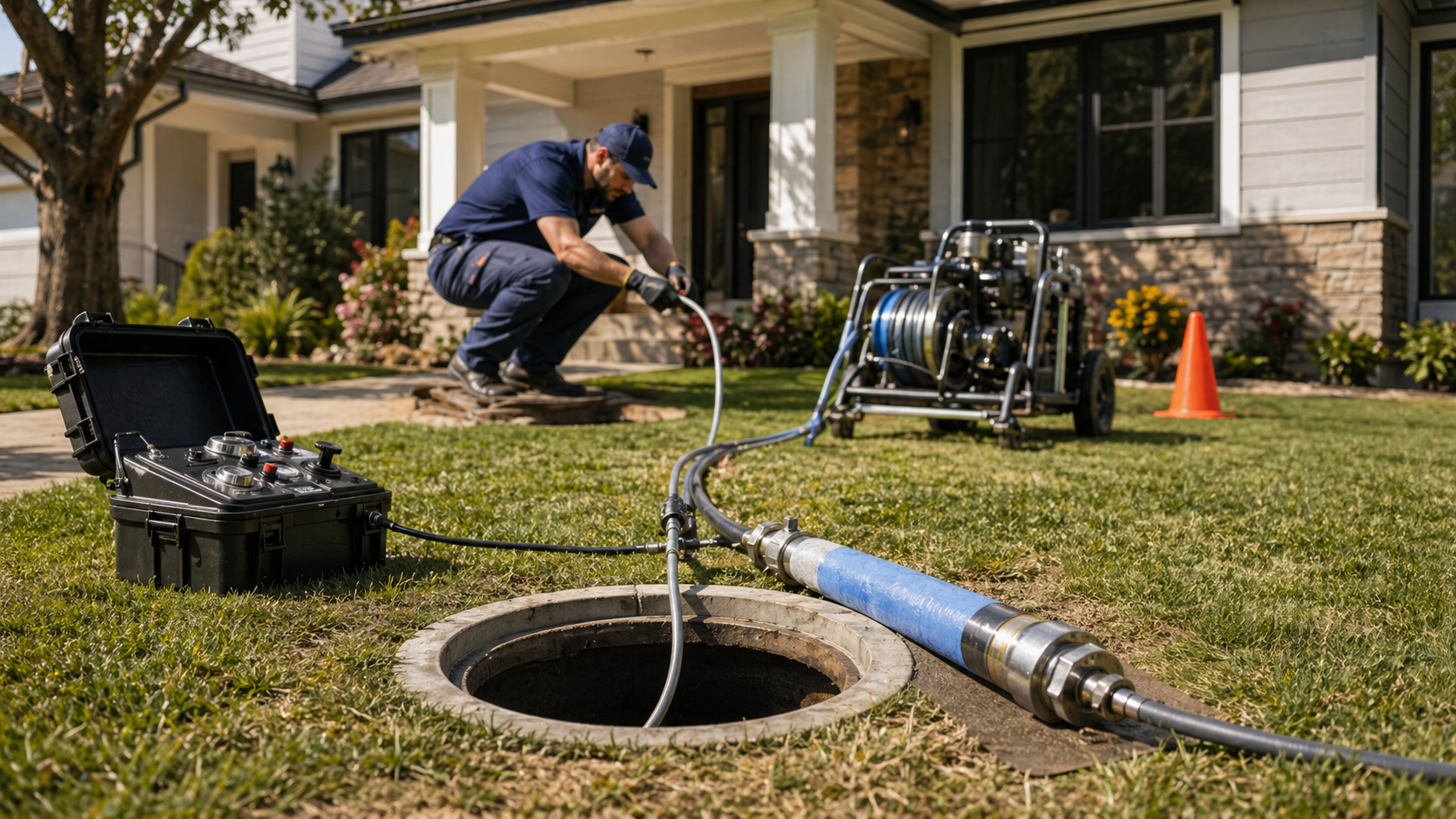
Sewer excavation is usually necessary when the line needs direct access that cannot be achieved responsibly through cleaning, camera work, or trenchless methods alone.
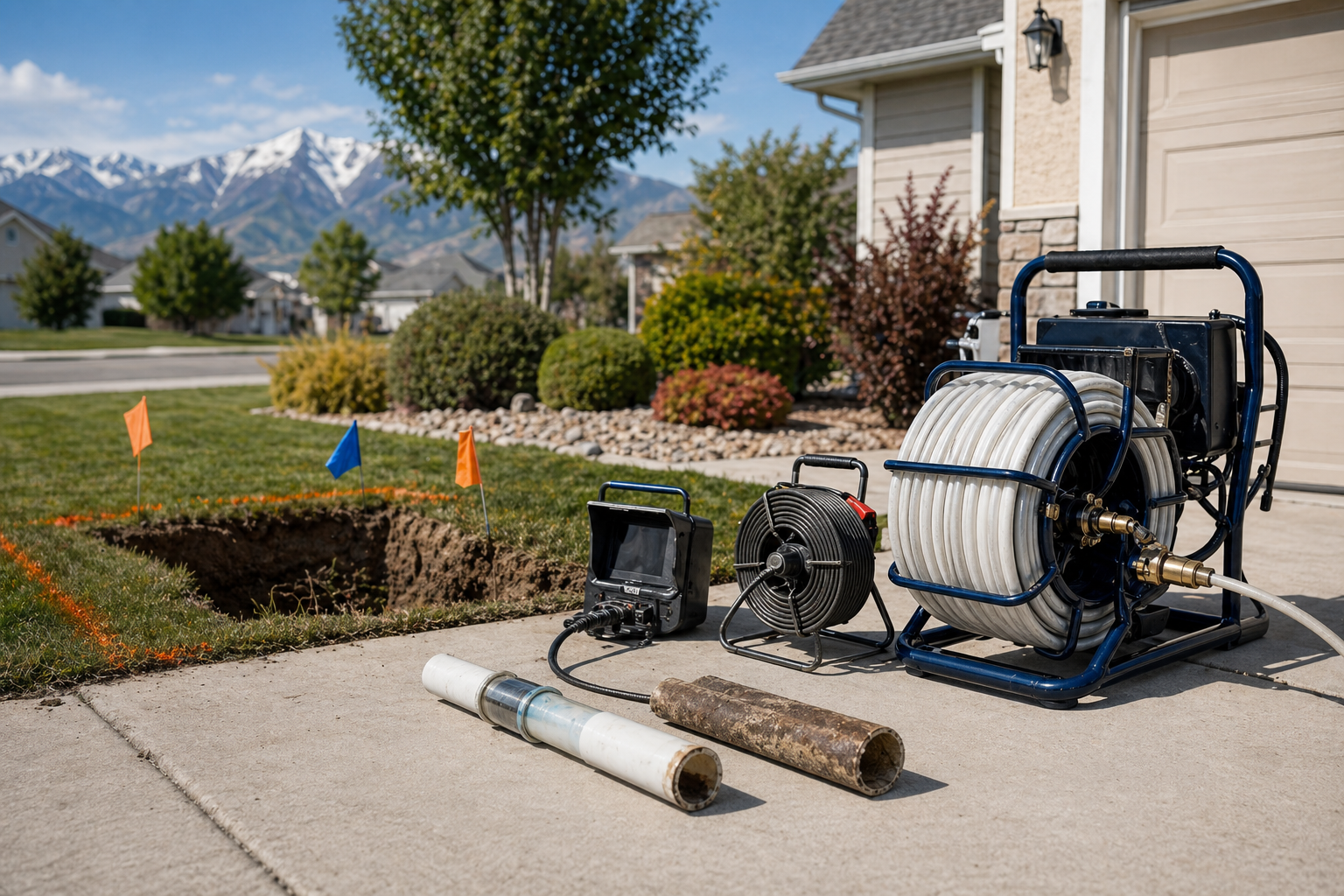
Homeowners often hope to avoid digging altogether, but excavation still makes sense in the right conditions because it provides direct exposure, repair access, and a clearer path when the damage is too severe or too awkward for a lighter option.
These are the situations where sewer excavation most often becomes necessary.
This part of the article is here to add context, not urgency. In most cases, the more clearly someone understands the pattern behind the question, the easier it is to interpret the rest of the information without overreacting to one symptom.
For sewer excavation questions especially, the biggest misunderstandings usually happen when one detail gets all the attention and the wider context gets missed. A fuller explanation makes the rest of the article easier to read and use.
If excavation is on the table, the goal is to confirm why it is needed and what it will accomplish.
The point here is not to rush a decision. It is to make the question easier to think about in a calmer, more practical way so the customer can tell what matters, what may not matter, and what kind of explanation actually fits the situation.
This is also where a useful article earns trust, because it helps people sort out the issue for themselves before any service conversation happens. Clear context usually leads to better questions and less confusion.
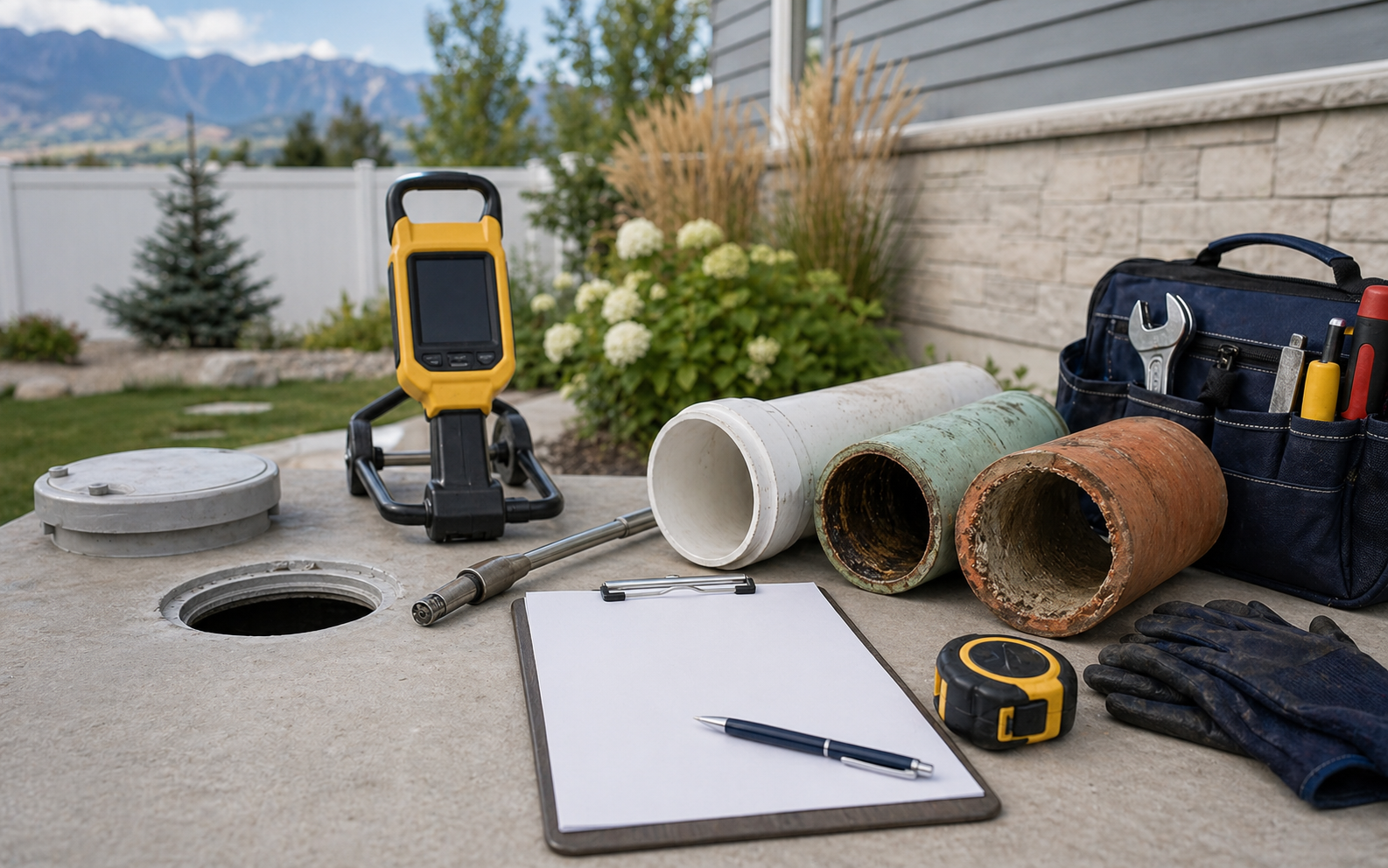
These preparation steps usually make excavation conversations more manageable.
Small details often change how a situation should be interpreted. The more clearly someone can describe what they are seeing, the easier it is to make sense of the question and separate the useful details from the distracting ones.
These notes are here to make the topic easier to read, compare, and talk about. In many cases, a little more clarity early on prevents a lot of confusion later.
We help determine when excavation is truly necessary and when another repair path still deserves consideration first.
By the time someone reaches this part of the article, they usually want to understand how the information above connects to the actual service work. The goal is to make that connection clear without turning the article into a sales script.
Tying the topic back to sewer excavation helps the article stay grounded in real service context. It shows how the explanation relates to the work itself, which makes the page feel more useful and more complete.
These are the timing questions people usually still have after reading the main article. They help clarify whether the issue belongs in the “watch it,” “plan it,” or “act on it now” category.
When the topic is when is sewer excavation necessary, the useful follow-up questions are usually about urgency, fit, and what details change the timing of the next step.
No. Some lines are strong trenchless candidates. Excavation becomes necessary when the line condition, access needs, or repair scope make direct exposure the better path.
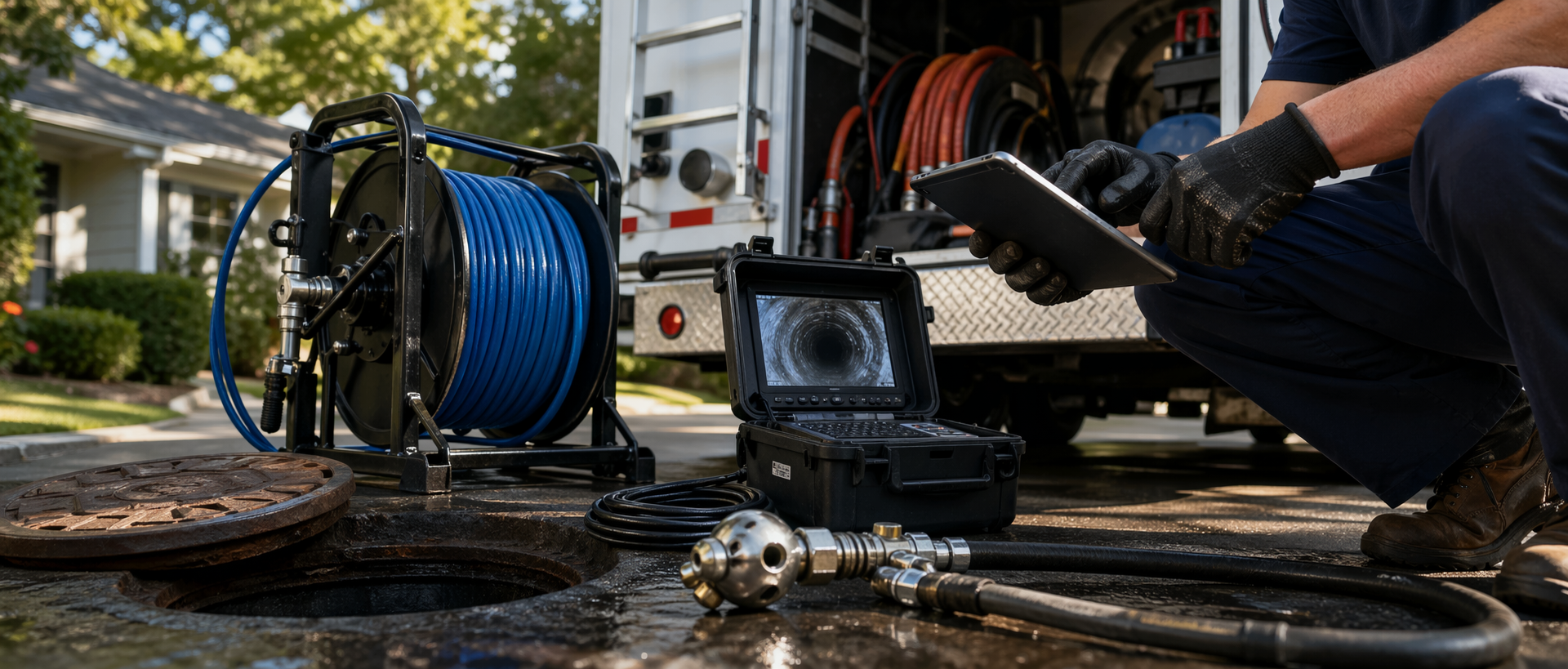
Yes. Inspection is often what helps prove whether a dig is truly needed or whether another option can still solve the problem responsibly.
It is usually more disruptive than trenchless work, but sometimes it is still the most direct and reliable path to the needed repair.
These are the quick answers most people want before they call, book, or decide on the next step.
When a sewer problem truly needs direct access and why excavation is sometimes still the clearest repair path. It connects the topic back to sewer excavation when readers are trying to decide on the right next move.
Sewer excavation is usually necessary when the line needs direct access that cannot be achieved responsibly through cleaning, camera work, or trenchless methods alone. It is most useful for readers trying to understand the issue before they book, compare services, or decide whether the symptoms point to a bigger sewer or drain problem.
If the issue sounds familiar, the usual next step is to review the sewer excavation page or compare it with trenchless sewer repair before deciding whether to request a quote, book service, or call for faster guidance.
Mountain West Hydro Jetting serves Northern Utah and the Salt Lake corridor. You can reach us at 801-317-8104 or [email protected].