Negs
Very professional and arrived fast. Would recommend to everyone. If I could give them 10 stars I would!
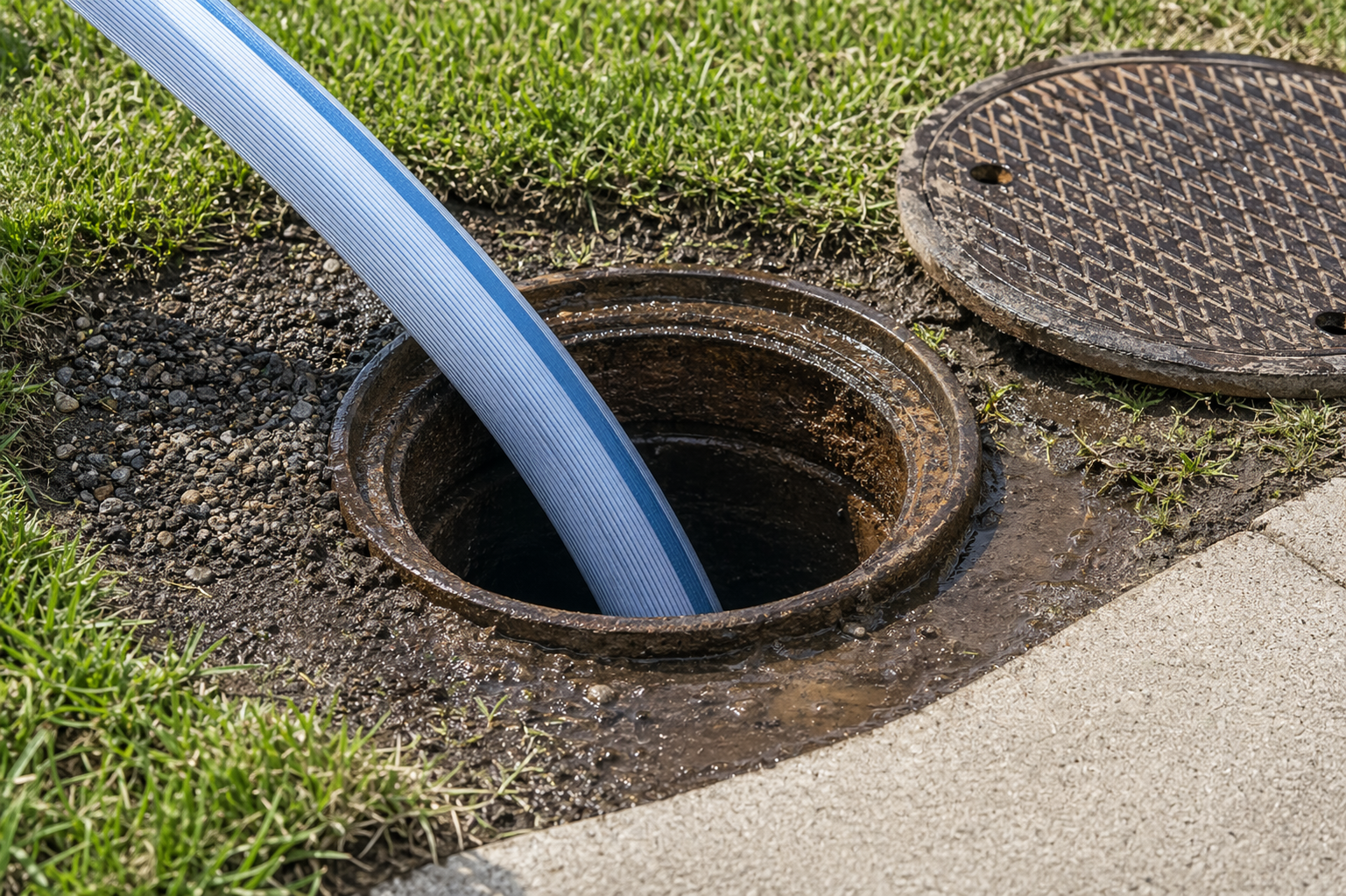
Trenchless sewer repair for property owners with damaged sewer lines who want to know whether the pipe qualifies for a lower-disruption fix before defaulting to excavation.
What property owners are noticing
Use trenchless sewer repair when the sewer line is damaged but the pipe condition, alignment, and access may support a lower-disruption method instead of full excavation. Common clues include sewer failures beneath landscaping, driveways, or flatwork where surface disruption is a real concern.
When this service fits
This service fits when preserving the yard, driveway, or hardscape matters just as much as fixing the pipe - and the line condition may support pipe lining, pipe bursting, CIPP, or another no-dig method.
Use this service family when you want to know whether trenchless is a real option before committing to open-cut work.
What tends to improve
A clearer trenchless-versus-excavation decision and a more direct path toward lower-disruption sewer restoration when the line qualifies. Owners get an honest method comparison instead of a sales pitch for one approach.
Problem
Every property owner with a damaged sewer line under their yard or driveway wants to know the same thing: can this be fixed without tearing everything up? Sometimes the answer is yes. Sometimes it's not. Trenchless sewer repair is the service category that answers that question honestly - based on camera findings, pipe condition, and access - before anyone commits to a method.
This page covers the broader trenchless sewer repair service family. The narrower services below go deeper into specific methods - pipe lining, pipe bursting, CIPP, and no-dig repair - by qualification criteria and project fit.
Solution
Trenchless sewer repair is the starting point for sewer projects where lower disruption matters - but only when the line actually qualifies. Not every damaged pipe is a fit for lining or bursting, and selling a trenchless method that doesn't match the pipe condition creates bigger problems later.
This category fits when the comparison is no longer just fix versus no fix, but which rehabilitation path protects more of the surface above the line while still solving the structural problem underneath.
Fit and situation bullets
Reviews
See what homeowners and businesses say after trenchless sewer repair — from the camera evaluation that confirmed the method to the honest explanation of why trenchless was or wasn't the right fit for the line.
Read more reviews on GoogleThese guys are great! I run a plumbing company but don’t do drains. I often sub contract them to service my customers sewer lines. They don’t only make me happy, but they keep my customers happy and that’s what matters to me most. Thanks guys!
Amazing experience! They are knowledgeable, kind, courteous and very thorough. Our clogged kitchen pipe was a bit of a challenge but they kept going and did everything they could to get it unclogged and they did it! They were very upfront with what caused the clog, gave us video recording of our pipes so we can see exactly what was done, double checked to make sure the pipes were clean and free of clogs and gave us steps on how to maintain the pipes moving forward. Highly recommend!!
This company is Awesome!!! Highly recommend that you call them for your drain cleaning and power washing needs! A++ in service, cost, and quality of work. Alex and Jacob completed drain work, patio cleaning, and filled in cracks in cement. The patio looks brand new! Thank you Alex and Jacob!!!
Alex was very good to work with. They were professional and punctual, working around my schedule. They were able to show me exactly before and after, even showing footage inside my pipes, which I have never seen before. I would recommend them.
Awesome experience! AJ was super professional and got us back in service. They offered us a few solutions and cleared our clogged sewer line for an excellent price
Very professional and arrived fast. Would recommend to everyone. If I could give them 10 stars I would!
Very pleased by my wonderful experience with this company and their service. They were very efficient and fast with their time. I appreciate their professionalism and commitment to the work they did for me!
Why Mountain West
Camera-confirmed method fit
Camera rated to 200 feet with live footage review. Trenchless qualification starts with camera findings - pipe condition, alignment, access, and defect type all have to support the method before it gets recommended.
Honest trenchless evaluation
Not every line qualifies for lining or bursting. Mountain West tells you when it does, when it doesn't, and what the better alternative is - before you commit.
Jetting and camera on every call
Hydro jetting equipment and camera deploy together. If the line needs clearing before the camera can evaluate trenchless fit, it happens in the same visit.
20+ years combined field experience
Not a new crew learning on your property.
Licensed and insured
Licensed for sewer, drain, and drainage system work , including excavation, trenching, backfill, concrete, and asphalt work necessary for drainage systems. Licensed for the trenchless path and the conventional path - so the recommendation is based on fit, not on which method the company can actually do.
This category starts by proving whether the line actually qualifies for a lower-disruption method - not by assuming trenchless is the answer.
The owner walks away with a clear method recommendation based on camera evidence, an honest assessment of whether trenchless fits, and a defined path forward - whether that's lining, bursting, conventional repair, or a combination.
If the line doesn't qualify for trenchless, or if the scope is bigger than one method can handle, these are the next routes.
Evidence
Not every sewer line qualifies for lining, bursting, or another no-dig method once the actual pipe condition and access points are fully reviewed.
Sources: U.S. Environmental Protection Agency EPA, U.S. Environmental Protection Agency EPA, U.S. Environmental Protection Agency EPA
If the host pipe, alignment, or access setup is a poor trenchless fit, the job can move toward conventional replacement or excavation instead.
Sources: U.S. Environmental Protection Agency EPA, U.S. Environmental Protection Agency EPA
Surface preservation matters, but it cannot override whether the line actually supports the trenchless method being considered.
Sources: U.S. Environmental Protection Agency EPA, U.S. Environmental Protection Agency EPA
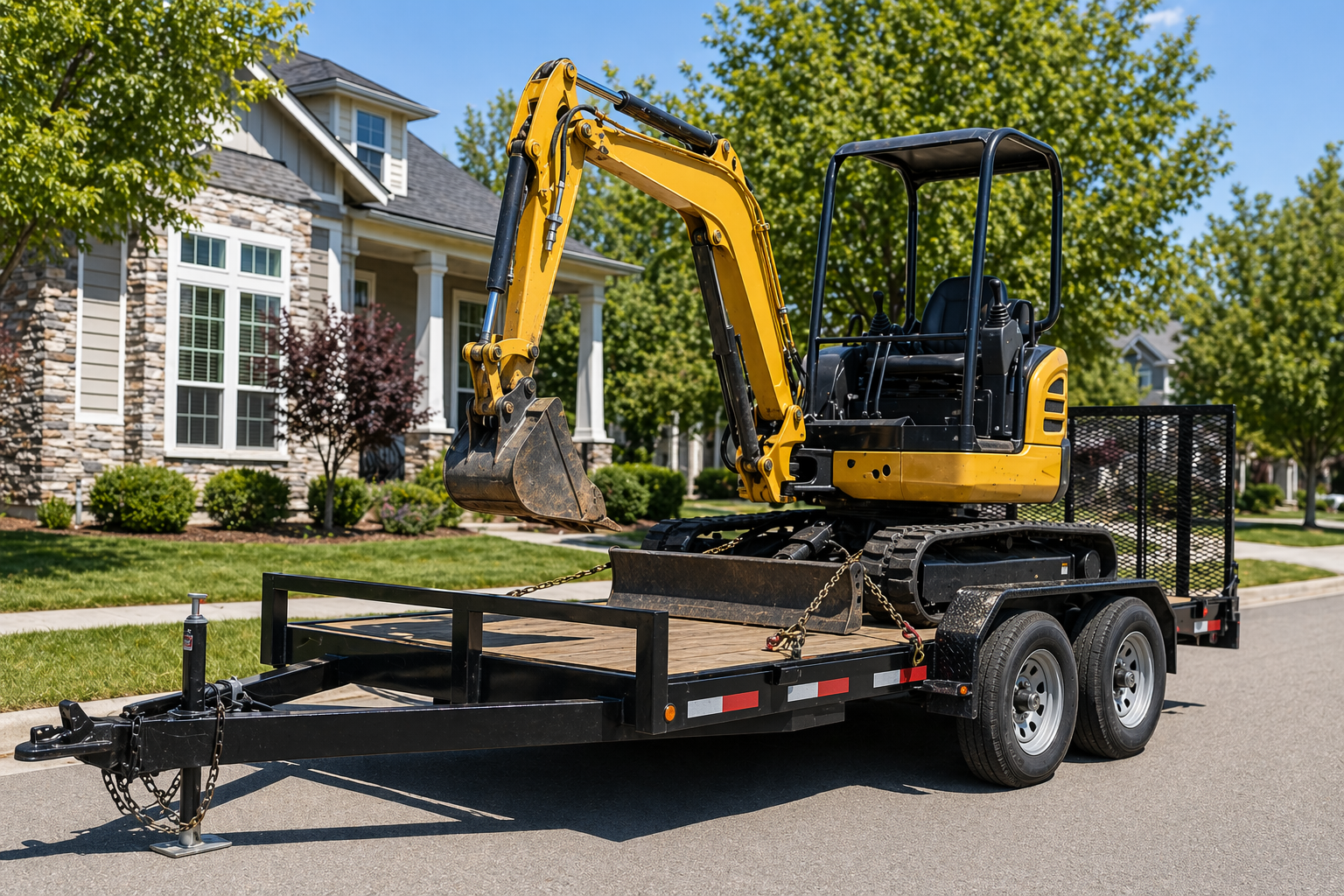 Next Service RouteSewer ExcavationSewer excavation for trench access, dig-up work, and repair or replacement scopes that cannot be completed without controlled digging.
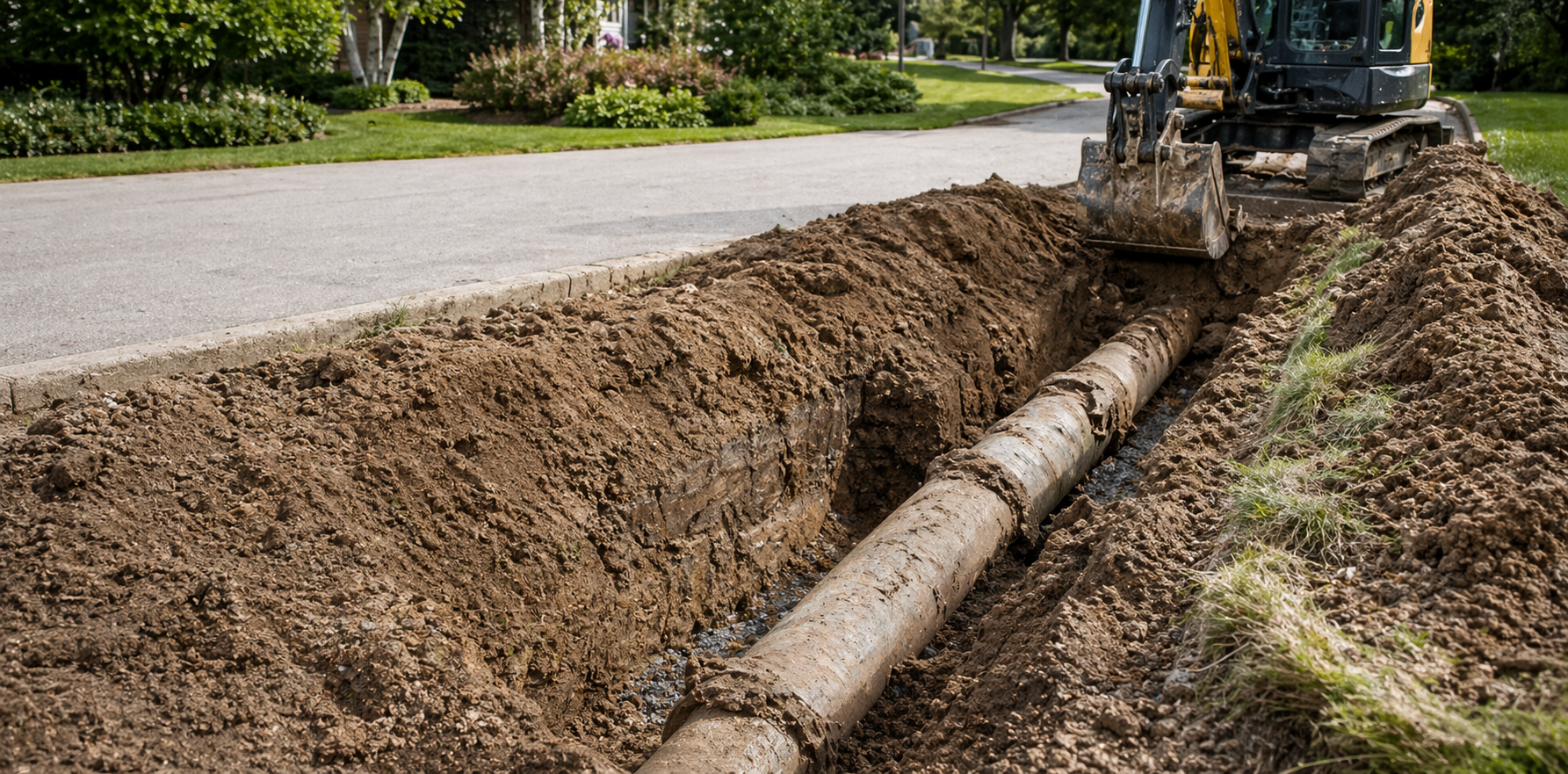 Next Service RouteSewer Line Repair And ReplacementRepair and replacement for damaged sewer lines, failing main lines, broken pipe sections, and structural defects beyond what cleaning can fix.
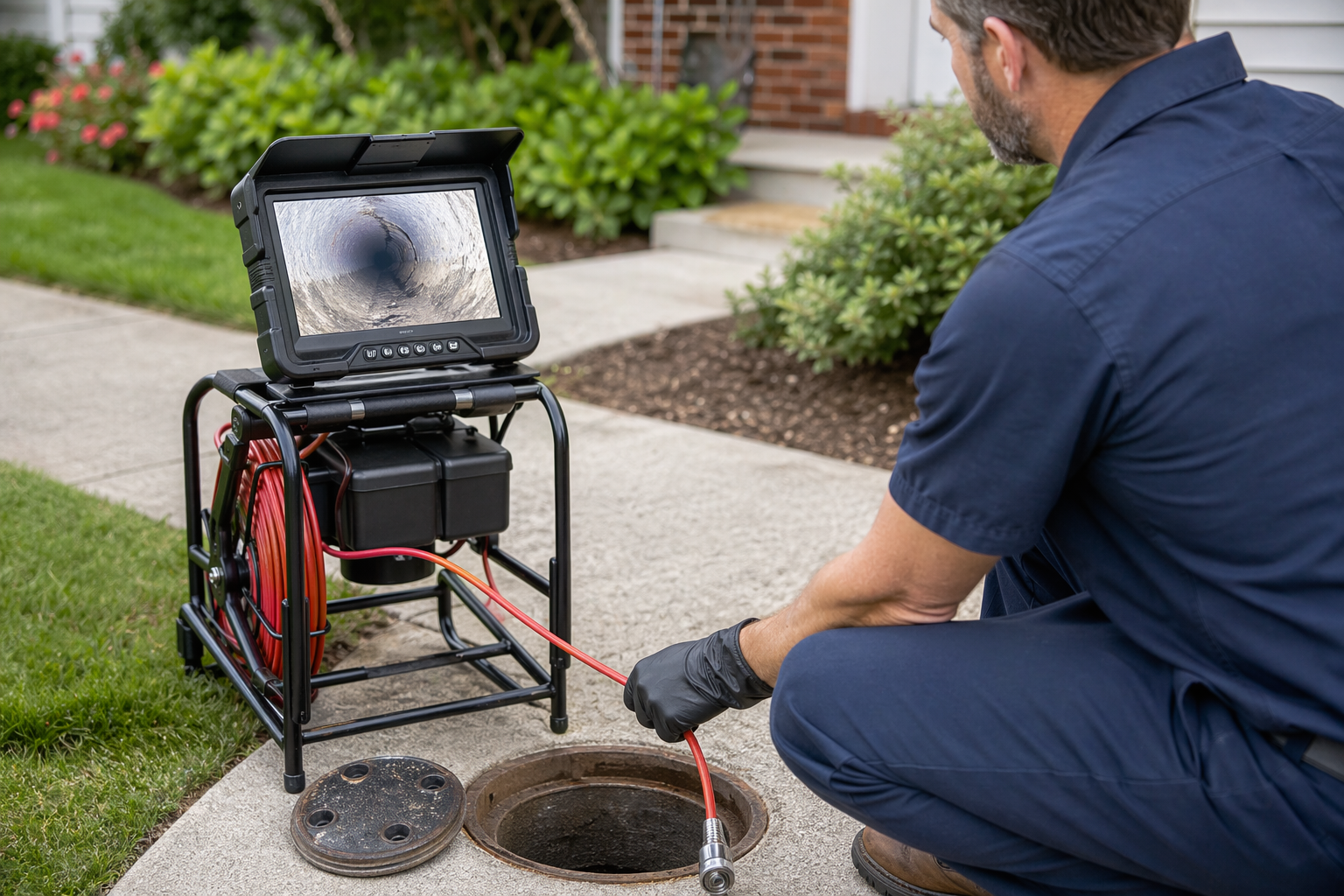 Next Service RouteSewer Camera InspectionSewer camera inspection for mainline diagnostics and defect confirmation when the trenchless qualification still needs visual verification.
Scope and timing
Cost
Support
Learn More
These following pages are job specific for deeper understanding rather than the broad trenchless sewer repair overview. You can compare the exact line, method, access path, or failure pattern that fits your situation more closely.
Trenchless sewer replacement for lines where repair is no longer enough but a lower-disruption replacement path may still be feasible.
These are the quick answers most people want before they call, book, or decide on the next step.
Trenchless sewer repair solves structural sewer problems - cracks, offsets, root damage, and failing pipe - without requiring full open-cut excavation. It uses methods like pipe lining, pipe bursting, and CIPP to rehabilitate or replace the line from the inside or through minimal access points, preserving the surface above the pipe.
Property owners with damaged sewer lines beneath landscaping, driveways, patios, or other surfaces they want to preserve get the most value - as long as the pipe condition qualifies. Owners who have been quoted excavation and want to confirm whether a lower-disruption option exists are the other common group.
Camera inspection confirms the defect type, pipe condition, and alignment. If the line qualifies, the chosen trenchless method - pipe lining, pipe bursting, or CIPP - is applied through minimal access points without full excavation. After the rehabilitation, the result is verified and the owner gets a clear explanation of what was done and what maintenance to expect.
Know whether you have camera footage or a prior defect report, what surface sits above the line, and whether you've already received an excavation estimate. Not every line qualifies for trenchless methods - camera findings, pipe condition, and alignment all have to support the method before it gets recommended.
Related Reading
These follow-up reads stay close to this service and answer the pricing, warning-sign, process, and comparison questions that usually come next.
Cost Question
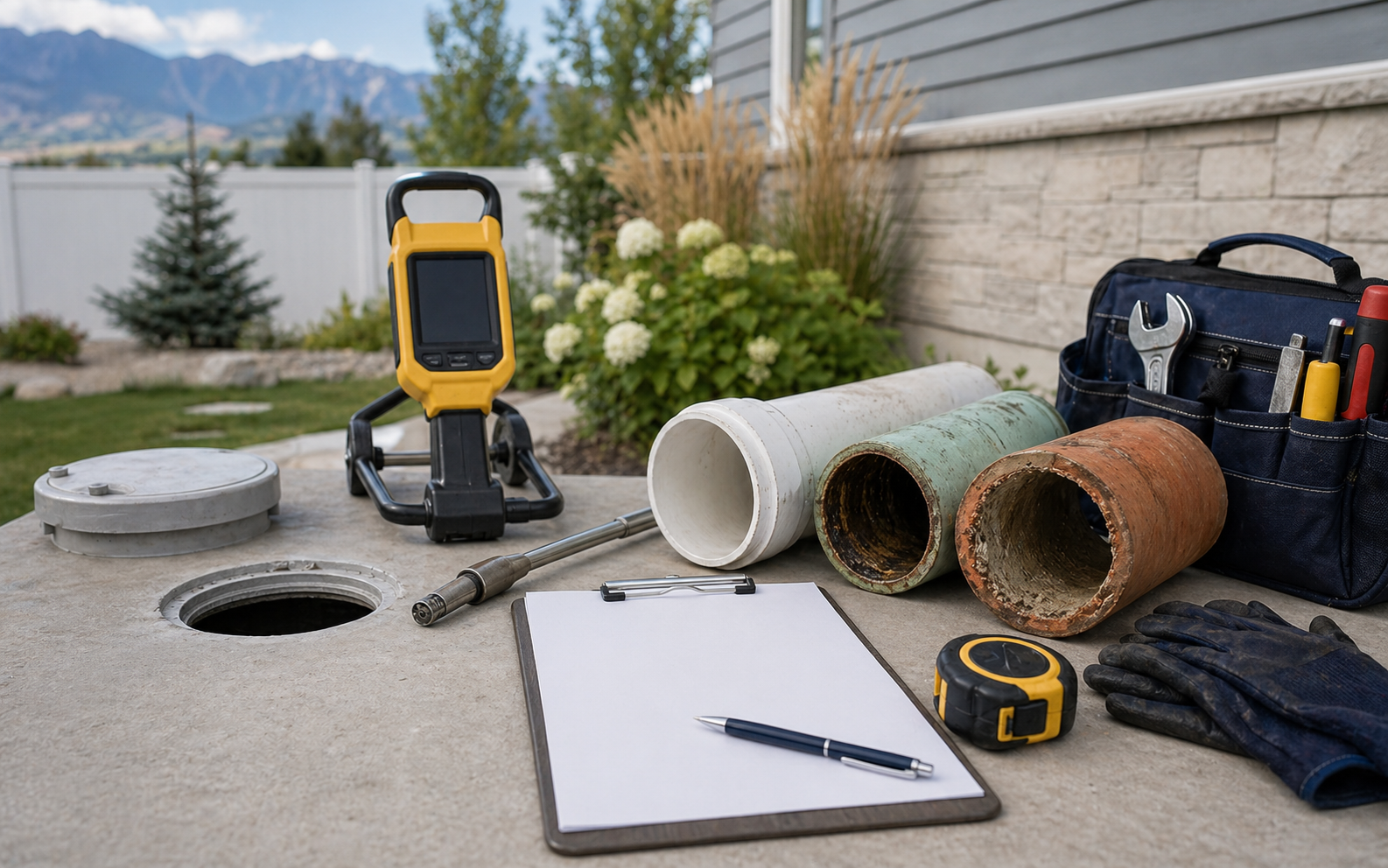
Breaks down the main price drivers, what usually changes the quote, and how to compare repair scope before committing.
Compare Options
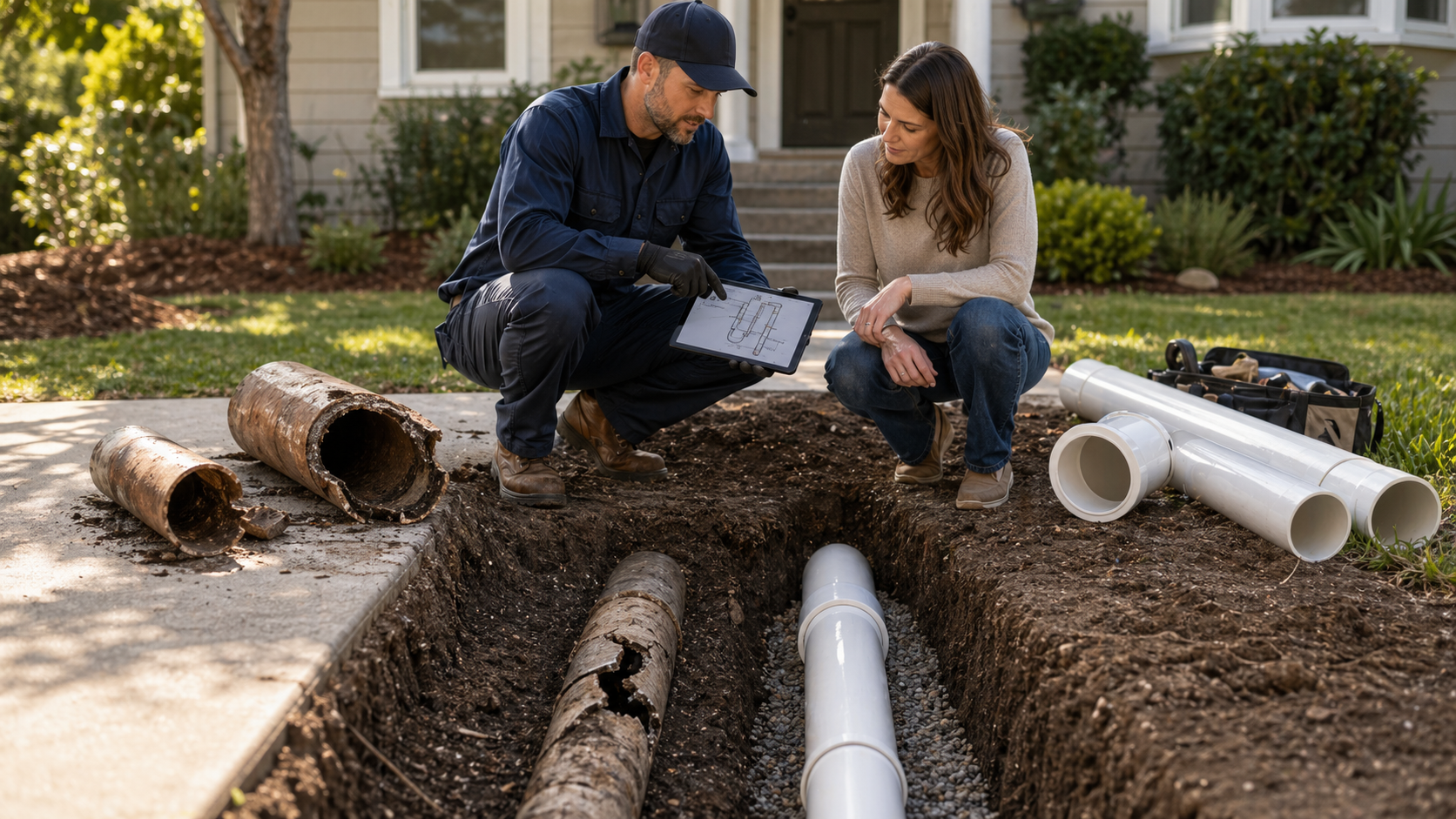
Covers the tradeoffs, what usually changes the decision, and how to tell which method fits before committing to a scope.
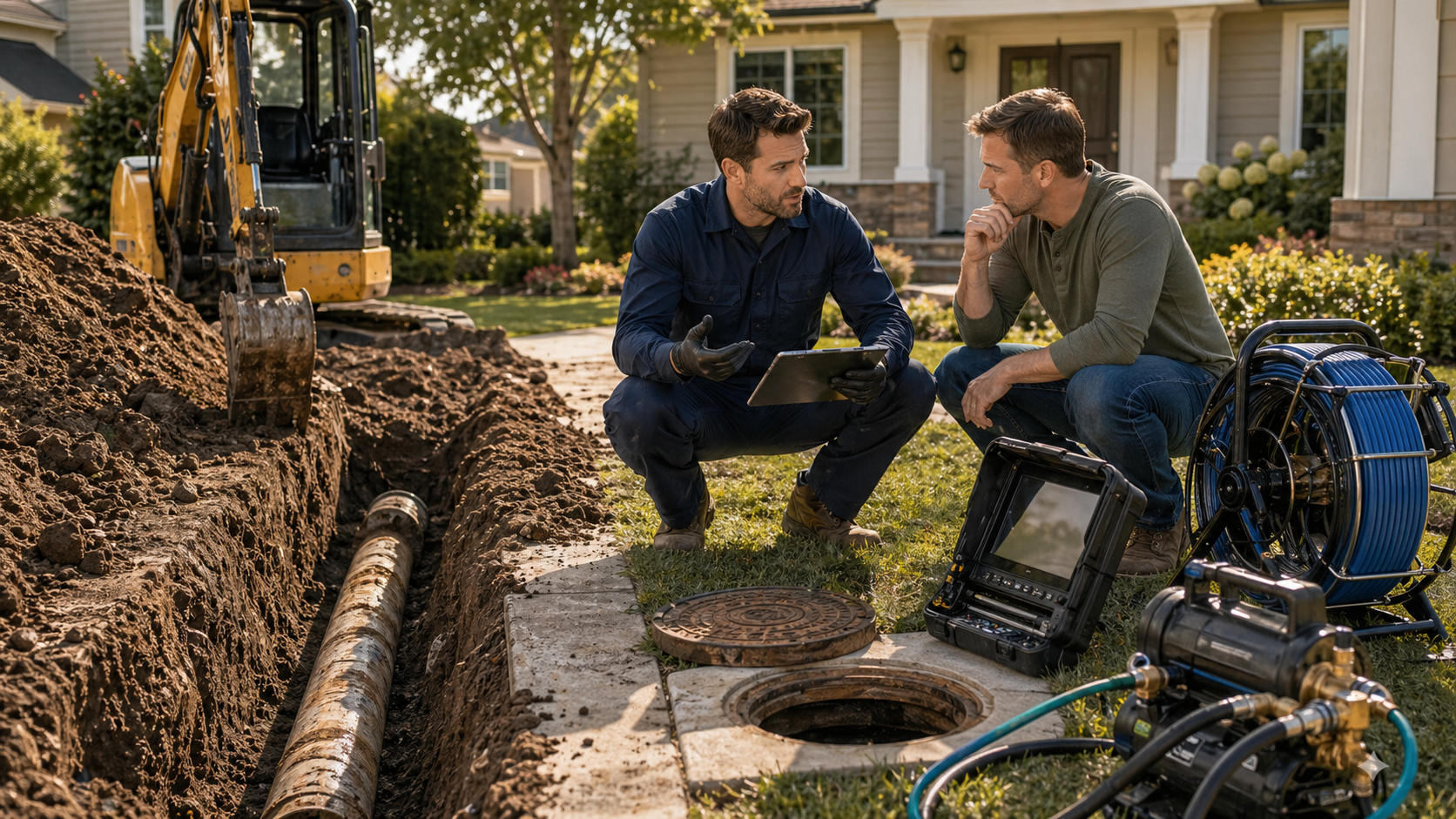
Service Explainer
Explains when the problem requires digging, when trenchless may still work, and what usually tips the decision.