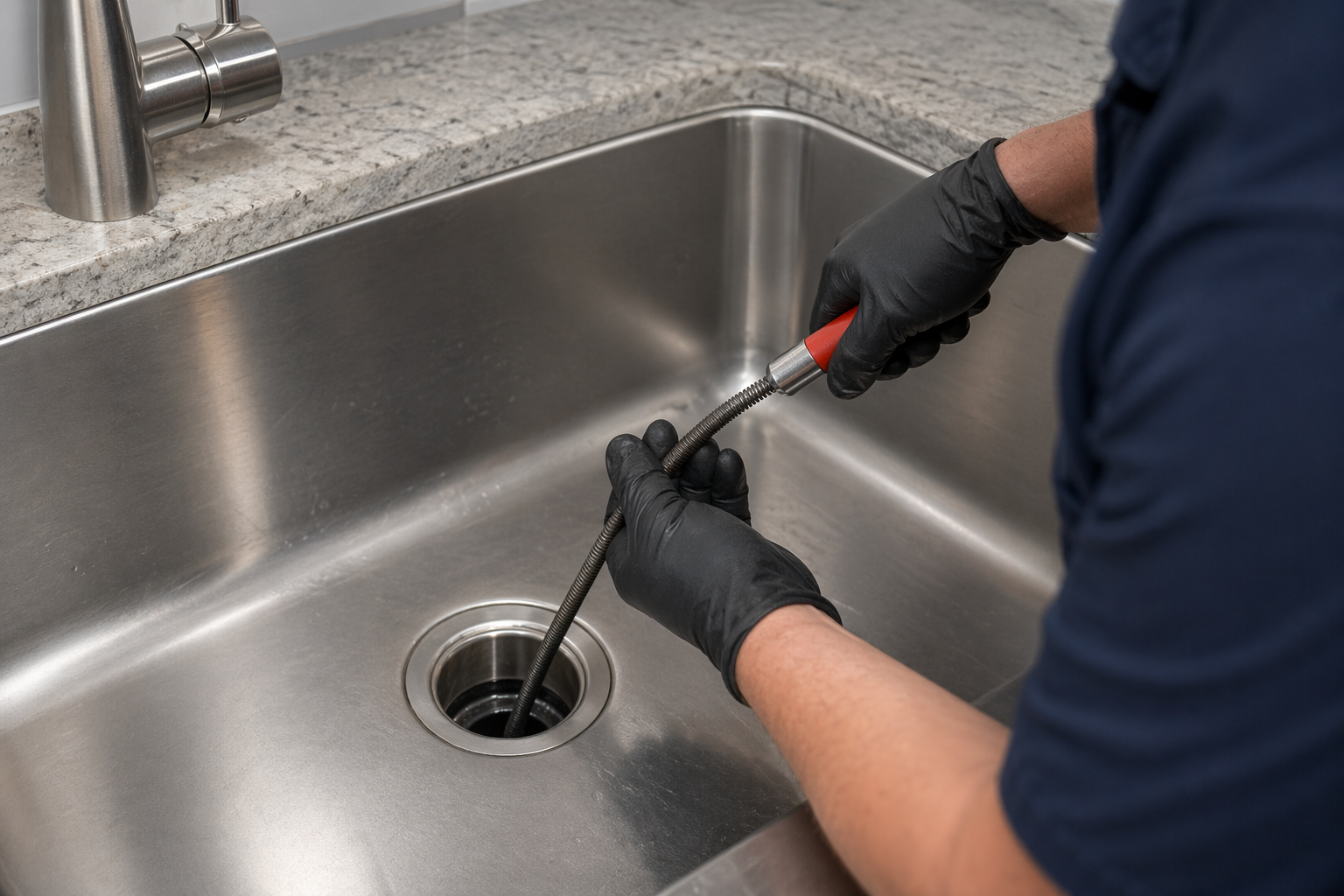
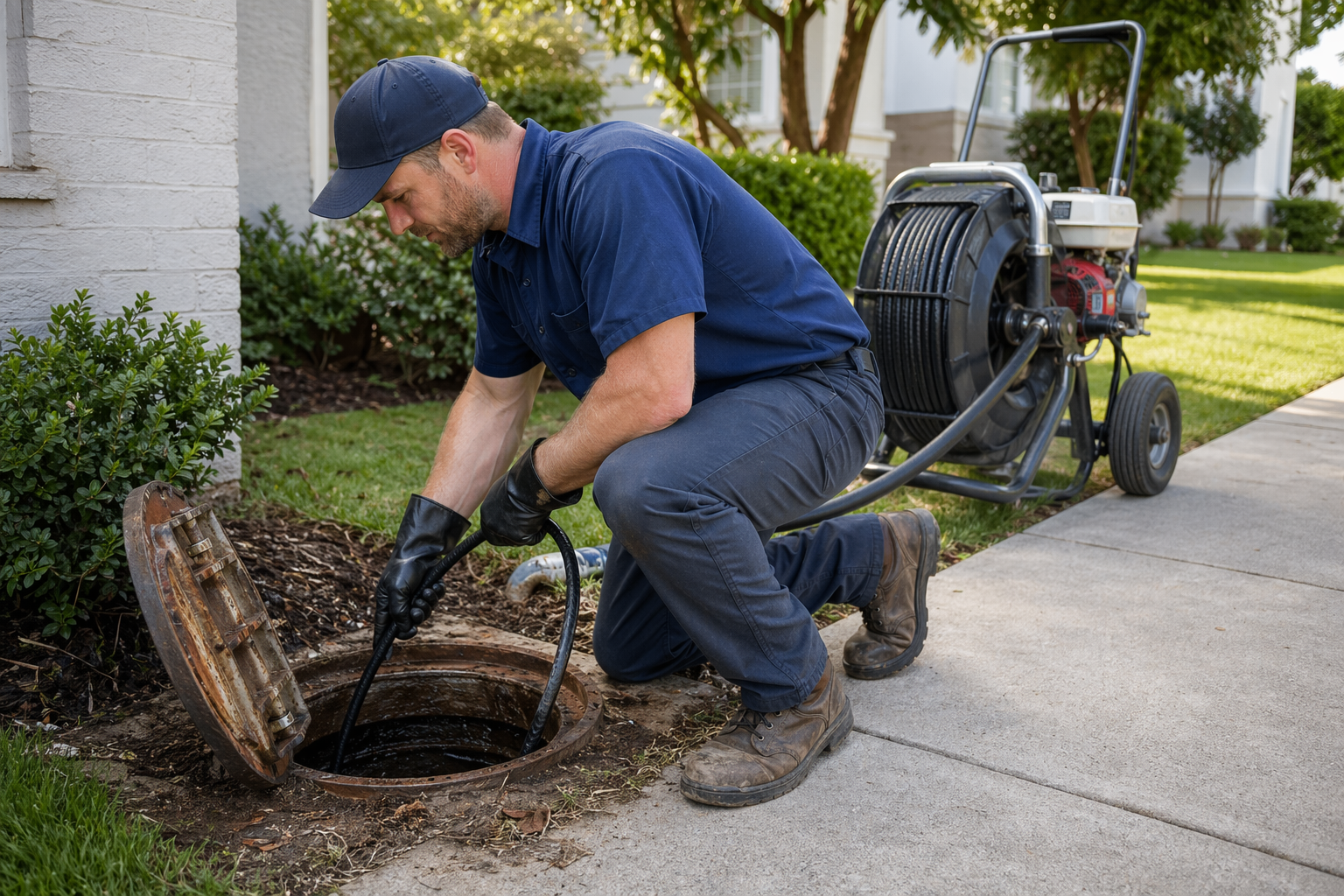
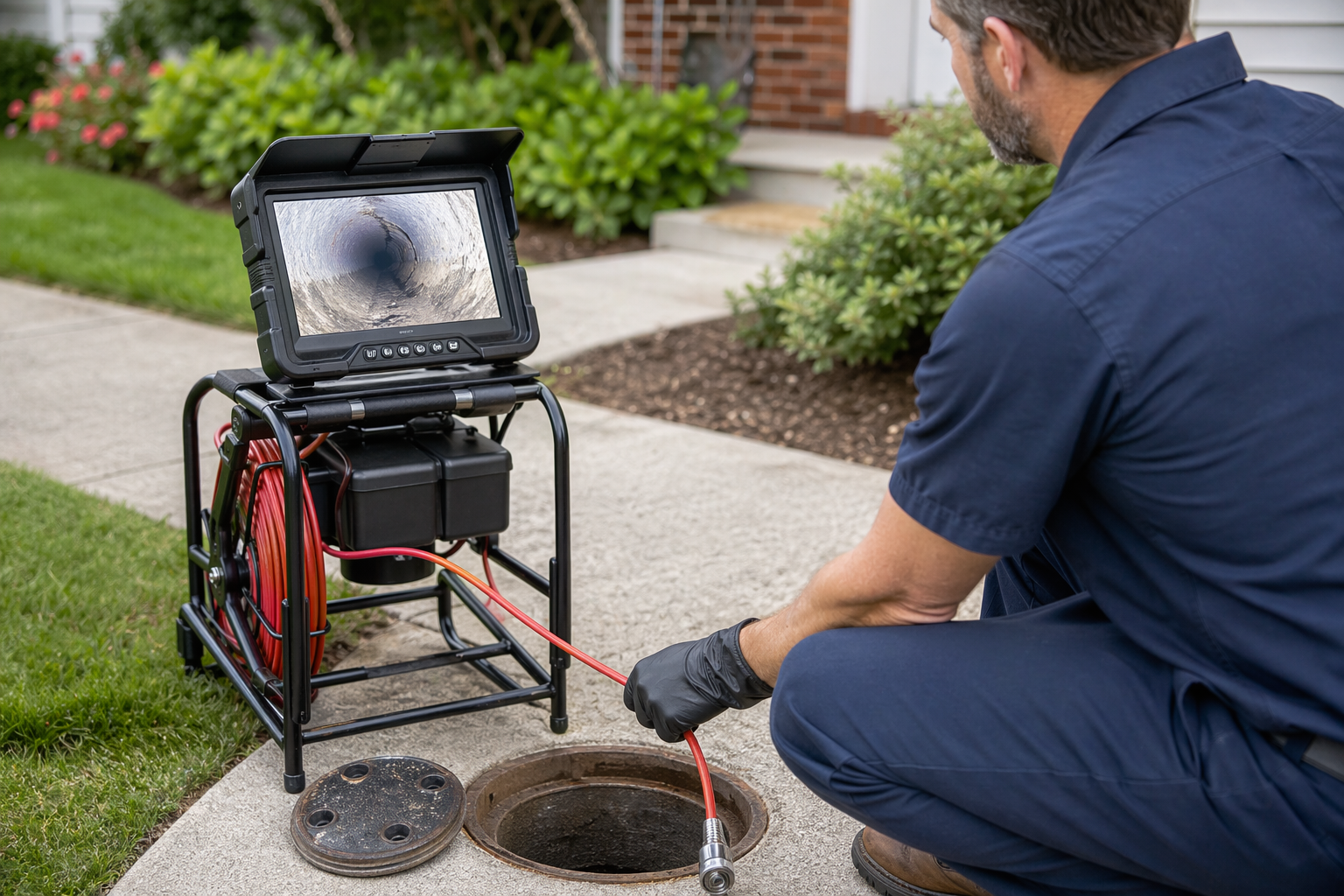
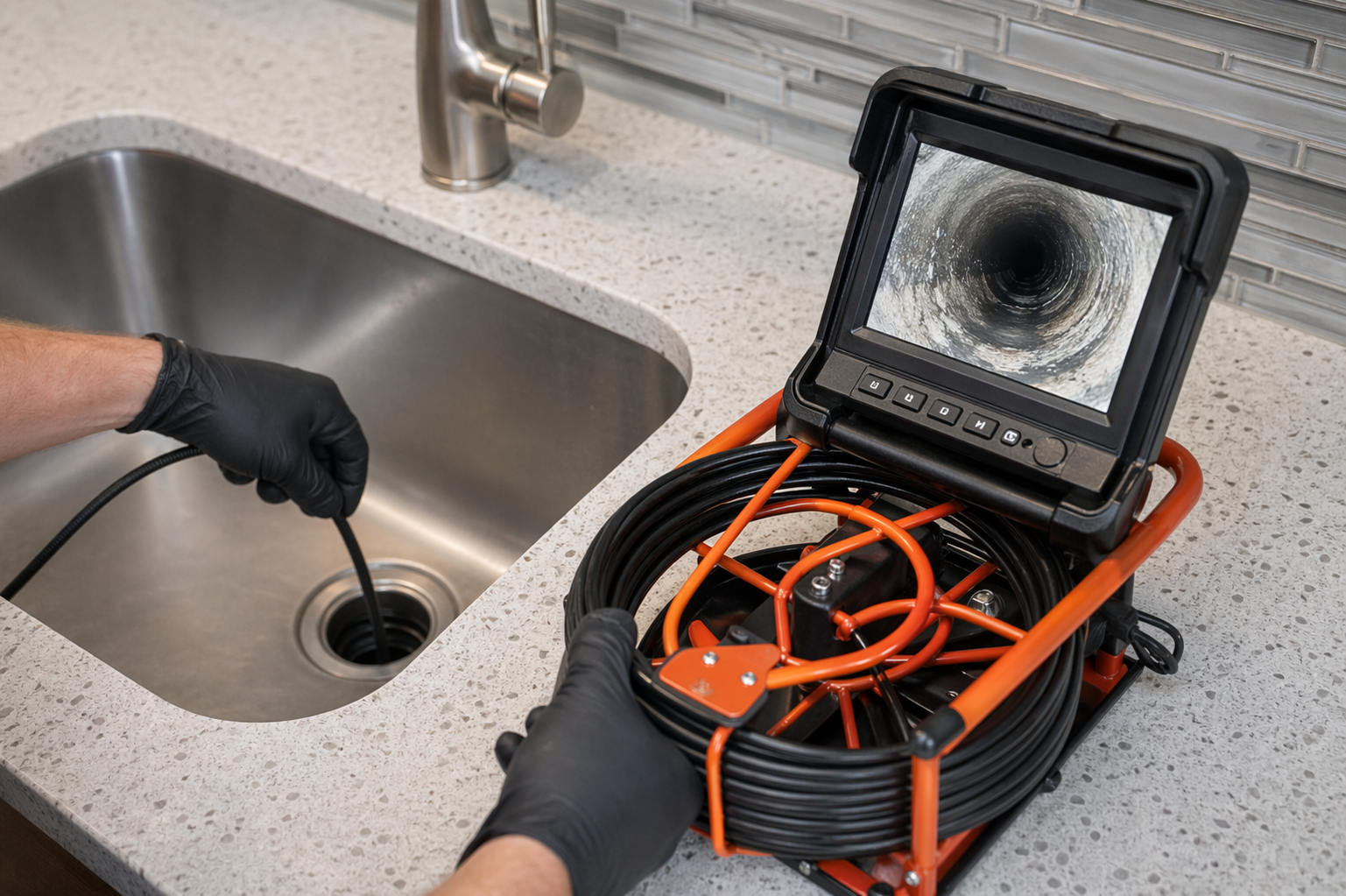
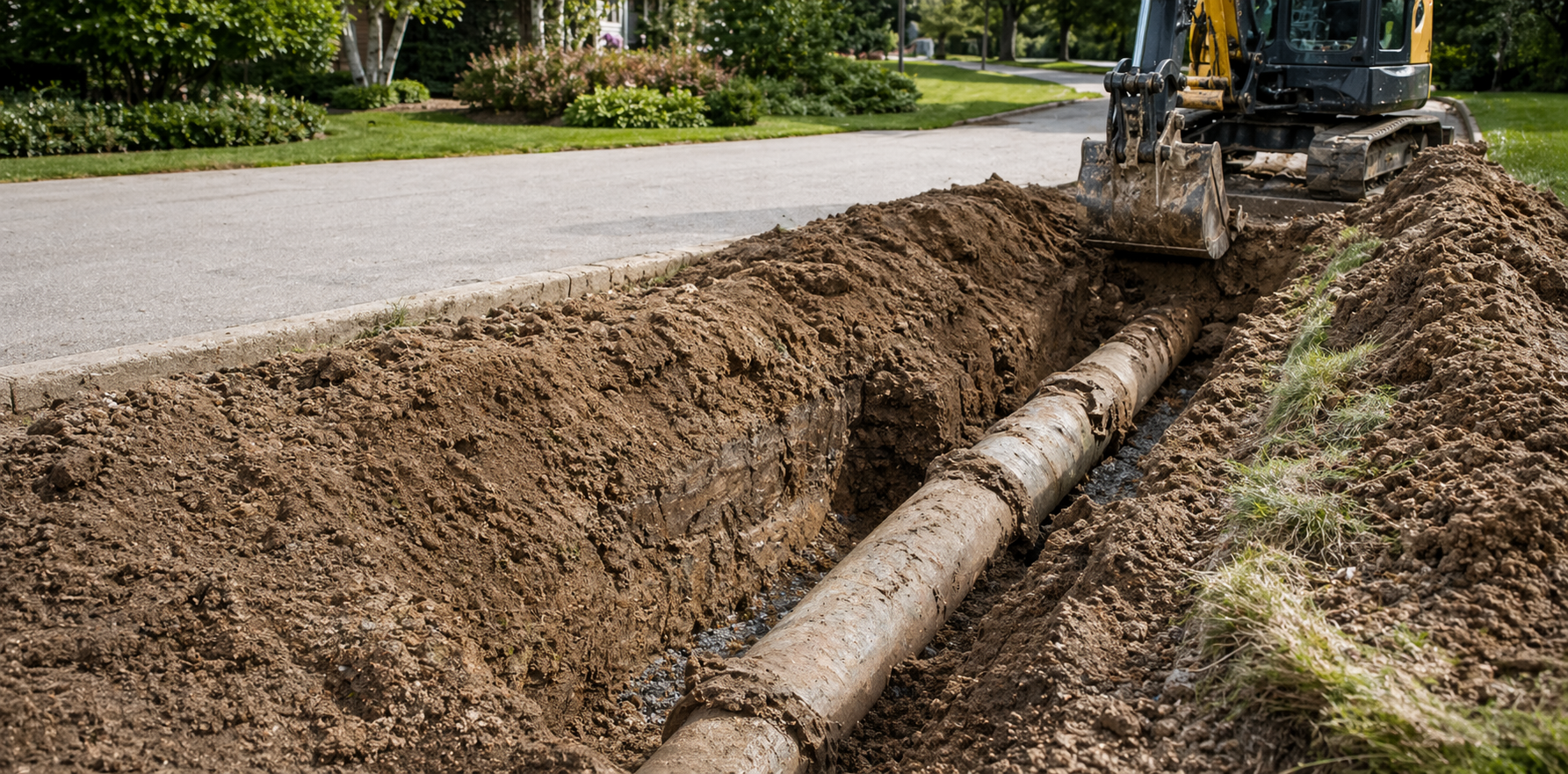
The sewer lateral on a Hillcrest-Bonneville foothill lot runs downhill through root zones, across soil that shifts with the seasons, and through pipe joints that have been absorbing gravitational stress for decades. That is a fundamentally different set of conditions than any flat-lot home in central Ogden — and it is why foothill drain problems are more likely to be structural than simple. A cable clearing fixes the symptom and buys time, but on a sloped lot with mature vegetation and decades-old pipe, the cause is almost always in the pipe: root intrusion at joints stressed open by soil movement, belly sags at grade transitions where the ground has settled unevenly, or pipe walls thinned by years of velocity stress on a steep run. Sewer camera inspection, drain cleaning, hydro jetting, and sewer line repair and replacement are all available — the right one depends on what the slope has done to the pipe over time.
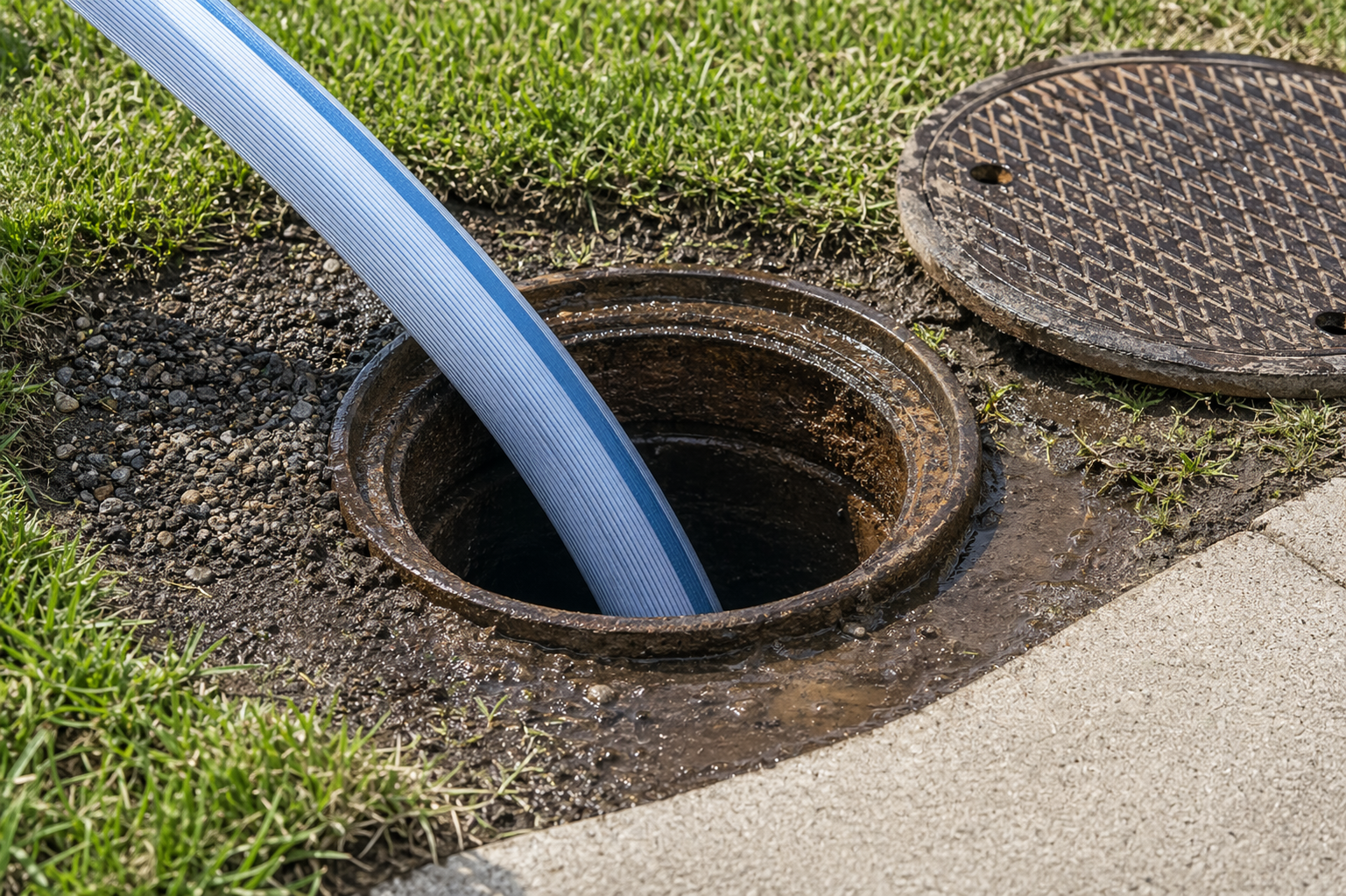
Start with the symptom: one slow drain, multiple fixtures backing up, a main-line backup, sewage smell, or a clog that keeps returning on a shortening cycle. Then tell us about the property — approximate age, whether the lot slopes noticeably, whether there are mature trees along the lateral path, and anything you know about prior line work. Foothill properties benefit from more context upfront because the terrain adds variables that flat-lot calls do not. Every truck carries a jetter rated to 3,850 PSI with 300 feet of hose and a camera that scopes up to 200 feet — both deploy on the same visit, so the crew can clean, diagnose, and show you what the slope has done to the pipe in a single trip.