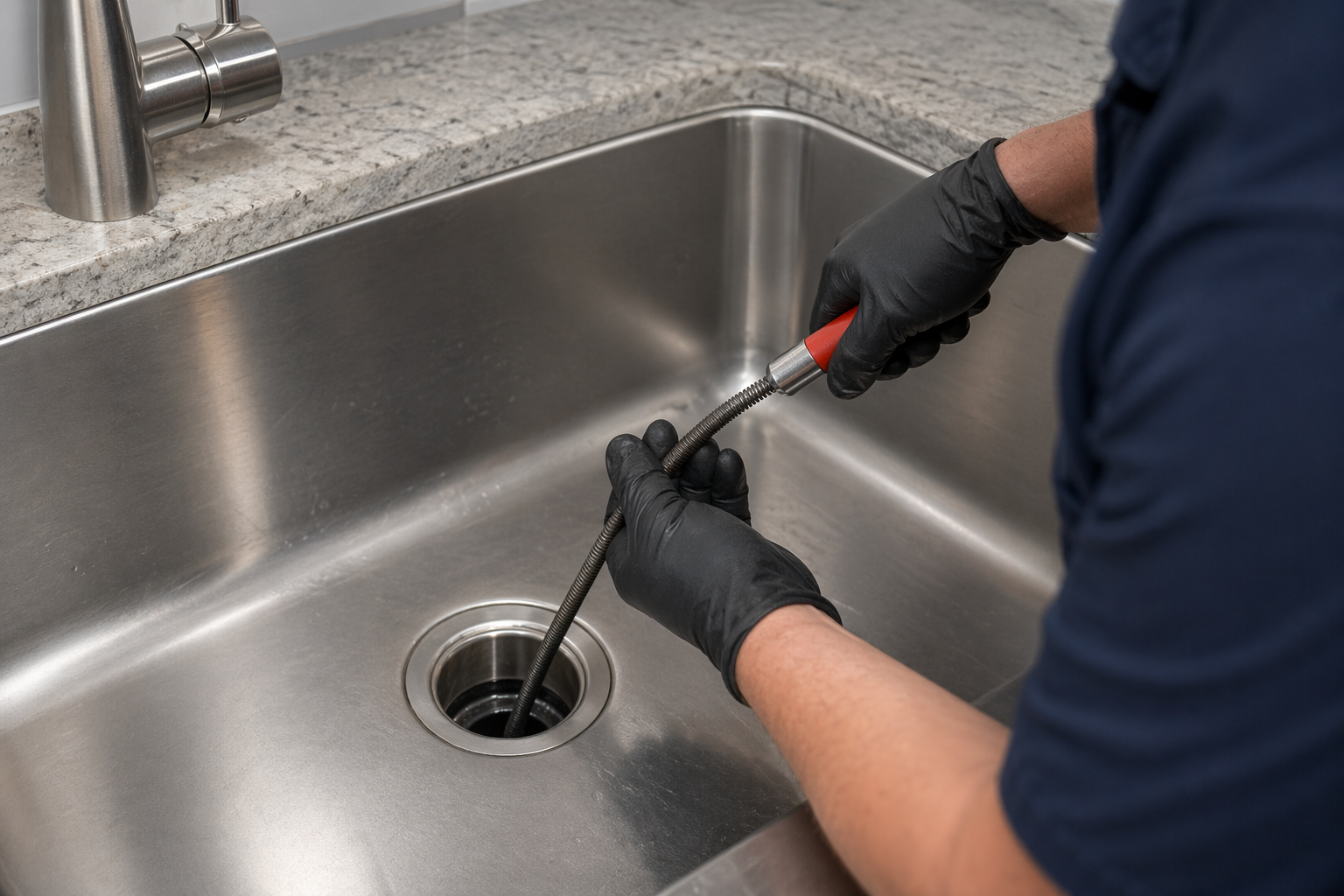
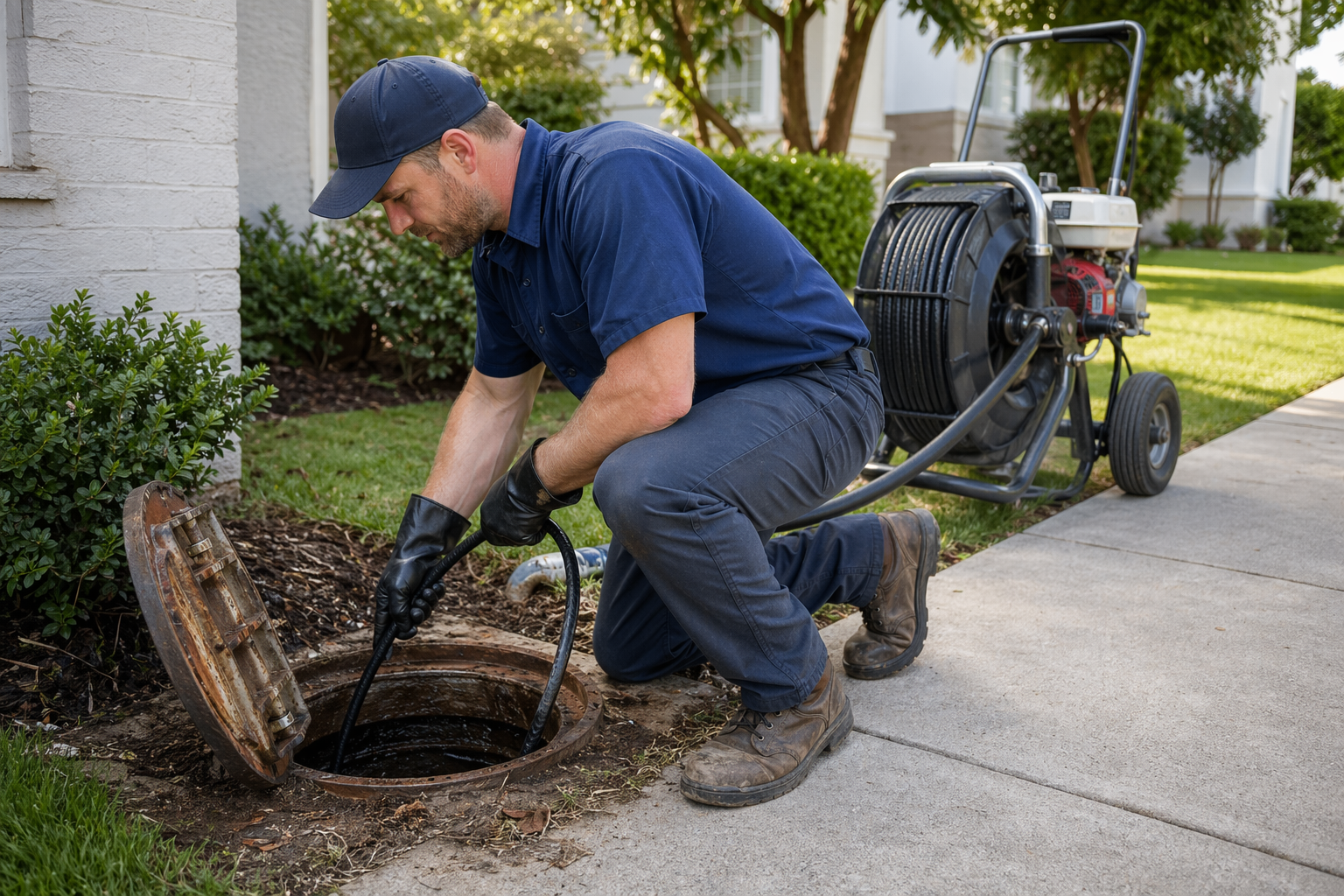
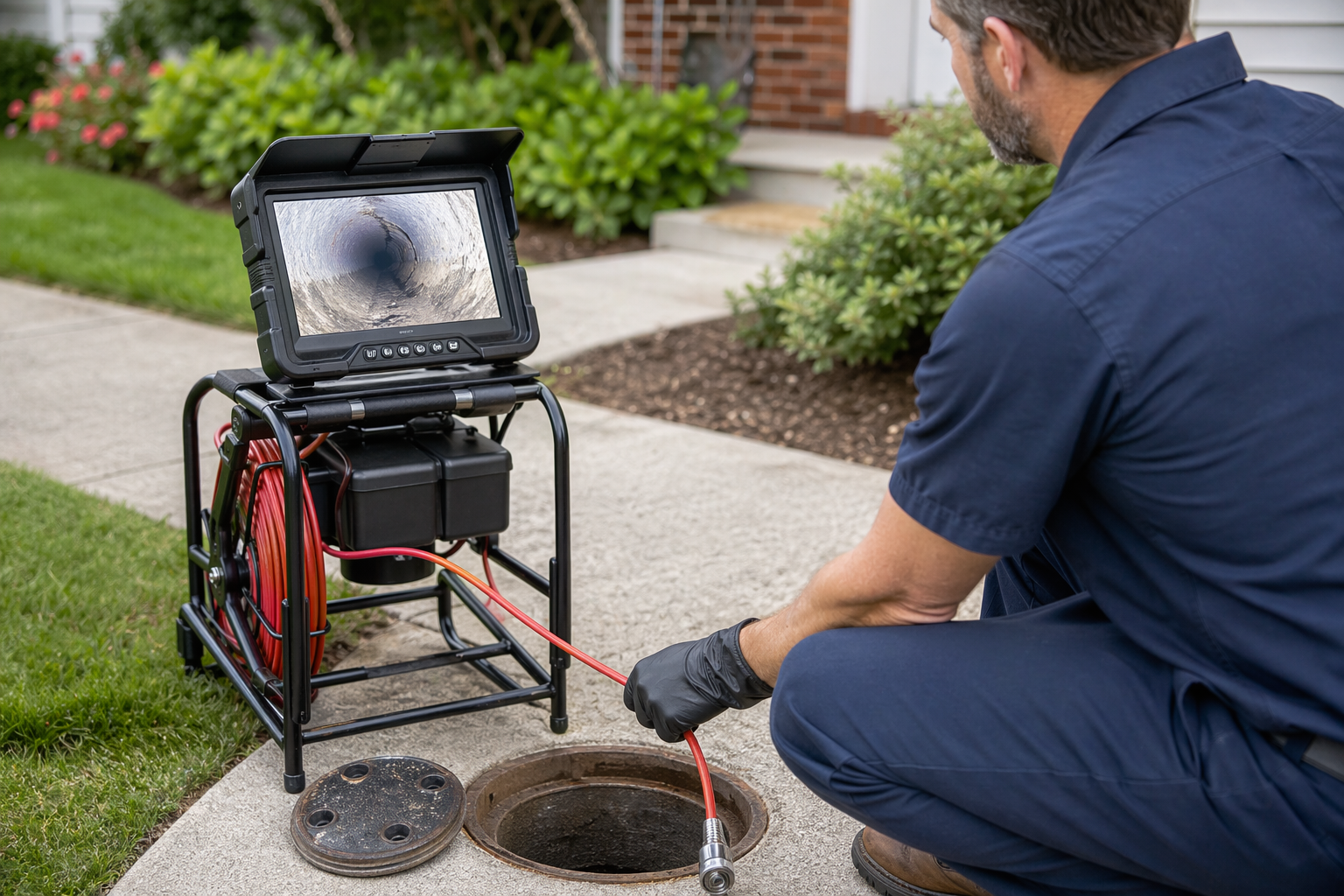
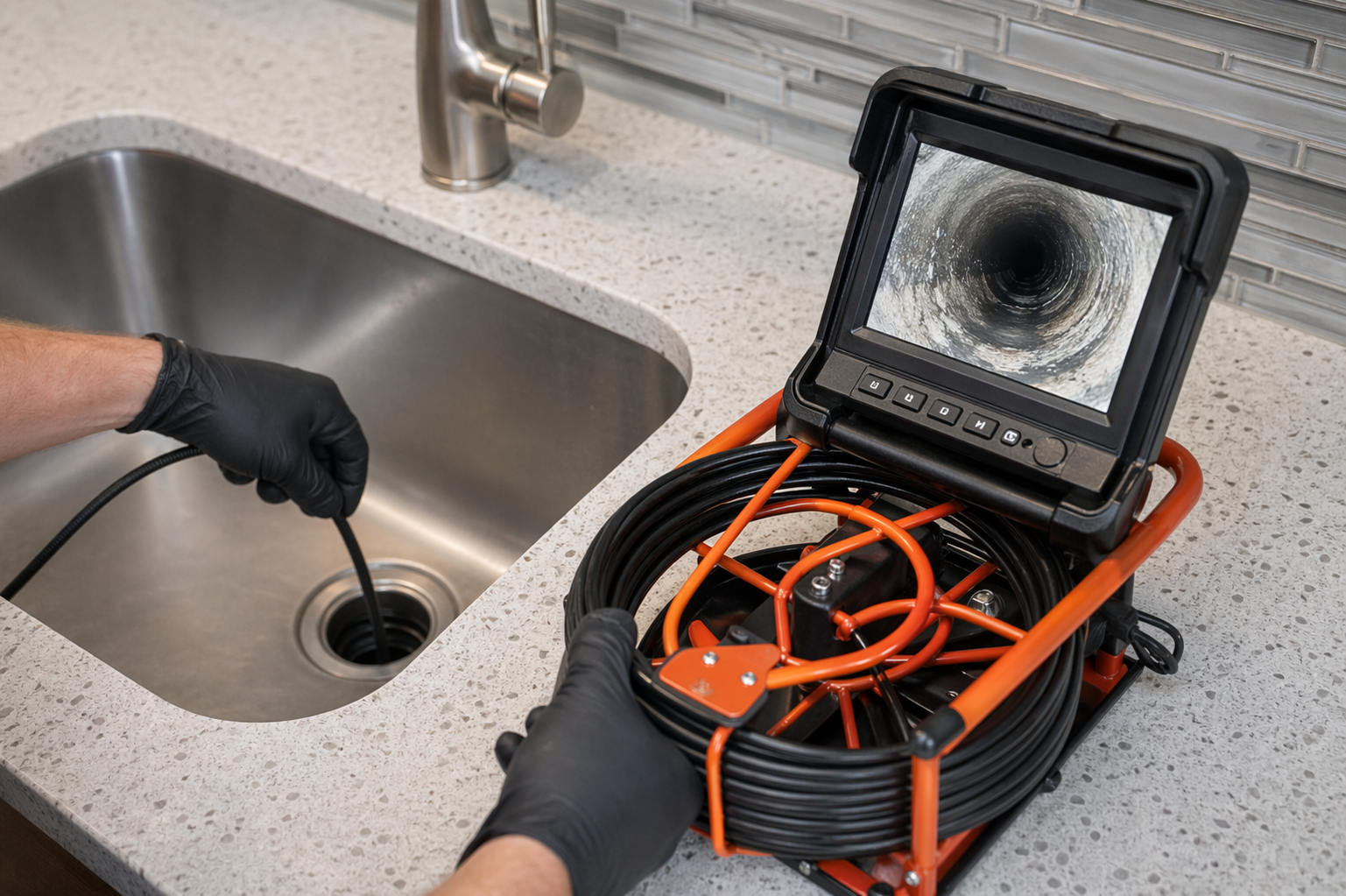
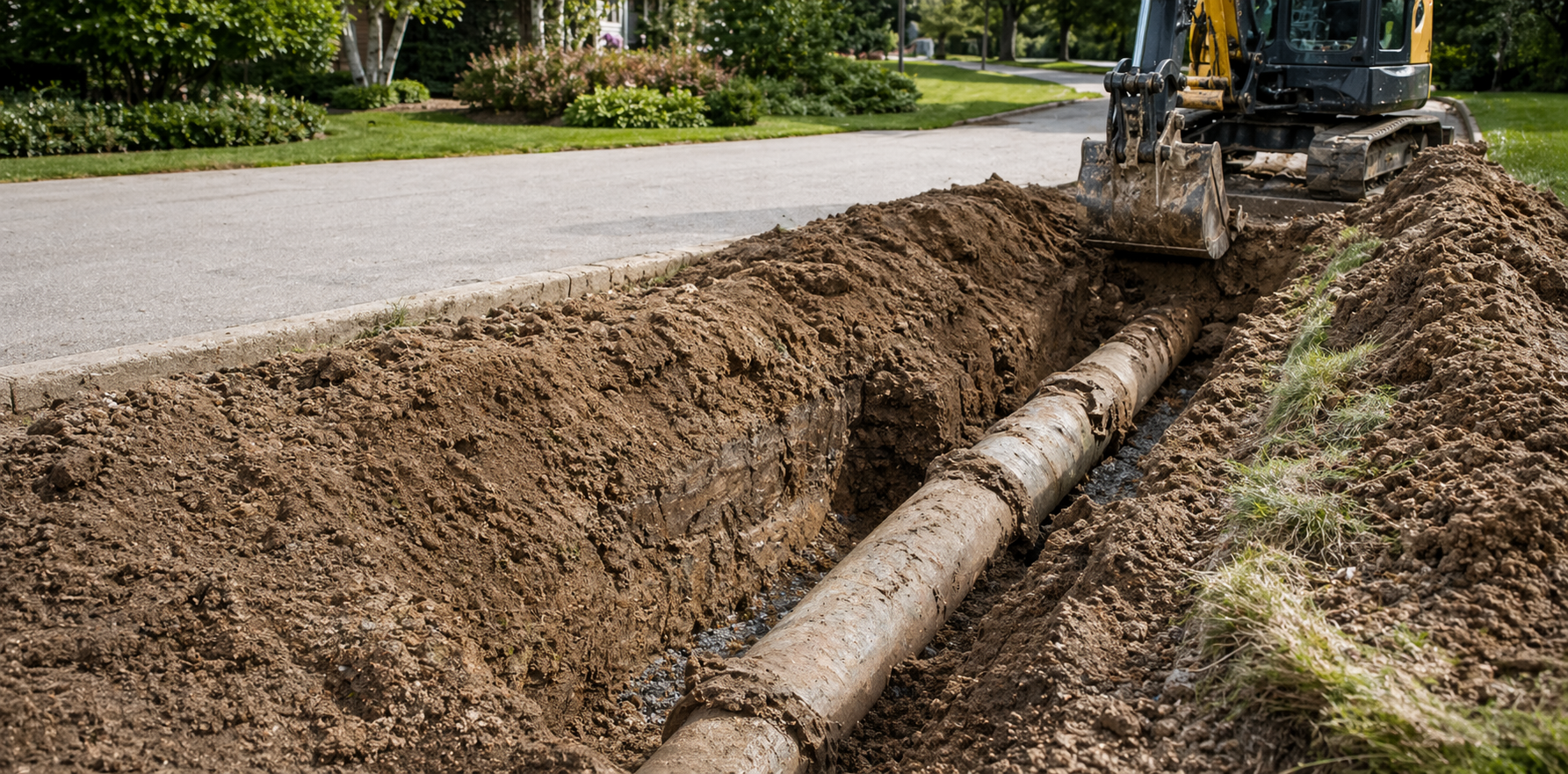
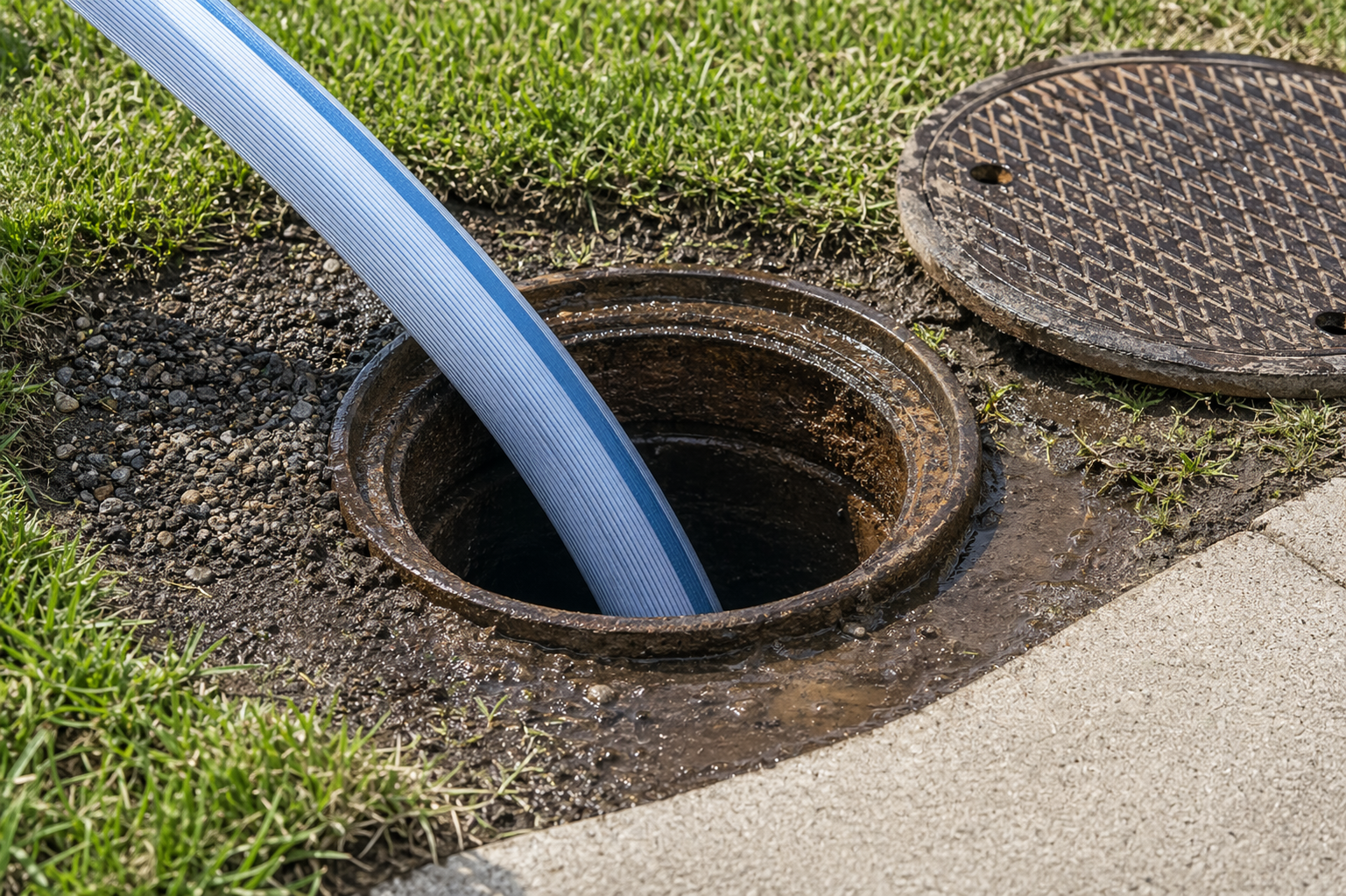
Most drain calls from White City are exactly what they sound like — a slow drain, a clogged fixture, something that needs a cable run and a clear pipe. That is the advantage of a small, established residential community with standard lots and straightforward access: the crew gets there, sets up fast, and handles the job. Where it gets more interesting is when the clog comes back. White City is an East-side metro township where the homes have been here for decades, and the pipe materials — clay, cast iron, early PVC — have had a full working lifetime of root exposure, soil settlement, and daily use. A first-time clog is usually just a clog. A second one in the same year is a signal. A third one is the pipe telling you something the cable cannot fix. Drain cleaning, hydro jetting, sewer camera inspection, and sewer line repair and replacement are all available — and for most White City calls, the right path is the simplest one that honestly solves the problem.
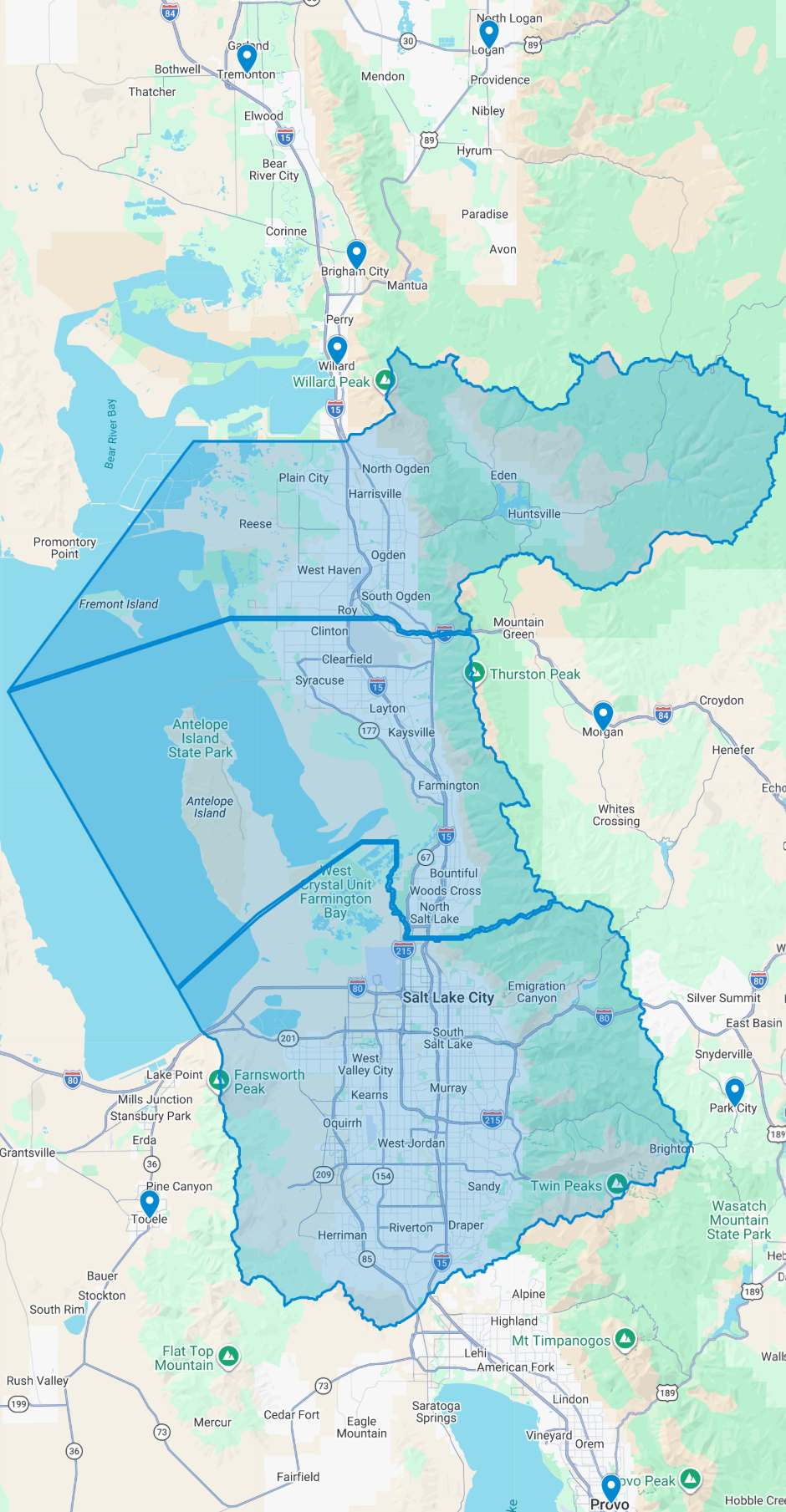
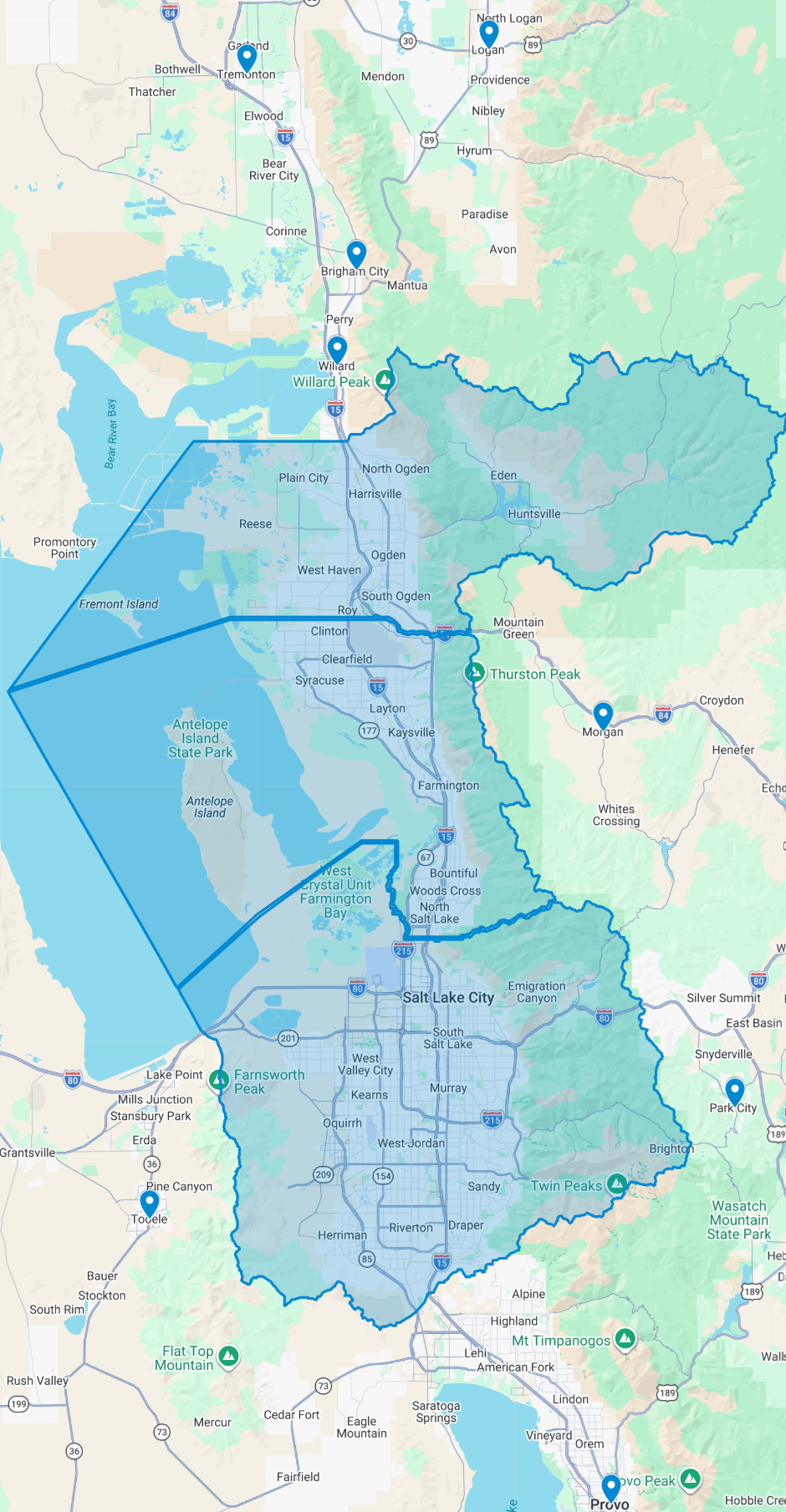
Start with the symptom: one slow drain, multiple fixtures backing up, a floor drain that overflows when other fixtures run, or a clog that has been cleared before and came back. Then share the property address, approximate home age, and whether the line has been serviced or inspected before. On standard residential lots, the answer usually comes fast — one fixture is a branch-line cable job, multiple fixtures point to the main, and a repeat clog means the camera should run after the cleaning to find what the cable keeps missing. Nearby areas like Alta, Bluffdale, Cottonwood Heights, Draper, Holladay, and Midvale share the Salt Lake County corridor, but White City is a small enough community that most calls are residential, most lots are standard, and the service conversation moves quickly from symptom to solution.