Negs
Very professional and arrived fast. Would recommend to everyone. If I could give them 10 stars I would!
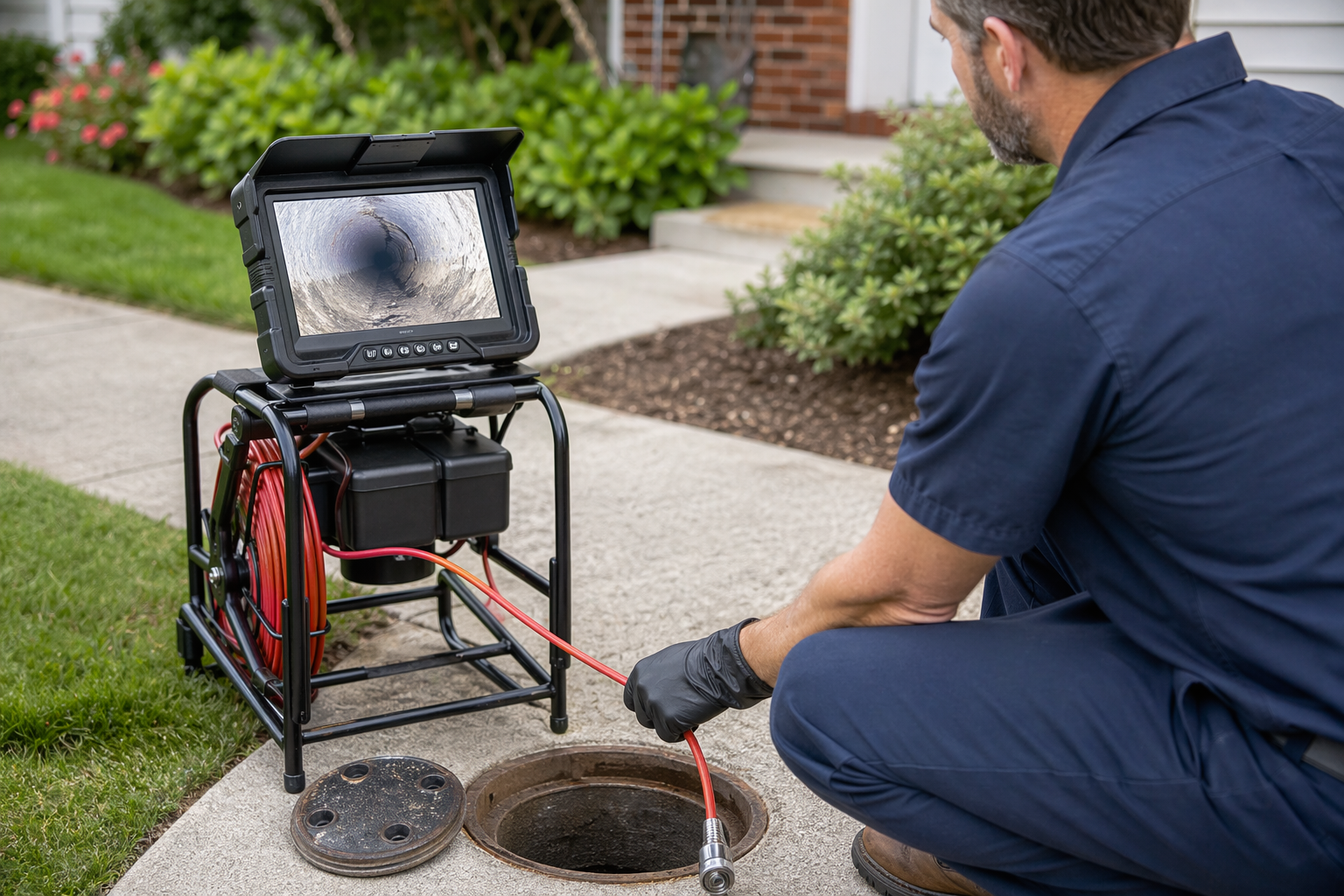
Recurring sewer problem inspection for lines that keep failing after cleaning without a clear explanation.
What you are seeing
The sewer line has been cleaned - maybe twice, maybe three times - and the same problem keeps coming back. Same drain, same backup, same section of pipe. Each time someone clears it, the fix holds for a few weeks or a few months, and then the cycle starts again. At this point, the question is not how to clear it. The question is why it keeps happening.
No one has shown you the inside of the pipe. No one has explained what structural condition, defect, or failure pattern is driving the repeat blockage. You are spending money on clearing without ever seeing the cause.
When this service fits
A recurring sewer problem inspection fits when the sewer line has already been serviced at least once and the problem returned without a clear explanation of why. The camera goes in specifically to find the cause behind the cycle - not to perform a general inspection, but to answer the question that repeated cleanings have failed to resolve.
This is the right step when you are done paying to clear a symptom and ready to see the structural or condition-level cause that keeps producing it.
What you walk away with
After the inspection, you have footage showing exactly what is driving the repeat failure - root intrusion at a specific joint, a bellied section pooling waste, a cracked pipe catching debris, an offset connection restricting flow, or heavy wall buildup that cleaning alone will never fully remove.
That footage ends the guessing cycle. You know whether the line needs a different cleaning approach, a targeted repair at one location, or a section replacement - and you have the visual evidence to compare quotes and make the decision with confidence.
Problem
A sewer line that backs up once is a service call. A sewer line that backs up on a repeating cycle is a diagnostic problem - and sending another cable through the center of the same blockage without identifying the structural cause is paying to restart the clock on the same failure. Every clearing that does not include a camera inspection is another bill that treats the symptom while the cause stays hidden underground.
Most recurring sewer failures are driven by a specific, identifiable condition in the pipe - not random clogs. A root mass entering through a cracked joint catches waste and rebuilds the blockage every time it regrows. A bellied section where the pipe has settled creates a permanent low spot that pools debris no matter how many times the line is cleared. An offset joint narrows the flow path and collects grease at the restriction point. These are not problems that respond to repeated cleaning. They are structural conditions that the camera documents and a targeted fix resolves.
The camera does not fix the pipe. It ends the cycle of not knowing what is wrong with it - and that is the step that has been missing from every clearing that did not hold.
Solution
This inspection is not a general line check. It is targeted at the failure pattern. The camera enters the pipe with a specific objective: find the condition, defect, or structural issue that is causing the same sewer problem to return after every service call. The footage is reviewed against the history you provide - which section keeps failing, how often, how quickly after the last clearing - to match visual evidence to the documented pattern.
What the camera typically finds in recurring failures falls into a few categories. Root intrusion through compromised joints is the most common - roots regrow from the same entry points on a predictable cycle. Bellied pipe sections where settling has created a permanent low spot pool waste and debris regardless of how many times the upstream blockage is cleared. Offset joints narrow the flow path and create a restriction point where grease, paper, and solids catch and accumulate. Cracked or collapsed sections catch debris at the damage site. Each cause requires a different fix, and the footage identifies which one applies to your line.
Once the cause is documented, the recommendation changes from "clear the blockage again" to a specific action matched to the findings. A root entry problem at two joints is a different scope than a 15-foot belly or a cracked section at the property line. The footage gives you the information to evaluate repair quotes, compare options, and make a decision based on what the pipe actually shows - not what someone suspects from the surface.
Fit and situation bullets
Problem bullets
Customer Feedback
See what customers say after a recurring sewer problem inspection — from finally seeing the cause on camera after repeated clearings to the honest call on whether the line needs repair or a maintenance schedule.
Leave a Review!These guys are great! I run a plumbing company but don’t do drains. I often sub contract them to service my customers sewer lines. They don’t only make me happy, but they keep my customers happy and that’s what matters to me most. Thanks guys!
Amazing experience! They are knowledgeable, kind, courteous and very thorough. Our clogged kitchen pipe was a bit of a challenge but they kept going and did everything they could to get it unclogged and they did it! They were very upfront with what caused the clog, gave us video recording of our pipes so we can see exactly what was done, double checked to make sure the pipes were clean and free of clogs and gave us steps on how to maintain the pipes moving forward. Highly recommend!!
This company is Awesome!!! Highly recommend that you call them for your drain cleaning and power washing needs! A++ in service, cost, and quality of work. Alex and Jacob completed drain work, patio cleaning, and filled in cracks in cement. The patio looks brand new! Thank you Alex and Jacob!!!
Alex was very good to work with. They were professional and punctual, working around my schedule. They were able to show me exactly before and after, even showing footage inside my pipes, which I have never seen before. I would recommend them.
Awesome experience! AJ was super professional and got us back in service. They offered us a few solutions and cleared our clogged sewer line for an excellent price
Very professional and arrived fast. Would recommend to everyone. If I could give them 10 stars I would!
Very pleased by my wonderful experience with this company and their service. They were very efficient and fast with their time. I appreciate their professionalism and commitment to the work they did for me!
Why Mountain West
Camera rated to 200 feet
Inspects up to 200 feet of pipe with live footage review - documenting the exact location and condition of the defect driving the repeat failure so the cause is identified, not assumed.
Jetting and camera on every call
If the recurring blockage needs to be cleared before the camera can pass, jetting equipment is already on the truck. The line is opened and the camera enters a clean pipe in the same visit - no rescheduling and no second trip to see what is behind the blockage.
3,850 PSI jetting capability
Pre-inspection clearing at 3,850 PSI and 8 GPM across pipes 2 to 12 inches in diameter with 300 feet of reach strips the pipe walls clean so the camera footage shows the actual structural condition underneath the buildup, not just the surface of the latest blockage.
20+ years combined field experience
Two decades of diagnosing recurring sewer failures and recognizing the specific pipe conditions - root patterns, bellies, offsets, cracks - that produce predictable repeat blockages in Northern Utah sewer laterals.
Licensed and insured
Licensed for sewer, drain, and drainage system work - the classification that covers the diagnostic and cleaning scope needed to identify and address repeat sewer failures.
The visit is focused on one objective: find the structural cause behind the repeat failure and document it on camera so the next step fixes the problem instead of restarting the cycle.
You finish the visit knowing what is causing the recurring failure, where in the line it is located, and exactly what needs to happen to stop the cycle - with footage to support every recommendation.
The inspection identifies the cause. These are the services that address what the camera finds - whether the line needs a more aggressive cleaning method, root-specific treatment, or structural repair.
Evidence
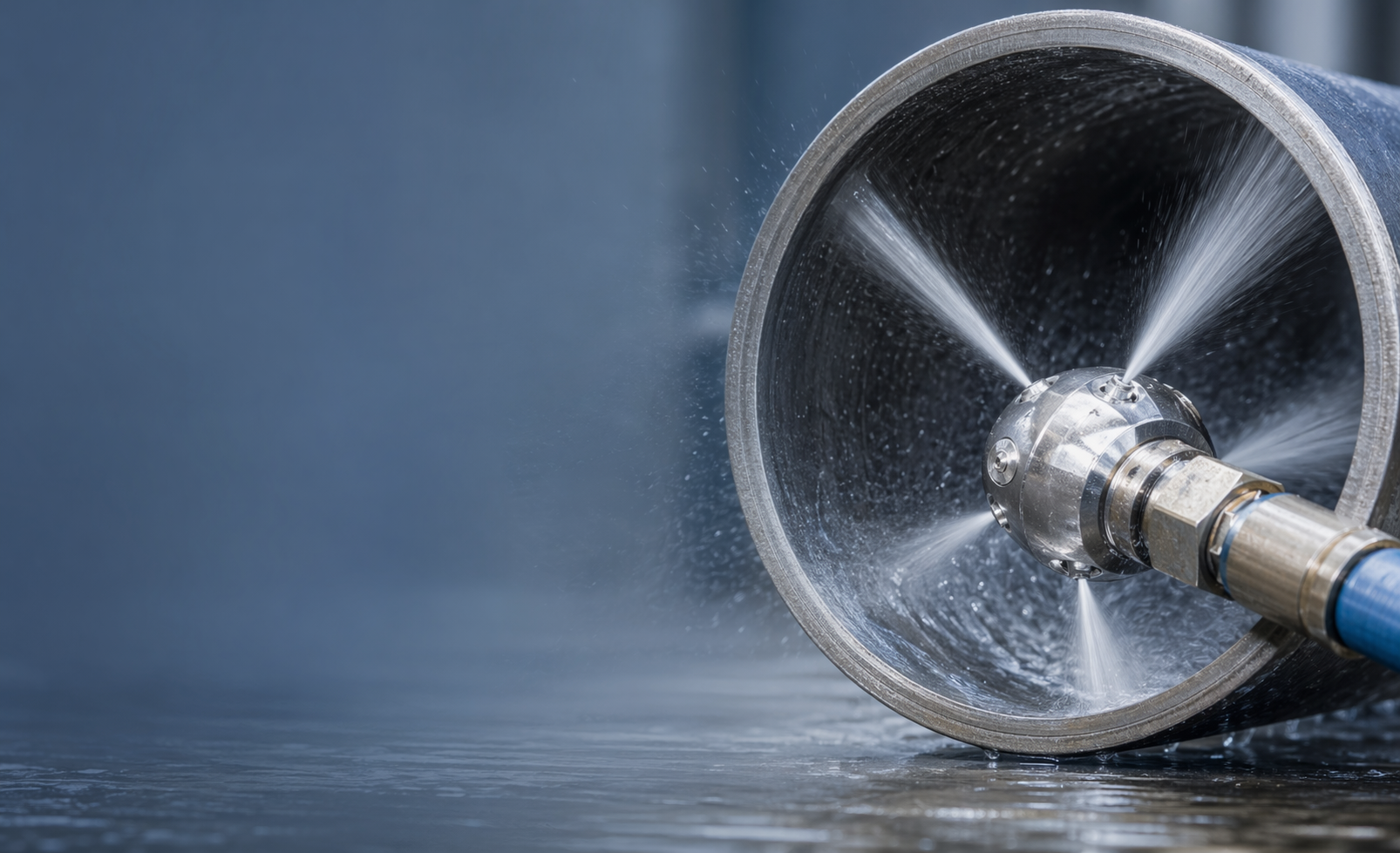 Next Service RouteSewer Hydro JettingWhen the footage shows heavy wall buildup - grease, sludge, or residue - that cable clearing has been passing through without removing, and the line needs full-length pressure cleaning to strip the pipe walls and reset the maintenance clock.
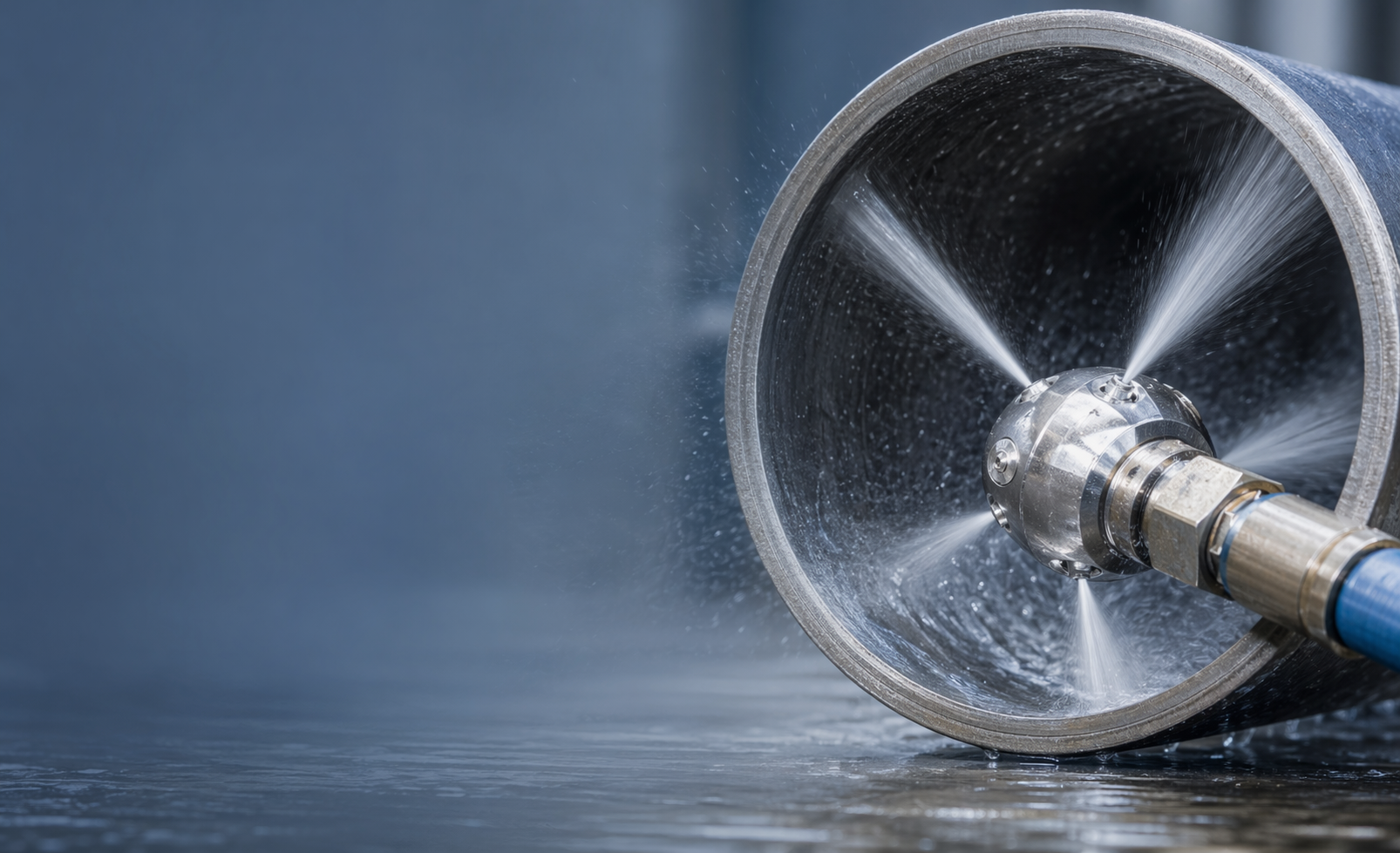 Next Service RouteRoot Intrusion CleaningWhen the camera documents root masses entering through compromised joints and the line needs root-specific jetting followed by a repair-or-maintain decision based on how many entry points exist and how fast regrowth occurs.
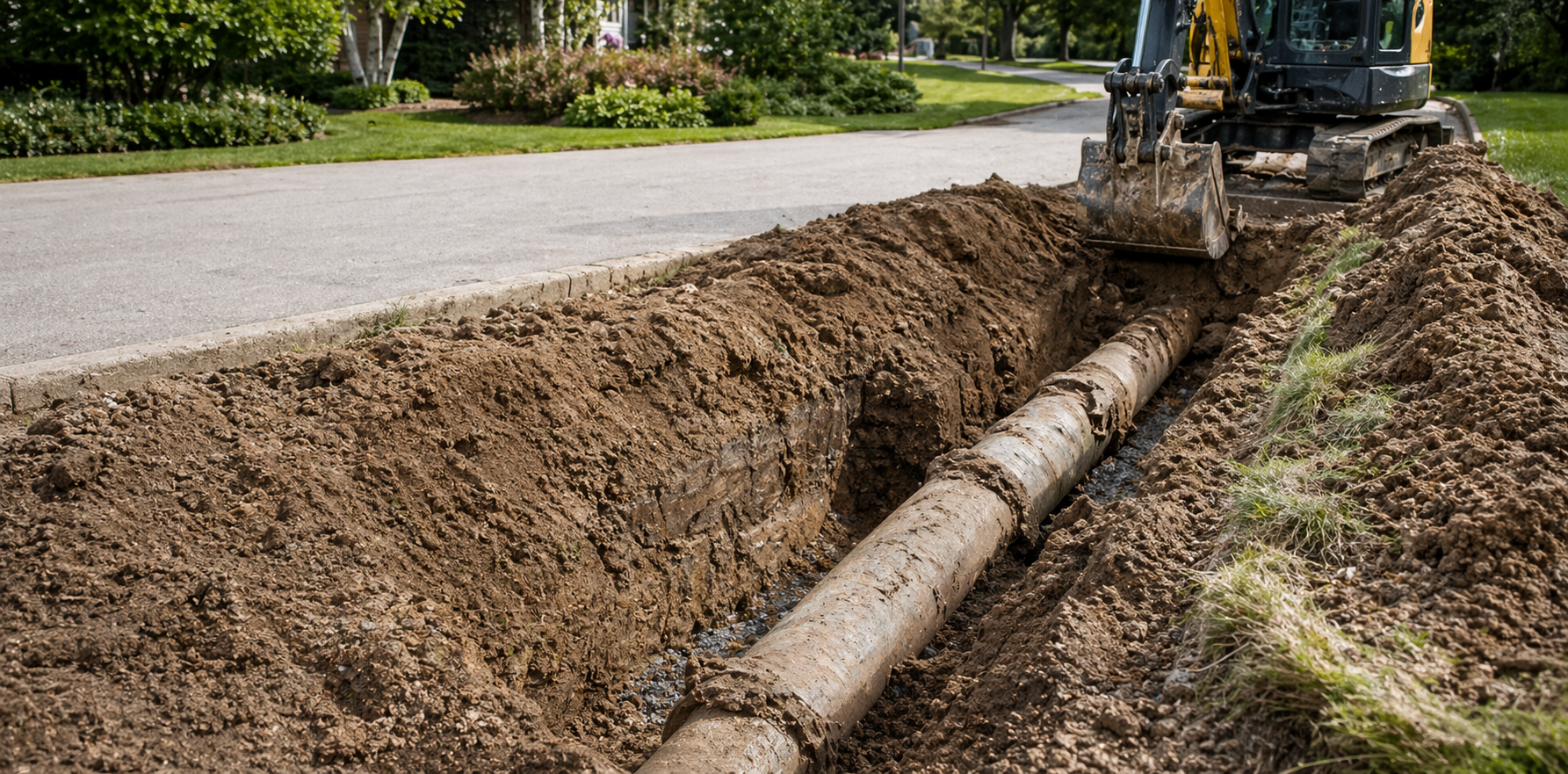 Next Service RouteSewer Line Repair And ReplacementWhen the footage reveals structural failure - cracks, collapse, heavy offset, or a bellied section - that no amount of cleaning will fix, and the documented cause requires a physical repair or section replacement to stop the cycle permanently.
Scope and timing
Cost
Support
These are the quick answers most people want before they call, book, or decide on the next step.
A recurring sewer problem inspection documents the specific structural cause behind a repeat sewer failure - root intrusion at compromised joints, bellied pipe sections that pool debris, offset connections that restrict flow, cracked or collapsed sections that catch waste, or heavy wall buildup that cable clearing passes through without removing. The footage ties each finding to a location in the pipe so the next step addresses the cause, not the symptom.
Property owners whose sewer line has been cleared at least once and backed up again in the same location without a clear explanation. The inspection is specifically for lines with a documented repeat-failure pattern where prior service restored flow temporarily but never identified the structural condition producing the recurring blockage.
The technician reviews the failure history, clears the current blockage with jetting if needed, then runs a camera through the affected section to document the specific defect or condition causing the repeat failure. Findings are reviewed on site with live footage, and the recommendation explains whether the line needs a different cleaning method, a targeted repair, or a section replacement to stop the cycle.
Know how many times the line has been cleared, how quickly the problem returned each time, and what prior service companies said about the cause. If anyone has mentioned roots, grease, or pipe damage without showing you camera footage, that context helps target the inspection at the most likely failure section. The more failure history you can share on the call, the more focused the visit will be.
Related Reading
These follow-up reads stay close to this service and answer the pricing, warning-sign, process, and comparison questions that usually come next.
Cost Question
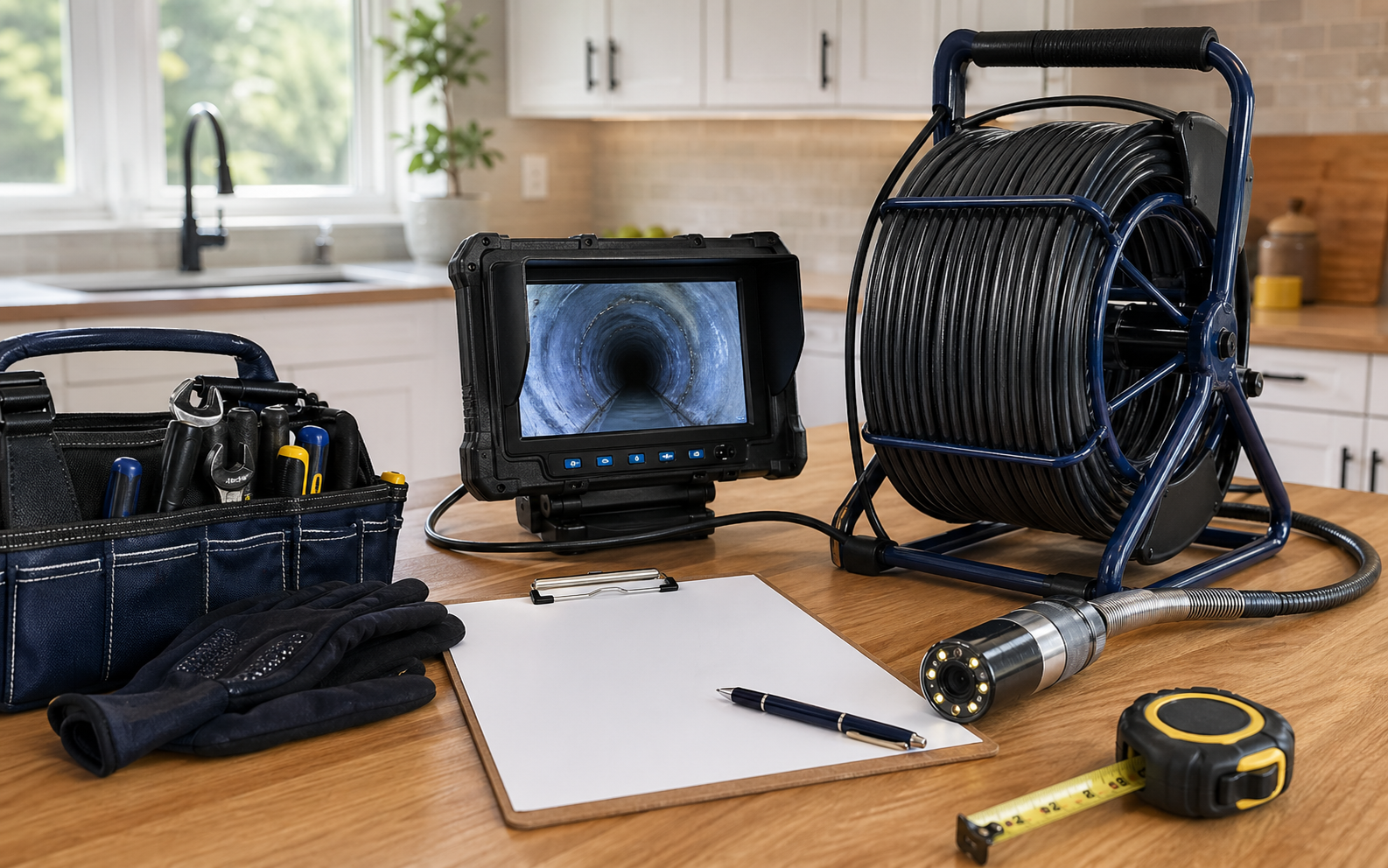
Covers the real price drivers behind a camera inspection so you can weigh the cost of seeing the problem against the cost of another clearing that may not hold.
Warning Signs
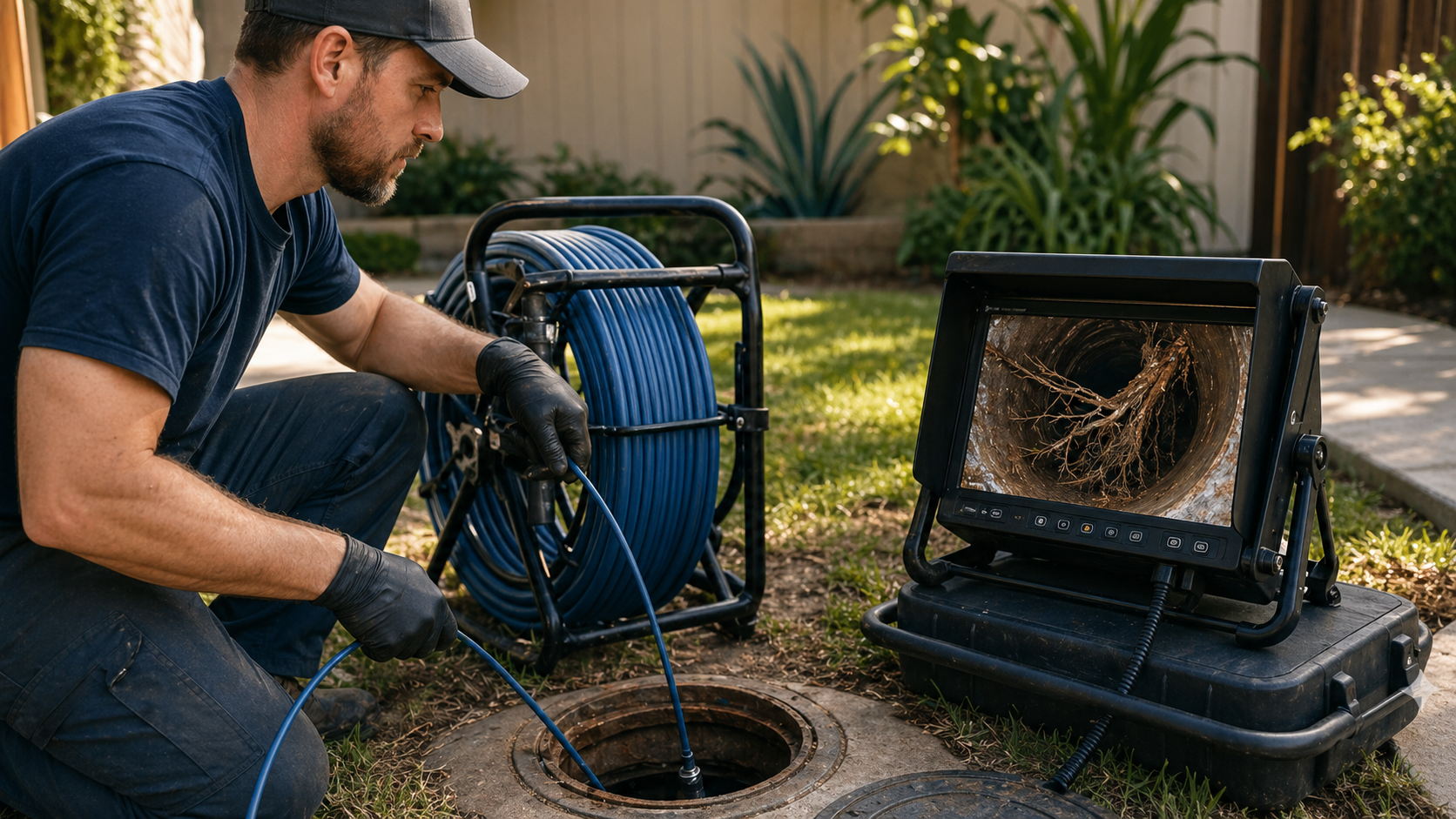
Explains how camera footage identifies root entry points and what the pattern looks like when roots are driving the repeat failure cycle.
Service Explainer
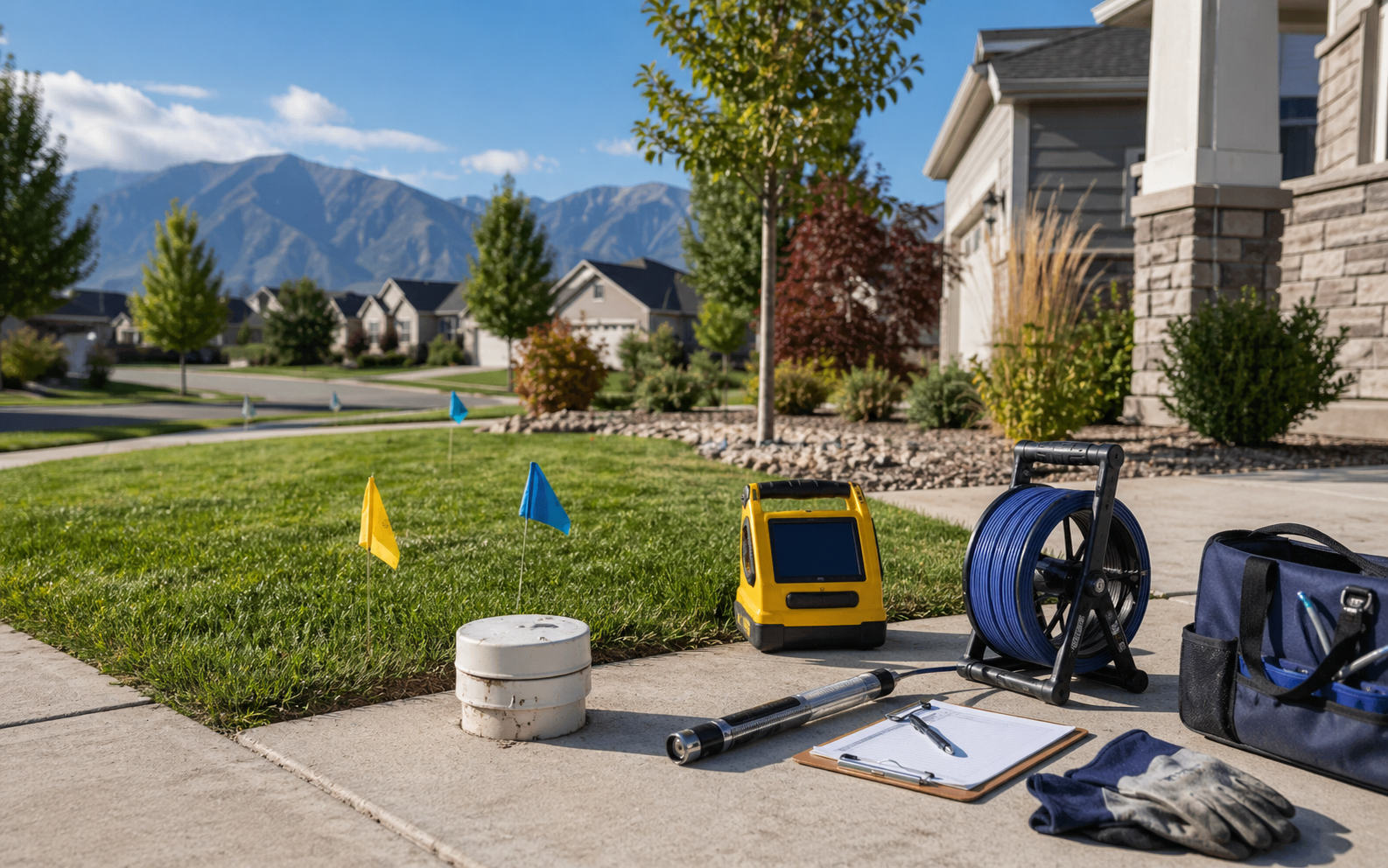
Walks through the repair process after camera footage has documented structural damage - useful if the inspection reveals a cause that cleaning alone cannot address.