Mountain West Jetting
Mountain West logoMountain West Hydro Jetting & Sewer Maintenance LLC

SEWER CLEANING

Sewer cleaning for recurring sewer buildup and flow problems where the line needs a heavier cleaning effort than a standard drain-side visit.

What you are seeing

Sewer Cleaning

The problem is not at one fixture. Multiple drains are slow, the basement smells like sewage, and the issue gets worse when the house is using water heavily - showers, laundry, and dishwasher running together. The symptoms point downstream, past the individual drains, into the sewer line that carries everything out of the building.

You do not need someone to clear one kitchen drain. You need the sewer line cleaned - the larger pipe that runs underneath the property and connects to the city system. That is where the buildup is sitting, and that is why every fixture above it is reacting.

When this service fits

The Problem Is In The Sewer Line

Sewer cleaning fits when the symptoms are clearly sewer-level - multiple fixtures affected, lower drains reacting first, sewage odor, or cleanout overflow - and the line needs cleaning to restore flow. The issue has moved past anything a branch drain visit would solve, but has not necessarily moved into repair territory.

This is the right starting point if you know the sewer line needs attention and you want the line cleaned and assessed in one visit. If the situation turns out to need jetting, maintenance, or structural evaluation, that determination comes from what the visit reveals - not from guessing before the truck arrives.

What you walk away with

A Clean Sewer Line And A Clear Picture

After the visit, the sewer lateral has been cleaned and the camera has documented the pipe condition. You know whether the cleaning resolved the problem, whether the line needs a maintenance schedule to stay ahead of future buildup, or whether the pipe has conditions that point toward repair.

You also know what was in the pipe - grease, sludge, roots, sediment, or scale - and how that relates to the symptoms you were seeing at the surface. That information determines whether this was a one-time cleaning or the start of a longer conversation about the line.

Problem

When Sewer Cleaning Starts To Make Sense

The sewer line sits below every drain in the house. It is the shared trunk that carries the combined output of every kitchen, bathroom, laundry, and floor drain to the city connection. When that trunk line accumulates buildup - grease hardening on the walls, sludge settling in low spots, roots filling joints, sediment coating the interior - the symptoms do not show up at one fixture. They show up everywhere, because every drain in the building feeds into the same restricted pipe.

The difference between a drain problem and a sewer problem is scope. A slow kitchen sink with no other symptoms is a drain problem - the blockage is in the branch line between the fixture and the main run. A slow kitchen sink plus a gurgling basement drain plus sewage odor near the cleanout is a sewer problem - the restriction is in the shared lateral downstream, and cleaning the kitchen branch would not change anything because the bottleneck is past it. Sewer cleaning is the service that targets the lateral itself. The visit assesses which portion of the sewer run is restricted, cleans it, and cameras the result to confirm what caused the buildup and whether the pipe is in condition to hold after cleaning.

  • How to tell whether the problem is in a branch drain or in the sewer lateral, and why that distinction determines which cleaning service actually fixes it
  • What a sewer cleaning visit includes - assessment, cleaning method, camera documentation, and post-cleaning recommendation
  • What types of buildup accumulate in sewer lines and how each one is addressed during the cleaning
  • When a single sewer cleaning visit resolves the issue and when the findings point toward a maintenance program, jetting, or repair

If every drain in the house is telling you the same story - slow, gurgling, smelling - the plot is in the sewer line. Cleaning the branch drains individually treats the narrators. Cleaning the sewer line addresses the actual story.

Solution

What A Sewer Cleaning Visit Does

The visit starts by confirming the problem is sewer-level. Which fixtures are affected? Do they react to each other? Is the lowest drain in the house the first to show symptoms? Is there odor or moisture near the cleanout? Those answers separate a branch drain issue from a sewer lateral issue - and if the symptoms are sewer-level, the cleaning scope focuses on the main run, not individual fixture lines.

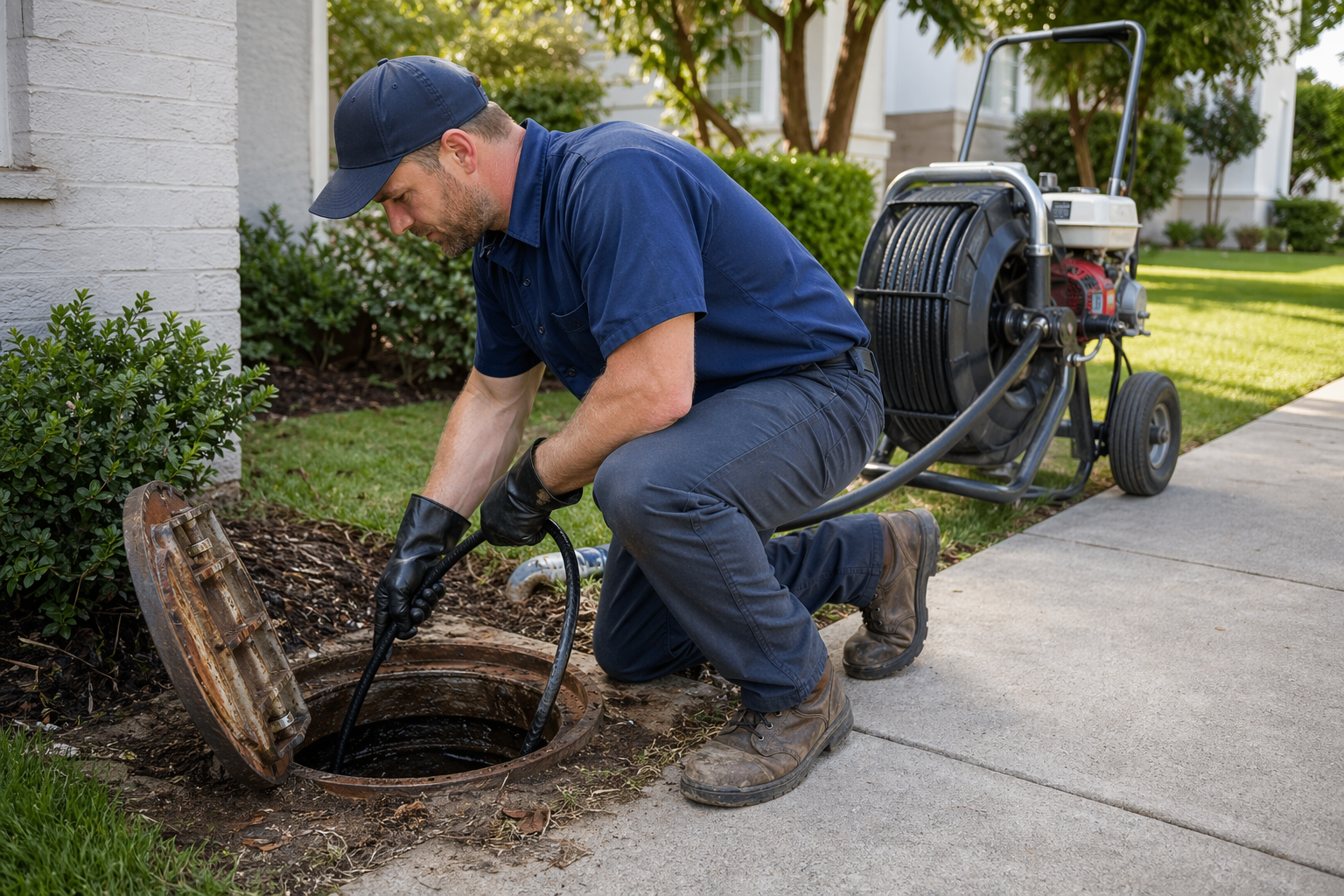
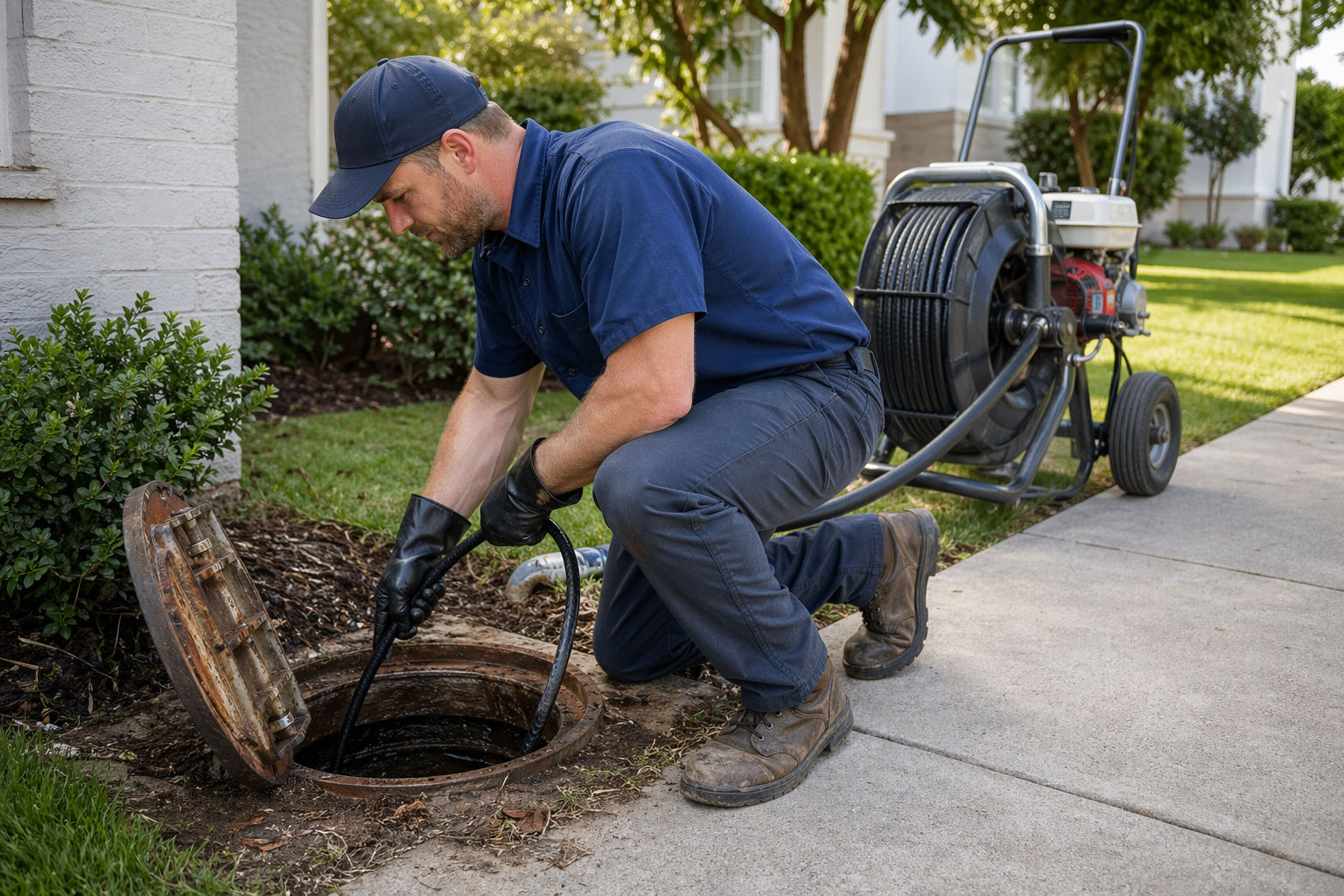
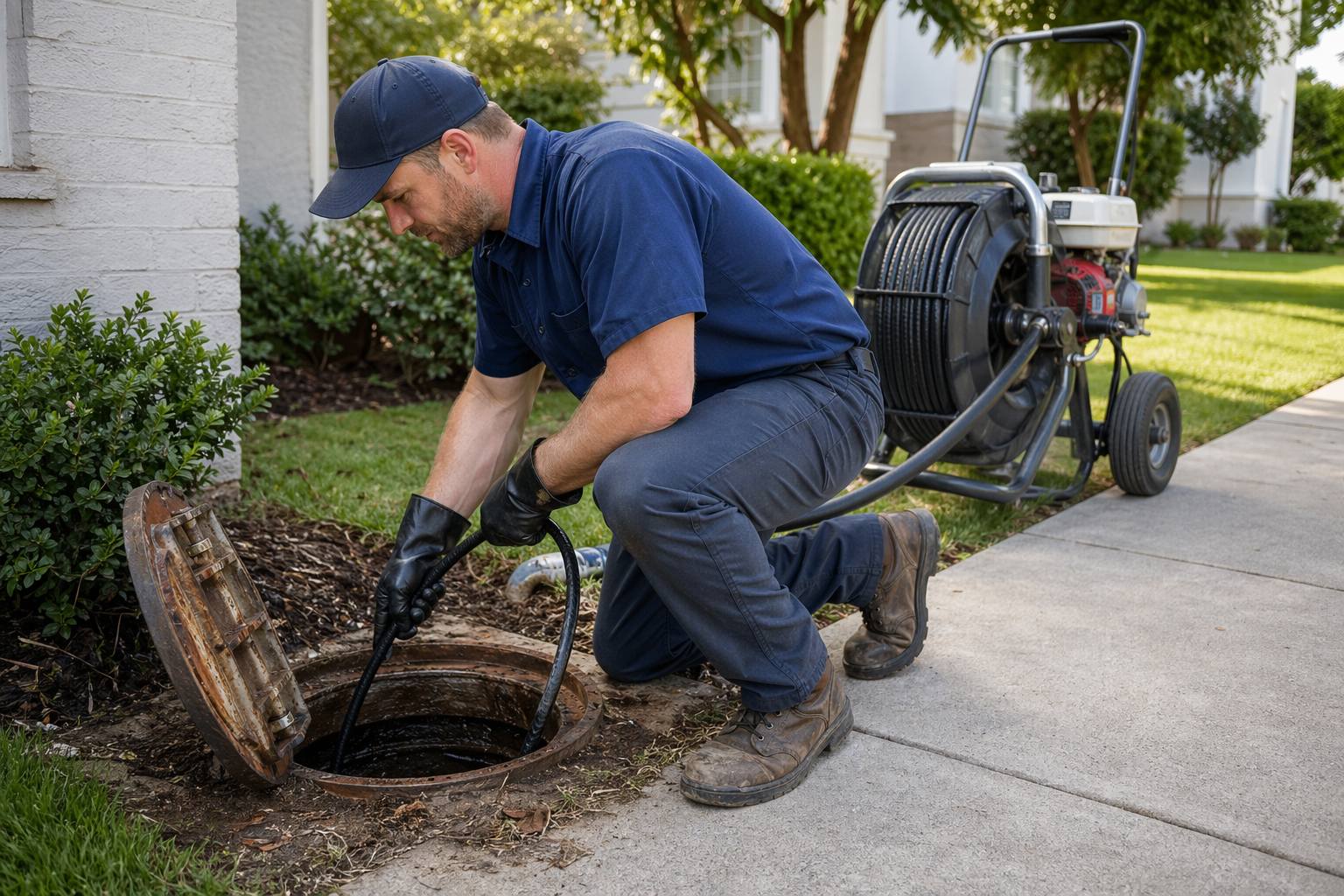
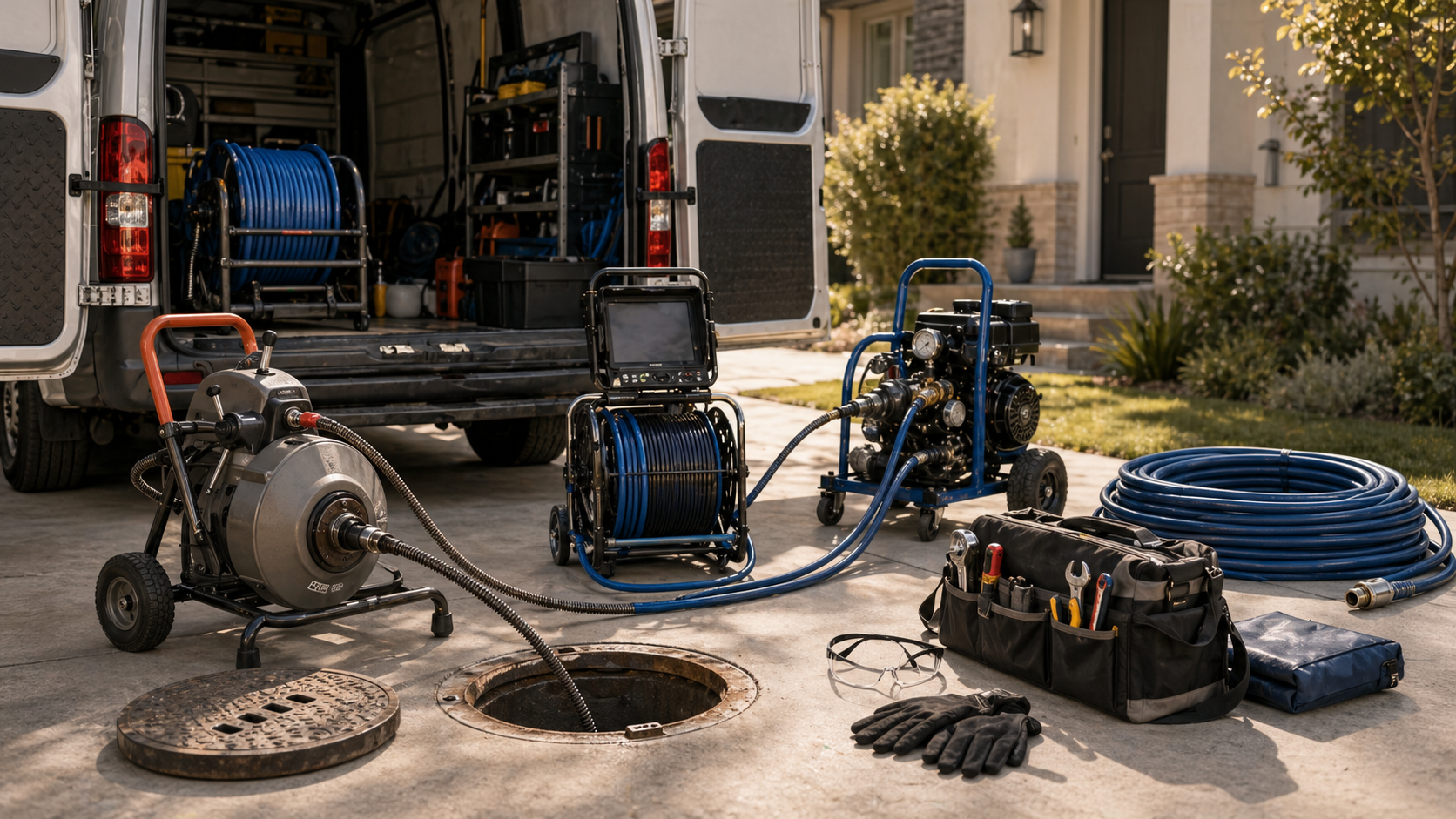
Once confirmed, the sewer lateral is cleaned through the cleanout. The cleaning method - cable, jetting, or a combination - is matched to what the line contains. Soft buildup and sludge may respond to cabling. Grease layers hardened against the pipe wall, root mass at joints, or heavy sediment accumulation require jetting at wall-contact pressure to strip the material from the pipe interior. The technician makes that call based on what the line produces at the cleanout and what the access conditions support.

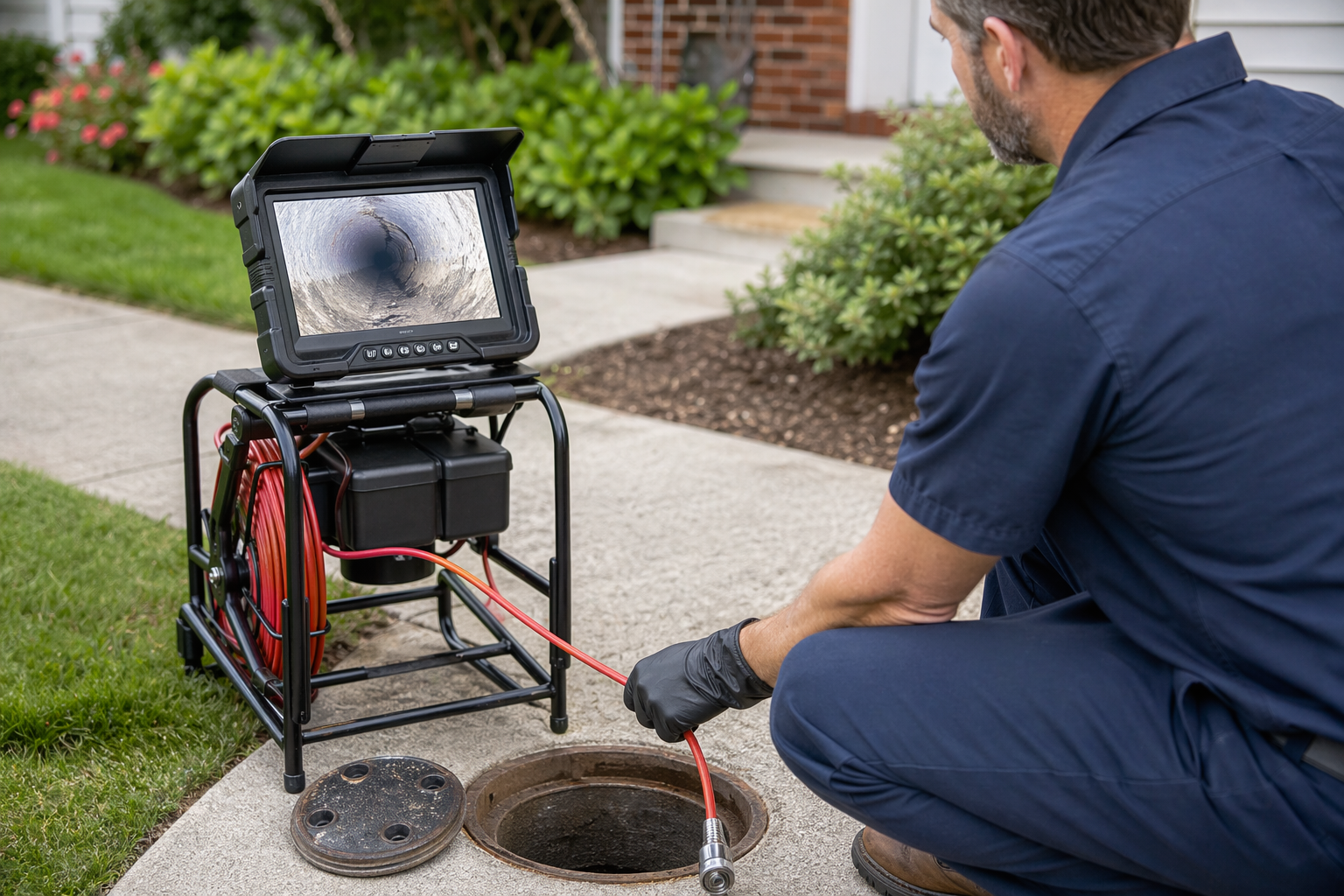
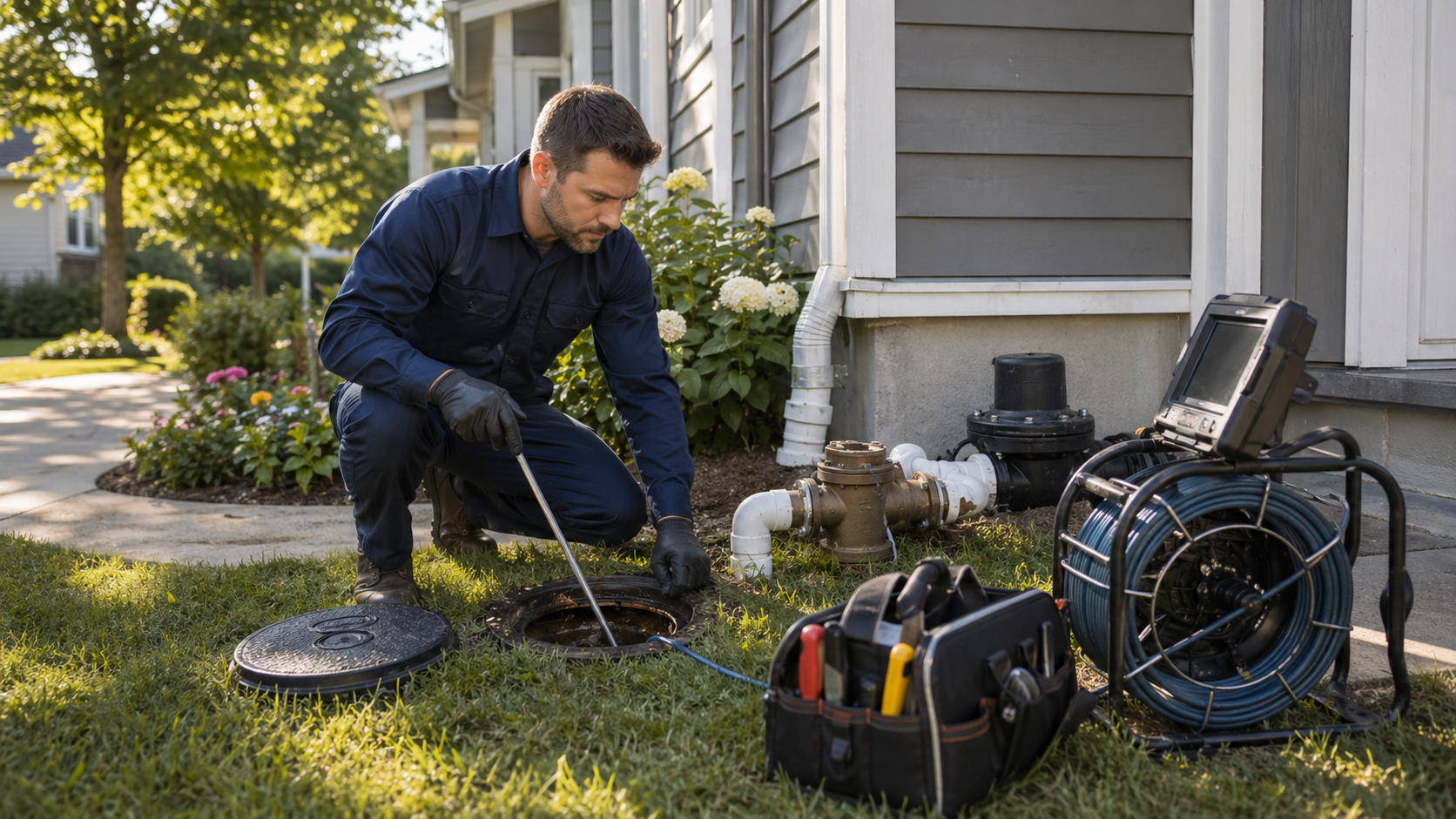
After cleaning, the camera documents the result. The footage shows what the pipe walls look like clean - intact sections, joint conditions, residual buildup that did not release, root entry points, and any structural issues that the buildup was masking. That footage is what separates a complete sewer cleaning from a blind clearing. You know what was in the pipe, what the pipe looks like without it, and whether the line is healthy, needs a maintenance cadence, or has a section that requires further attention.


Fit and situation bullets

  • Multiple fixtures across the house are slow, gurgling, or backing up - symptoms that trace to the shared sewer lateral downstream rather than any single branch line.
  • The sewer line has been cleared before but the problem returns because the prior service only opened a channel through the center without cleaning the pipe walls or documenting the cause.
  • You know the problem is in the sewer line and want the lateral cleaned and assessed in one visit - with a clear recommendation for whether anything else is needed after the cleaning.

Problem bullets

  • Sewage odor near the cleanout, at the lowest fixtures, or in the yard - a sign that the sewer lateral is restricted enough to trap gas and waste instead of carrying it cleanly to the connection.
  • The basement floor drain or ground-level toilet is the first fixture to back up during heavy use - indicating the sewer lateral downstream cannot handle peak flow because the interior is narrowed by buildup.
  • Multiple service calls have been made to clear individual drains without lasting results because the shared sewer run was the actual restriction each time and was never cleaned.
  • The sewer line produces dark, sludgy water at the cleanout when opened - visible evidence that the lateral is carrying accumulated buildup that standard drain cleaning does not reach.

Customer Feedback

Google Reviews From Local Sewer Cleaning And Maintenance Calls

Public Google Profile

See what customers say after a sewer cleaning — from the difference between clearing a symptom and actually cleaning the lateral to the camera-verified results showing the line's real condition.

Leave a Review!

Why Mountain West

What We Bring To The Job

Camera rated to 200 feet

Documents the sewer lateral after cleaning - up to 200 feet of pipe with live footage review - so you see what the pipe walls look like clean and whether the line has conditions that need monitoring or follow-up.

Jetting and camera on every call

Both deploy on every sewer cleaning visit. If the buildup requires jetting pressure to strip from the walls instead of cabling through the center, the equipment is already on the truck. If the camera reveals a condition that changes the recommendation, you know during the visit - not on a callback.

3,850 PSI jetting capability

When the buildup is bonded to the sewer walls - hardened grease, root mass, mineral scale, or compacted sludge - the line is cleaned at 3,850 PSI and 8 GPM across pipes 2 to 12 inches in diameter with 300 feet of reach. The pressure strips the material the cable would pass through.

20+ years combined field experience

Two decades of cleaning Northern Utah sewer laterals and knowing the difference between a line that needed one good cleaning and one that is going to need this conversation again in six months if a maintenance plan is not set.

Licensed and insured

Licensed for sewer, drain, and drainage system work - the classification that covers the sewer lateral scope, not a general plumbing label stretched to include it.

How Sewer Cleaning Works On Site

The visit is built around confirming the problem is sewer-level, cleaning the lateral, and documenting the result so the recommendation that follows is based on what the pipe shows - not what it showed before the cleaning.

  • Assess which fixtures are affected, whether the symptoms are sewer-level or branch-level, and where the cleanout provides access to the main lateral - then set the cleaning scope based on the confirmed failure pattern.
  • Clean the sewer lateral using the method matched to the buildup type - cabling for soft obstructions, jetting at wall-contact pressure for hardened grease, root mass, scale, or compacted sludge - and flush the debris out of the line.
  • Camera the cleaned sewer run to document what the pipe walls look like after the buildup is removed - intact sections, joint conditions, root entry points, residual deposits, and any structural findings - then explain whether the line is clear, needs a maintenance schedule, or has a condition that points toward follow-up inspection or repair.

You finish the visit with a clean sewer lateral, camera footage of the pipe condition, and a specific answer: the cleaning solved it, a maintenance cadence should be set to stay ahead of future buildup, or something in the pipe needs further attention that cleaning alone does not address.

Related Services Worth Reviewing

If the sewer cleaning visit reveals conditions that call for a more specific service - full-pressure jetting for heavy wall buildup, a prevention program for recurring risk, or camera inspection to evaluate structural damage - these are the services that typically follow.

Evidence

Sewer Line Cleaning Service page preview.Next Service RouteSewer Line Cleaning ServiceWhen the cleaning confirms the sewer lateral needs a dedicated, full-length service focused specifically on the main run - a more targeted scope than a general sewer cleaning that assessed both the drain side and the sewer side.Sewer Backup Prevention page preview.Next Service RouteSewer Backup PreventionWhen the cleaning resolves the current problem but the buildup pattern suggests a prevention program would keep the line ahead of the next failure - scheduled jetting with camera documentation at each visit to track the pipe over time.Sewer Camera Inspection page preview.Next Service RouteSewer Camera InspectionWhen the post-cleaning camera footage reveals structural conditions - cracks, root entry, offset joints, or a belly - that cleaning alone cannot fix, and the next decision is whether to repair, replace, or monitor the line.

What Affects Price And Timing

Scope and timing

  • How much of the sewer lateral needs cleaning - a targeted section near the confirmed restriction versus the full run from the cleanout to the city connection
  • What type of buildup is in the line - soft sludge that cables out versus hardened grease, root mass, or scale that requires jetting at wall-contact pressure
  • Whether the post-cleaning camera reveals conditions that expand the visit scope into repair consultation or maintenance planning
  • How accessible the cleanout is and whether locating or exposing it adds setup time before cleaning can begin
  • How heavy the buildup is and whether the cleaning requires multiple passes or a method escalation from cable to jetting
  • Whether the post-cleaning camera documentation and findings review add time to the visit

Cost

  • Total length of sewer line cleaned and whether the scope covers a targeted section or the full lateral
  • Cleaning method required - cabling prices differently than jetting because the equipment, time, and wall-contact pressure involved are different
  • Whether the visit stays with cleaning and camera documentation or the findings lead into a follow-up recommendation that adds scope

Support

Details That Help Before The Visit

Share these when you call

  1. Which fixtures are affected and whether they react to each other - the pattern helps confirm whether the problem is sewer-level or isolated to a branch line.
  2. How many times the sewer line or individual drains have been cleaned in the past year and how quickly the symptoms returned after each service.
  3. Where the cleanout is located and whether it is accessible - or if you are not sure where it is, let us know so the technician can locate it on arrival.
  4. Whether the property is residential or commercial, the approximate age of the home, and whether anyone has ever put a camera in the sewer line.

Quick Answers About Sewer Cleaning

These are the quick answers most people want before they call, book, or decide on the next step.

What does sewer cleaning solve?

Sewer cleaning removes buildup from the main sewer lateral - grease, sludge, root mass, sediment, and scale that has accumulated inside the pipe and is restricting flow across the entire property. The cleaning targets the shared trunk line that every drain in the building feeds into, which is why sewer-level problems affect multiple fixtures simultaneously and do not respond to individual branch drain cleaning.

Who needs sewer cleaning service the most?

Property owners with multiple slow or backing-up fixtures, sewage odor near the cleanout or lowest drains, and a drainage problem that gets worse during heavy water use. These symptoms indicate the sewer lateral - not an individual branch line - is restricted by accumulated buildup and needs direct cleaning at the source rather than fixture-by-fixture drain service.

How does a sewer cleaning service work?

The technician confirms the problem is sewer-level by assessing which fixtures are affected and how they react to each other. The sewer lateral is cleaned through the cleanout using the method matched to the buildup type - cable for soft obstructions, jetting for hardened wall deposits. After cleaning, a camera documents the pipe condition and the recommendation is based on what the footage shows.

What should I know before booking sewer cleaning?

Know which fixtures are affected and whether they react to each other during heavy use. If the line has been cleaned before, know how quickly the problem returned - that timing helps determine whether the visit needs to be a one-time cleaning or the starting point for a maintenance cadence. Have the cleanout location ready if known, and mention the approximate age of the property so the cleaning method can be matched to the likely pipe material.

Frequently Asked Questions About Sewer Cleaning