Mountain West Jetting
Mountain West logoMountain West Hydro Jetting & Sewer Maintenance LLC

WHEN DRAIN CLEANING STOPS WORKING: SIGNS YOU NEED SEWER LINE REPAIR

Blog Article

Story by Mountain West Hydro JettingPublished June 18, 2026Drain Cleaning Vs RepairServing Northern Utah and the Salt Lake corridor

When Drain Cleaning Stops Working: Signs You Need Sewer Line Repair

If the same drain keeps clogging after cleaning, the pipe may be the problem. How to tell when repeated drain cleaning means you need sewer camera inspection and sewer line repair.

Start Here

Drain cleaning is supposed to solve the problem. When it does — line opens, water flows, problem does not come back for a year or more — the cleaning worked and the pipe is doing its job. But when the same line clogs again in weeks or months, the cleaning did not fail. It did exactly what it was supposed to. The pipe just recreated the problem.

What This Article Helps You Do

  • Understand the difference between a drain that needs periodic cleaning and a pipe that is creating recurring blockages
  • Recognize the specific repeat patterns that point toward sewer line repair instead of more drain cleaning
  • Know when to stop the cleaning cycle and move to sewer camera inspection and repair planning

Quick Takeaway

If the same drain needs cleaning more than twice in a year and the relief period keeps getting shorter, the problem is almost certainly structural. The pipe is catching debris, growing roots back, or holding waste in a sag or break — and no amount of cleaning will fix that. The next step is a camera inspection to see what the pipe looks like inside.

The Warning Signs

Drain cleaning is supposed to solve the problem. When it does — line opens, water flows, problem does not come back for a year or more — the cleaning worked and the pipe is doing its job. But when the same line clogs again in weeks or months, the cleaning did not fail. It did exactly what it was supposed to. The pipe just recreated the problem.

That distinction is the entire point of this article. It walks through the specific patterns that separate normal maintenance from a pipe that needs sewer line repair, gives you real timelines and scenarios so you can gauge where your situation falls, and explains what happens when the answer is inspection and repair instead of another cleaning.

The Clues That Matter Most

How to Tell the Difference: Maintenance vs. Structural Problem Normal Maintenance Every sewer and drain line needs occasional cleaning over its lifetime. Grease builds up, mineral scale accumulates, and minor debris collects over time. A line that needs cleaning once every one to two years and stays clear between service calls is behaving normally. The cleaning removes buildup, the pipe is structurally sound, and the cycle resets.

Start with the normal pattern: wastewater should move away from the fixture, through the branch line, into the larger building drain or sewer lateral, and out toward the public or private collection system. Most confusion starts when one symptom is judged without locating where that pattern is breaking down.

For sewer line repair and replacement questions, the useful first step is separating a local fixture issue from a deeper line condition, because those two situations can look similar at the surface but lead to different next steps.

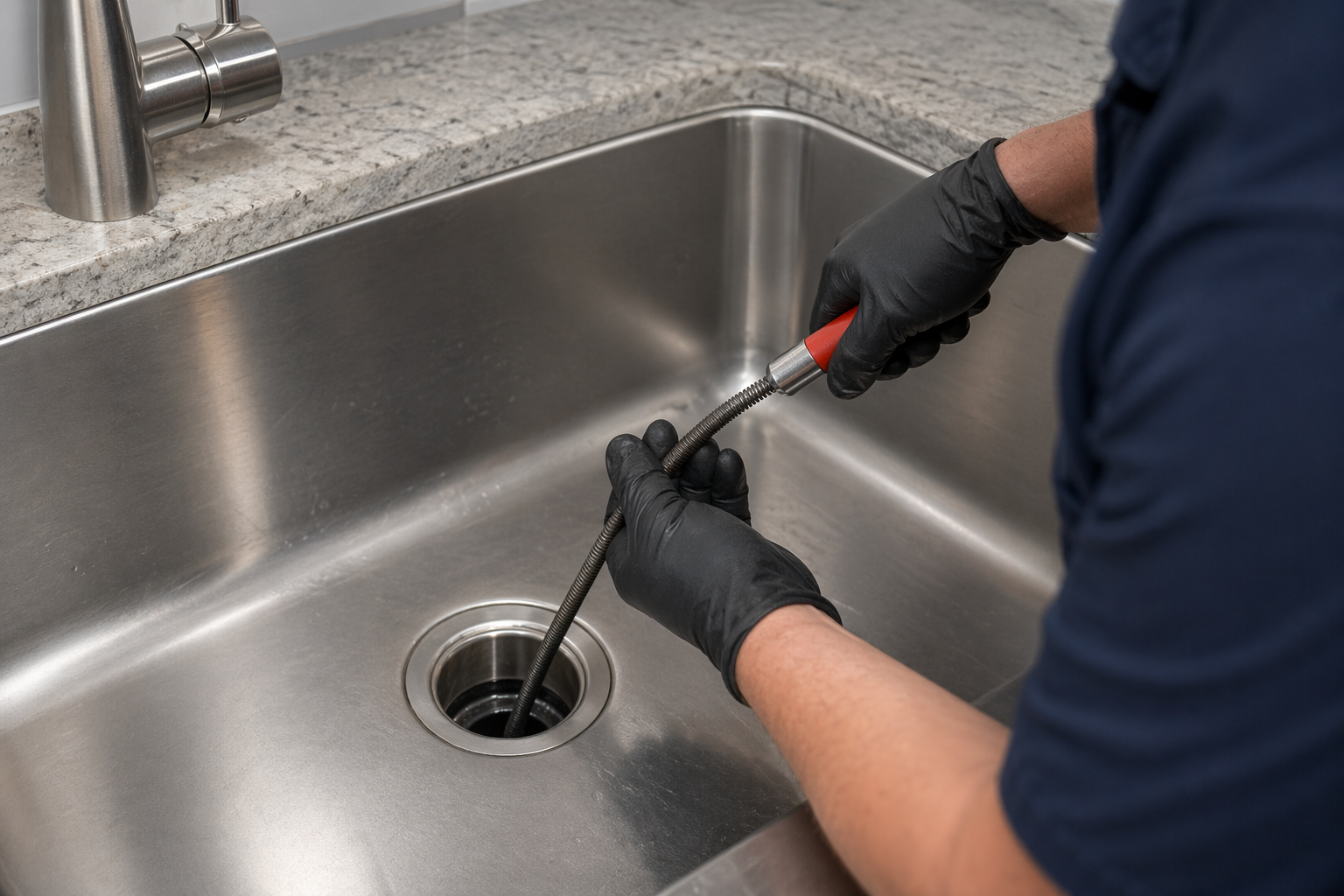
  1. What it looks like: You call for drain cleaning, the line opens, the problem goes away, and you do not think about it again for 12 to 24 months.
  2. The Warning Zone The line needs cleaning more frequently than it used to. What was once an annual or biannual issue is now happening every 6 to 8 months. The cleaning still works — the line opens and flows — but the relief does not last as long. Something in the pipe is accelerating the buildup cycle.
  3. What it looks like: You notice you are calling for the same drain more often. Each time the technician clears it successfully, but you are starting to wonder why it keeps coming back.
  4. What is usually happening: A root mass is growing back into the line through an opening that cleaning cannot close. Or a joint has shifted and is catching debris in the same spot. Or the pipe has developed a minor belly where waste pools and rebuilds. The pipe is still functional, but it has a vulnerability that cleaning treats temporarily.
  5. The Repair Signal The line needs cleaning every 2 to 4 months or less. The relief period after each cleaning is getting shorter — what used to last 6 months now lasts 8 weeks. Multiple fixtures are involved. The problem has spread from one drain to the main line. Cleaning still opens the line, but it is no longer solving anything — it is just resetting a countdown.
  6. What it looks like: You are calling for the same problem on a cycle you can almost predict. The technician clears it, you know it will be back, and you are starting to calculate whether it is cheaper to keep cleaning or to fix it permanently.

How To Read The Pattern More Clearly

What is usually happening: The pipe has a structural defect — a crack, a collapsed section, a significant root intrusion point, a belly that holds waste, or offset joints that catch everything that passes through. Cleaning removes the symptom each time, but the pipe recreates it immediately because the defect is still there.

The goal is to move from guesswork to evidence. Good decisions usually come from the same sequence: define the symptom, locate the likely part of the system, check whether the issue is repeating, and decide whether cleaning, inspection, jetting, or repair planning fits.

That sequence keeps the article useful before any service conversation happens. It helps readers ask better questions and makes it harder for a vague diagnosis to sound more certain than it really is.

  1. What Causes a Pipe to Keep Clogging After Cleaning Root Intrusion Roots enter through cracks, joint gaps, or pipe defects and grow inside the line. Cleaning cuts the roots back, but the opening remains. Roots regrow through the same entry point — often faster each time because the root system is already established. A line that needs root cleaning more than once a year has a significant entry point that repair can close permanently.
  2. Pipe Belly or Sag A belly is a low point in the pipe where it has sagged due to soil movement, settling, or improper bedding. Waste and water pool in the belly instead of flowing through. Debris accumulates, grease settles, and the low point becomes a recurring blockage site. Cleaning flushes the belly temporarily, but gravity and the sag bring the problem back. The only permanent fix is replacing or relining the sagged section.
  3. Offset Joints An offset joint is where two sections of pipe have shifted out of alignment. The lip created by the offset catches toilet paper, grease, roots, and debris passing through the line. Every cleaning clears the caught material, but the offset remains and starts collecting again immediately. Offset joints are common in older clay and cast iron lines across Northern Utah where soil movement has shifted the pipe over decades.
  4. Cracks and Fractures A cracked pipe wall lets soil, roots, and groundwater into the line while also creating a rough interior surface that catches debris. Cleaning removes the buildup but cannot seal the crack. If the crack is significant, each cleaning cycle may actually worsen it slightly by moving debris across the fracture point under pressure.
  5. Partial Collapse A section of pipe that has partially collapsed restricts flow and catches everything that passes through the narrowed opening. Cleaning can push material past the collapse temporarily, but the restriction remains. Partial collapse is common in older Orangeburg and deteriorating cast iron lines and almost always requires replacement of the affected section.

Details That Make The Pattern Clearer

Keep cleaning if: The line needs service once a year or less, the relief lasts 12+ months, only one fixture is affected, and the problem has not changed or worsened over time.

Small details often change the interpretation. Which fixture backed up first, whether more than one drain is affected, whether the problem returned after clearing, and whether there is odor or standing water all matter.

Use these notes to describe the issue clearly. A good description is often the difference between booking a narrow cleaning visit and starting with inspection or a broader sewer conversation.

  1. Get a camera inspection if: The line needs cleaning twice in a year, the relief period is getting shorter, more than one fixture is involved, the technician has mentioned roots or rough pipe condition on prior visits, or the same line has been cleaned three or more times total without a camera inspection ever being done.
  2. Move to repair planning if: Camera inspection has confirmed a structural defect — cracks, offset joints, belly, root intrusion through a damaged section, or partial collapse. The pipe is creating the problem, and the only way to stop the cycle is to fix the pipe.
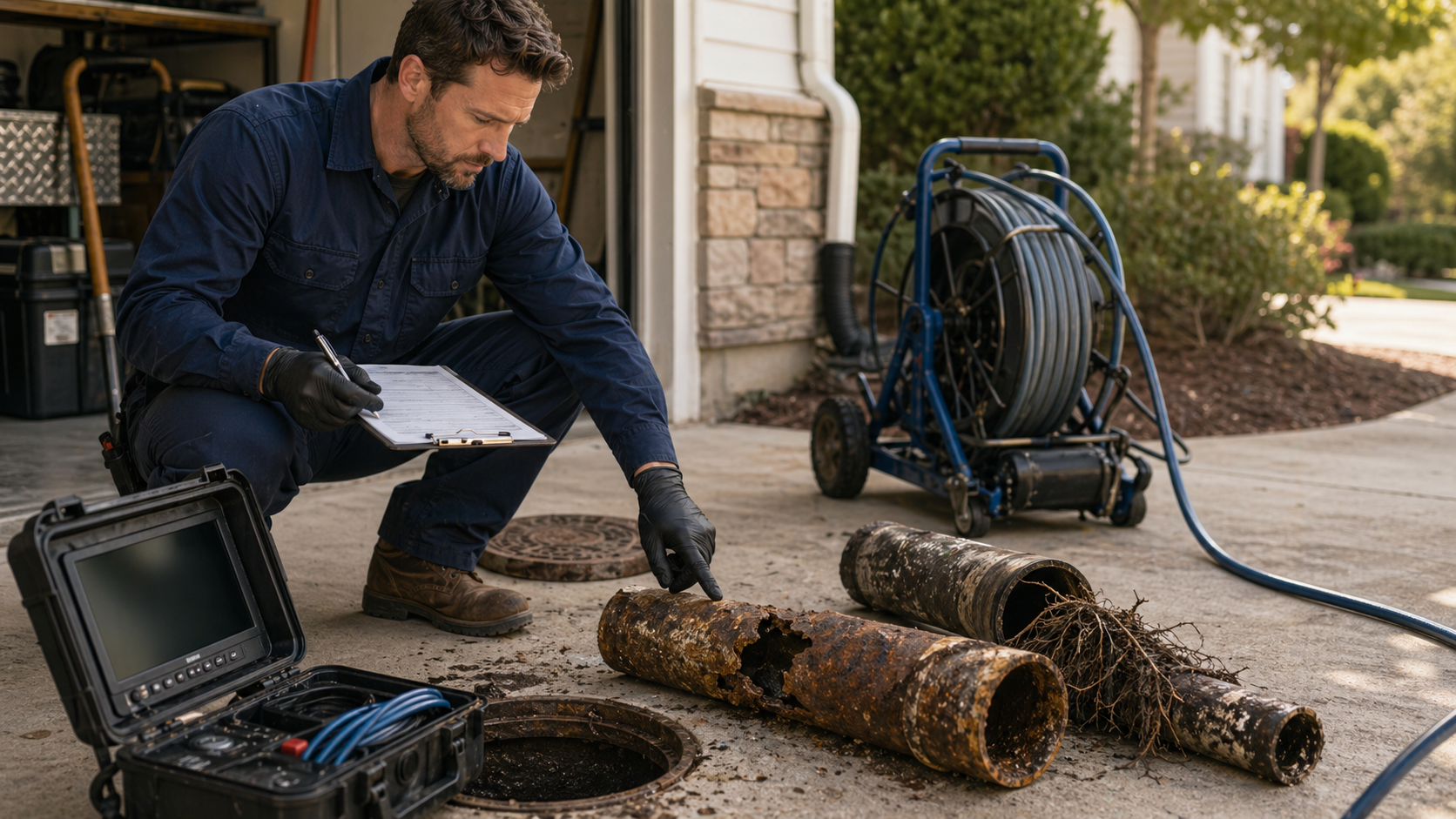
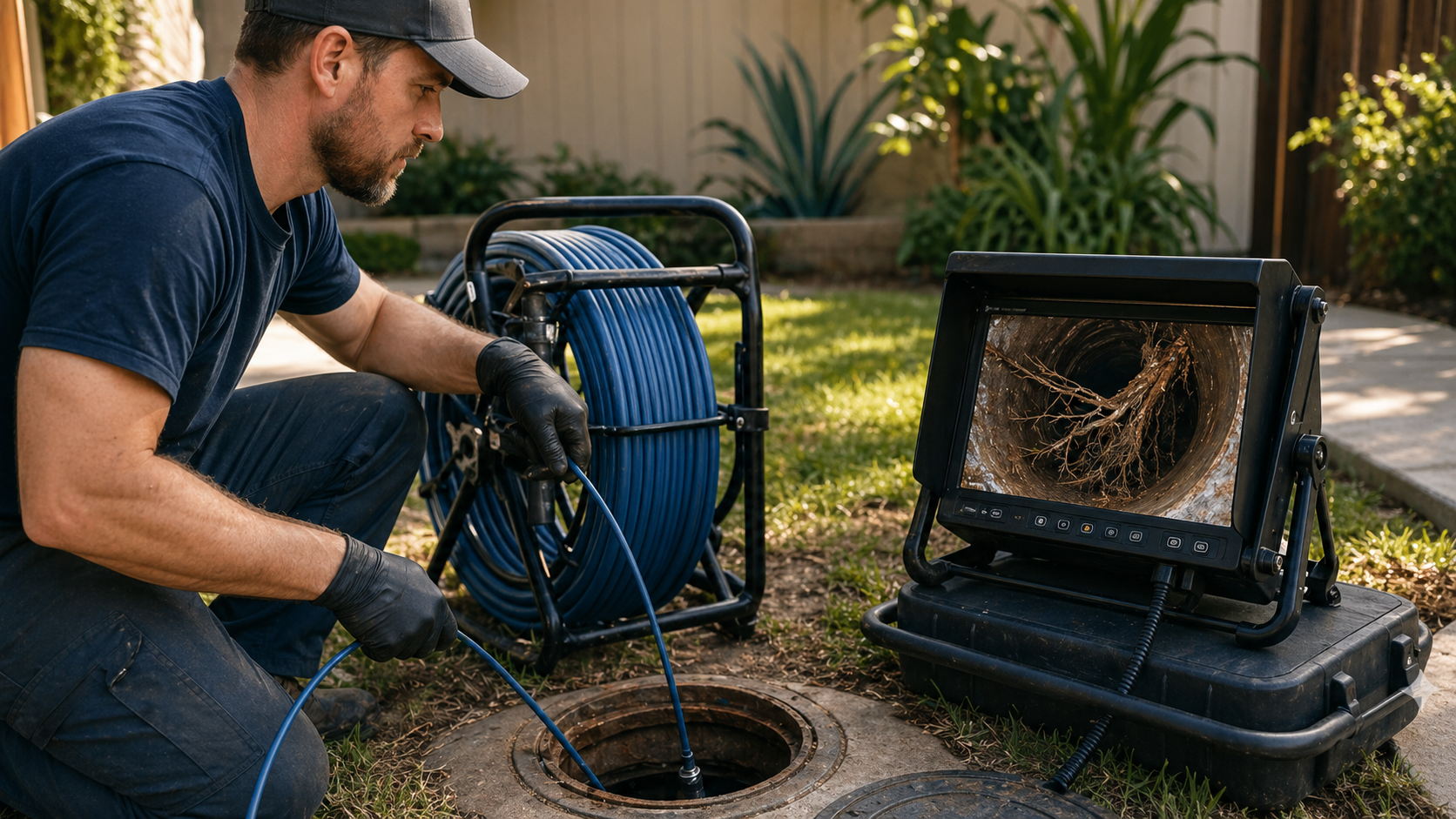
  3. What a Camera Inspection Shows That Cleaning Cannot Drain cleaning tells you the line is blocked. A sewer camera inspection tells you why.
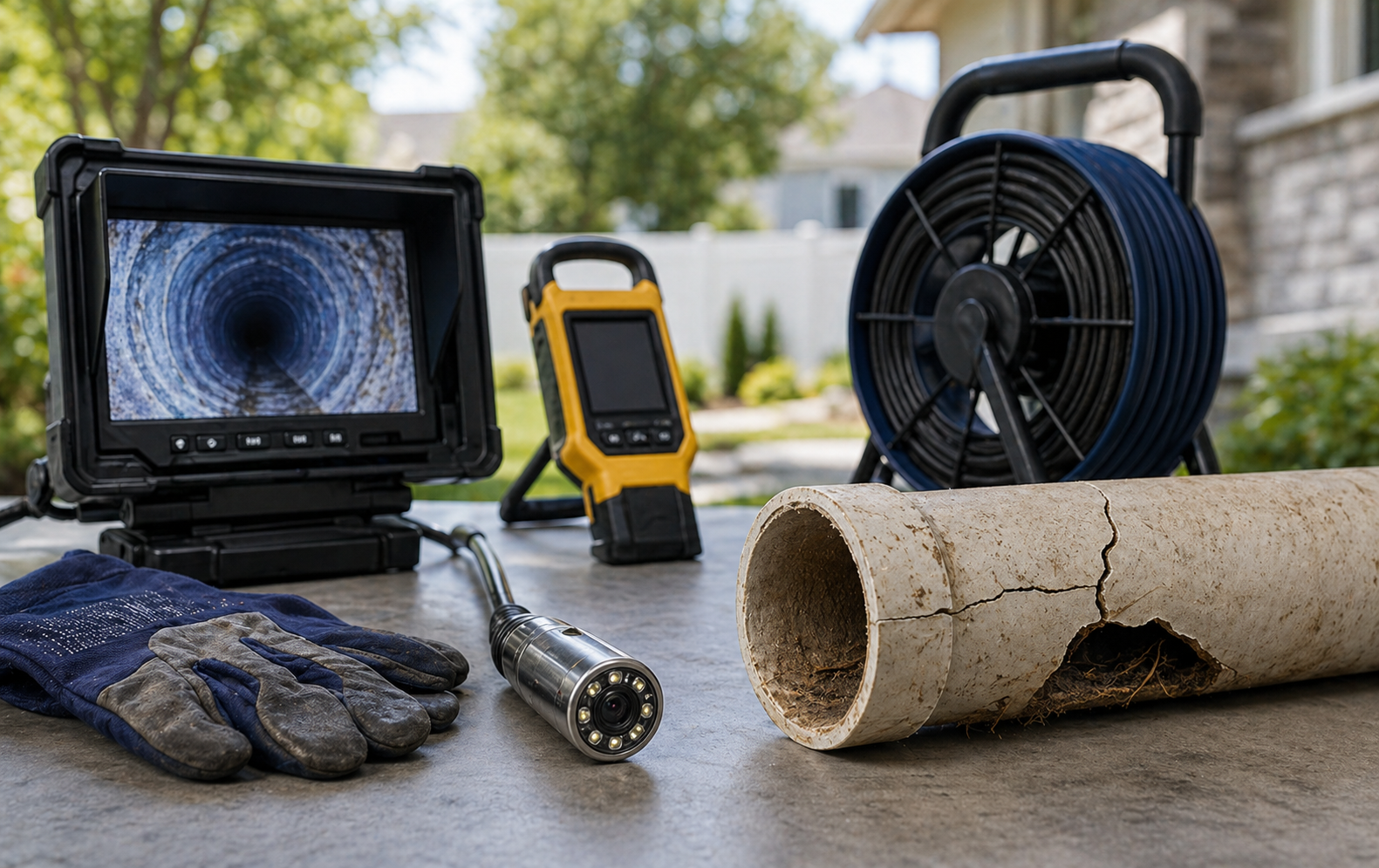
  4. The camera shows the interior condition of the pipe — the material, the wall thickness, the joint condition, and whether there are cracks, offsets, bellies, root entry points, or collapsed sections. It shows the exact location of the defect and how far it extends. With that footage, the conversation changes from "should we clean it again" to "here is what is wrong and here is what fixes it."
  5. Our camera equipment scopes up to 200 feet with live footage review. We walk you through the findings on screen so you see what we see before anyone discusses repair options.

How We Usually Look At It

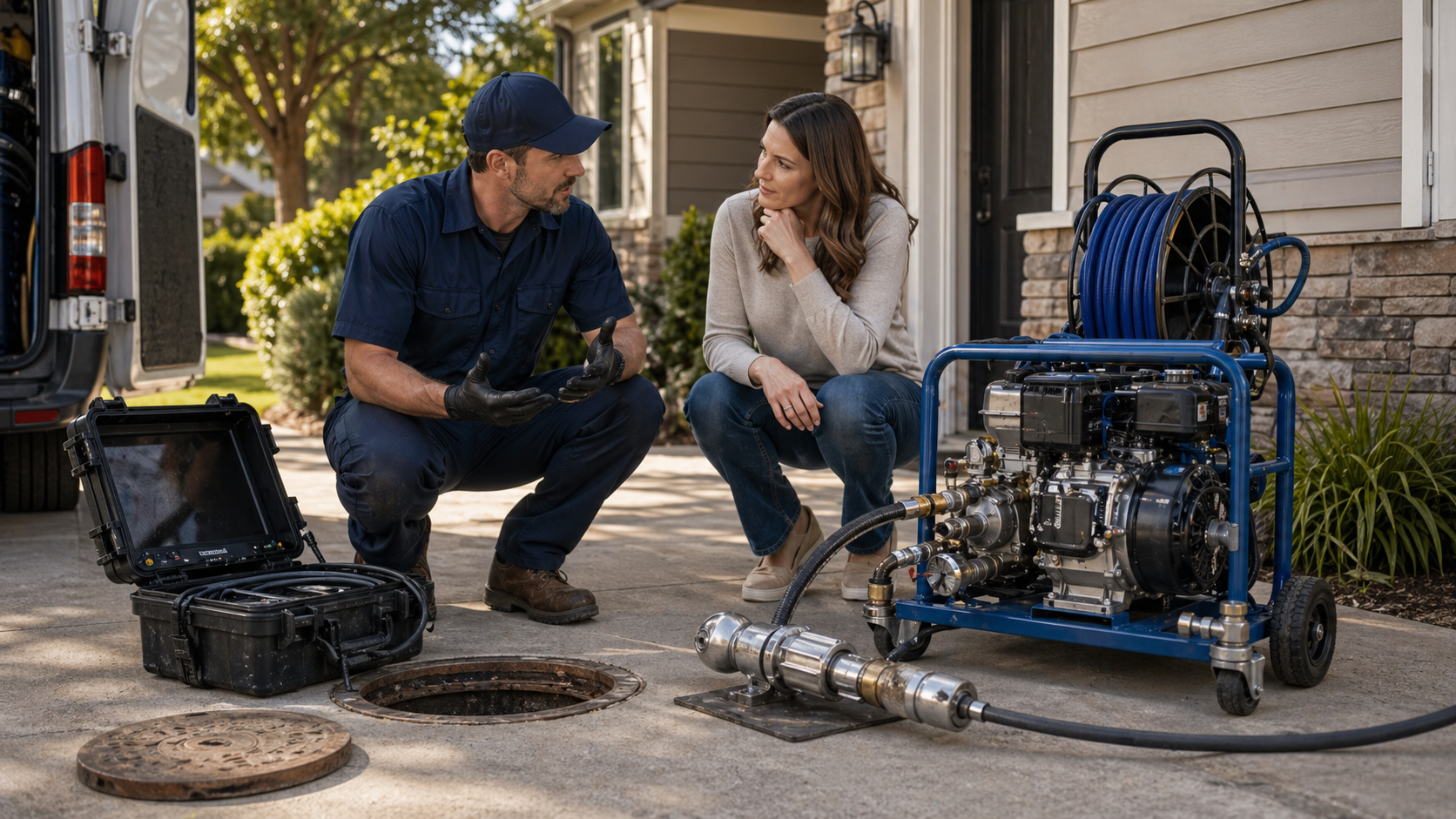
When you call and tell us the same drain keeps clogging, the first thing we ask is how many times it has been cleaned, how long the relief lasts, and whether anyone has ever run a camera. That history tells us whether this is a cleaning visit or an inspection visit.

This is where the article connects back to real service work. The point is not to turn every concern into the biggest possible job; it is to match the symptom pattern to the least confusing next step that can actually answer the question.

Tying the topic back to sewer line repair and replacement keeps the advice grounded. The work should explain what was found, what is still uncertain, and why the recommended next step fits the evidence.

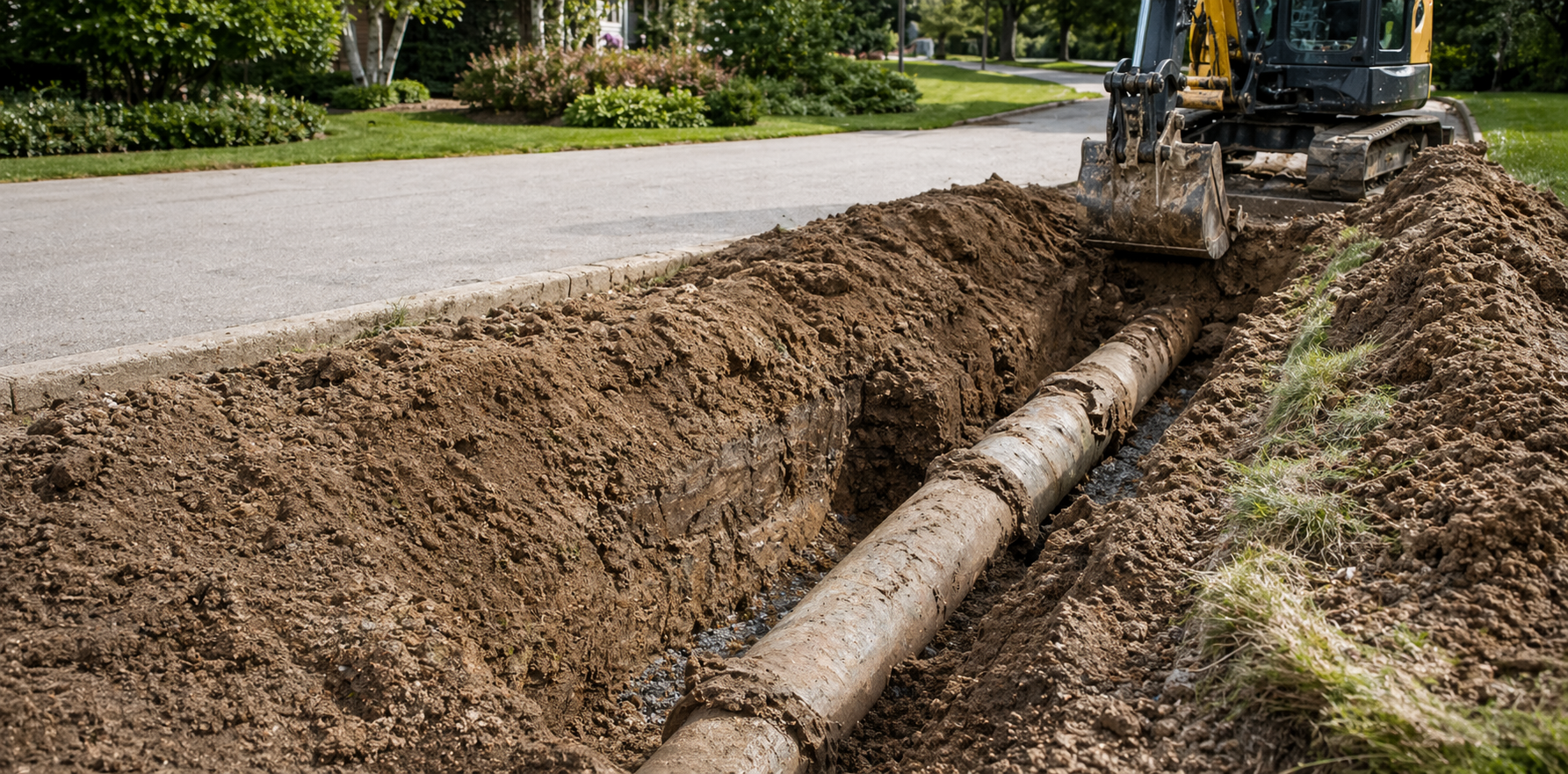
  1. If the line has not been inspected, we start there — clear the line if needed so the camera can see, then run the camera and show you the footage. If the pipe is sound, we tell you it is a maintenance issue and set an appropriate cleaning interval. If the pipe has a structural defect, we show you exactly what it is, explain the repair options — spot repair, section replacement, trenchless, or excavation — and let you decide.
  2. The goal is to end the repeat cycle, not restart it.
  3. 801-317-8104 | [email protected]

Questions That Usually Follow

These questions help turn warning signs into a pattern. One symptom can be misleading; repeated symptoms, multiple fixtures, odor, or active backup usually deserve a calmer but broader look.

For the warning signs questions, the useful follow-ups are about what the signs suggest, what they do not prove yet, and when the pattern points beyond an isolated drain problem.

How many times is too many for repeated drain cleaning?

There is no single number, but the pattern matters more than the count. A line that needs cleaning once a year and holds steady is maintenance. A line that needs cleaning every few months with a shrinking relief window is a repair signal. Two cleanings in 12 months on the same line is enough to justify a camera inspection to find out why.

Can a damaged sewer line still seem like a drain cleaning problem at first?

Yes. Most structural sewer defects first appear as recurring clogs. The line opens with cleaning, the homeowner assumes the problem is solved, and the cycle repeats. The defect only becomes obvious when someone asks why the cleaning is not lasting — and runs a camera to find out.

Should I stop cleaning if I think I need repair?

Not necessarily. If the line is actively backing up, cleaning it to restore flow is still the right first move. But if the line has been cleaned multiple times and the problem keeps returning, the next cleaning should include a camera inspection so the conversation can shift from temporary relief to permanent repair.

How much does it cost to keep cleaning vs. repair the line?

It depends on the defect, but the math usually tips toward repair faster than homeowners expect. If you are paying for drain cleaning three to four times a year on the same line, the annual cost of cleaning may approach or exceed the cost of a one-time spot repair. A camera inspection gives you the information to make that comparison with real numbers.

What if the camera shows the pipe is fine?

Then the problem is buildup-based, not structural — and that is good news. It means the pipe is sound and cleaning is the right answer. We set an appropriate maintenance interval based on what the camera showed about buildup type and location, and you schedule accordingly instead of waiting for the next emergency. Quick Answers

Who is this article best for?

Homeowners in Northern Utah who have had the same drain or sewer line cleaned multiple times and are wondering whether they should keep cleaning it or whether the pipe itself needs repair. Especially useful if the relief period after each cleaning is getting shorter.

What should I do after reading this article?

If your line has been cleaned two or more times in the past year, the next step is a sewer camera inspection to see whether the pipe has a structural defect causing the repeat problem. Call us at 801-317-8104 to describe what is happening and we will tell you whether inspection is the right starting point.

How can I reach Mountain West?

Mountain West Hydro Jetting serves Northern Utah and the Salt Lake corridor. Call 801-317-8104 or email [email protected].

Read This Next

These articles stay close to the same decision without repeating this one. Use them when the symptoms, timing, or service path points in a slightly different direction.

Source Log

These sources were used for background, claim checking, or local context. The article explains the topic in Mountain West's own words and does not copy outside article structure or long passages.

U.S. Environmental Protection Agencyparaphrased

Sanitary Sewer Overflows (SSOs)

Supports: Sanitary sewer overflows can back up into buildings, damage property, and create public-health concerns; sewer systems carry domestic and commercial wastewater to treatment facilities.

U.S. Environmental Protection Agencyparaphrased

Sanitary Sewer Overflow Frequent Questions

Supports: Common sewer blockage contributors include fats, oils and grease, wipes and other non-flushable products, roots entering defects, sediment, and other materials.

Ogden Cityparaphrased

Sewer Utility Information

Supports: Local Utah utility guidance can make the private-lateral responsibility clear: property owners may be responsible for maintenance and repair from the home to the city main, including tap connection, depending on jurisdiction.

Manual review note: Local ownership rules vary by city and utility. Treat this as regional context, not legal advice for every property.

Clinton City, Utahparaphrased

Sewer

Supports: Local sewer maintenance programs may remove roots, grease, and debris from public lines; bubbling, gurgling, or odors can also relate to venting and sewer-maintenance conditions.

Manual review note: Use as regional public-utility context only; it does not prove the cause of a private-property problem.

Utah Department of Environmental Qualitybackground

Wastewater Programs

Supports: Utah wastewater programs cover municipal wastewater planning, onsite wastewater systems, operating permits, and related design requirements, reinforcing that drain and sewer issues connect to regulated infrastructure.

Related Next Steps

Next StepSewer Line Repair And ReplacementGo here if the warning signs points toward structural sewer repair instead of another cleaning-only visit.Next StepDrain CleaningCompare whether a simpler clearing path still fits after reading about the warning signs.Next StepGet A Free QuoteStart a free quote if you want service-fit or pricing guidance after this article.Next StepRead BlogCompare adjacent articles around the warning signs before you choose the next path.

More for You

Follow-up blog articles chosen for this page so the next question stays close to the same decision path.

Sewer Line Repair: What the Job Involves and What Drives the Cost article image for Sewer Line Repair And Replacement.Blog ArticleSewer Line Repair: What the Job Involves and What Drives the CostRead this next for another sewer line repair and replacement angle that builds on this article.Sewer Line Repair: Warning Signs Your Pipe Needs More Than Cleaning article image for Sewer Line Repair And Replacement.Blog ArticleSewer Line Repair: Warning Signs Your Pipe Needs More Than CleaningRead this next for another sewer line repair and replacement angle that builds on this article.Sewer Line Repair Near Me: What to Expect From Start to Finish article image for Sewer Line Repair And Replacement.Blog ArticleSewer Line Repair Near Me: What to Expect From Start to FinishRead this next for another sewer line repair and replacement angle that builds on this article.Sewer Line Repair vs. Sewer Line Replacement: How to Decide Based on What the Camera Shows article image for Sewer Line Repair And Replacement.Blog ArticleSewer Line Repair vs. Sewer Line Replacement: How to Decide Based on What the Camera ShowsRead this next for another sewer line repair and replacement angle that builds on this article.

Quick Answers About When Drain Cleaning Stops Working: Signs You Need Sewer Line Repair

These are the quick answers most people want before they call, book, or decide on the next step.

What is this article about?

If the same drain keeps clogging after cleaning, the pipe may be the problem. How to tell when repeated drain cleaning means you need sewer camera inspection and sewer line repair. It connects the topic back to sewer line repair and replacement when readers are trying to decide on the right next move.

Who is this article best for?

Drain cleaning is supposed to solve the problem. When it does — line opens, water flows, problem does not come back for a year or more — the cleaning worked and the pipe is doing its job. But when the same line clogs again in weeks or months, the cleaning did not fail. It did exactly what it was supposed to. The pipe just recreated the problem. It is most useful for readers trying to understand the issue before they book, compare services, or decide whether the symptoms point to a bigger sewer or drain problem.

What should I do after reading this article?

If the issue sounds familiar, the usual next step is to review the sewer line repair and replacement page or compare it with drain cleaning before deciding whether to request a quote, book service, or call for faster guidance.

How can I reach Mountain West?

Mountain West Hydro Jetting serves Northern Utah and the Salt Lake corridor. You can reach us at 801-317-8104 or [email protected].