Mountain West Jetting
Mountain West logoMountain West Hydro Jetting & Sewer Maintenance LLC

HYDRO JETTING NEAR ME: WHEN IS IT WORTH THE COST?

Blog Article

Story by Mountain West Hydro JettingPublished June 18, 2026Hydro Jetting Cost FitServing Northern Utah and the Salt Lake corridor

Hydro Jetting Near Me: When Is It Worth the Cost?

Hydro jetting near me is one of the highest-searched terms for sewer and drain service in Northern Utah. Most homeowners searching it have already had a drain cleared at least once and are trying to figure out whether the higher-cost option is worth it. This article gives you the decision framework: five scenarios where jetting pays for itself, three where it does not, a side-by-side with snaking, and what the price actually depends on.

Start Here

You may have been quoted $1,500 to $4,000 for hydro jetting. That range is real — and it is why most homeowners hesitate. Snaking is cheaper upfront, and if you have only had one clog, it is usually enough.

What This Article Helps You Do

  • Decide whether your situation makes hydro jetting the right investment or the wrong one
  • Compare what snaking leaves behind versus what jetting removes
  • Understand the four factors that change a hydro jetting near me quote
  • Know what to expect during a jetting visit — equipment, timeline, and what you walk away with

Quick Takeaway

Hydro jetting is worth the cost when the problem is buildup that snaking cannot fully remove — grease, root fragments, scale, or sludge coating the pipe walls. It is not worth the cost when the pipe is structurally compromised, the clog is a one-time foreign object, or no one has looked inside the line with a camera first. One jetting visit that cleans the full pipe interior usually outlasts multiple snaking visits that only punch a hole through the blockage.

When Hydro Jetting Feels Worth It

You may have been quoted $1,500 to $4,000 for hydro jetting. That range is real — and it is why most homeowners hesitate. Snaking is cheaper upfront, and if you have only had one clog, it is usually enough.

But "cheaper upfront" and "cheaper overall" are not the same thing. The question is not whether jetting costs more per visit. It does. The question is whether one jetting visit solves what three or four snaking visits have not.

What Changes The Number

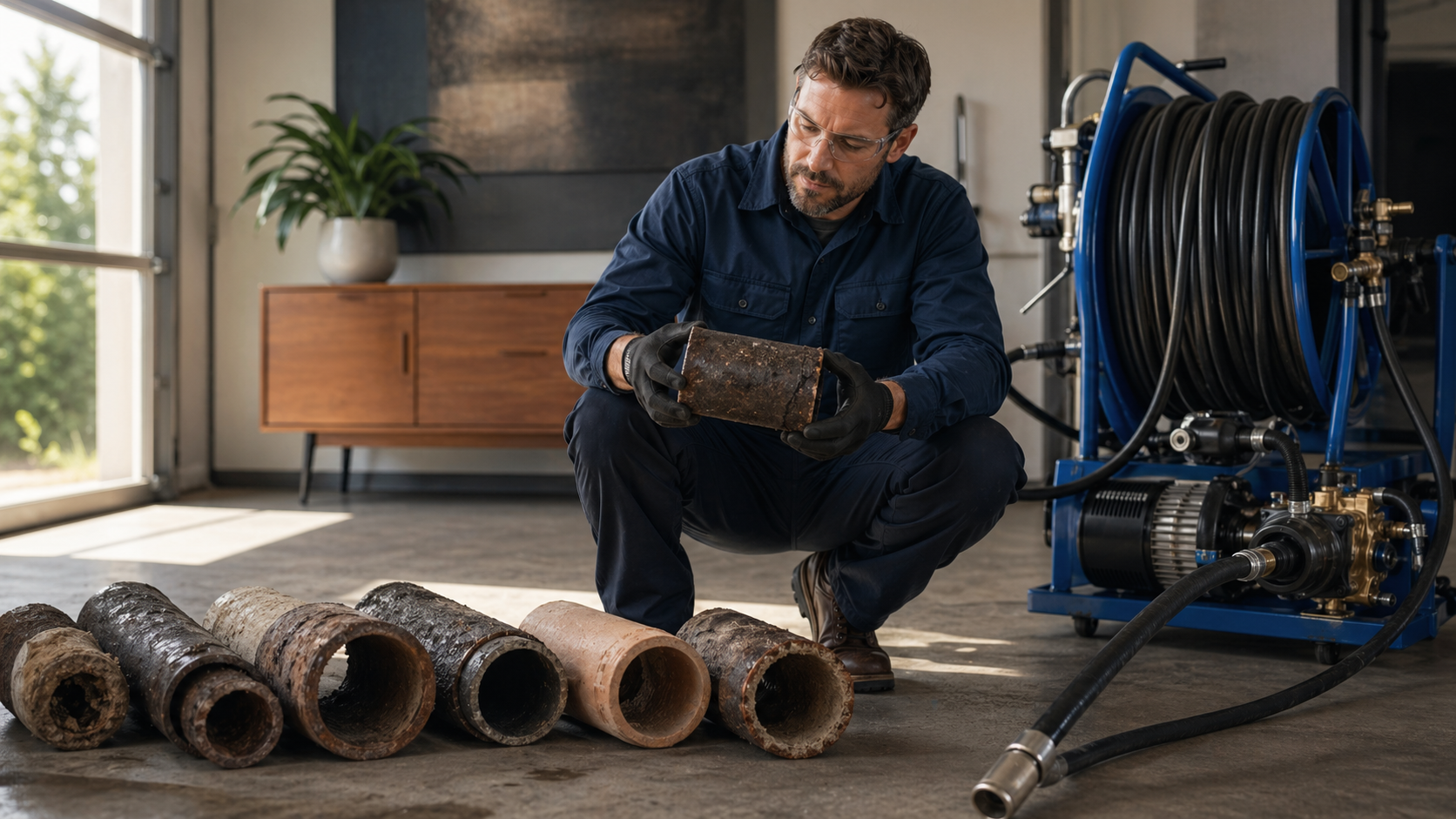
1. The Same Line Keeps Clogging You have had the line snaked two or more times in the past 18 months and the clog keeps returning. This is the single strongest indicator that jetting is the right move. A snake punches a path through the blockage, but it leaves grease, root fragments, and scale coating the pipe walls. That residue rebuilds the clog. Jetting at 3,850 PSI scours the full interior of the pipe — 360 degrees — and removes what snaking leaves behind.

Start with the normal pattern: wastewater should move away from the fixture, through the branch line, into the larger building drain or sewer lateral, and out toward the public or private collection system. Most confusion starts when one symptom is judged without locating where that pattern is breaking down.

For hydro jetting near me questions, the useful first step is separating a local fixture issue from a deeper line condition, because those two situations can look similar at the surface but lead to different next steps.

  1. The math: If you are paying for a snake visit every 4 to 6 months, you will spend as much or more over 18 months as a single jetting visit that holds the line clear for 12 to 24 months. That is the breakeven.
  2. 2. Grease Buildup Is the Problem Grease coats pipe walls and hardens over time. A snake passes through grease and leaves the coating intact. Within weeks or months, the coating catches debris and rebuilds the restriction. Jetting strips grease from the pipe walls completely. For kitchen-heavy households, restaurant laterals, or any line where grease is the primary failure pattern, jetting is the only cleaning method that actually addresses the cause.
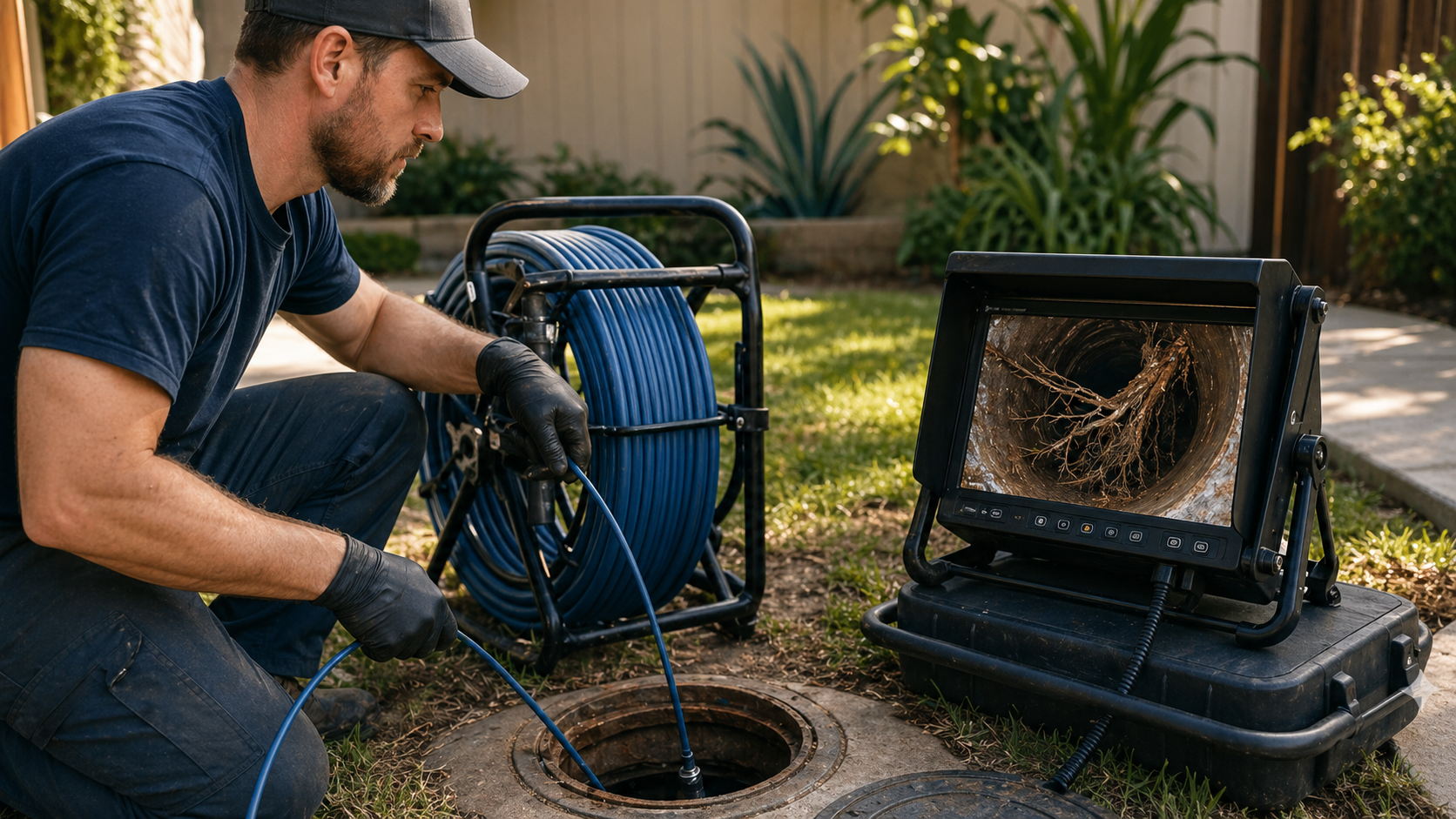
  3. 3. Root Fragments Keep Coming Back If a camera inspection has shown root intrusion at joints and snaking has been cutting through root mass without lasting improvement, jetting clears the root material more completely. Jetting does not kill roots — they will grow back — but it cleans the pipe interior thoroughly enough to extend the interval between services. For lines with active root intrusion, jetting on a scheduled maintenance cycle is often the most cost-effective approach short of repair.
  4. 4. You Need a Baseline Before Setting a Maintenance Schedule If you have never had the line jetted and you want to establish a maintenance interval, one jetting visit gives you a clean baseline. After the line is fully cleaned, you can track how long it takes for symptoms to return. That interval becomes your maintenance schedule. Starting from a snake-cleared line does not give you the same baseline because residue is still present.
  5. 5. You Are Buying or Selling a Home A pre-purchase camera inspection sometimes reveals buildup that is not yet causing backups but will within a year or two. Jetting the line before closing — or as a condition of sale — gives the buyer a clean line and a known starting point. For sellers, a jetting receipt and clean camera footage removes a negotiation point.
  6. Three Scenarios Where Hydro Jetting Is Not Worth the Cost 1. The Pipe Is Structurally Compromised If the line has a partial collapse, a separated joint, significant cracking, or is made of Orangeburg in deteriorated condition, jetting can make the damage worse. High-pressure water on a structurally failing pipe can widen cracks and accelerate the collapse. The right first step is a camera inspection, not jetting. If the camera shows structural failure, the conversation shifts to repair or replacement.

What Makes The Cost Easier To Judge

2. The Clog Is a One-Time Foreign Object A child's toy, a wad of "flushable" wipes that caught on a fitting, a chunk of construction debris — these are mechanical blockages, not buildup patterns. A snake removes the object and restores flow. Jetting a line to remove a single foreign object is overkill unless there is also visible buildup that warrants full cleaning.

The goal is to move from guesswork to evidence. Good decisions usually come from the same sequence: define the symptom, locate the likely part of the system, check whether the issue is repeating, and decide whether cleaning, inspection, jetting, or repair planning fits.

That sequence keeps the article useful before any service conversation happens. It helps readers ask better questions and makes it harder for a vague diagnosis to sound more certain than it really is.

  1. 3. No One Has Looked Inside the Line If no camera inspection has been done and you do not know the pipe material, condition, or what is causing the blockage, jetting is a guess. It might be exactly right. It might also be the wrong tool — or unsafe for the pipe. A camera inspection costs less than jetting and tells you whether jetting is the right next step, whether snaking is sufficient, or whether the line needs repair instead.
  2. Snaking vs. Hydro Jetting: What Each One Actually Does
  3. What snaking does. A cable with a cutting head feeds into the pipe and rotates through the blockage. It breaks up or pulls out the material directly in its path. Flow is restored because there is now a channel through the obstruction. But the cable only contacts the material it hits — it does not clean the pipe walls. Grease, scale, and root fragments coating the interior remain in place.
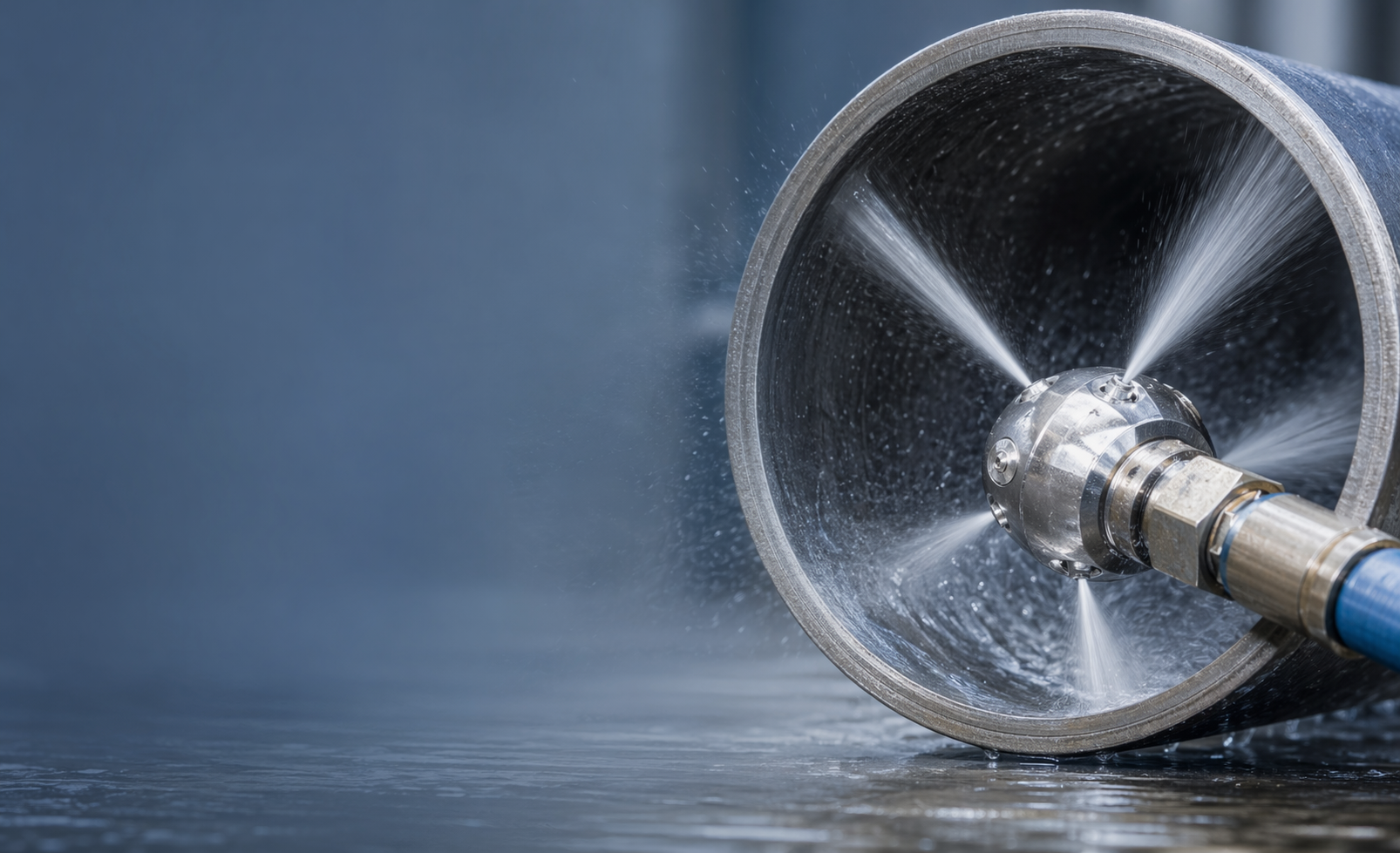
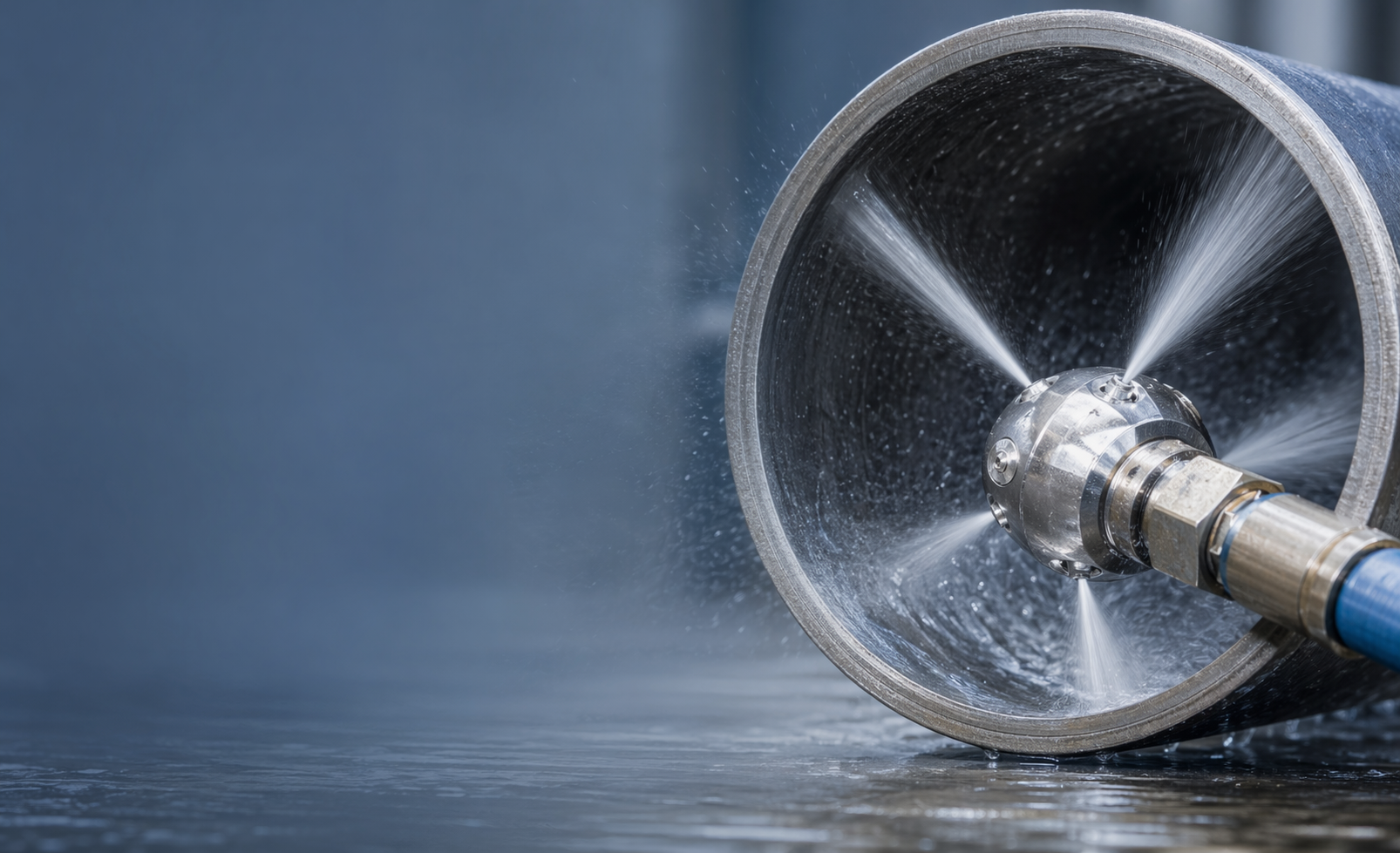
  4. What jetting does. A nozzle at the end of a high-pressure hose enters the pipe and fires water jets in multiple directions — forward to break through the blockage and rearward to scour the pipe walls as the hose advances. The water strips buildup from the full circumference of the pipe and flushes it downstream. The result is not just a cleared path — it is a cleaned pipe.
  5. When snaking is enough. First-time clogs in a line with no history of repeat problems. Soft obstructions like hair, paper, or a single foreign object. Lines where a camera inspection shows no significant wall buildup. Budget-driven situations where the homeowner needs immediate flow restoration and the line is not a repeat offender.
  6. When jetting is the better investment. Repeat clogs in the same line. Grease-coated pipes. Root intrusion at joints. Any situation where snaking has been done before and the improvement did not last. Lines where the goal is full cleaning, not just flow restoration.

What Helps The Quote Feel Clearer

What Changes a Hydro Jetting Near Me Quote Four factors move the price on any residential jetting job:

Small details often change the interpretation. Which fixture backed up first, whether more than one drain is affected, whether the problem returned after clearing, and whether there is odor or standing water all matter.

Use these notes to describe the issue clearly. A good description is often the difference between booking a narrow cleaning visit and starting with inspection or a broader sewer conversation.

  1. 1. Severity of the blockage. Light grease buildup clears faster than a dense root mass or years of hardened sludge. Heavier blockages require more time and sometimes different nozzle configurations. The worse the buildup, the longer the job takes.
  2. 2. Line length and access. A 50-foot lateral with a clean, accessible cleanout is a faster job than a 150-foot run where the cleanout cap is buried, corroded, or missing. If the technician needs to access the line through a toilet pull removing and reinstalling the toilet, that adds time and scope.
  3. 3. Pipe material and condition. Newer PVC lines can handle full operating pressure. Older cast iron or clay lines may require the technician to start at lower pressure and adjust based on what the camera shows. Pressure calibration for fragile pipes adds care and time to the job.
  4. 4. Emergency vs. scheduled. Emergency and after-hours calls carry a 15 to 35 percent premium 25 percent standard, 30 percent for jobs involving excavation access. Scheduling during normal business hours on a non-emergency basis gets you the standard rate.
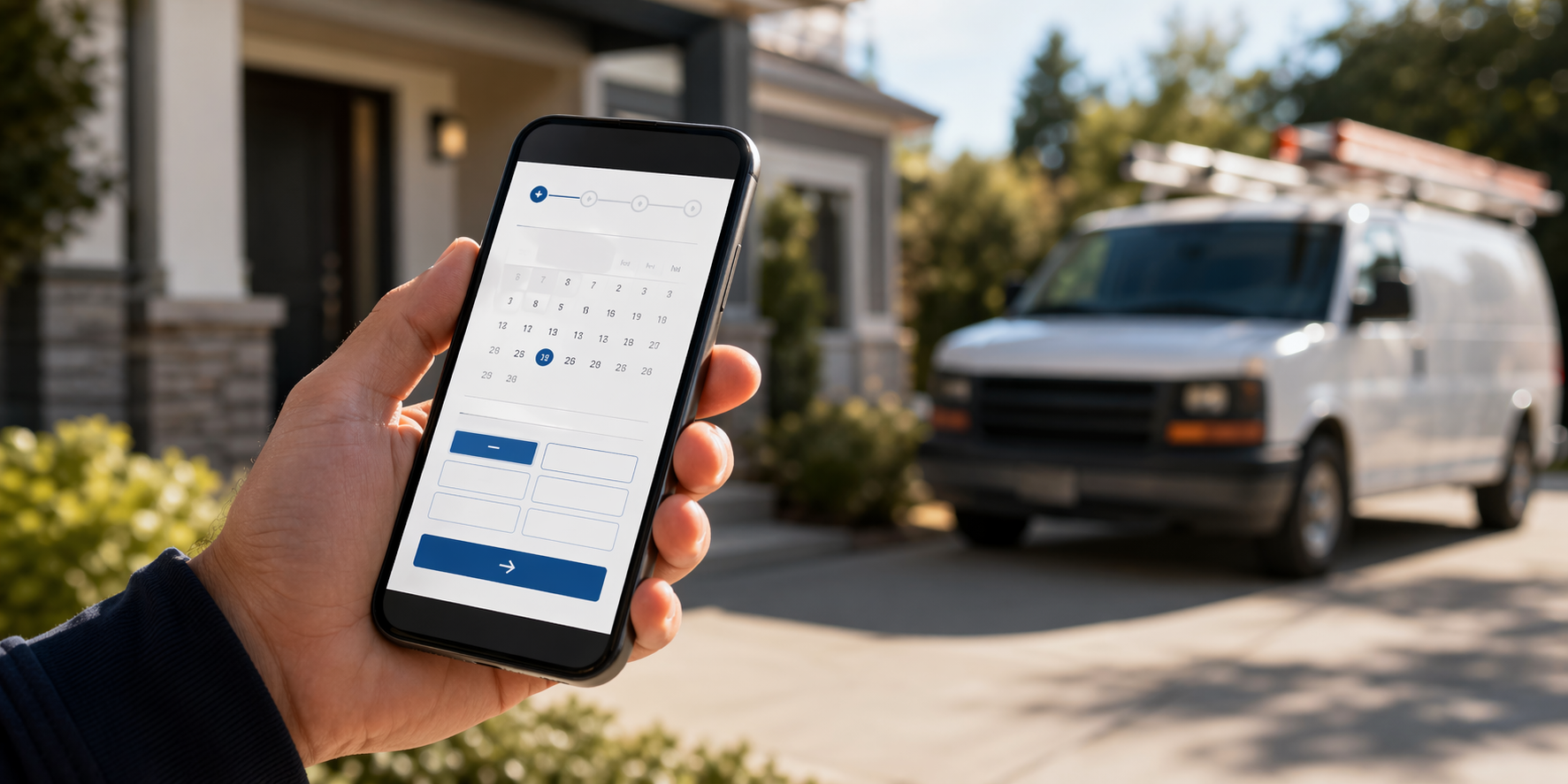
  5. We do not publish fixed prices because the same symptom in two different houses can involve two different jobs. Call 801-317-8104 for a quote based on your situation.

How We Talk Through The Cost

When you call Mountain West at 801-317-8104 or email [email protected] for hydro jetting near me, here is what happens.

This is where the article connects back to real service work. The point is not to turn every concern into the biggest possible job; it is to match the symptom pattern to the least confusing next step that can actually answer the question.

Tying the topic back to hydro jetting near me keeps the advice grounded. The work should explain what was found, what is still uncertain, and why the recommended next step fits the evidence.

  1. Before we arrive. We ask what you are seeing, how many times the line has been cleared before, and whether you know where your cleanout is. If you have had a camera inspection or previous jetting, we want to know what was found. That information tells us which equipment to prioritize.
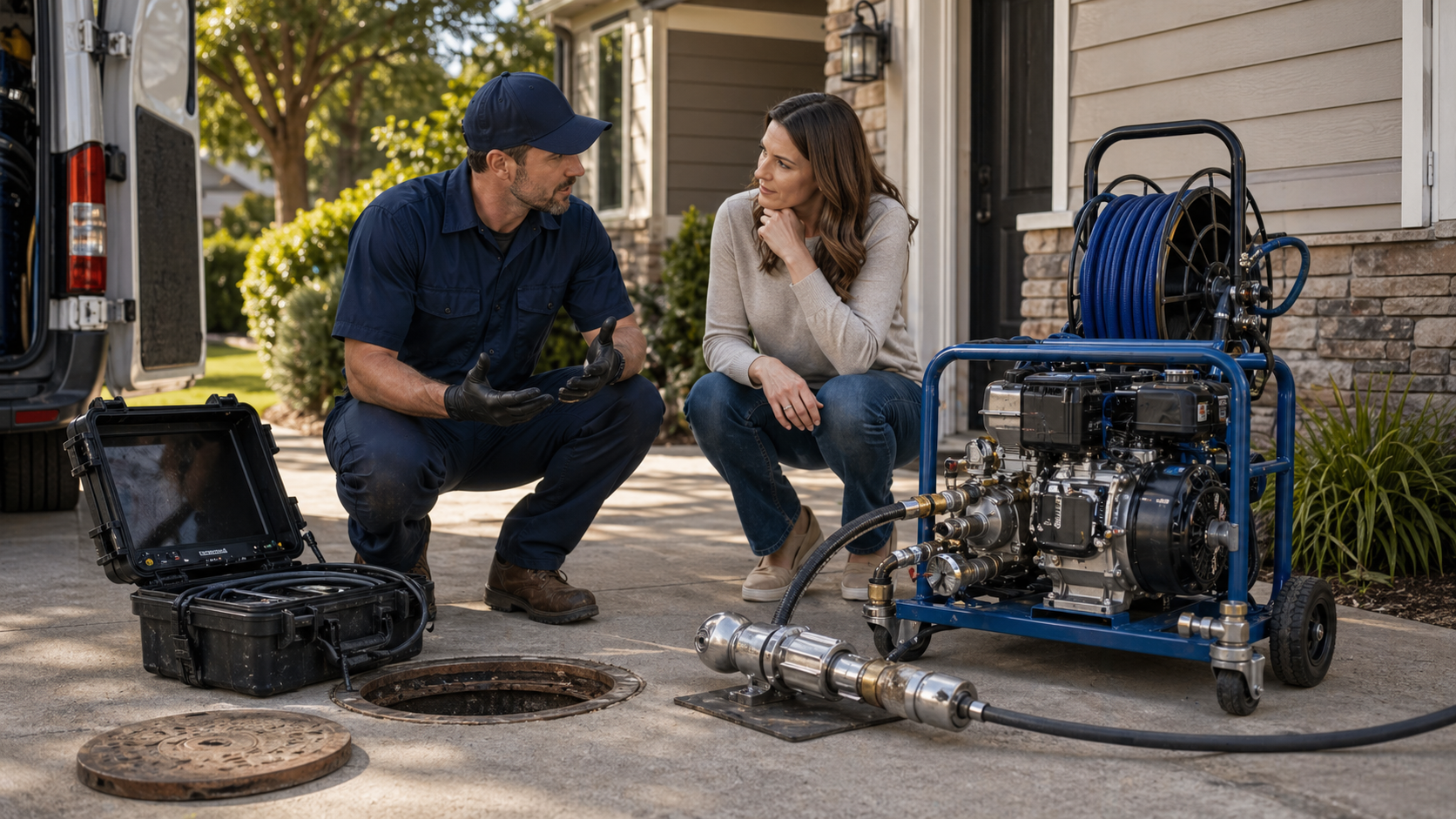
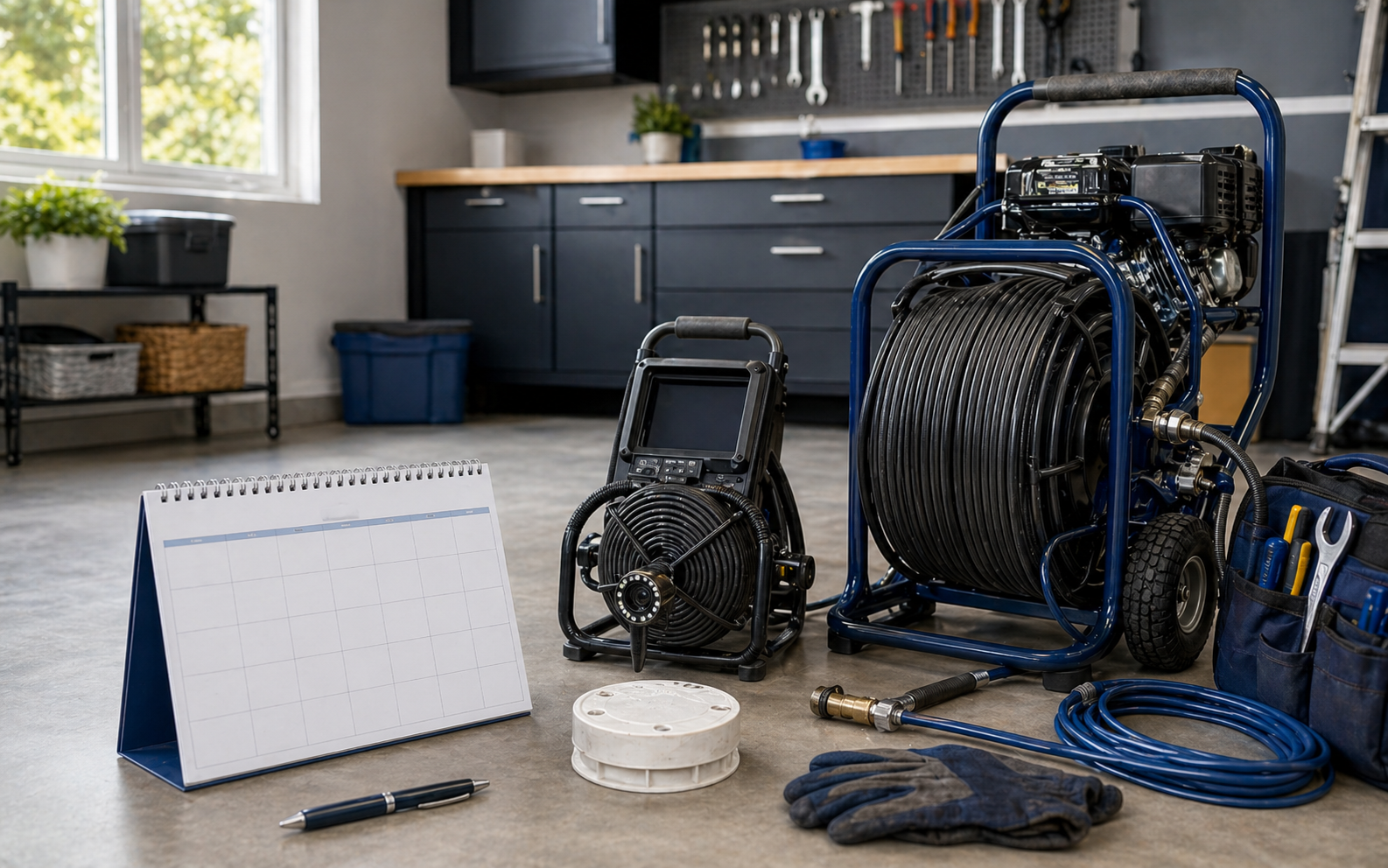
  2. What shows up. A hydro jetting unit rated at 3,850 PSI and 8 GPM with 300 feet of hose — enough to clear and clean lines from 2 to 12 inches in diameter. A sewer camera rated to scope up to 200 feet of pipe with live video review on screen. A cable machine with 100+ feet of reach for situations where mechanical clearing comes before the jet.
  3. The process. We access the line through your cleanout. On most jobs, we start with the camera to confirm pipe material, locate the blockage, and check for structural issues that would change the approach. Then we jet the line — the nozzle fires water forward to break the blockage and rearward to scour the walls as it advances. After clearing, we run the camera again so you can see the result on screen. You watch the same footage we do.
  4. What you walk away with. A clean line, a plain-language explanation of what we found, and one of three recommendations: i line is clean and low risk — no follow-up needed, call if symptoms return; ii line has a buildup pattern — schedule maintenance at a specific interval based on what we saw; iii the line has a structural issue that cleaning alone will not fix — here is what repair involves and what the options look like.
  5. If snaking would have been enough for your situation and you did not need jetting, we tell you that before we jet. We do not run the more expensive service on a line that does not need it.

Talk Through The Price

These price questions connect the numbers back to scope. A useful quote should explain access, urgency, line condition, and what is included instead of treating cost like a single universal number.

For hydro jetting near me topics, the best follow-up questions usually separate a simple visit from a visit that may need inspection, deeper cleaning, or repair planning.

Is hydro jetting worth the cost for a first-time clog?

Usually not by itself. If the line has never clogged before and the blockage is a one-time event — a foreign object, a paper buildup, a single grease cap — snaking restores flow at a lower cost. Jetting becomes worth it when the first clearing reveals heavy wall buildup, or when the line clogs again within a few months. If you are unsure, a camera inspection after snaking shows whether there is residue worth jetting out.

How long does hydro jetting last compared to snaking?

It depends on what is causing the blockage, but in lines with repeat grease or root issues, jetting typically holds 2 to 4 times longer than snaking. A snake punches through the clog and leaves wall residue intact — that residue rebuilds the restriction. Jetting removes the residue, which means the pipe starts from a cleaner baseline and takes longer to re-accumulate buildup.

Can hydro jetting damage my pipes?

It can — if the pipe is already structurally compromised. Cracked clay, deteriorated cast iron, and Orangeburg in poor condition can be damaged by high-pressure water. That is why a camera inspection should come before jetting on any line where the pipe material or condition is unknown. On structurally sound PVC, ABS, or intact cast iron, jetting at appropriate pressure is safe and routine. Mountain West's unit operates at 3,850 PSI and the technician adjusts pressure based on what the camera shows — not a single default setting for every pipe.

What if the technician finds a structural problem during the camera inspection?

Then the recommendation changes. If the camera shows a partial collapse, a significant offset, or a crack pattern that makes jetting risky, we do not jet the line. We explain what the camera found, show you the footage, and walk you through the repair or replacement options. You do not pay for a jetting service that was not performed. The camera inspection becomes the deliverable — and it is the information you need to make the right next decision.

Do I need a camera inspection before hydro jetting?

It is strongly recommended, especially on lines that have never been scoped, lines older than 30 years, or lines with unknown pipe material. The camera confirms whether the pipe can handle jetting pressure, identifies the type and location of the blockage, and catches structural issues that would make jetting the wrong choice. Mountain West runs the camera before and after every jetting job as part of the standard process — you are not paying for a separate inspection visit.

Read This Next

These articles stay close to the same decision without repeating this one. Use them when the symptoms, timing, or service path points in a slightly different direction.

Source Log

These sources were used for background, claim checking, or local context. The article explains the topic in Mountain West's own words and does not copy outside article structure or long passages.

U.S. Environmental Protection Agencyparaphrased

Sanitary Sewer Overflows (SSOs)

Supports: Sanitary sewer overflows can back up into buildings, damage property, and create public-health concerns; sewer systems carry domestic and commercial wastewater to treatment facilities.

U.S. Environmental Protection Agencyparaphrased

Sanitary Sewer Overflow Frequent Questions

Supports: Common sewer blockage contributors include fats, oils and grease, wipes and other non-flushable products, roots entering defects, sediment, and other materials.

Clinton City, Utahparaphrased

Sewer

Supports: Local sewer maintenance programs may remove roots, grease, and debris from public lines; bubbling, gurgling, or odors can also relate to venting and sewer-maintenance conditions.

Manual review note: Use as regional public-utility context only; it does not prove the cause of a private-property problem.

HomeGuidebackground

Hydro Jetting Cost Guide

Supports: Hydro jetting costs $600 to $1,400 on average; snaking a sewer line costs $200 to $500. Snaking only creates a hole in the clog rather than removing all debris, leading to faster re-clogging. Used for general market pricing context only; Mountain West does not publish fixed prices.

Viper Jet Drainparaphrased

Hydro Jetting PSI and Pipe Material Safety

Supports: Professional hydro jetters operate between 1,500 and 4,000 PSI with pressure adjusted to pipe material and condition. Camera inspection recommended before jetting on lines over 30 years old or with unknown history.

Waterway Plumbingparaphrased

Is Hydro Jetting Safe for PVC Pipes?

Supports: Residential PVC drain lines are safely cleaned at 2,000 to 3,000 PSI; Schedule 40 PVC handles higher pressures. Camera inspection before jetting confirms pipe material and guides pressure settings.

Related Next Steps

Next StepHydro Jetting Near MeExplore hydro-jetting resolution if when hydro jetting feels worth it points toward deeper cleaning.Next StepHydro JettingExplore hydro-jetting resolution if when hydro jetting feels worth it points toward deeper cleaning.Next StepGet A Free QuoteStart a free quote if you want service-fit or pricing guidance after this article.Next StepRead BlogCompare adjacent articles around when hydro jetting feels worth it before you choose the next path.

More for You

Follow-up blog articles chosen for this page so the next question stays close to the same decision path.

Hydro Jetting and Old Pipes: When High-Pressure Cleaning Is Safe and When It Is Not article image for Hydro Jetting.Blog ArticleHydro Jetting and Old Pipes: When High-Pressure Cleaning Is Safe and When It Is NotOpen this if you want the hydro jetting side of the decision next.Can Hydro Jetting Help After a Plumber Already Cleared the Line Once? article image for Hydro Jetting.Blog ArticleCan Hydro Jetting Help After a Plumber Already Cleared the Line Once?Open this if you want the hydro jetting side of the decision next.Sewer Line Repair Near Me: What to Expect From Start to Finish article image for Sewer Line Repair And Replacement.Blog ArticleSewer Line Repair Near Me: What to Expect From Start to FinishUse this related article if you want the next question after this article explained in a little more depth.Sewer Camera Inspection Near Me: What It Shows, When You Need One, and What It Costs article image for Sewer Camera Inspection.Blog ArticleSewer Camera Inspection Near Me: What It Shows, When You Need One, and What It CostsUse this related article if you want the next question after this article explained in a little more depth.

Quick Answers About Hydro Jetting Near Me: When Is It Worth the Cost?

These are the quick answers most people want before they call, book, or decide on the next step.

What is this article about?

Hydro jetting near me is one of the highest-searched terms for sewer and drain service in Northern Utah. Most homeowners searching it have already had a drain cleared at least once and are trying to figure out whether the higher-cost option is worth it. This article gives you the decision framework: five scenarios where jetting pays for itself, three where it does not, a side-by-side with snaking, and what the price actually depends on. It connects the topic back to hydro jetting near me when readers are trying to decide on the right next move.

Who is this article best for?

You may have been quoted $1,500 to $4,000 for hydro jetting. That range is real — and it is why most homeowners hesitate. Snaking is cheaper upfront, and if you have only had one clog, it is usually enough. It is most useful for readers trying to understand the issue before they book, compare services, or decide whether the symptoms point to a bigger sewer or drain problem.

What should I do after reading this article?

If the issue sounds familiar, the usual next step is to review the hydro jetting near me page or compare it with hydro jetting before deciding whether to request a quote, book service, or call for faster guidance.

How can I reach Mountain West?

Mountain West Hydro Jetting serves Northern Utah and the Salt Lake corridor. You can reach us at 801-317-8104 or [email protected].