Mountain West Jetting
Mountain West logoMountain West Hydro Jetting & Sewer Maintenance LLC

EMERGENCY DRAIN CLEANING SERVICE: WHAT TO EXPECT SAME DAY

Blog Article

Story by Mountain West Hydro JettingPublished June 18, 2026Emergency Drain CleaningServing Northern Utah and the Salt Lake corridor

Emergency Drain Cleaning Service: What to Expect Same Day

What happens when you call for emergency drain cleaning service — how fast we respond, what equipment we bring, what the visit looks like, and what it costs in Northern Utah.

Start Here

If you have already decided you need emergency drain help — sewage is backing up, multiple fixtures are failing, or the problem is actively getting worse — the next question is not whether to call. It is what happens when you do.

What This Article Helps You Do

  • Know exactly what happens during an emergency drain cleaning service call from first contact to resolution
  • Understand response times, equipment, cost, and follow-up across Northern Utah
  • Have the right information ready so the call and the visit go as fast as possible

Quick Takeaway

An emergency drain cleaning visit follows a clear sequence: phone call, dispatch, arrival, backup clearing, camera diagnosis, and a recommendation for what comes next. The entire process — from your call to a stabilized line — typically takes one to three hours depending on severity and access. Emergency service carries a 15 to 35 percent premium over standard pricing.

Emergency Drain Cleaning

If you have already decided you need emergency drain help — sewage is backing up, multiple fixtures are failing, or the problem is actively getting worse — the next question is not whether to call. It is what happens when you do.

This article walks you through the full emergency drain cleaning process so you know what to expect before the truck arrives: how the call works, how fast we respond, what equipment shows up, what the visit looks like from start to finish, and what the service costs.

Not sure if your situation is an emergency? Start with our triage guide: What Counts as a Real Emergency?

When It Starts Becoming Relevant

Before You Call: What to Have Ready You do not need a diagnosis. You need four pieces of information:

Start with the normal pattern: wastewater should move away from the fixture, through the branch line, into the larger building drain or sewer lateral, and out toward the public or private collection system. Most confusion starts when one symptom is judged without locating where that pattern is breaking down.

For emergency drain cleaning questions, the useful first step is separating a local fixture issue from a deeper line condition, because those two situations can look similar at the surface but lead to different next steps.

  1. What is happening. Water backing up through the floor drain. Sewage in the basement. Toilet overflowing into the tub. Be specific about what you see. Where in the house. Basement, ground floor bathroom, kitchen, laundry area. If multiple locations are affected, say so. How long it has been happening. Started an hour ago, started last night and got worse this morning, has been building for a few days. Whether it is getting worse. Stable but unusable is different from actively rising. If the water level is climbing or spreading to new areas, that changes the priority. That is enough to dispatch. Everything else — the cause, the pipe material, the history — we figure out when we get there.
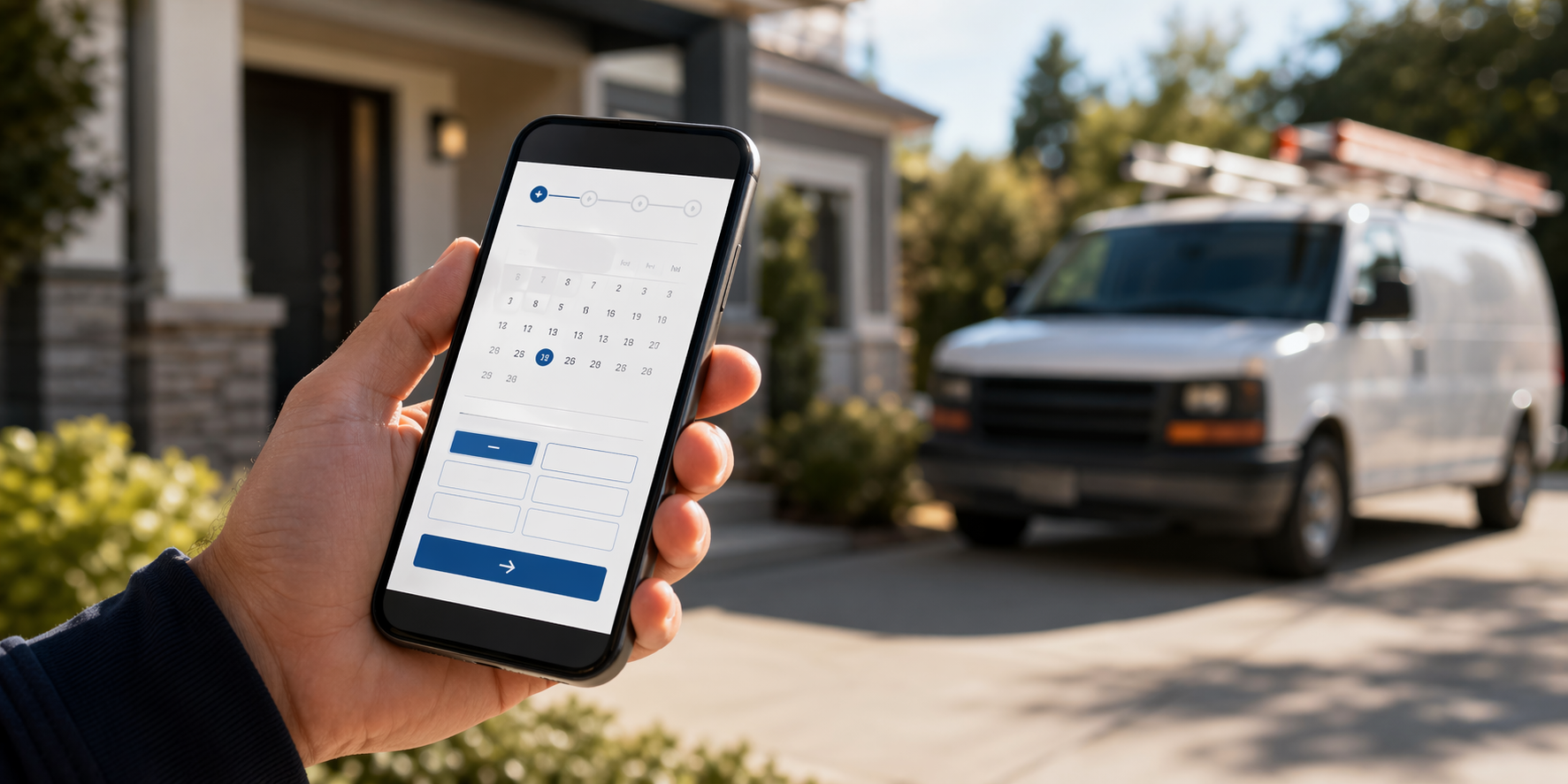
  2. Step by Step: What the Emergency Visit Looks Like Step 1: The Phone Call Call 801-317-8104. Tell us what is happening using the four points above. The call takes three to five minutes. We ask a few clarifying questions — which fixtures, whether sewage is visible, whether you have an accessible cleanout — and then give you a dispatch time window and confirm the emergency pricing before we send the truck.
  3. No one dispatches without you knowing the cost structure first.
  4. Keep all water use stopped. No flushing, no sinks, no laundry, no dishwasher. This is the single most important thing you can do while waiting.
  5. Check your exterior cleanout if accessible. A white PVC cap near the foundation or in the yard. If you can safely remove it, it may relieve backup pressure and redirect overflow outside instead of into the home.
  6. Keep the affected area clear. Move anything off the floor near the backup that could be damaged — boxes, rugs, electronics, stored items. Do not walk through sewage in bare feet or open-toed shoes.
  7. Keep pets and children out of the affected area. Sewage carries bacteria, viruses, and parasites. The CDC classifies sewage intrusion as a contamination hazard.
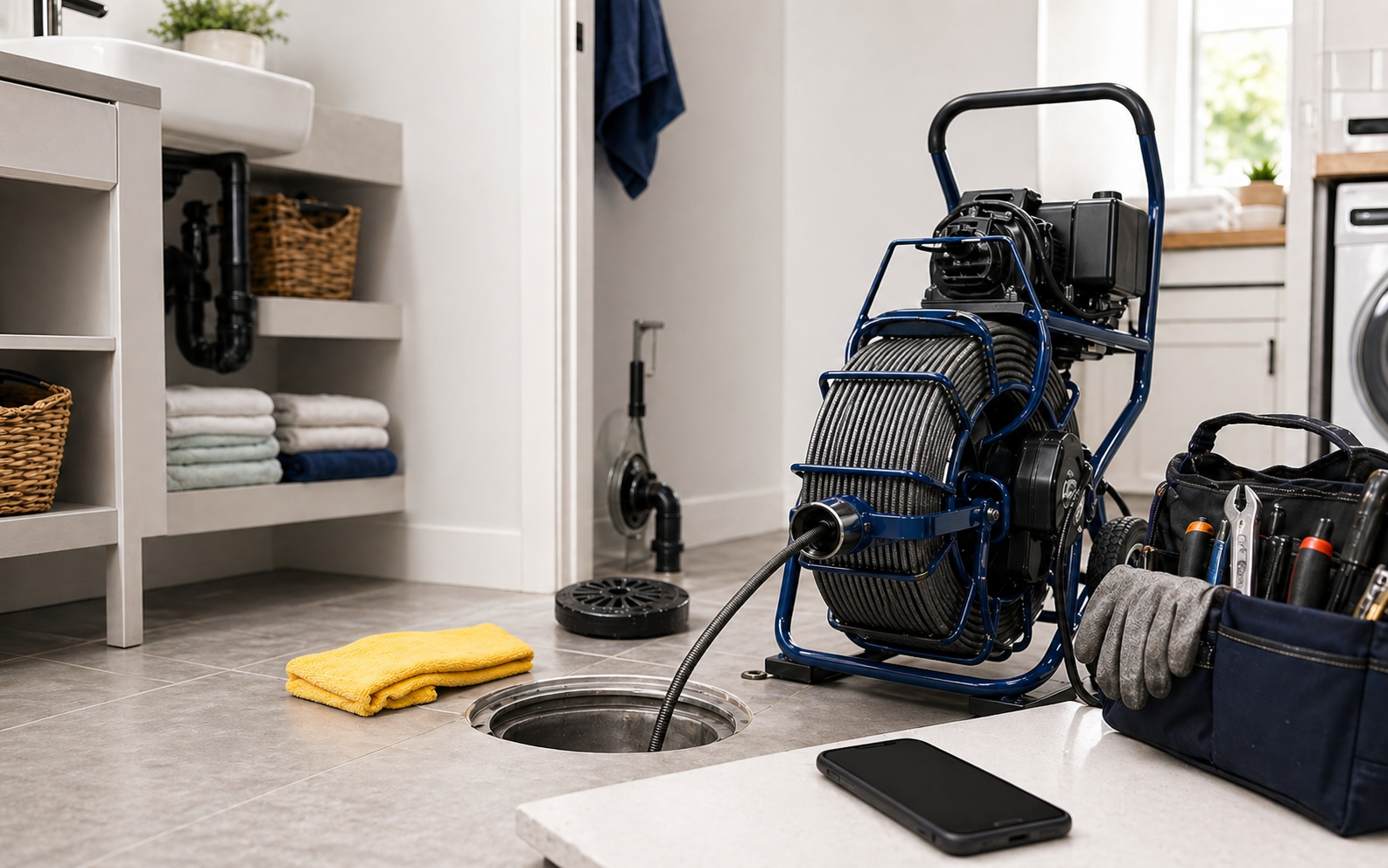
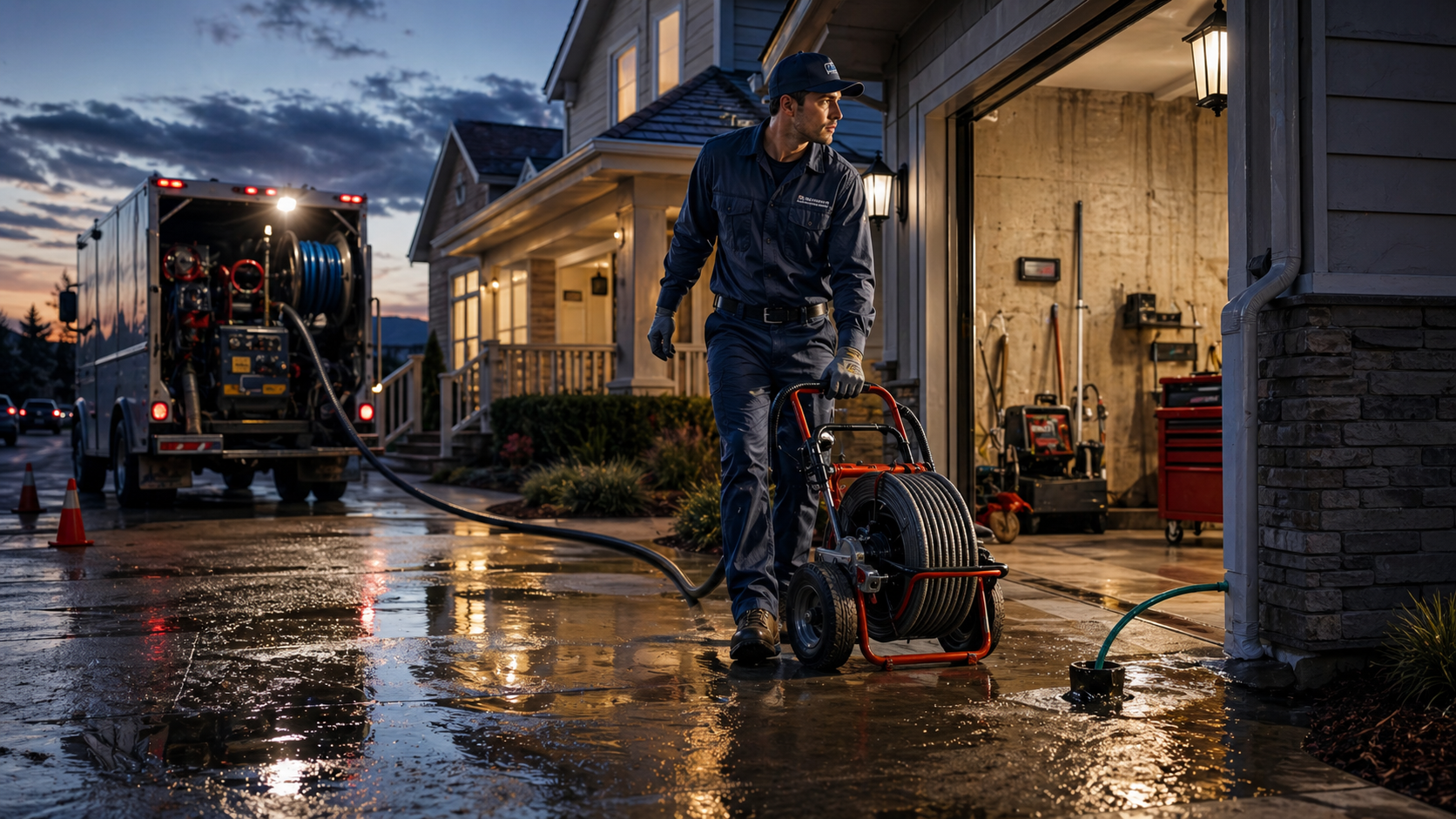
  8. Step 3: Arrival and Assessment We arrive with a fully equipped truck: hydro jetting machine 3,850 PSI, 8 GPM, 300 feet of reach, handles 2 to 12 inch lines, sewer camera, and cable machines. All of it comes on every emergency call — no waiting for a second truck with different equipment.
  9. First thing on site: we assess the situation visually. Where is the backup, how severe is it, which fixtures are affected, and where is the best access point to the line. If there is a cleanout, that is usually where we start. If not, we identify the best alternative access.

How To Think About The Timing

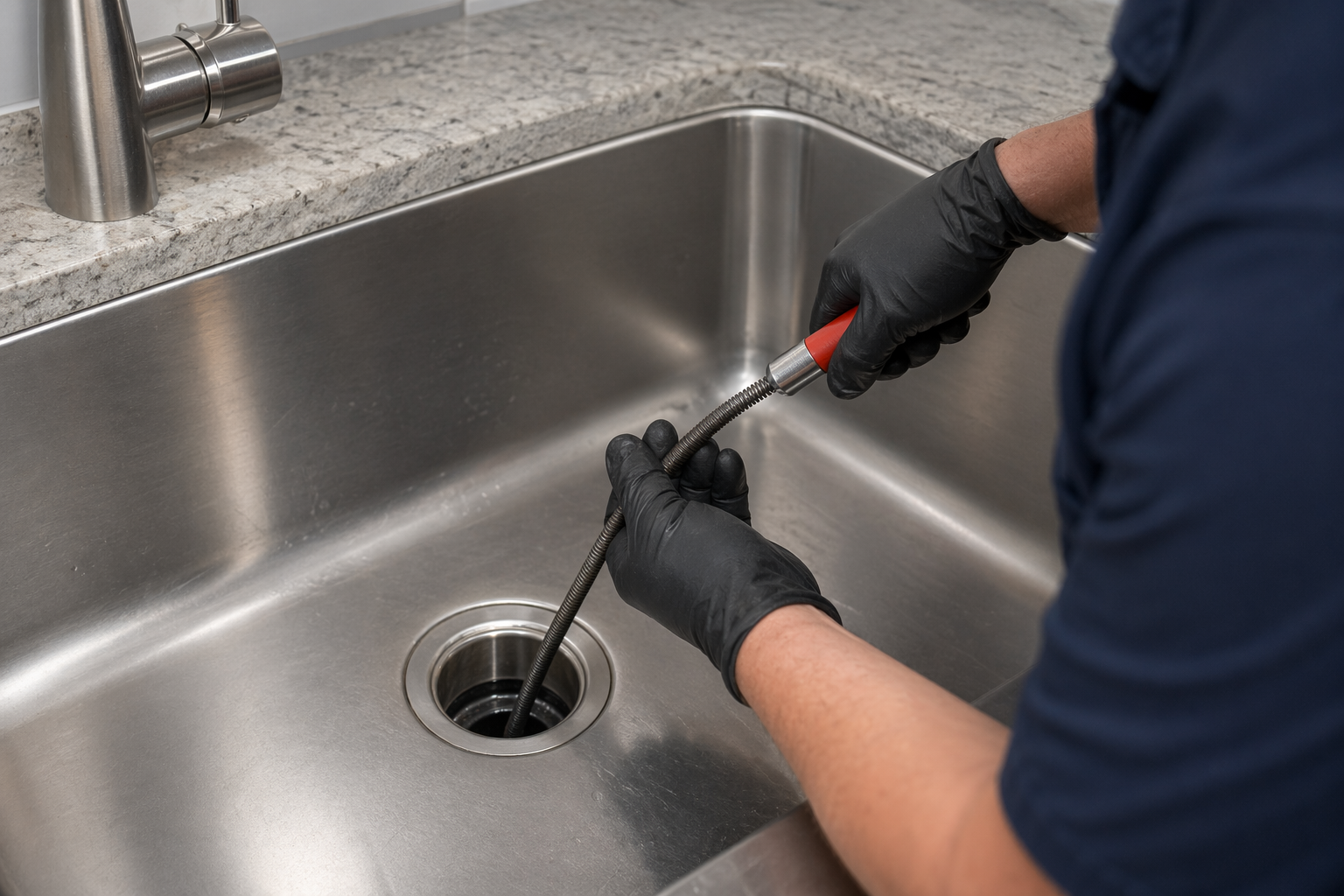
Step 4: Clearing the Backup The first priority is stopping the backup and restoring flow. Depending on the blockage, we use cable snaking to punch through the obstruction for immediate relief, followed by hydro jetting to fully clear the line — grease, roots, debris, and whatever caused the blockage in the first place.

The goal is to move from guesswork to evidence. Good decisions usually come from the same sequence: define the symptom, locate the likely part of the system, check whether the issue is repeating, and decide whether cleaning, inspection, jetting, or repair planning fits.

That sequence keeps the article useful before any service conversation happens. It helps readers ask better questions and makes it harder for a vague diagnosis to sound more certain than it really is.


  1. On a standard scheduled visit, we might inspect first and clean second. On an emergency call, we reverse the order. The backup cannot wait for a camera tour. We clear first, stabilize the situation, and then inspect.
  2. Typical clearing time: 20 to 60 minutes depending on the blockage severity, line length, access, and what we encounter inside the pipe.
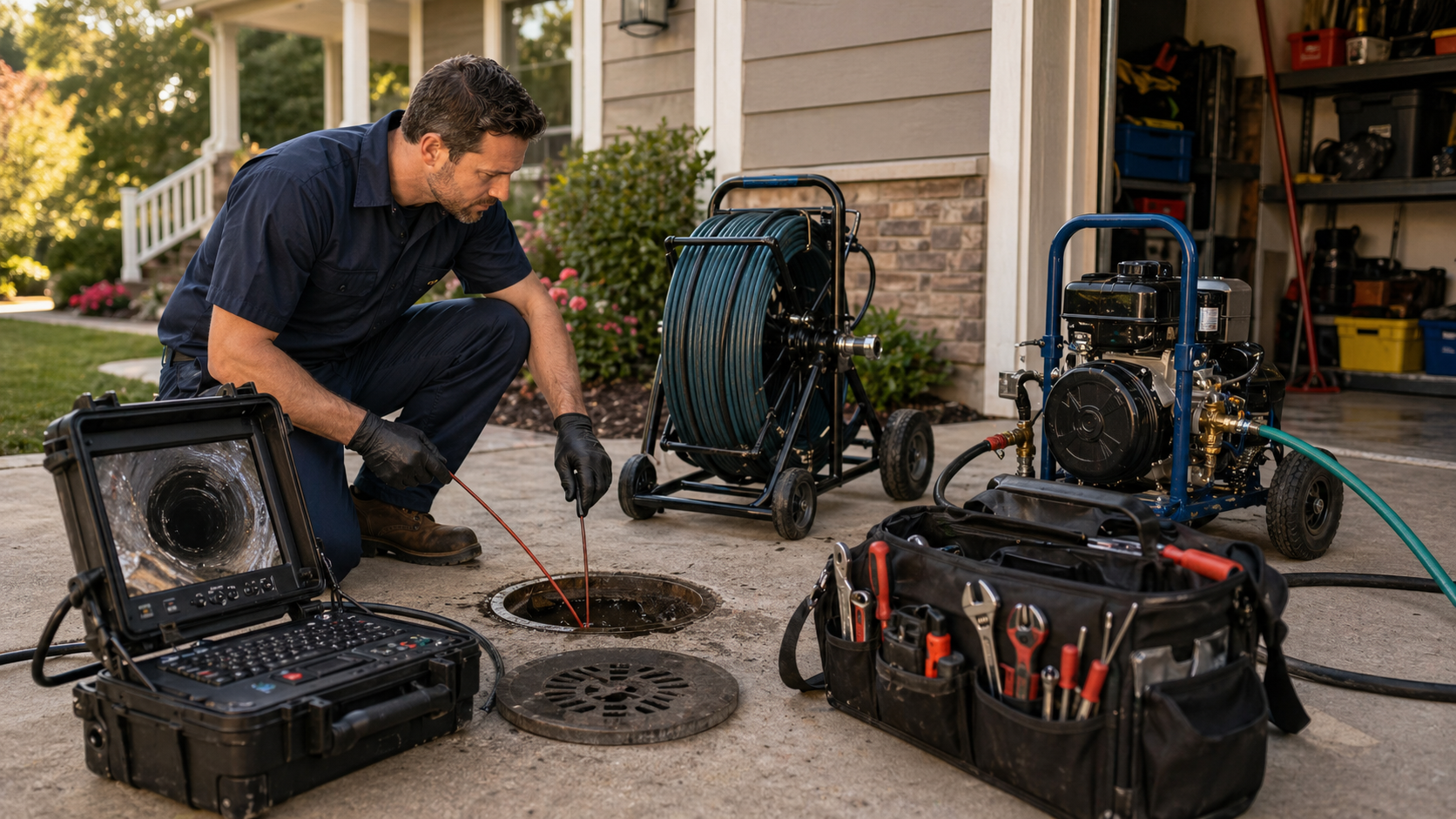
  3. Step 5: Camera Diagnosis Once the line is clear and flowing, we run the sewer camera through the pipe. The camera shows us — and you — what caused the backup and whether the pipe has any structural issues that could cause it to happen again.
  4. We walk you through the footage on screen in real time. We point out what we see: was it a grease plug, a root mass, a bellied section holding debris, an offset joint, a crack, or something else. You see the same footage we see.
  5. Why this matters: Clearing the backup solves the emergency. The camera answers the question that matters more: will this happen again?
  6. Step 6: The Recommendation Based on the camera findings, we give you one of three answers:
  7. One-time blockage, pipe is sound. The backup was caused by a heavy buildup — grease, debris, foreign objects — but the pipe itself is in good condition. No structural issues. The emergency visit is likely the only visit you need. We may suggest a maintenance interval annual or biannual cleaning to prevent recurrence.
  8. Recurring risk identified. The camera shows something that will cause future problems — early-stage root intrusion, a minor offset, or a section with buildup-prone conditions. The pipe is not failing, but it needs monitoring. We set up a maintenance jetting schedule and recommend a follow-up camera inspection in 6 to 12 months.
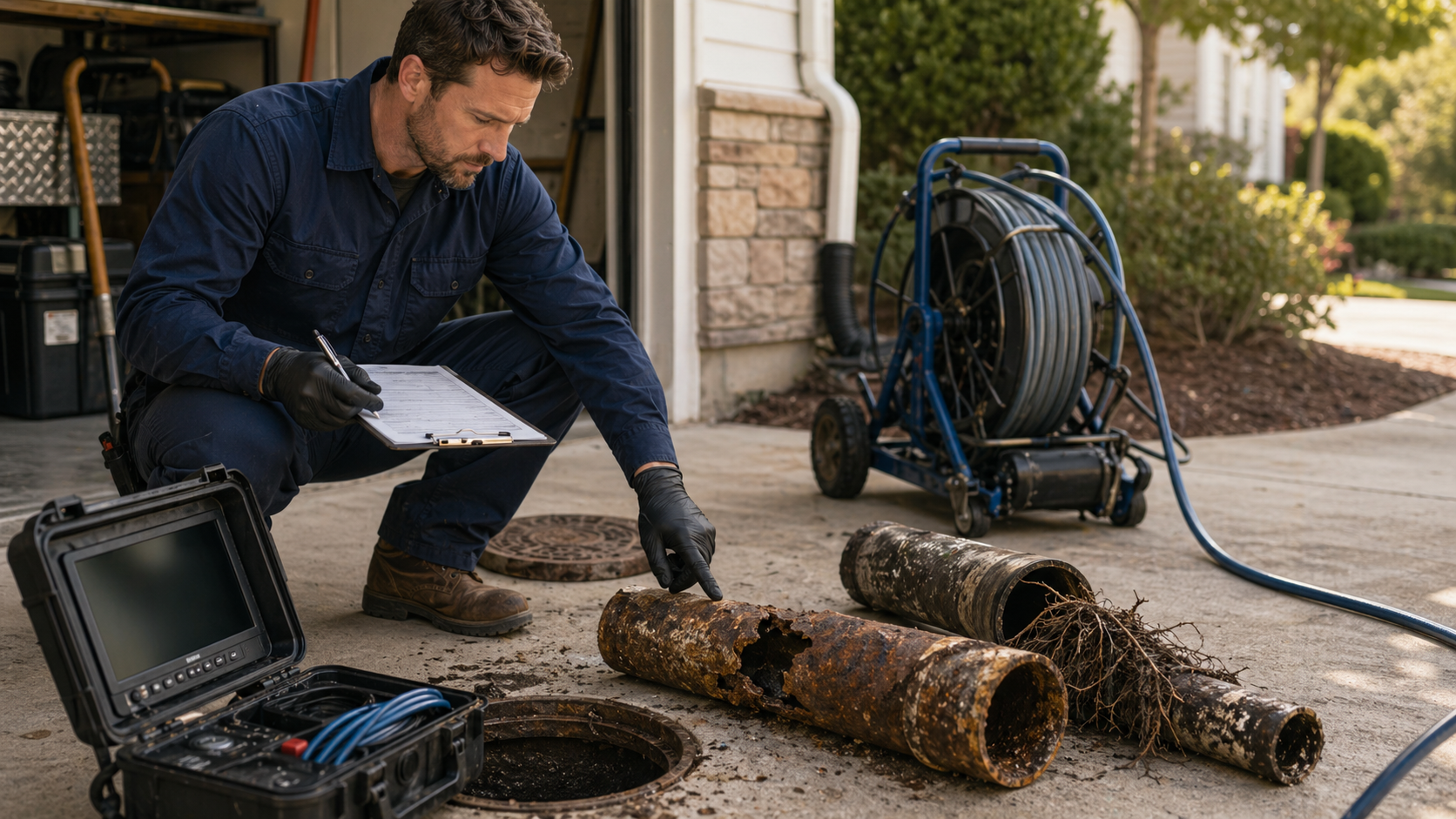
  9. Structural issue found. The camera shows cracks, collapse, significant root intrusion through a damaged section, a severe belly, or deteriorating pipe material. The emergency clearing bought time, but the pipe needs sewer line repair. We walk you through the repair options on the spot — spot repair, section replacement, trenchless, or excavation — so you leave the visit with a plan, not just a temporary fix.

What Helps You Read The Situation

How Long Does an Emergency Visit Take? The full sequence — arrival, assessment, clearing, camera inspection, and recommendation — typically runs one to three hours total. Variables that affect timing:

Small details often change the interpretation. Which fixture backed up first, whether more than one drain is affected, whether the problem returned after clearing, and whether there is odor or standing water all matter.

Use these notes to describe the issue clearly. A good description is often the difference between booking a narrow cleaning visit and starting with inspection or a broader sewer conversation.

  1. Severity of the blockage. A heavy root mass or a compacted grease plug takes longer to clear than a standard buildup. Line length and access. A cleanout near the house provides fast access. No cleanout, or a cleanout buried under landscaping, adds time. What the camera finds. If the camera reveals a complex issue that needs detailed explanation and repair planning, the conversation takes longer — but that is time well spent. Most residential emergency calls in Northern Utah are resolved within two hours from arrival.
  2. What Emergency Service Costs Emergency drain cleaning service carries a 15 to 35 percent premium over standard service pricing. The exact premium depends on two factors:
  3. Timing. Standard business hours are at the lower end of the range. After-hours, evening, weekend, and holiday calls are at the higher end.
  4. Scope. A single-fixture backup with straightforward access is simpler than a main-line failure with no cleanout that requires extended jetting and full camera inspection.
  5. We tell you the premium structure on the phone before we dispatch. No one shows up and surprises you with a bill. The base pricing underneath the premium is the same as our standard rates — the emergency surcharge covers the priority response, not inflated service prices.
  6. What is included in the emergency visit: Clearing the backup, restoring flow, running the sewer camera, walking you through the footage, and giving you a recommendation on whether the situation is resolved or needs follow-up repair work. That is all one visit, one charge.
  7. Emergency Service for Businesses and Commercial Properties Commercial drain emergencies have an additional layer: the property may not be operable until the backup is resolved. A restaurant with a backed-up floor drain, a salon with unusable plumbing, or a property management company with a tenant emergency — these situations have revenue and liability consequences on top of the physical problem.
  8. We handle commercial emergency drain cleaning the same way we handle residential — same equipment, same process, same response priority. The difference is that commercial lines may be larger, the access points may be different, and the urgency of restoring operations adds scheduling weight. Let us know on the phone that the property is commercial and whether the business is currently unable to operate — that helps us prioritize and plan the approach before we arrive.

How We Sort The Timing Out

Emergency calls are what this equipment was built for. A jetting machine, a sewer camera, and cable equipment on one truck means we do not need to diagnose remotely, send a scout first, or schedule a second trip with different tools.

This is where the article connects back to real service work. The point is not to turn every concern into the biggest possible job; it is to match the symptom pattern to the least confusing next step that can actually answer the question.

Tying the topic back to emergency drain cleaning keeps the advice grounded. The work should explain what was found, what is still uncertain, and why the recommended next step fits the evidence.

  1. You call. We ask what is happening. We tell you the cost. We dispatch. We arrive, clear the backup, run the camera, show you what happened, and tell you whether you are done or whether the pipe needs repair. One call, one truck, one visit — from emergency to answer.
  2. 801-317-8104 | [email protected]

Questions About The Timing

These timing questions sort the issue into three buckets: monitor it, schedule it, or act on it now. The right bucket depends on symptoms, spread, and whether wastewater is actively backing up.

When the topic is emergency drain cleaning, the useful follow-ups are about urgency, service fit, and what details change the next step from routine to same-day.

Frequently Asked Questions

Source Log

These sources were used for background, claim checking, or local context. The article explains the topic in Mountain West's own words and does not copy outside article structure or long passages.

Related Next Steps

Next StepEmergency Drain CleaningExplore drain-cleaning resolution if emergency drain cleaning may still fit a more direct clearing visit.Next StepDrain CleaningCompare whether a simpler clearing path still fits after reading about emergency drain cleaning.Next StepGet A Free QuoteStart a free quote if you want service-fit or pricing guidance after this article.Next StepRead BlogCompare adjacent articles around emergency drain cleaning before you choose the next path.

Read This Next

These articles stay close to the same decision without repeating this one. Use them when the symptoms, timing, or service path points in a slightly different direction.

Drain Cleaning Near Me: What Counts as a Real Emergency? article image for Emergency Drain Cleaning.Blog ArticleDrain Cleaning Near Me: What Counts as a Real Emergency?Read this next for another emergency drain cleaning angle that builds on this article.Plumber or Drain Cleaning Service? How to Know Who to Call article image for Emergency Drain Cleaning.Blog ArticlePlumber or Drain Cleaning Service? How to Know Who to CallRead this next for another emergency drain cleaning angle that builds on this article.When Drain Cleaning Stops Working: Signs You Need Sewer Line Repair article image for Sewer Line Repair And Replacement.Blog ArticleWhen Drain Cleaning Stops Working: Signs You Need Sewer Line RepairUse this related article if you want the next question after this article explained in a little more depth.

Quick Answers About Emergency Drain Cleaning Service: What to Expect Same Day

These are the quick answers most people want before they call, book, or decide on the next step.

What is this article about?

What happens when you call for emergency drain cleaning service — how fast we respond, what equipment we bring, what the visit looks like, and what it costs in Northern Utah. It connects the topic back to emergency drain cleaning when readers are trying to decide on the right next move.

Who is this article best for?

If you have already decided you need emergency drain help — sewage is backing up, multiple fixtures are failing, or the problem is actively getting worse — the next question is not whether to call. It is what happens when you do. It is most useful for readers trying to understand the issue before they book, compare services, or decide whether the symptoms point to a bigger sewer or drain problem.

What should I do after reading this article?

If the issue sounds familiar, the usual next step is to review the emergency drain cleaning page or compare it with drain cleaning before deciding whether to request a quote, book service, or call for faster guidance.

How can I reach Mountain West?

Mountain West Hydro Jetting serves Northern Utah and the Salt Lake corridor. You can reach us at 801-317-8104 or [email protected].