Mountain West Jetting
Mountain West logoMountain West Hydro Jetting & Sewer Maintenance LLC

HYDRO JETTING AND OLD PIPES: WHEN HIGH-PRESSURE CLEANING IS SAFE AND WHEN IT IS NOT

Blog Article

Story by Mountain West Hydro JettingPublished June 18, 2026Hydro Jetting SafetyServing Northern Utah and the Salt Lake corridor

Hydro Jetting and Old Pipes: When High-Pressure Cleaning Is Safe and When It Is Not

When old pipes can handle hydro jetting, when they cannot, and how pipe material, condition, and sewer camera inspection determine whether high-pressure cleaning is the right call.

Start Here

Hydro jetting sounds simple until you ask what it is actually removing. This guide starts with the pipe, the buildup, and the risk factors so the service feels like a tool with a purpose, not a buzzword.

What This Article Helps You Do

  • Define the service term in plain language.
  • Explain what conditions make the topic matter in real homes or properties.
  • Connect the explanation back to hydro jetting and sewer camera inspection.

Quick Takeaway

Hydro Jetting and Old Pipes: When High-Pressure Cleaning Is Safe and When It Is Not is easiest to understand when you start with how the drain or sewer line is supposed to work, then compare the symptoms against that normal pattern.

Hydro Jetting Safety

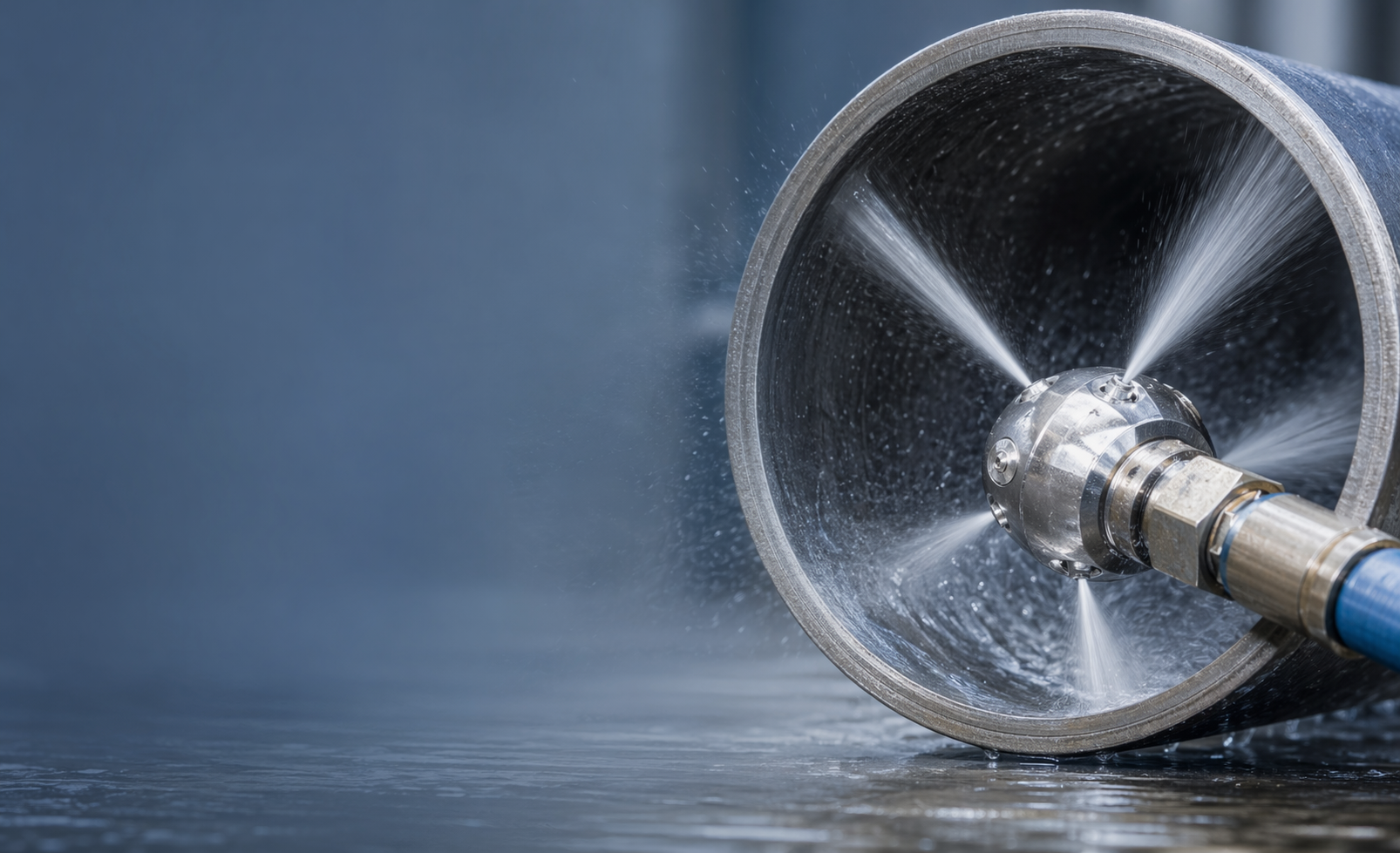
Hydro jetting uses high-pressure water to clear grease, roots, scale, and debris from sewer and drain lines. It is one of the most effective cleaning methods available, but pressure that clears a sound pipe can worsen damage in a compromised one.

The question is not whether your pipes are old. Plenty of older lines handle jetting without issue. The question is what material your pipe is made of, what condition it is in, and whether anyone has looked inside it before recommending high-pressure cleaning.

This article breaks down the risk by pipe material, explains what makes a line safe or unsafe for jetting, and covers how a sewer camera inspection changes the decision.

What It Means In Practice

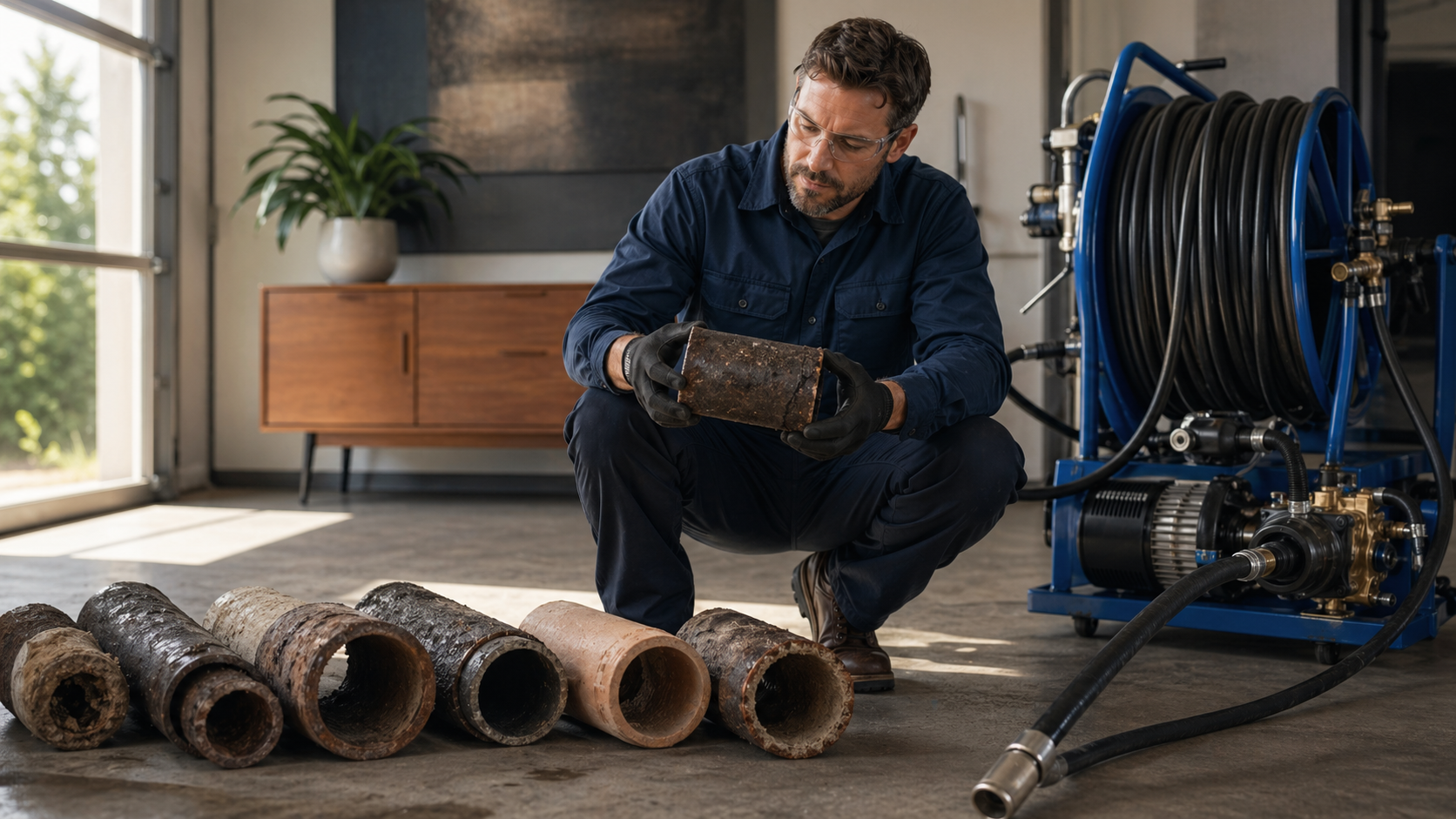
Pipe material changes the risk because PVC, cast iron, clay, and Orangeburg do not respond to high-pressure cleaning the same way.

Start with the normal pattern: wastewater should move away from the fixture, through the branch line, into the larger building drain or sewer lateral, and out toward the public or private collection system. Most confusion starts when one symptom is judged without locating where that pattern is breaking down.

For hydro jetting questions, the useful first step is separating a local fixture issue from a deeper line condition, because those two situations can look similar at the surface but lead to different next steps.

  1. PVC and ABS in normal condition are low-risk candidates because the pipe walls are smooth, do not corrode, and generally tolerate standard hydro jetting pressure.
  2. Cast iron is medium risk. Sound, thick-walled cast iron can handle jetting, but corroded, thin-walled, flaking, or badly scaled cast iron needs camera inspection before pressure is applied.
  3. Clay pipe is medium to high risk. Intact clay can often be jetted with caution, but cracked walls, separated joints, and frequent root intrusion raise the damage risk.
  4. Orangeburg is high risk and is almost never a good hydro jetting candidate because it is soft, deforms with age, and can collapse or fail under high-pressure water.

How To Tell When It Fits

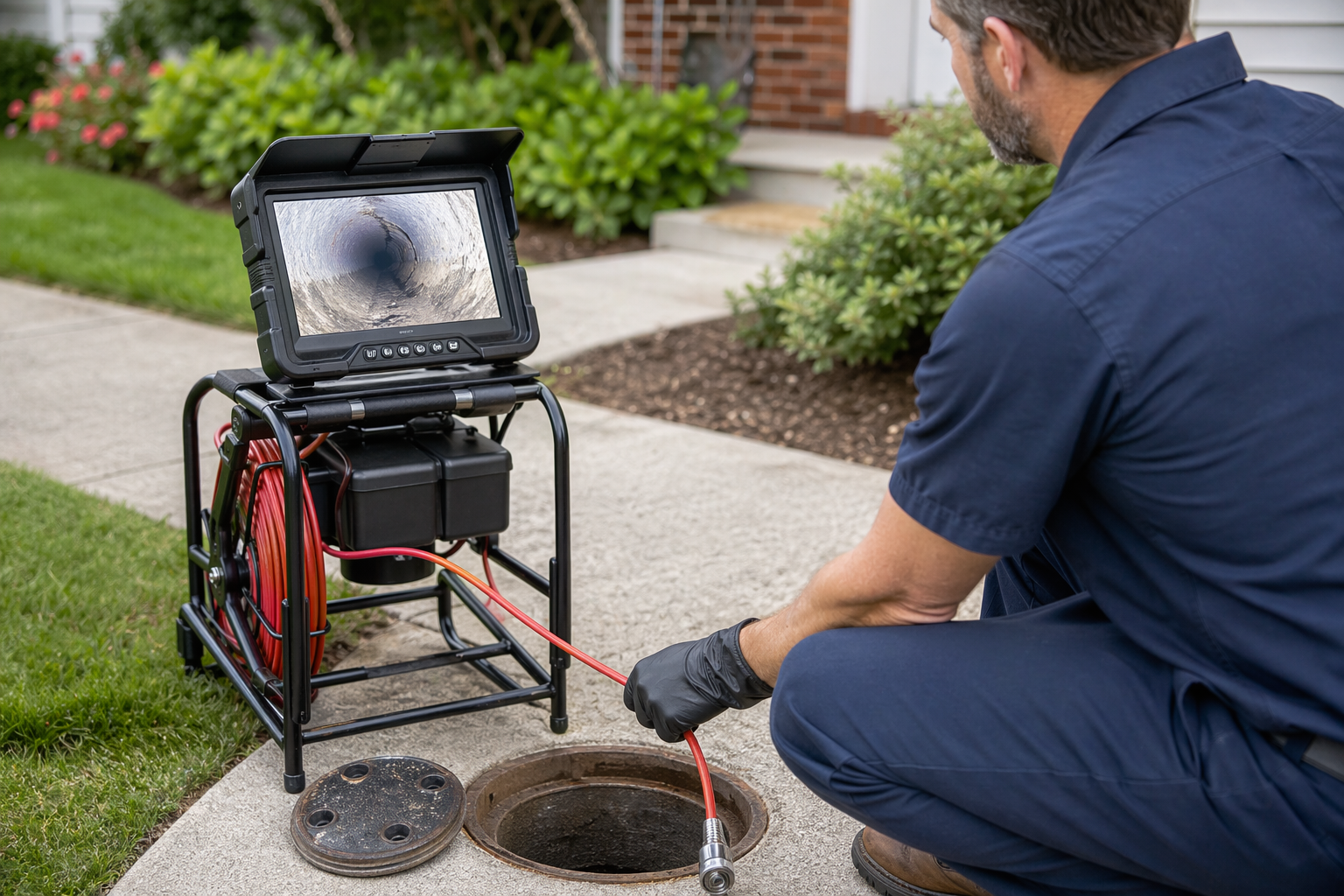
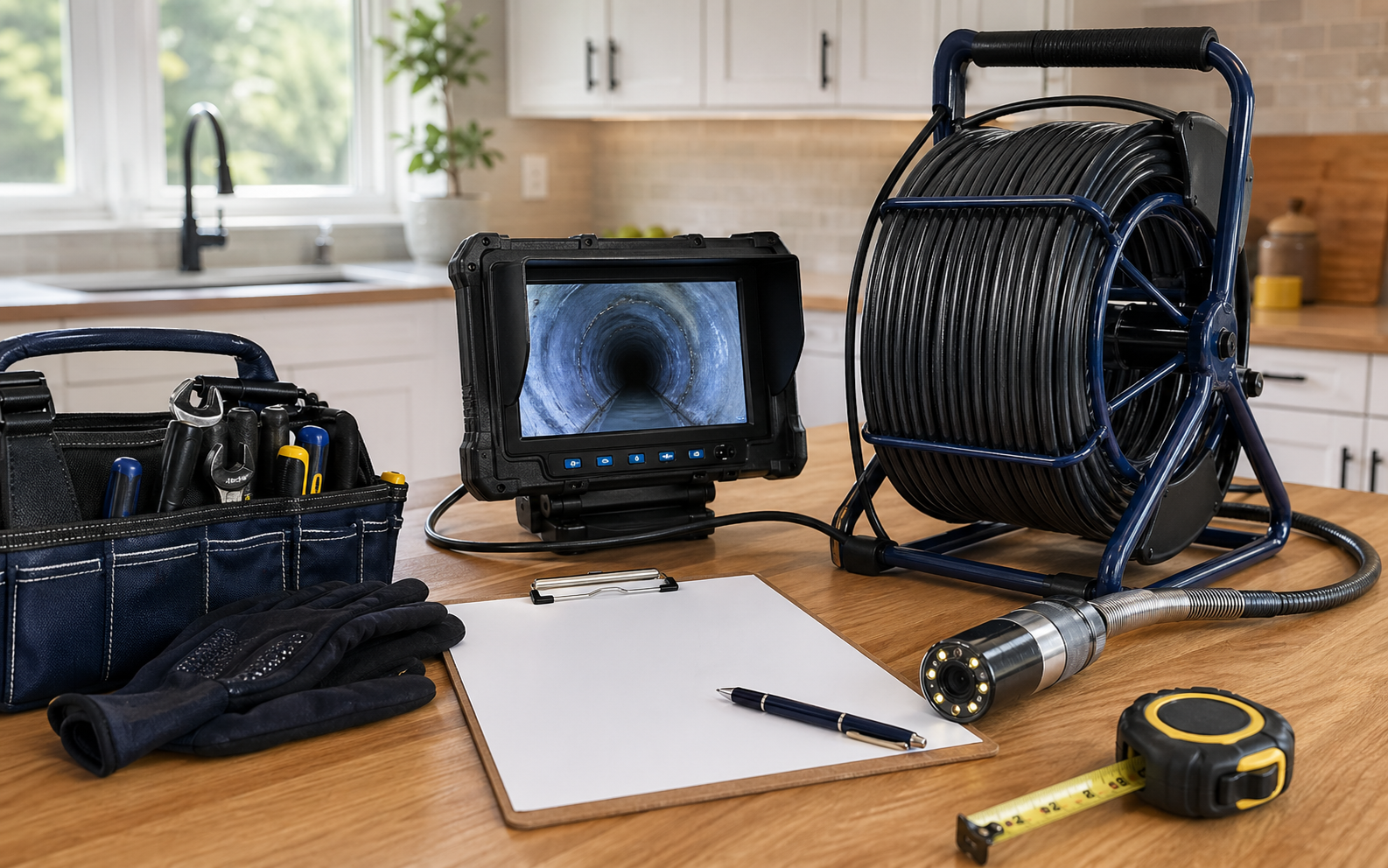
A sewer camera inspection before hydro jetting answers the question that matters: is this pipe strong enough to handle high-pressure cleaning?

The goal is to move from guesswork to evidence. Good decisions usually come from the same sequence: define the symptom, locate the likely part of the system, check whether the issue is repeating, and decide whether cleaning, inspection, jetting, or repair planning fits.

That sequence keeps the article useful before any service conversation happens. It helps readers ask better questions and makes it harder for a vague diagnosis to sound more certain than it really is.

  1. If the pipe looks sound, jetting can proceed with confidence because the pipe can handle the pressure and the cleaning will be effective.
  2. If the pipe shows moderate wear, jetting may still be appropriate at adjusted pressure or with targeted application instead of running the full line at maximum pressure.
  3. If the pipe is compromised, jetting is not recommended and the conversation shifts to repair or replacement before high-pressure cleaning.

What Makes It Easier To Use

Not every homeowner knows what their pipes are made of. These warning signs suggest the line may need inspection before hydro jetting regardless of material.

Small details often change the interpretation. Which fixture backed up first, whether more than one drain is affected, whether the problem returned after clearing, and whether there is odor or standing water all matter.

Use these notes to describe the issue clearly. A good description is often the difference between booking a narrow cleaning visit and starting with inspection or a broader sewer conversation.

  1. The home was built before 1970 and the sewer lateral has never been replaced or relined.
  2. Prior camera inspection found cracks, offsets, root intrusion at joints, or wall deterioration.
  3. The same line has been cleaned multiple times and the problem returns within months.
  4. Previous work described the pipe as in rough shape, corroded, or deteriorating without a specific repair recommendation.
  5. There is a history of root intrusion in the line, which means roots are entering through openings in the pipe wall or joints.

How We Apply It

If you are not sure whether your pipes can handle hydro jetting, that is exactly the right question to ask, and it is the one we answer before we turn on the machine.

This is where the article connects back to real service work. The point is not to turn every concern into the biggest possible job; it is to match the symptom pattern to the least confusing next step that can actually answer the question.

Tying the topic back to hydro jetting keeps the advice grounded. The work should explain what was found, what is still uncertain, and why the recommended next step fits the evidence.

  1. Our hydro jetting equipment runs at 3,850 PSI and 8 GPM with 300 feet of effective reach for lines from 2 to 12 inches in diameter.
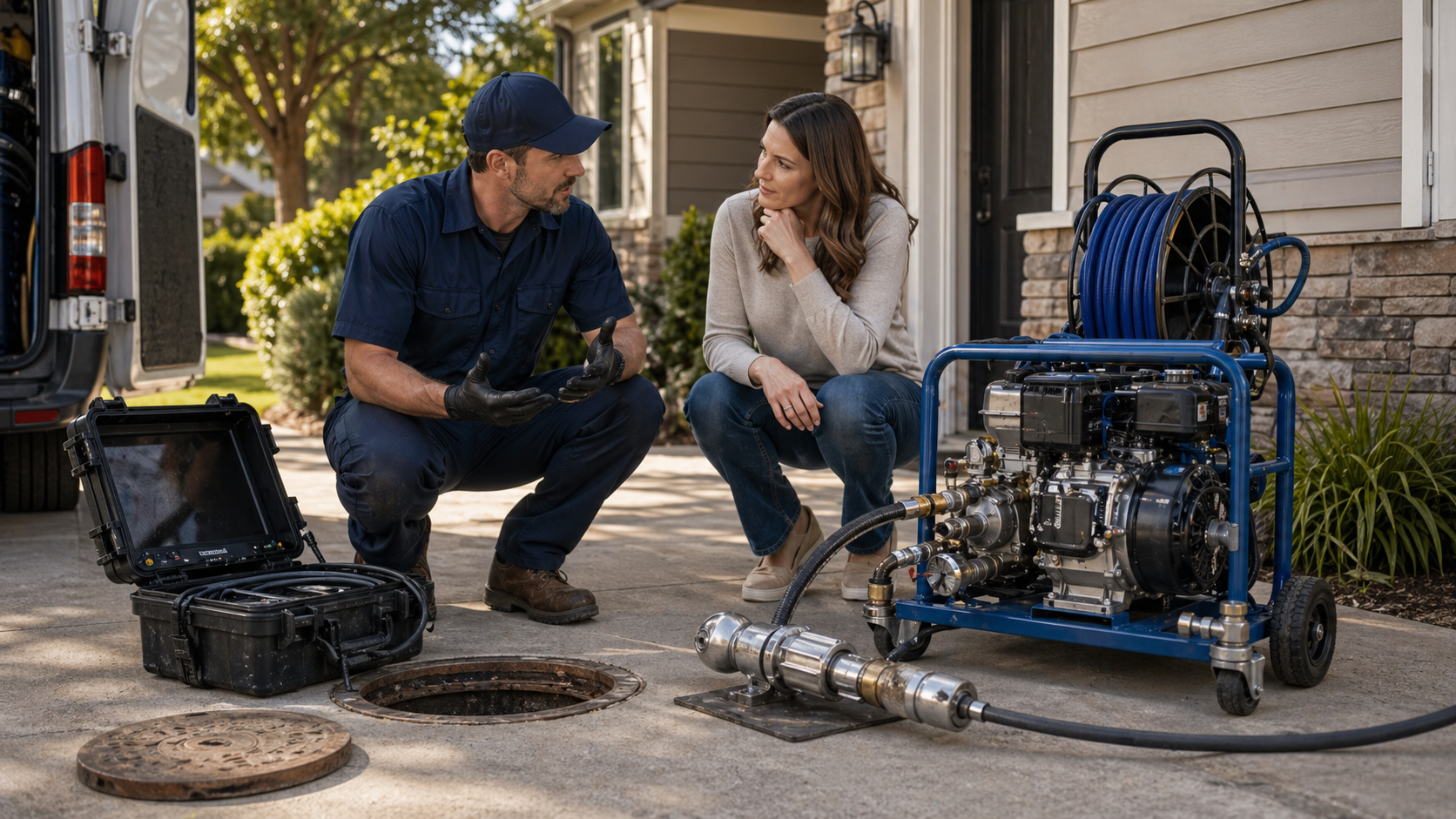
  2. We bring the jetting machine and sewer camera inspection equipment on the same truck, so we can inspect first when age, material, prior history, or visible warning signs make the pipe condition uncertain.
  3. If the pipe is sound, we jet it. If it is not, we tell you before any pressure touches it and walk through repair or replacement options based on what the camera showed.
  4. Call or text 801-317-8104, or email [email protected], if you are unsure whether hydro jetting is safe for your older line.

Common Questions

These follow-up questions turn the explanation into a practical decision tool. Definitions help, but the real value is knowing when the topic matters at a property.

For hydro jetting topics, the best next questions connect the concept to symptoms, access, inspection, and the next service decision.

Can hydro jetting crack a pipe?

Yes, if the pipe is already cracked, severely corroded, or made of a material like Orangeburg that cannot withstand high pressure. Hydro jetting does not crack sound pipes. The risk is applying pressure to a pipe that is already compromised.

Are old pipes automatically bad candidates for hydro jetting?

No. A 60-year-old cast iron pipe that is still thick-walled and structurally sound can handle jetting. A newer pipe that has been corroded thin or cracked by root intrusion cannot. Age raises the question. Condition answers it.

Should I always get a sewer camera inspection before hydro jetting?

Not always. If the home has modern PVC or ABS pipe, no history of sewer problems, and a straightforward blockage, jetting can often proceed. If the pipe material is unknown, the home is older, or problems keep recurring, inspection first is safer.

What if the pipe is too damaged for jetting?

The focus shifts to repair or replacement. Depending on the camera findings, that could mean a spot repair, partial replacement, or full lateral replacement using trenchless methods or excavation. Cleaning happens after the pipe is structurally sound.

How do I know what material my sewer pipe is?

Most homeowners do not know, and that is normal. Home age gives a rough guide, but a sewer camera inspection confirms the material visually and shows the current condition at the same time.

Read This Next

These articles stay close to the same decision without repeating this one. Use them when the symptoms, timing, or service path points in a slightly different direction.

Sewer Cleaning

Sewer Line Cleaning Near Me: What the Service Involves and What to Expect

If you are searching for sewer line cleaning near me, you have probably already figured out the problem is in the main line — multiple drains slowing, backups through the lowest fixture, gurgling when other fixtures run. The next question is: what does the cleaning visit actually involve? This article walks you through the full process — how the technician accesses the line, what equipment is used, how different cleaning methods work, what you see on screen during the visit, and what the results mean for your next step.

Hydro Jetting Cost Fit

Hydro Jetting Near Me: When Is It Worth the Cost?

Hydro jetting near me is one of the highest-searched terms for sewer and drain service in Northern Utah. Most homeowners searching it have already had a drain cleared at least once and are trying to figure out whether the higher-cost option is worth it. This article gives you the decision framework: five scenarios where jetting pays for itself, three where it does not, a side-by-side with snaking, and what the price actually depends on.

Sewer Camera Inspection

Sewer Camera Inspection Near Me: What It Shows, When You Need One, and What It Costs

A sewer camera inspection is the most underused and most valuable service in residential drain and sewer work. It is the only way to see what is actually happening inside your sewer line — pipe material, condition, blockage type, root entry points, grade problems, and structural damage. Every other decision — whether to clean, how often to maintain, whether to repair or replace — is a guess without it. This article covers what the inspection shows, when you need one, what the process looks like, and what affects the cost.

Source Log

These sources were used for background, claim checking, or local context. The article explains the topic in Mountain West's own words and does not copy outside article structure or long passages.

U.S. Environmental Protection Agencyparaphrased

Sanitary Sewer Overflows (SSOs)

Supports: Sanitary sewer overflows can back up into buildings, damage property, and create public-health concerns; sewer systems carry domestic and commercial wastewater to treatment facilities.

U.S. Environmental Protection Agencyparaphrased

Sanitary Sewer Overflow Frequent Questions

Supports: Common sewer blockage contributors include fats, oils and grease, wipes and other non-flushable products, roots entering defects, sediment, and other materials.

NASSCOparaphrased

Assessment

Supports: Internal television inspection is a major tool for assessing sewer-pipe condition and turning symptoms into documented findings.

Clinton City, Utahparaphrased

Sewer

Supports: Local sewer maintenance programs may remove roots, grease, and debris from public lines; bubbling, gurgling, or odors can also relate to venting and sewer-maintenance conditions.

Manual review note: Use as regional public-utility context only; it does not prove the cause of a private-property problem.

Related Next Steps

Next StepHydro JettingExplore hydro-jetting resolution if hydro jetting safety points toward deeper cleaning.Next StepSewer Camera InspectionUse this page if hydro jetting safety makes you want diagnostic footage before choosing the next path.Next StepGet A Free QuoteStart a free quote if you want service-fit or pricing guidance after this article.Next StepRead BlogCompare adjacent articles around hydro jetting safety before you choose the next path.

More for You

Follow-up blog articles chosen for this page so the next question stays close to the same decision path.

Can Hydro Jetting Help After a Plumber Already Cleared the Line Once? article image for Hydro Jetting.Blog ArticleCan Hydro Jetting Help After a Plumber Already Cleared the Line Once?Read this next for another hydro jetting angle that builds on this article.Sewer Camera Inspection Near Me: What It Shows, When You Need One, and What It Costs article image for Sewer Camera Inspection.Blog ArticleSewer Camera Inspection Near Me: What It Shows, When You Need One, and What It CostsOpen this if you want the sewer camera inspection side of the decision next.Sewer Camera Inspection: How Root Intrusion Is Found and What It Means article image for Sewer Camera Inspection.Blog ArticleSewer Camera Inspection: How Root Intrusion Is Found and What It MeansOpen this if you want the sewer camera inspection side of the decision next.Plumber Near Me for a Sewer Smell: What Service Do You Actually Need? article image for Sewer Camera Inspection.Blog ArticlePlumber Near Me for a Sewer Smell: What Service Do You Actually Need?Open this if you want the sewer camera inspection side of the decision next.

Quick Answers About Hydro Jetting and Old Pipes: When High-Pressure Cleaning Is Safe and When It Is Not

These are the quick answers most people want before they call, book, or decide on the next step.

What is this article about?

When old pipes can handle hydro jetting, when they cannot, and how pipe material, condition, and sewer camera inspection determine whether high-pressure cleaning is the right call. It connects the topic back to hydro jetting when readers are trying to decide on the right next move.

Who is this article best for?

Hydro jetting uses high-pressure water to clear grease, roots, scale, and debris from sewer and drain lines. It is one of the most effective cleaning methods available, but pressure that clears a sound pipe can worsen damage in a compromised one. It is most useful for readers trying to understand the issue before they book, compare services, or decide whether the symptoms point to a bigger sewer or drain problem.

What should I do after reading this article?

If the issue sounds familiar, the usual next step is to review the hydro jetting page or compare it with sewer camera inspection before deciding whether to request a quote, book service, or call for faster guidance.

How can I reach Mountain West?

Mountain West Hydro Jetting serves Northern Utah and the Salt Lake corridor. You can reach us at 801-317-8104 or [email protected].