Negs
Very professional and arrived fast. Would recommend to everyone. If I could give them 10 stars I would!
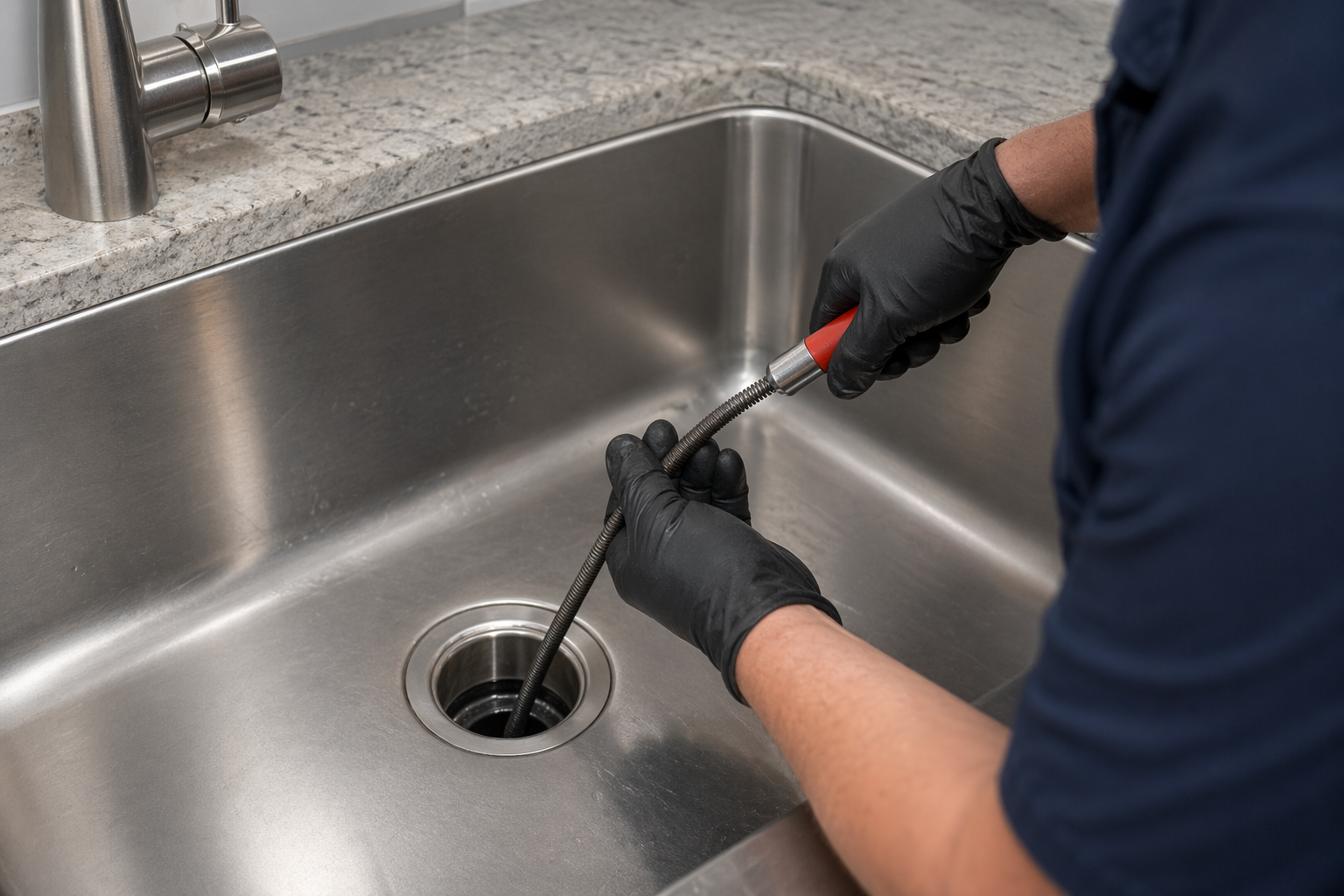
Main line drain cleaning for properties where multiple fixtures point to one larger drain restriction instead of a single isolated clog.
What you are seeing
You flush a toilet and the shower gurgles. The basement floor drain backs up when the washing machine runs. Two or three fixtures are acting up at the same time and none of them drain right.
When multiple fixtures react together, the restriction usually is not in any one of them. It is in the main line they all share - and that is where main line drain cleaning starts.
Who this is for
Homes where the lowest drain backs up whenever something else runs upstairs. Buildings where toilets, showers, and sinks are all slow at the same time. Properties where individual drain cleanings keep getting scheduled but the problem never actually goes away.
Main line drain cleaning is for the shared trunk line that connects every fixture to the sewer - the section that individual branch cleanings cannot reach.
What you walk away with
The main line gets cleared and flow is restored to every fixture connected to it. You find out what was causing the restriction - roots, buildup, debris, or a structural issue - and whether a single clearing will hold or the line needs further work.
If the main line shows damage or a pattern that will bring the clog back, you hear that directly on site with an explanation of what comes next.
Problem
Main line problems build quietly. A toilet starts flushing a little slower. A shower takes longer to drain. Then one day the basement floor drain backs up and suddenly every fixture in the house is affected. The pattern usually starts small and crosses a threshold all at once - because the shared line finally narrowed enough to restrict everything connected to it.
Main line drain cleaning targets the shared trunk line that individual branch cleanings do not reach - the section within the broader drain cleaning category where the problem affects the whole system, not just one fixture.
The goal is to open the main line, identify what caused the restriction, and give you a direct answer on whether the clearing will hold or the line needs a deeper solution.
Solution
Every drain in the building eventually feeds into one main line that carries everything to the sewer. When that main line develops a restriction - roots growing through a joint, years of buildup narrowing the pipe, or debris collecting at a low point - every fixture upstream slows down or backs up. Clearing one branch at a time will not fix it because the blockage is downstream of all of them.
Main line drain cleaning goes directly to the shared line. The work is scoped to the trunk that connects every branch to the sewer, which is the section that actually controls whether the whole system drains or does not.
Fit and situation bullets
Problem bullets
Customer Feedback
See what customers say after a main line drain cleaning — from restoring flow to multiple fixtures to the camera review showing whether the main line needs jetting, maintenance, or repair planning.
Leave a Review!These guys are great! I run a plumbing company but don’t do drains. I often sub contract them to service my customers sewer lines. They don’t only make me happy, but they keep my customers happy and that’s what matters to me most. Thanks guys!
Amazing experience! They are knowledgeable, kind, courteous and very thorough. Our clogged kitchen pipe was a bit of a challenge but they kept going and did everything they could to get it unclogged and they did it! They were very upfront with what caused the clog, gave us video recording of our pipes so we can see exactly what was done, double checked to make sure the pipes were clean and free of clogs and gave us steps on how to maintain the pipes moving forward. Highly recommend!!
This company is Awesome!!! Highly recommend that you call them for your drain cleaning and power washing needs! A++ in service, cost, and quality of work. Alex and Jacob completed drain work, patio cleaning, and filled in cracks in cement. The patio looks brand new! Thank you Alex and Jacob!!!
Alex was very good to work with. They were professional and punctual, working around my schedule. They were able to show me exactly before and after, even showing footage inside my pipes, which I have never seen before. I would recommend them.
Awesome experience! AJ was super professional and got us back in service. They offered us a few solutions and cleared our clogged sewer line for an excellent price
Very professional and arrived fast. Would recommend to everyone. If I could give them 10 stars I would!
Very pleased by my wonderful experience with this company and their service. They were very efficient and fast with their time. I appreciate their professionalism and commitment to the work they did for me!
Why Mountain West
Camera rated to 200 feet
Scopes up to 200 feet of pipe with live footage review so you see the main line condition firsthand - roots, buildup, offsets, or clear pipe. No guessing.
Jetting and camera on every call
Hydro jetting equipment deploys on every service call. Main lines with heavy root intrusion or wall buildup often need jetting pressure, not just cabling - and the camera confirms the result before we leave.
3,850 PSI jetting capability
Clears lines 2 to 12 inches in diameter at 3,850 PSI and 8 GPM with 300 feet of reach. That covers the full length and diameter range of most residential and light commercial main lines.
20+ years combined field experience
Not a new crew guessing at your main line.
Licensed and insured
Licensed for sewer, drain, and drainage system work .
Main line visits start by confirming the problem is actually in the shared line - not a coincidence of two separate branch clogs - then go straight to the trunk.
You leave the visit with every connected fixture draining again and a specific answer on what was in the main line and whether it will stay open.
Clearing opens the line. But if the restriction is caused by something that will rebuild or a structural issue that cleaning cannot fix, the next step is a different service. These cover what usually comes after a main line clearing that reveals a deeper problem.
Evidence
When roots keep growing back into the main line after every clearing, hydro jetting removes more root mass and buys more time between services - but the entry point may eventually need repair to stop the cycle.
When the camera shows offsets, cracks, bellies, or collapsed sections, the main line has a structural problem that no amount of clearing will resolve - repair or replacement becomes the conversation.
When the main line is clear but the system still drains slowly, the issue may be in the sewer line between the building and the city connection - a different scope than main line drain cleaning.
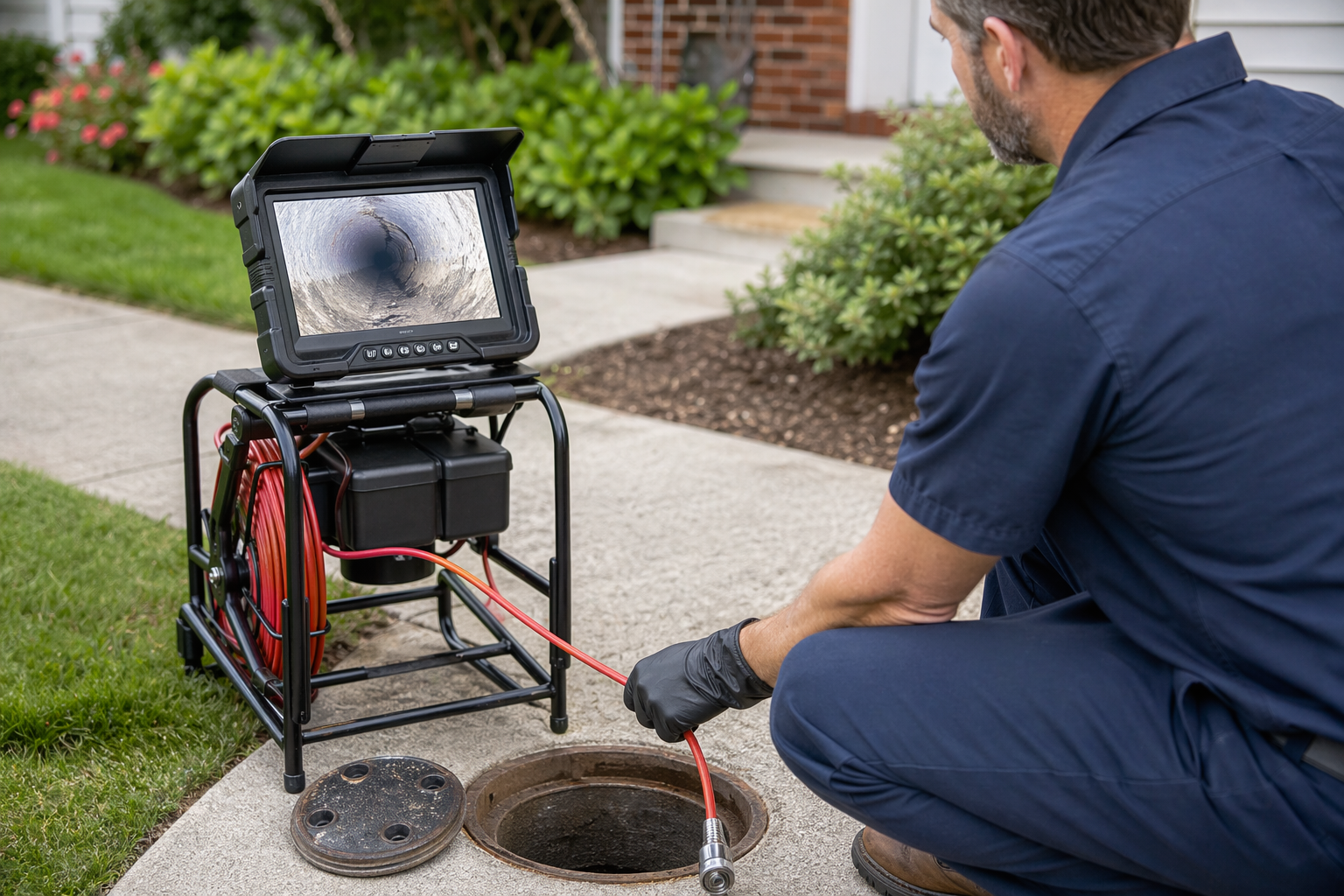 Next Service RouteSewer Camera InspectionFor property owners who need to see inside the line before committing to repair, replacement, or a maintenance plan.
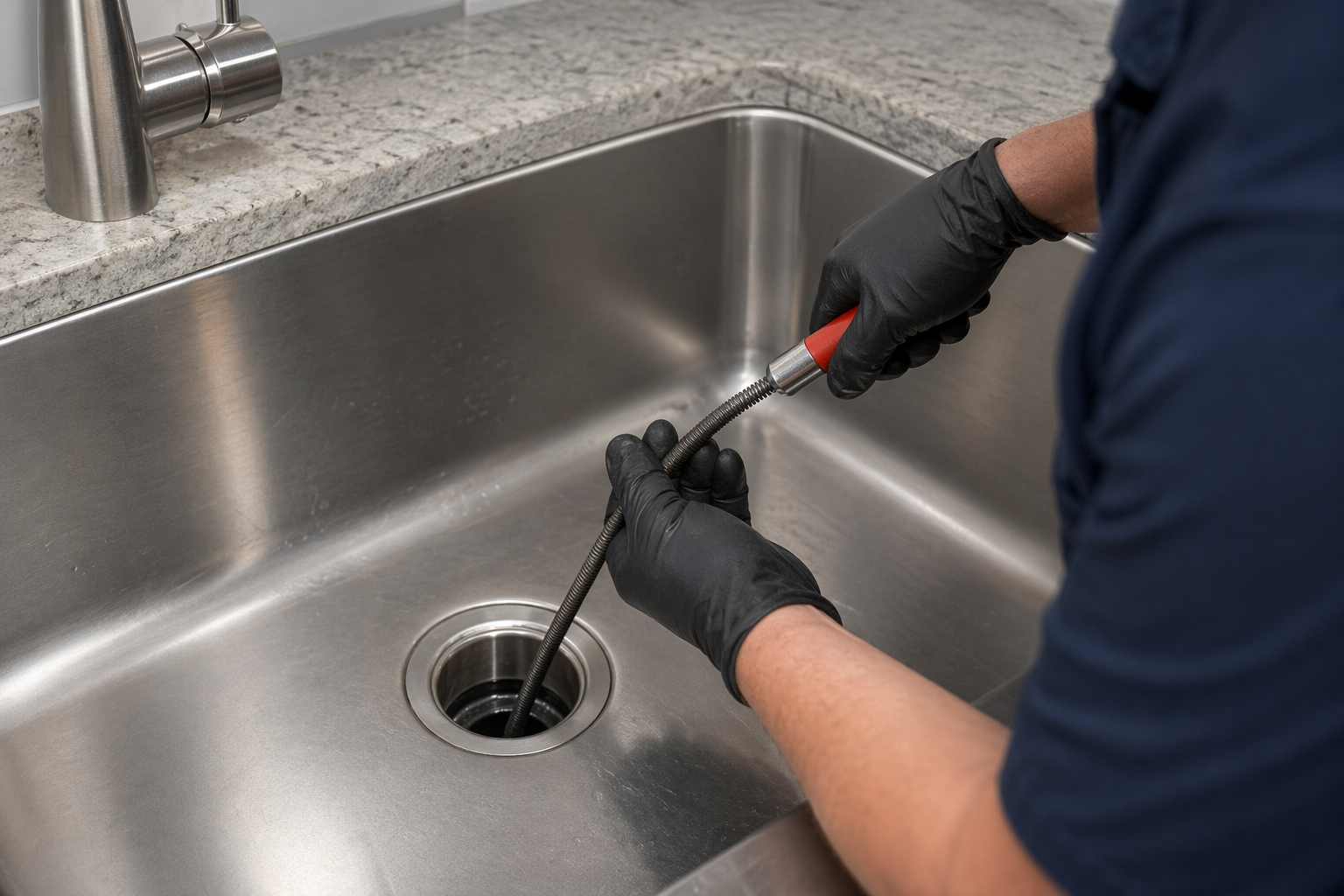 Next Service RouteEmergency Drain CleaningFor active backups, overflow risk, and drain problems that cannot wait for routine scheduling.
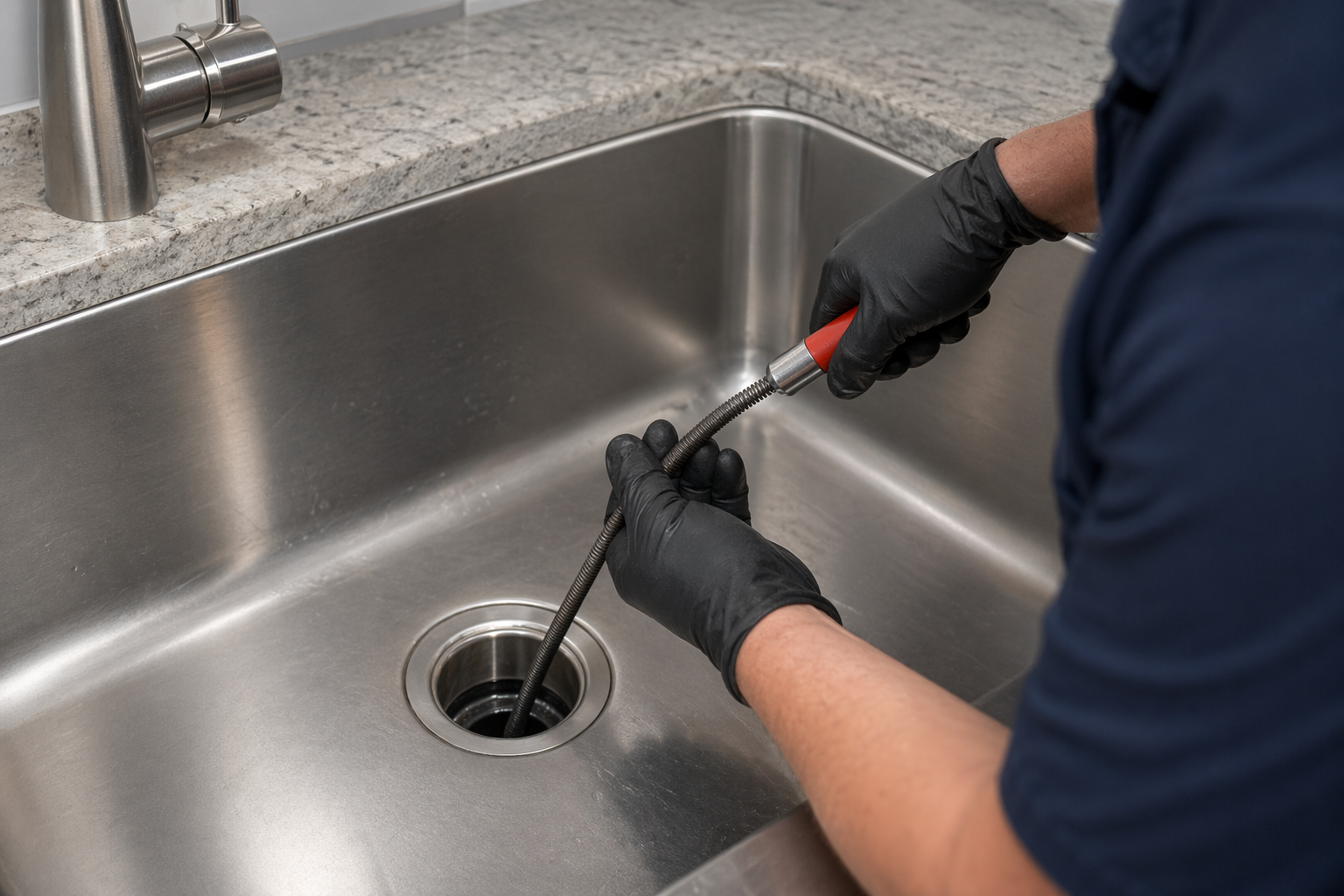 Next Service RouteCommercial Drain CleaningFor facilities where daily volume, grease, or tenant load is driving repeat main line problems.
Scope and timing
Cost
Support
These are the quick answers most people want before they call, book, or decide on the next step.
The clearest sign is multiple fixtures reacting together. If flushing a toilet makes the shower gurgle, running the washer backs up the floor drain, or every fixture in the building is slow at the same time, the restriction is almost certainly in the shared main line - not in any one branch. If only one fixture is affected, the problem is usually local to that drain.
The most common causes are root intrusion through pipe joints, grease and debris buildup along the pipe walls over years of use, and structural problems like offsets or bellies that trap material and create repeat blockages. Older homes with clay or cast iron mains are more prone to root intrusion and joint failure. Newer homes with PVC are more likely to see buildup or debris-related restrictions.
It depends on what is causing the restriction. If the blockage is debris or moderate buildup, a thorough clearing or jetting can keep the line open for a long time. If roots are entering through a cracked joint, they will grow back - clearing buys time but the entry point may eventually need repair. If the pipe itself is damaged, collapsed, or offset, cleaning is a temporary measure and repair is the long-term fix. We tell you which situation you are in after the visit.
They overlap but are not identical. Main line drain cleaning typically refers to the shared trunk line inside or directly under the building that all branch drains feed into. Sewer cleaning usually refers to the line that runs from the building to the city sewer connection at the street. Some problems involve both. The visit determines where the restriction actually is and what scope of work it needs.
Related Reading
These follow-up reads stay close to this service and answer the pricing, warning-sign, process, and comparison questions that usually come next.

Cost Question
Cost Question: Breaks down the main price drivers, what usually changes the quote, and how to compare service scope before you book.
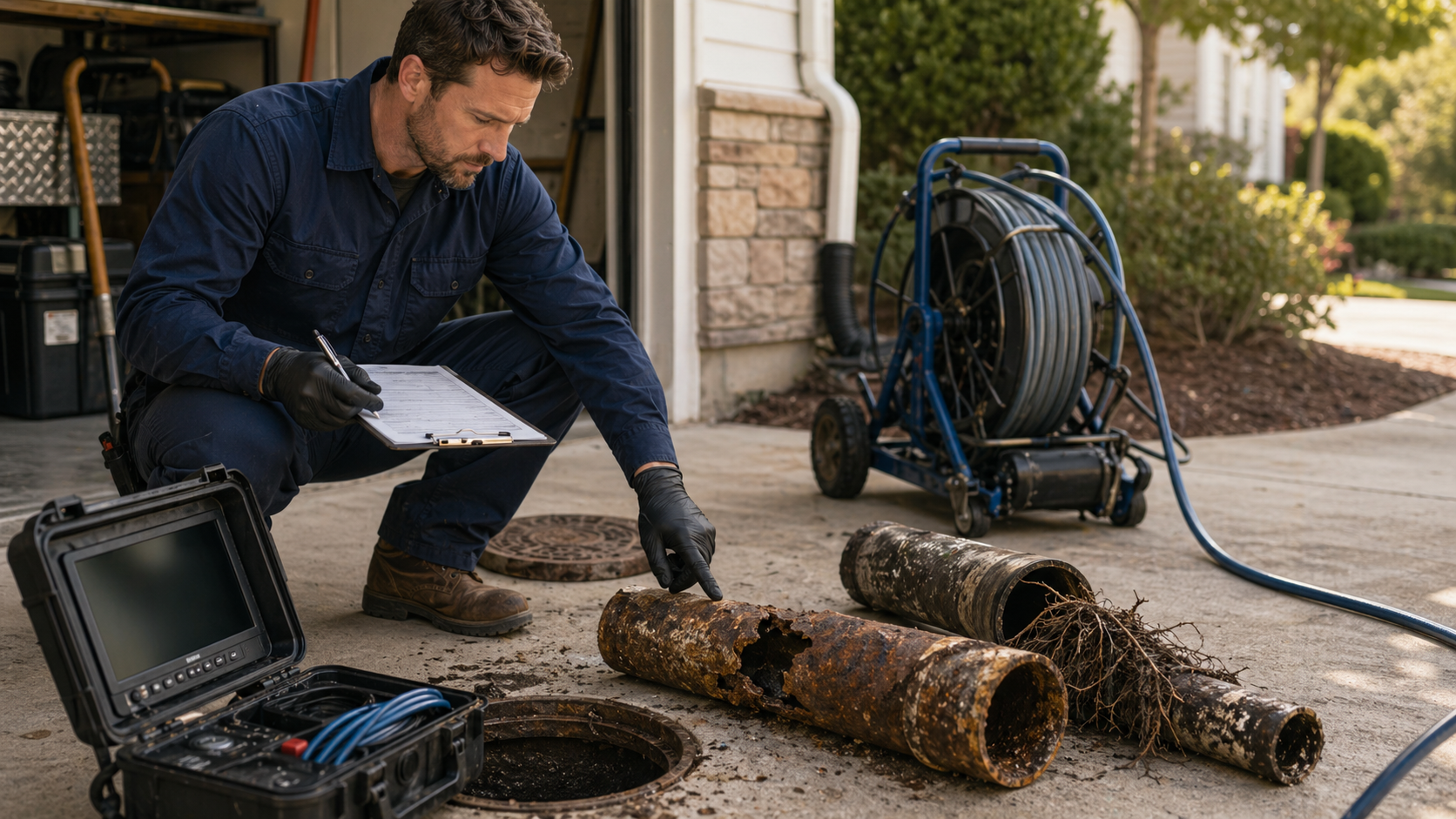
Warning Signs
Warning Signs: Explains the common causes, what pattern to watch for, and when the issue may point to structural damage or sewer-level problems.
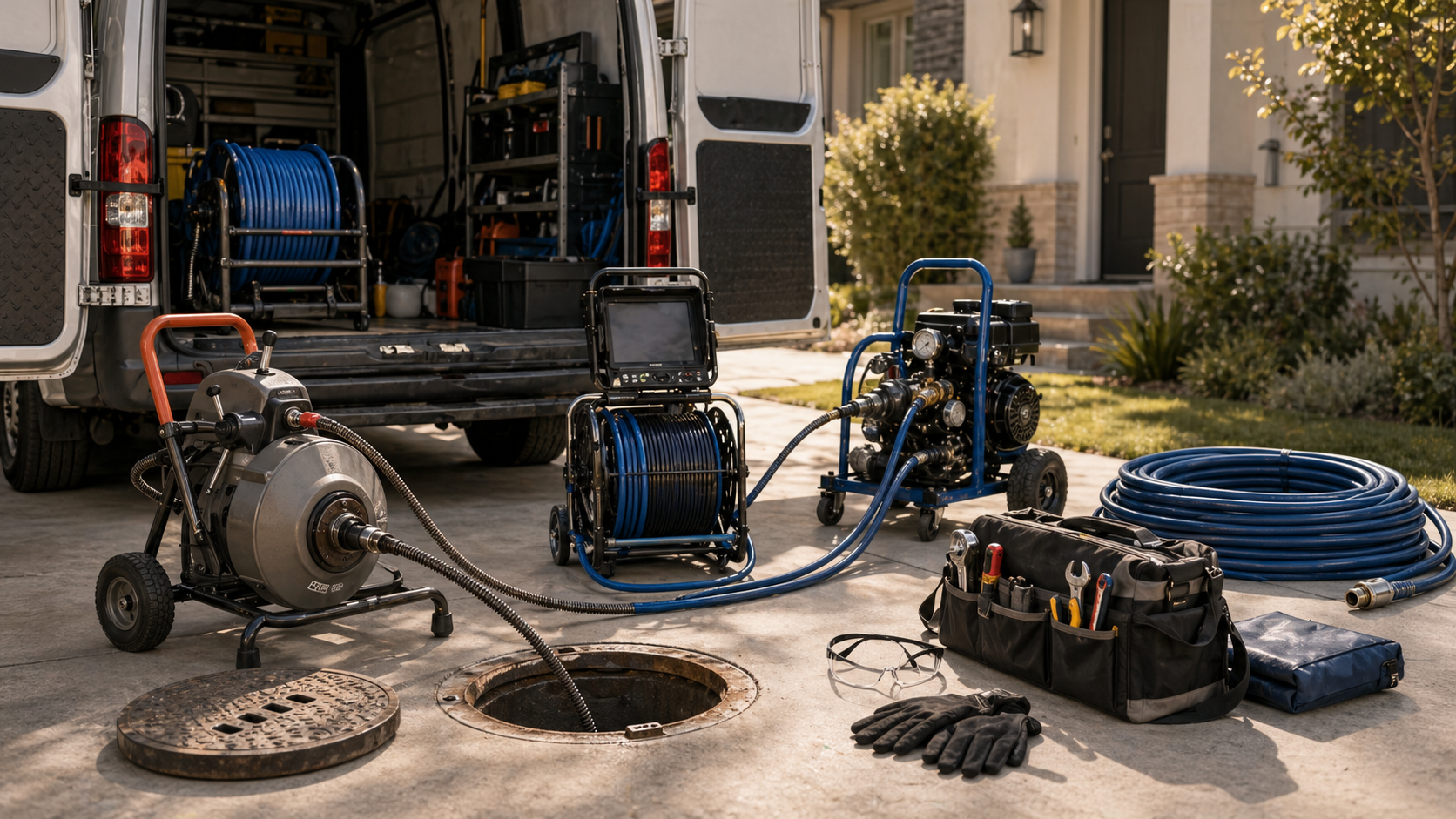
Service Explainer
What To Expect: Walks through what the service visit actually involves and which details matter before the work starts.