Negs
Very professional and arrived fast. Would recommend to everyone. If I could give them 10 stars I would!
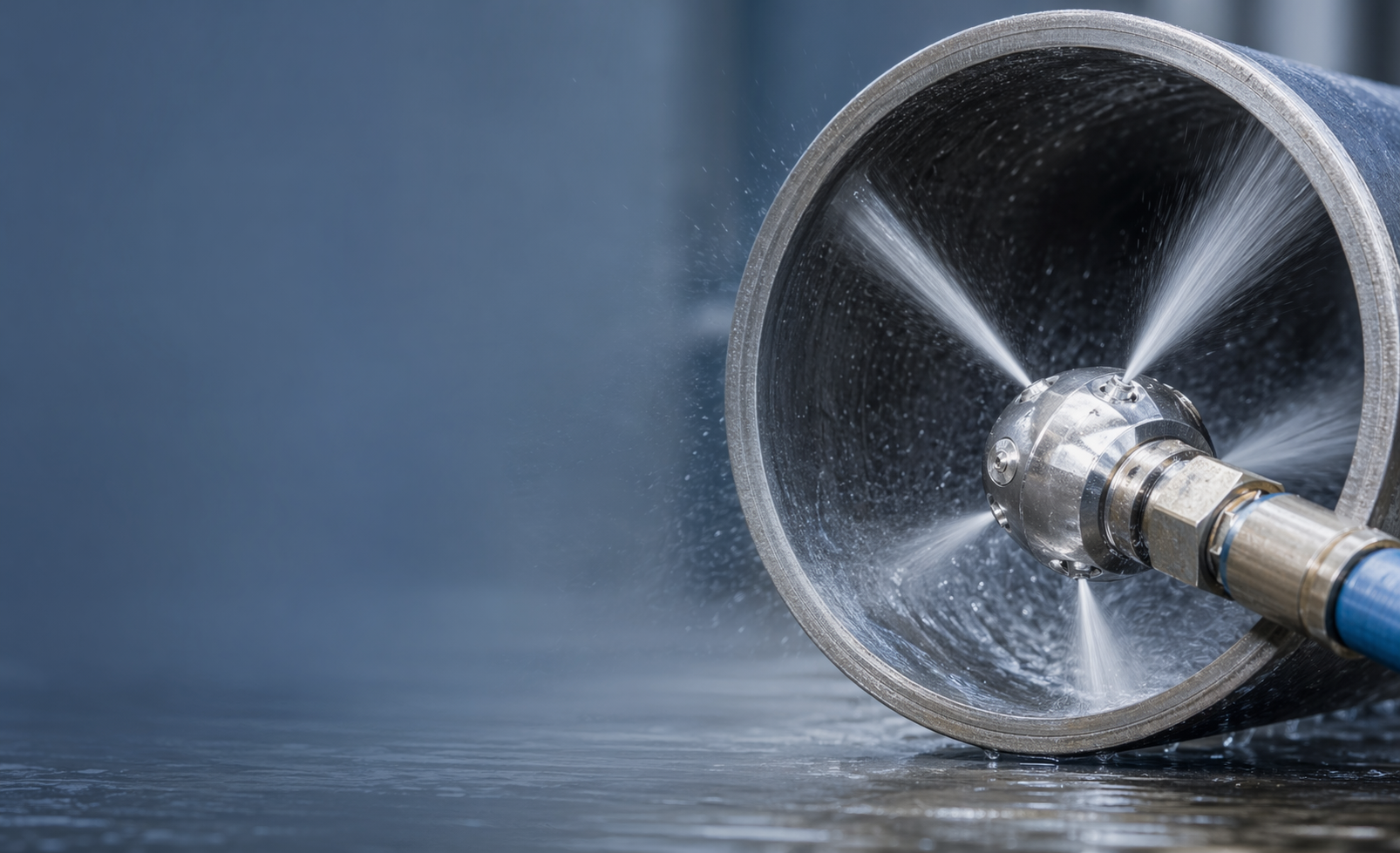
Pipe descaling for lines narrowed by mineral, rust, or hardened residue that needs a more aggressive cleaning strategy to restore usable flow.
What you are seeing
Drains that have been slow for months - not from one clog, but from mineral deposits, rust, or calcium crusting the inside of the pipe wall. Water still moves, but the usable diameter has been shrinking for years.
You may have already had the line snaked or cleaned and the problem came back within weeks, because the tool passed through the center without touching the buildup bonded to the pipe surface.
When this service fits
Pipe descaling fits when the restriction is not a single clog but a layer of mineral scale, calcium, iron deposits, orite that has hardened against the pipe wall and narrowed the interior over time.
This is the right path when the line is structurally sound but losing flow capacity because the inside surface has become rough and tight - common in older cast iron, galvanized steel, and clay lines across Northern Utah.
What you walk away with
After the descaling pass, you know how much usable pipe diameter was recovered, whether the wall underneath the scale is still in serviceable condition, and whether the line needs ongoing maintenance or has moved into repair territory.
If the pipe cleans up well, you are back to full flow with a maintenance baseline. If the descaling reveals cracks, heavy corrosion, or structural weakness underneath, you get that information before it becomes an emergency.
Problem
Scale does not form overnight. It builds gradually - calcium and mineral deposits layer onto the pipe wall year after year, hardening into a rough, narrowing crust that standard cleaning tools slide right past. By the time flow slows enough to notice, the pipe may have lost a quarter or more of its original interior diameter.
Northern Utah's hard water accelerates this process. Minerals in the water supply bond to pipe walls, especially in cast iron and galvanized lines that already have rough interior surfaces. Rust compounds the problem - iron pipes corrode from the inside out, and that corrosion gives mineral deposits a textured surface to grip. Each layer makes the next one stick faster.
The difference between descaling and standard cleaning is the difference between scrubbing the pipe wall and punching a hole through the middle. When the buildup is bonded to the surface, only pressurized water directed at the wall itself removes it.
Solution
Standard jetting clears obstructions. Pipe descaling goes after the pipe wall itself - stripping away the hardite, calcium crust, rust scale, andite deposits that have been narrowing the line for years. The nozzle selection, pressure profile, and pass count are all set for wall-contact cleaning rather than center-line clearing.
The difference matters because a cable or standard jetting pass restores flow through the middle of the pipe without touching the buildup bonded to the sides. Within weeks or months, that buildup narrows the channel again and the slow drain returns. Descaling removes the material causing the restriction, not just the symptom sitting on top of it.
Pipe descaling is not a fit for every line. It requires pipe that is structurally sound enough to handle sustained high-pressure wall contact. That is why the visit starts with a condition check - if the line is cracked, badly corroded, or already collapsing, aggressive cleaning would cause more damage than it solves, and the recommendation shifts to camera inspection and repair planning instead.
Fit and situation bullets
Problem bullets
Customer Feedback
See what customers say after pipe descaling — from the honest assessment of scale severity to the clear findings on whether the pipe needs descaling only or has structural issues beyond buildup.
Leave a Review!These guys are great! I run a plumbing company but don’t do drains. I often sub contract them to service my customers sewer lines. They don’t only make me happy, but they keep my customers happy and that’s what matters to me most. Thanks guys!
Amazing experience! They are knowledgeable, kind, courteous and very thorough. Our clogged kitchen pipe was a bit of a challenge but they kept going and did everything they could to get it unclogged and they did it! They were very upfront with what caused the clog, gave us video recording of our pipes so we can see exactly what was done, double checked to make sure the pipes were clean and free of clogs and gave us steps on how to maintain the pipes moving forward. Highly recommend!!
This company is Awesome!!! Highly recommend that you call them for your drain cleaning and power washing needs! A++ in service, cost, and quality of work. Alex and Jacob completed drain work, patio cleaning, and filled in cracks in cement. The patio looks brand new! Thank you Alex and Jacob!!!
Alex was very good to work with. They were professional and punctual, working around my schedule. They were able to show me exactly before and after, even showing footage inside my pipes, which I have never seen before. I would recommend them.
Awesome experience! AJ was super professional and got us back in service. They offered us a few solutions and cleared our clogged sewer line for an excellent price
Very professional and arrived fast. Would recommend to everyone. If I could give them 10 stars I would!
Very pleased by my wonderful experience with this company and their service. They were very efficient and fast with their time. I appreciate their professionalism and commitment to the work they did for me!
Why Mountain West
Camera rated to 200 feet
Scopes the full line before and after descaling so you see the wall condition, remaining scale, and any structural issues the buildup was hiding - up to 200 feet of pipe with live footage on screen.
Jetting and camera on every call
Both deploy on every pipe descaling visit. The camera confirms what the jetting removed and whether the pipe wall underneath is sound, all in one trip.
3,850 PSI jetting capability
Descaling-grade pressure at 3,850 PSI and 8 GPM strips bonded mineral deposits, calcium scale, and rust from pipe walls 2 to 12 inches in diameter across runs up to 300 feet.
20+ years combined field experience
Two decades of reading pipe condition, knowing which lines can handle aggressive descaling and which have already moved past cleaning into repair.
Licensed and insured
Licensed for sewer, drain, and drainage system work - the scope that covers what happens inside your pipe, not a general plumbing label.
The visit is built around the pipe condition, not a preset service package. What the camera shows before and after the descaling pass determines every recommendation.
You finish the visit knowing exactly how much flow capacity was restored, what the pipe wall looks like under the scale, and whether the line holds or needs the next step.
If the line condition points to something beyond pipe descaling - structural damage beneath the scale, root intrusion compounding the buildup, or a full sewer run that needs end-to-end cleaning - these are the services that typically follow.
Evidence
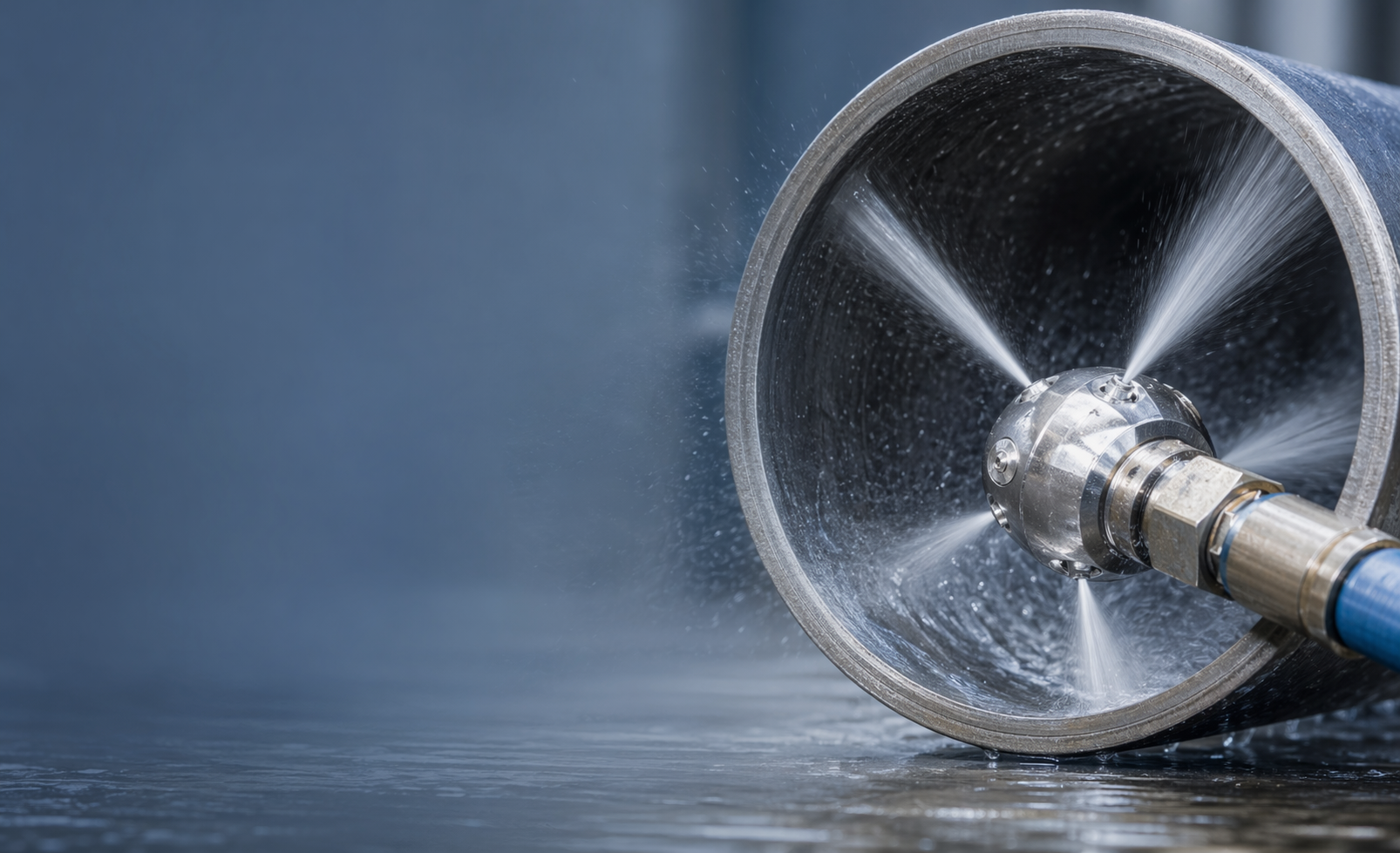 Next Service RouteSewer Hydro JettingWhen the problem extends beyond one scaled section into the full sewer run - grease, sludge, and debris accumulating across the entire main line from the house to the street.
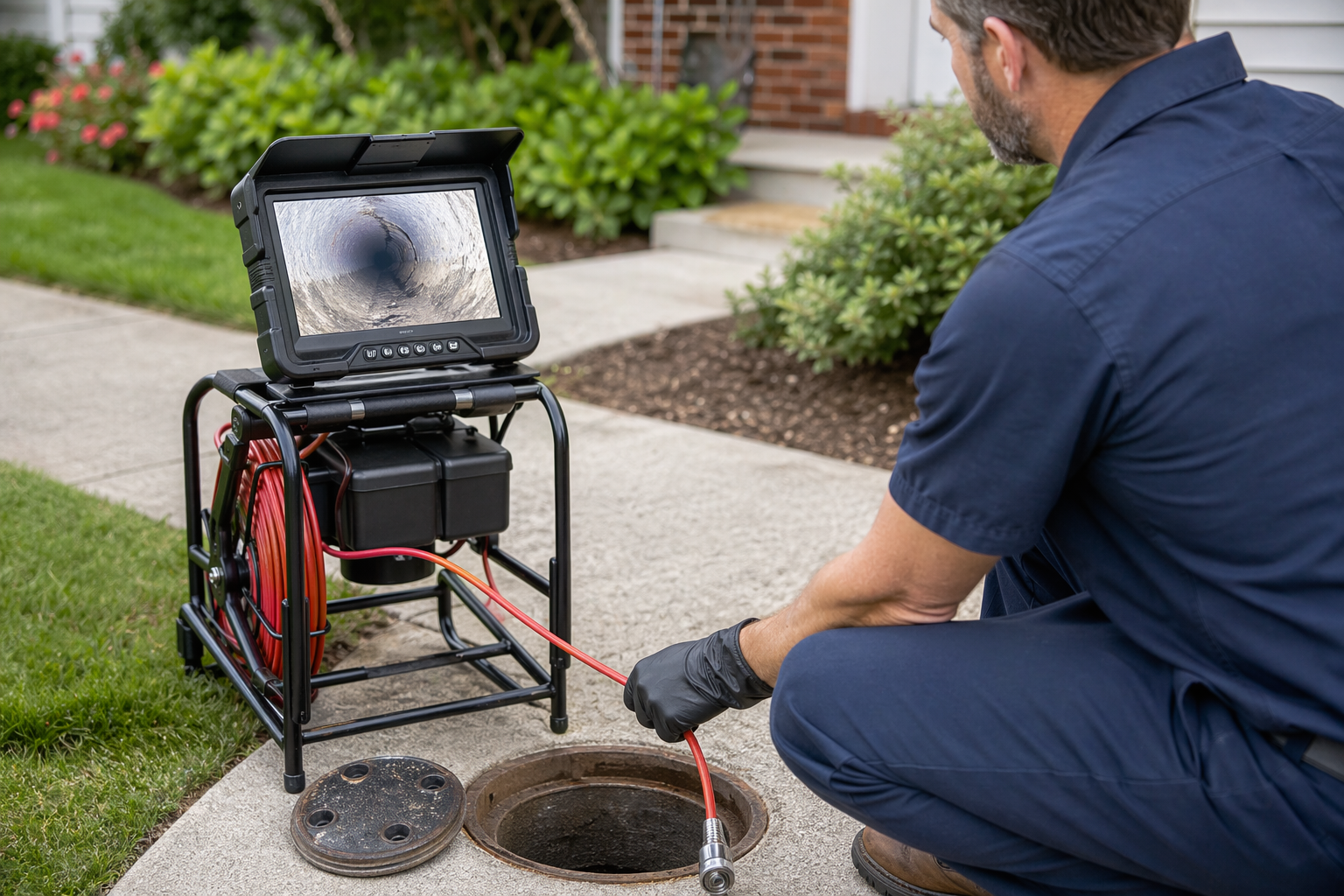 Next Service RouteSewer Camera InspectionWhen descaling revealed cracks, corrosion, or structural problems underneath the buildup and the next decision is whether to repair, reline, or replace the line.
Scope and timing
Cost
Support
These are the quick answers most people want before they call, book, or decide on the next step.
Pipe descaling removes mineral scale, calcium deposits, rust, and hardened residue bonded to the interior pipe wall that narrows usable diameter and causes chronic slow drainage. It restores flow capacity by cleaning the pipe surface itself, not just clearing a path through the center of the buildup.
Property owners with older cast iron, galvanized, or clay pipes that drain slowly despite repeated cleaning. These pipe materials develop interior scale from hard water minerals and corrosion over decades, and standard snaking or jetting passes through the center without removing the wall deposits causing the restriction.
A specialized descaling nozzle directs high-pressure water at 3,850 PSI against the pipe wall to strip bonded mineral deposits, calcium, and rust from the interior surface. Camera inspection before and after the pass confirms the pipe condition, how much diameter was recovered, and whether the line needs follow-up repair or is ready for regular service.
Know the approximate age of your pipes, what material they are made of if possible, and how long the slow drainage has been getting worse. If the line has been cleaned before and the problem returned quickly, that history helps determine the right nozzle selection and pressure approach for the descaling visit. Lines with structural damage may not be candidates for aggressive descaling and could need inspection first.
Related Reading
These follow-up reads stay close to this service and answer the pricing, warning-sign, process, and comparison questions that usually come next.
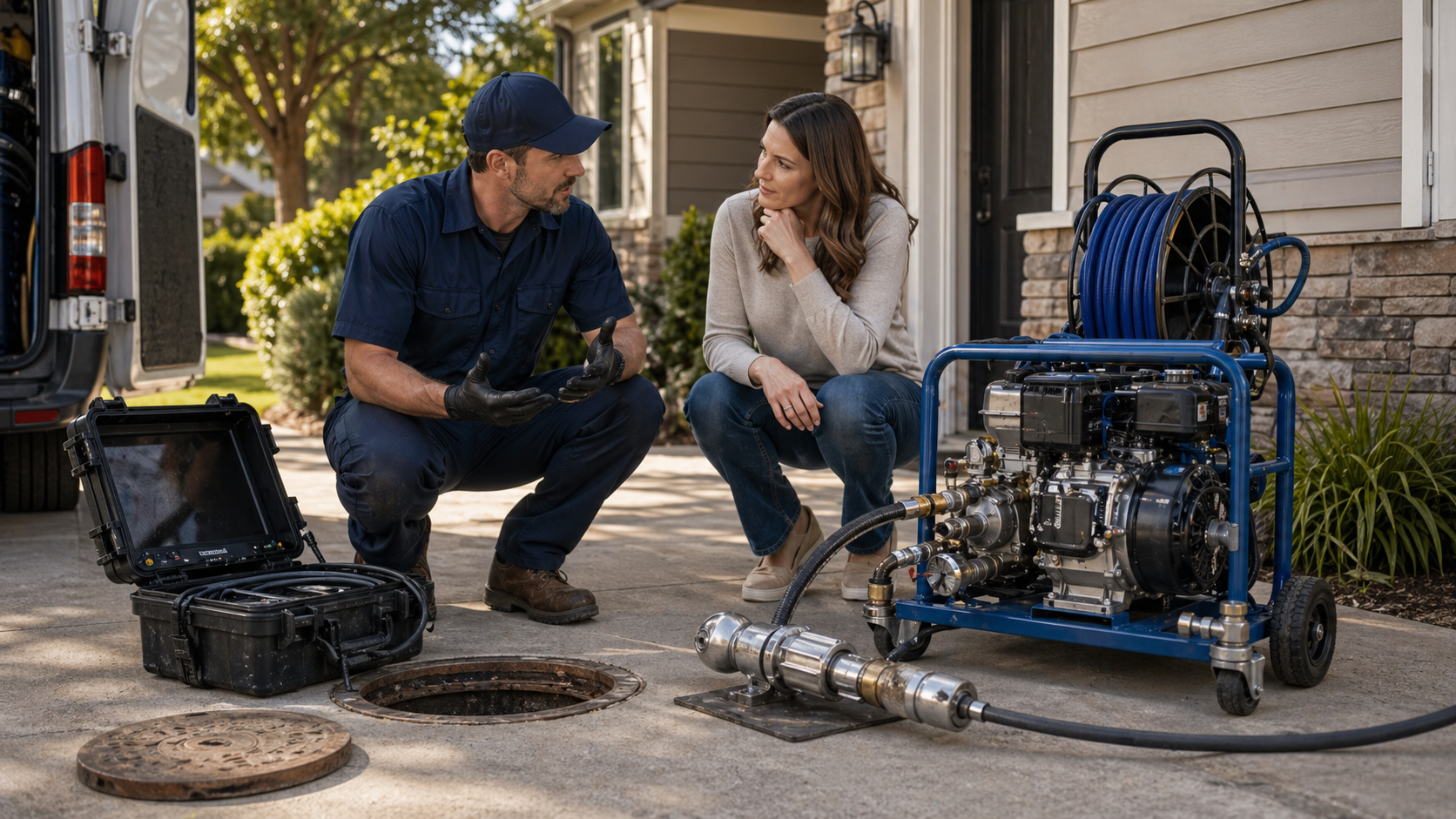
Cost Question
Breaks down the real price drivers behind hydro jetting and what separates a worthwhile visit from an overpriced one.
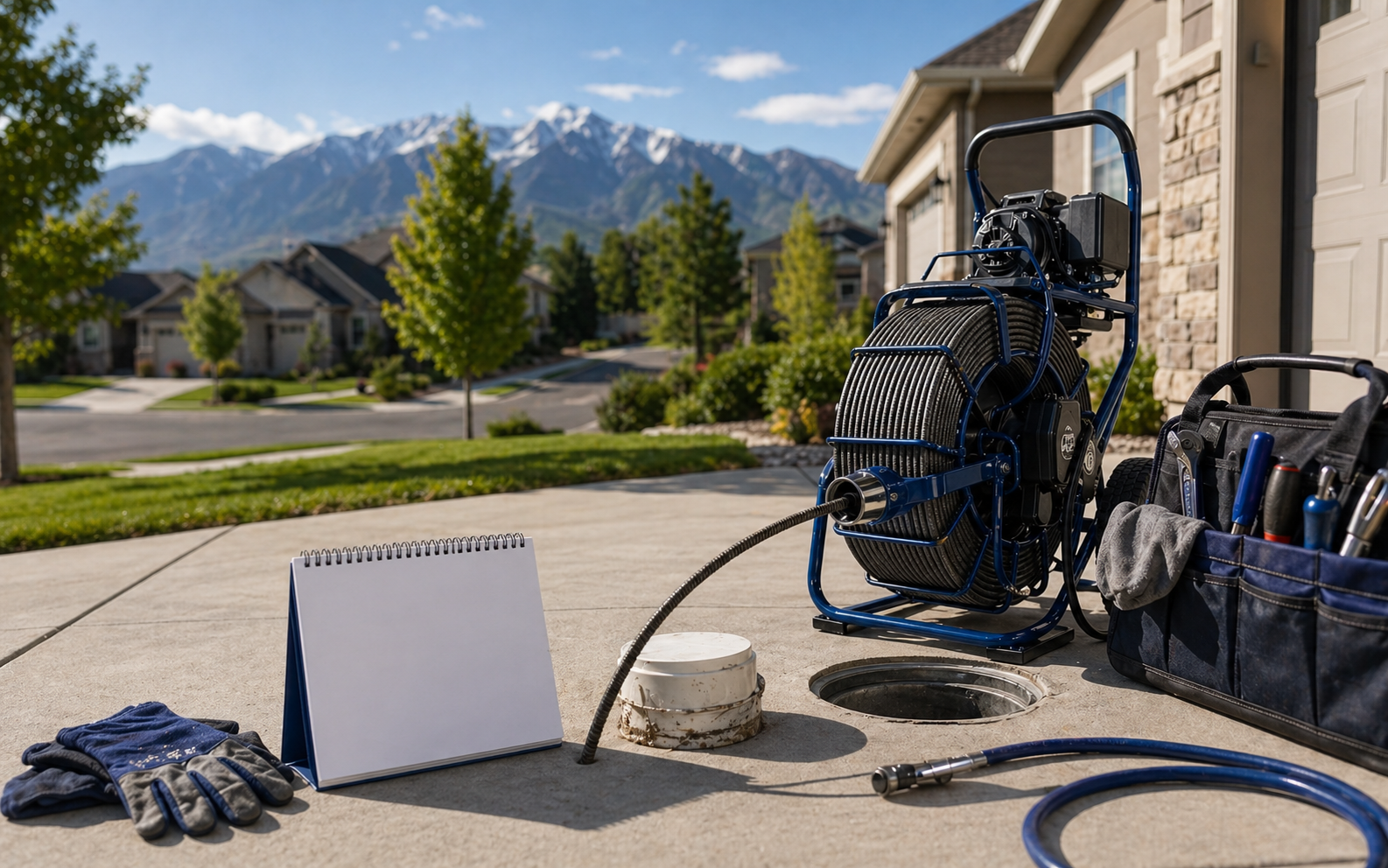
Service Explainer
Covers the assessment and setup steps that happen before any water hits the pipe, including access, camera, and nozzle decisions.
Cost Question
Explains the decision point between cable and jetting based on what is actually causing the blockage and how the line is responding.