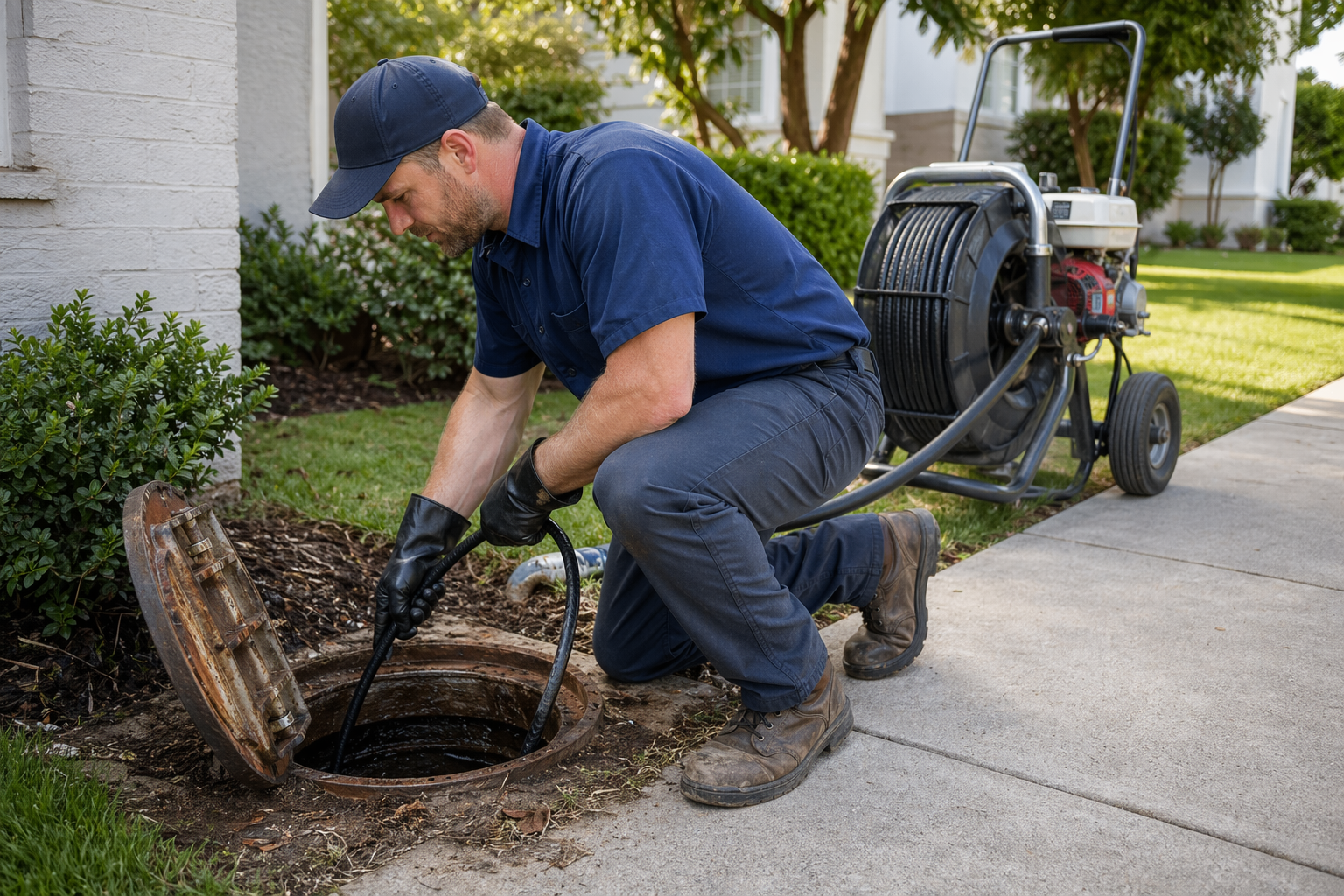
The visit starts by mapping the symptoms to the system. Which fixtures are slow? Which ones are reacting to other fixtures being used? Are the problems isolated to one area of the house, spread across multiple rooms, or connected to a pattern that only appears during heavy use? Those answers separate the branch drain issues from the sewer lateral issues - and in most combined calls, both sides have buildup contributing to the overall drainage failure.
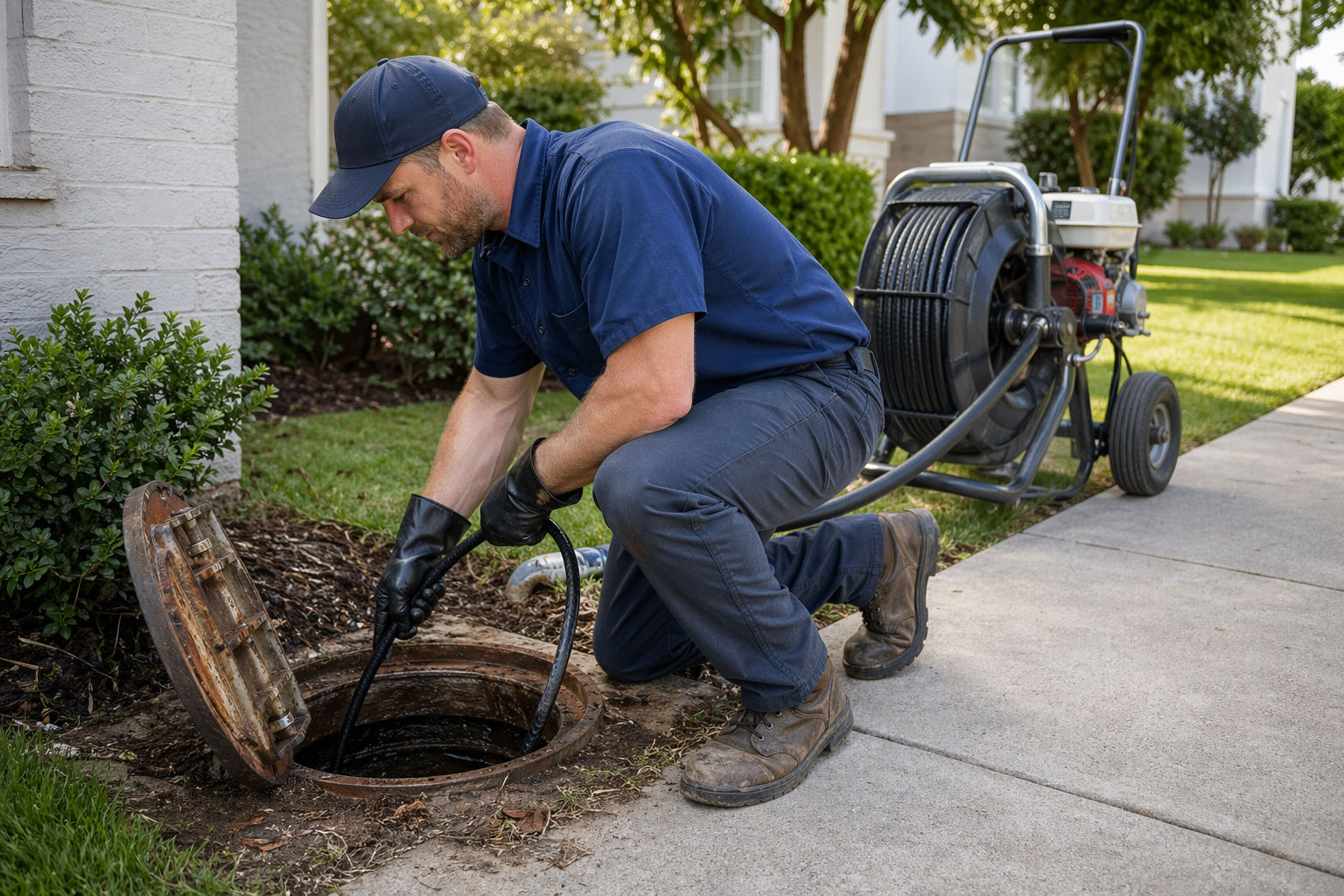
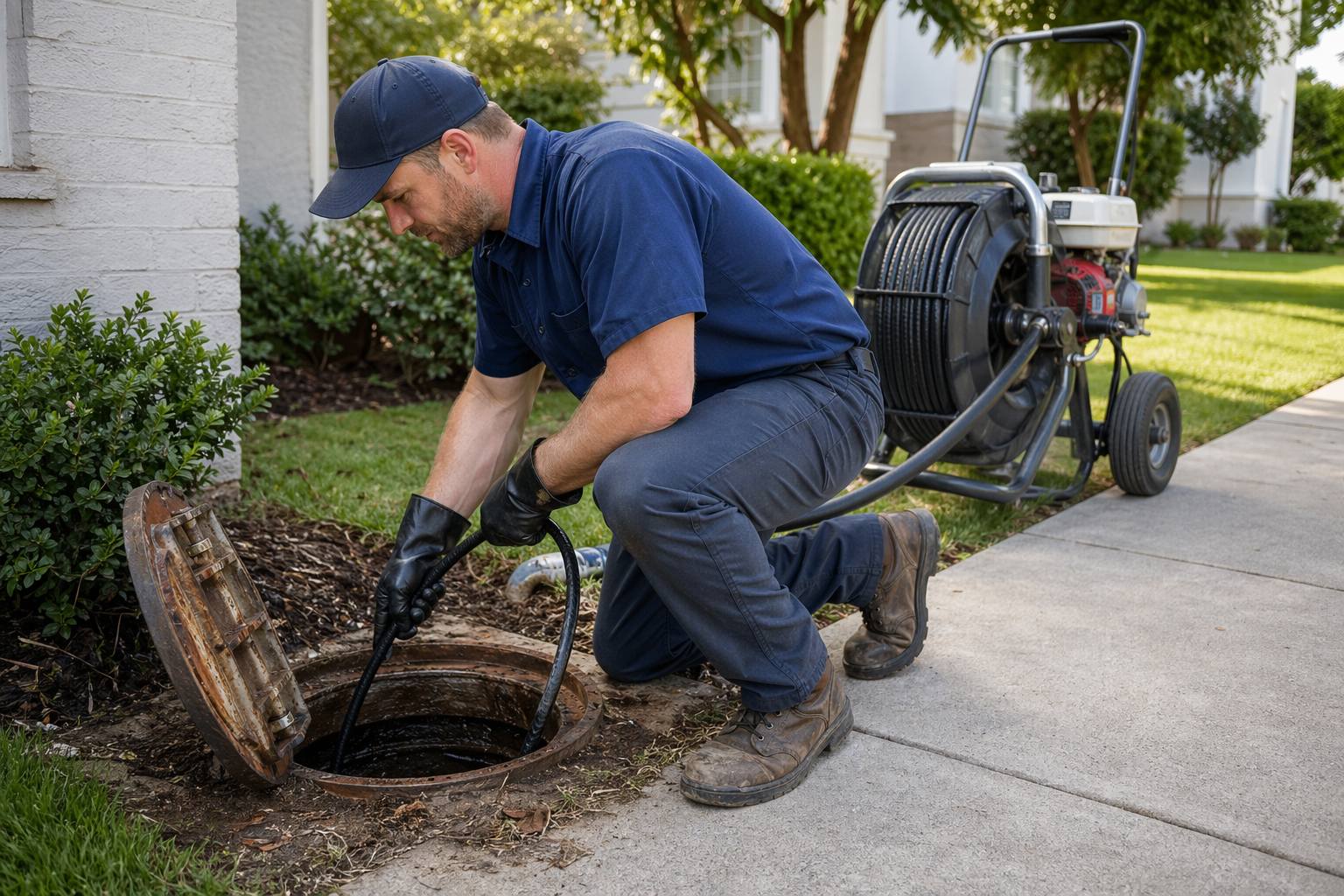
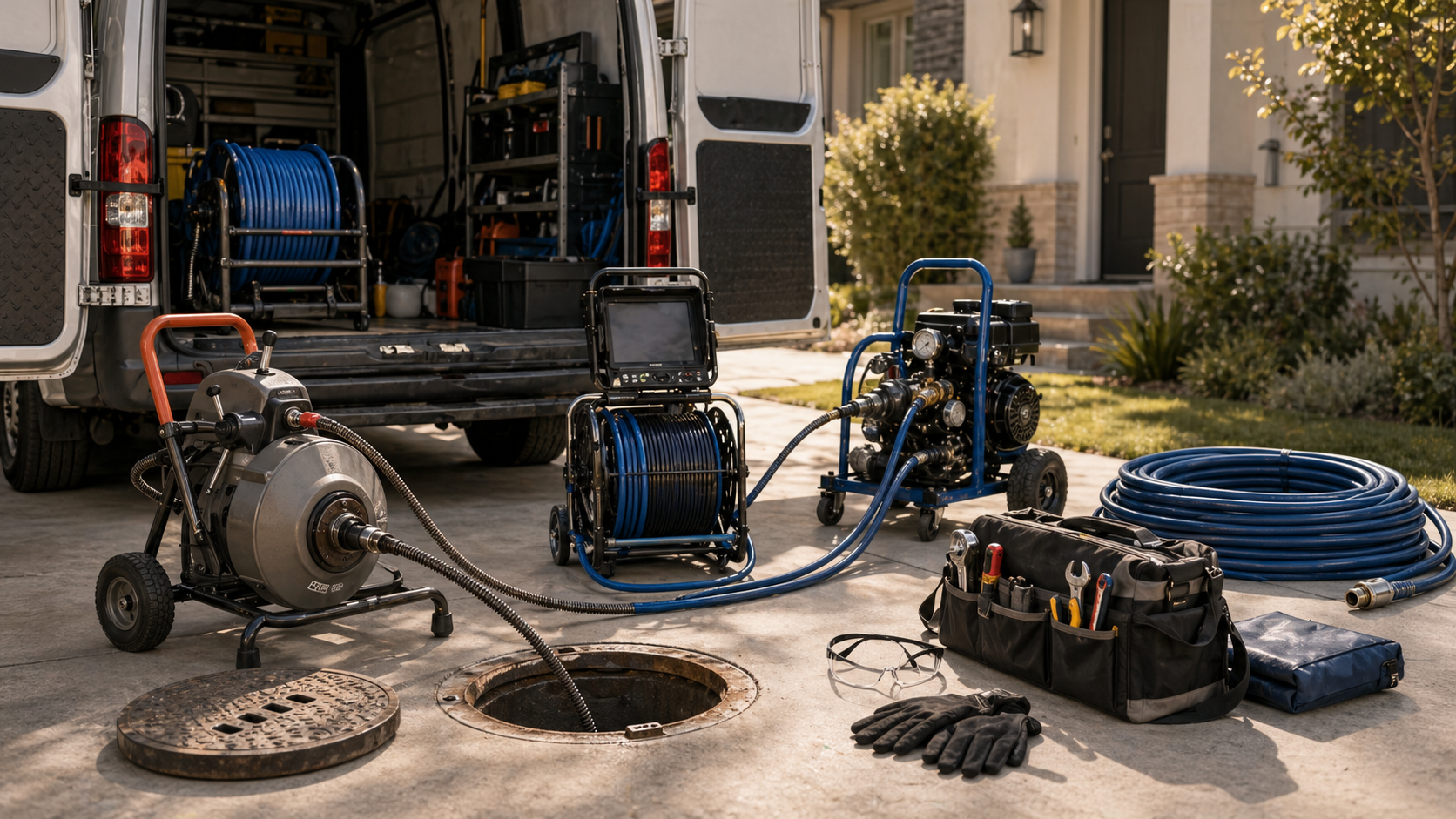
Once the assessment identifies which lines are involved, the cleaning is sequenced to address the system in order. The sewer lateral is typically cleaned first because it is the downstream pipe - clearing it first ensures that anything flushed out of the branch lines during their cleaning has somewhere to go. If the sewer lateral is clean and the branch lines are the sole problem, the scope stays focused on the drain side. If the sewer lateral is restricted but the branch lines are clear, the scope shifts to the sewer run. In most combined visits, both sides need work, and handling them in one trip prevents the diagnostic gap that causes repeat calls.
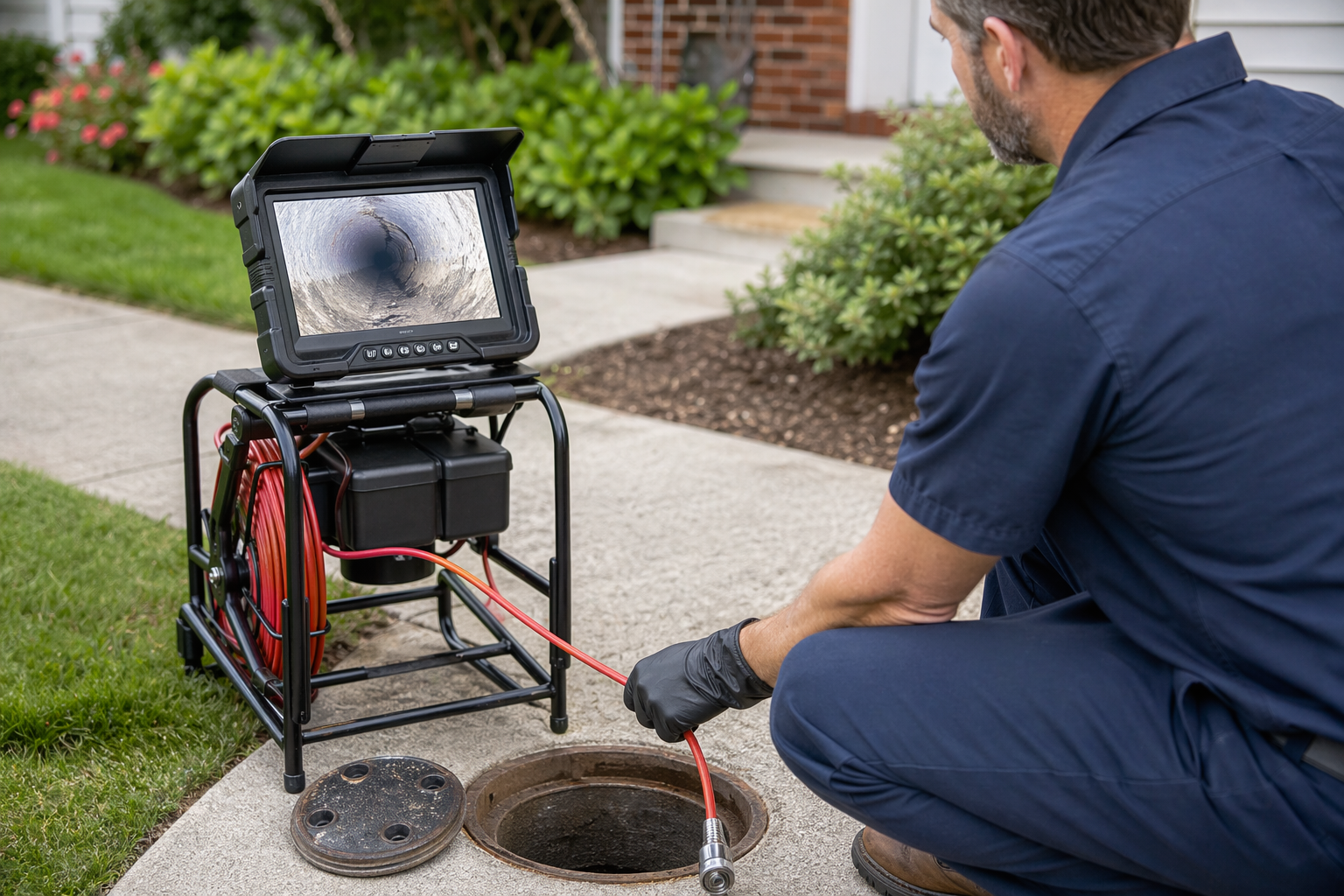
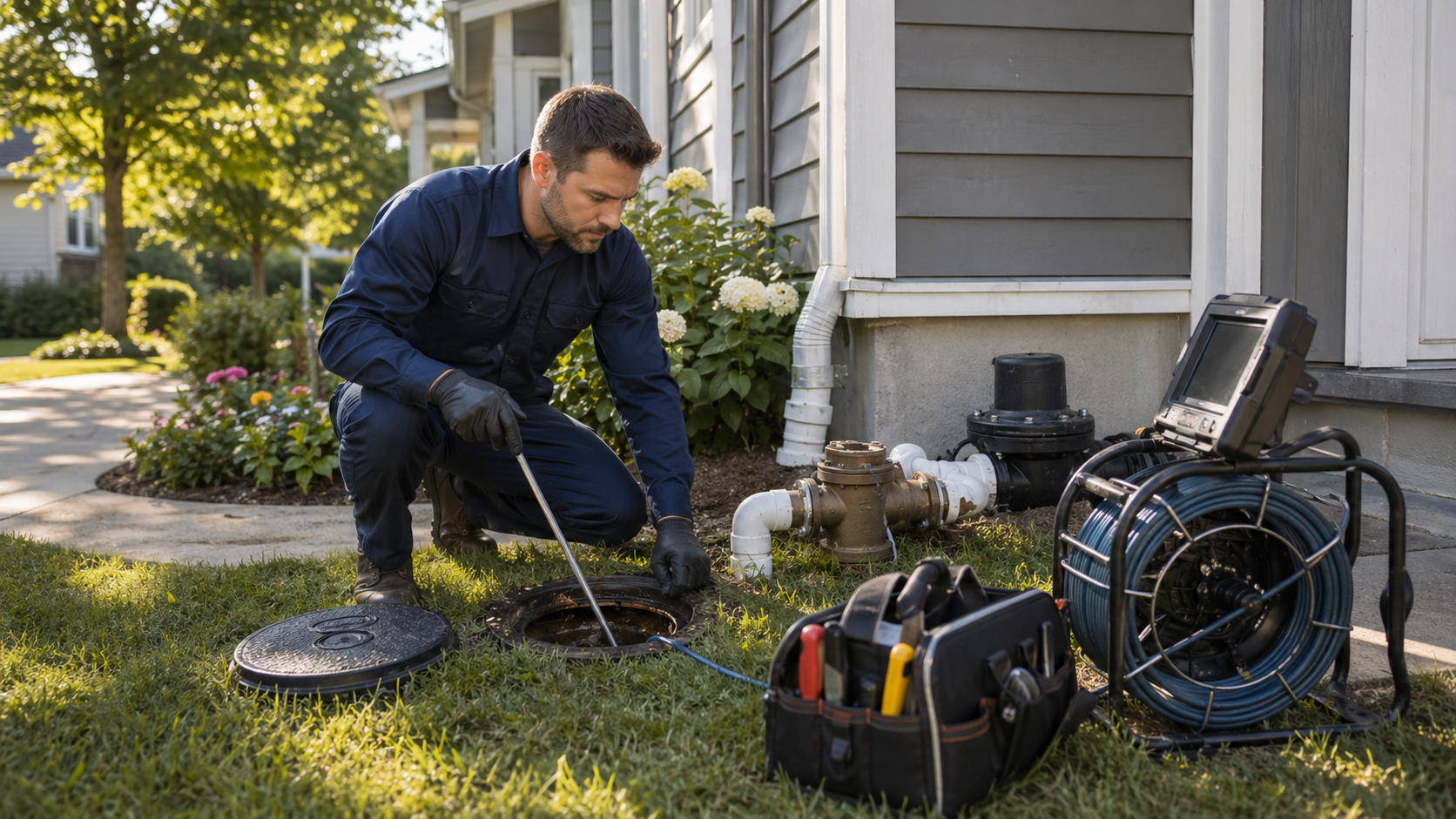
Camera inspection is included when the cleaning alone does not explain why the symptoms were overlapping. If a branch line clears but the sewer lateral shows wall buildup that was masking a structural issue, or if the sewer lateral opens up but a branch run has root intrusion at a joint that will return in months, the camera documents those findings so the follow-up recommendation is specific - not a guess about which side will fail next.