
Negs
Very professional and arrived fast. Would recommend to everyone. If I could give them 10 stars I would!
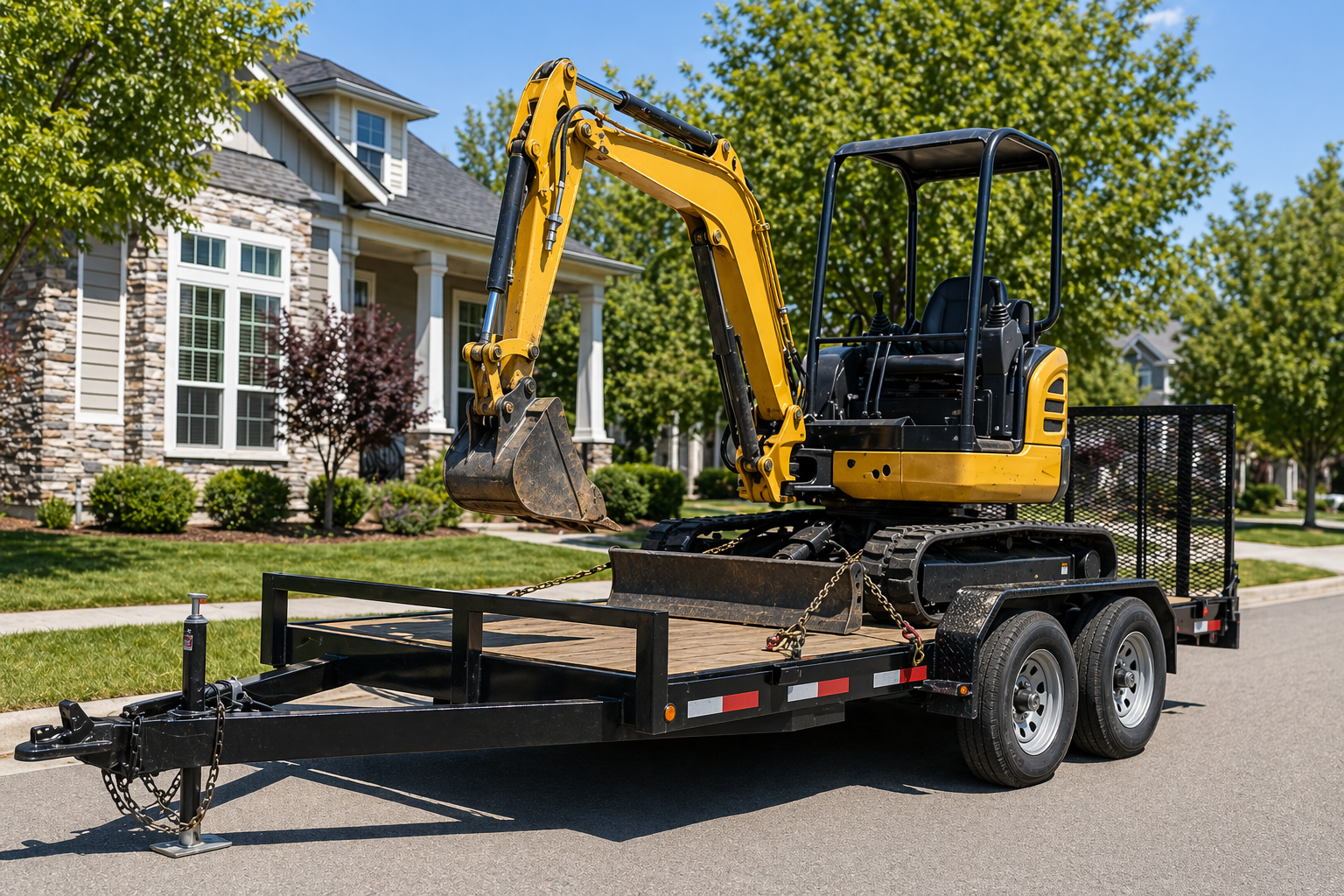
Driveway cut for sewer repair when the sewer access path runs beneath flatwork and the surface impact needs to be scoped clearly.
What you are seeing
Someone told you the sewer line runs under the driveway - and the only way to reach the damaged section is to cut through the concrete. That is not the news anyone wants to hear. The sewer repair itself is one cost. Cutting and restoring the driveway is another. And in between, there is a trench in the middle of your property where you normally park.
Before any concrete is cut, the right question is whether the driveway cut is actually necessary - or whether the pipe can be reached from a different access point, or repaired with a trenchless method that avoids the surface entirely. A driveway cut for sewer repair should be the last option, not the first assumption.
When this service fits
A driveway cut for sewer repair fits when the damaged sewer section sits directly beneath the driveway or flatwork and there is no alternative access path - no cleanout upstream, no yard-side trench route, and no trenchless option that works for the pipe condition, material, or damage type.
When a driveway cut is necessary, the scope covers everything: camera-confirmed damage location, saw-cut sizing to minimize the opening, excavation to the pipe, the sewer repair itself, backfill, compaction, and surface restoration. One project, one crew, one quote - not separate contractors for the sewer and the concrete.
What you walk away with
After the work, the damaged sewer section has been replaced with new pipe, the trench has been backfilled and compacted, and the driveway surface has been restored. You have camera footage confirming the new pipe is connected and flowing, and a clear explanation of what was found during the excavation - whether the damage was isolated to the section that was repaired or whether adjacent pipe showed conditions worth monitoring.
The driveway cut is sized to the minimum opening needed to access the pipe. The restoration matches the existing surface as closely as the concrete age and condition allow. You are not left with an open trench, a temporary patch, or an unfinished surface.
Problem
Not every sewer repair requires cutting through the driveway. But some do - and when the damaged section of pipe sits directly beneath concrete that cannot be bypassed, the driveway cut is the access method that reaches it. The pipe is too deep for a trenchless liner to navigate. The damage is too severe for rehabilitation. The pipe material does not support a pull-through repair. Or the damaged section sits at a junction or fitting that can only be replaced by direct exposure. In those cases, the concrete has to come up to reach the pipe underneath.
The homeowner's concern with a driveway cut is almost never the sewer repair itself - it is the driveway. How much concrete gets removed? How long is the driveway unusable? What does the restoration look like? Will the patch match? Will it crack? Will it settle? Those are the questions that drive the search for driveway cut for sewer repair, and they deserve specific answers before any work begins. The saw-cut size is determined by the pipe depth and the working space needed for the repair - typically a rectangular section just wide enough to excavate safely and access the damaged pipe. The concrete is saw-cut cleanly at straight edges rather than jackhammered, because clean edges produce a tighter patch that matches the surrounding surface better. After the sewer repair is complete and the trench is backfilled and compacted, the concrete is poured back to match the existing driveway thickness. The patch is finished to blend with the surrounding surface, though color matching on older concrete depends on how much the original has weathered.
A driveway cut should be the smallest opening that gives safe access to the pipe. The sewer repair and the surface restoration should be one project with one quote. And the first step should always be confirming that the driveway cut is actually necessary - because if there is a path to the pipe that avoids the concrete, that is the path to take.
Solution
The project starts with camera footage that confirms the exact location, depth, and nature of the sewer damage beneath the driveway. That footage determines whether a driveway cut is actually required - or whether the pipe can be accessed from a different direction, repaired with a trenchless method, or reached through an adjacent cleanout that avoids the concrete. If the camera confirms the damage sits directly under the driveway with no alternative access path, the driveway cut is scoped to the minimum opening needed.
The concrete is saw-cut in a rectangular section sized to the pipe depth and the working space required for the excavation and repair. Saw-cutting produces clean, straight edges - no jagged breaks, no unnecessary damage to surrounding concrete. The cut section is removed, the earth beneath is excavated to the pipe depth, and the damaged sewer section is exposed. The repair is performed - section replacement with new pipe, new fittings, and new connections - and the camera verifies the completed work before backfill begins.
After the repair is verified on camera, the trench is backfilled in layers and compacted to prevent settling beneath the restored concrete. The concrete is poured back to match the thickness of the existing driveway, finished to the same surface texture, and cured. The finished patch sits flush with the surrounding driveway. Color will match as closely as the age and weathering of the original concrete allows - on newer driveways the blend is typically close, on heavily weathered driveways the patch may be visually distinguishable but structurally sound and level.
Fit and situation bullets
Problem bullets
Customer Feedback
See what customers say after a driveway cut sewer repair — from the minimized cut size and finished surface to the clear communication on what the repair involved and how the driveway was restored.
Leave a Review!These guys are great! I run a plumbing company but don’t do drains. I often sub contract them to service my customers sewer lines. They don’t only make me happy, but they keep my customers happy and that’s what matters to me most. Thanks guys!
Amazing experience! They are knowledgeable, kind, courteous and very thorough. Our clogged kitchen pipe was a bit of a challenge but they kept going and did everything they could to get it unclogged and they did it! They were very upfront with what caused the clog, gave us video recording of our pipes so we can see exactly what was done, double checked to make sure the pipes were clean and free of clogs and gave us steps on how to maintain the pipes moving forward. Highly recommend!!
This company is Awesome!!! Highly recommend that you call them for your drain cleaning and power washing needs! A++ in service, cost, and quality of work. Alex and Jacob completed drain work, patio cleaning, and filled in cracks in cement. The patio looks brand new! Thank you Alex and Jacob!!!
Alex was very good to work with. They were professional and punctual, working around my schedule. They were able to show me exactly before and after, even showing footage inside my pipes, which I have never seen before. I would recommend them.
Awesome experience! AJ was super professional and got us back in service. They offered us a few solutions and cleared our clogged sewer line for an excellent price
Very professional and arrived fast. Would recommend to everyone. If I could give them 10 stars I would!
Very pleased by my wonderful experience with this company and their service. They were very efficient and fast with their time. I appreciate their professionalism and commitment to the work they did for me!
Why Mountain West
Camera rated to 200 feet
Confirms the exact location and depth of the sewer damage beneath the driveway before any concrete is cut - up to 200 feet of pipe with live footage review - so the cut is sized to the pipe, not estimated from the surface.
Jetting and camera on every call
If the line needs clearing before the camera can reach the damaged section, jetting equipment is already on the truck. The line is opened and the camera pinpoints the damage location in the same visit - no separate trip to confirm what is under the driveway before scheduling the cut.
3,850 PSI jetting capability
Pre-repair clearing at 3,850 PSI and 8 GPM across pipes 2 to 12 inches in diameter with 300 feet of reach - so the camera enters a clean pipe and the damage location is confirmed precisely, which keeps the driveway cut as small as possible.
20+ years combined field experience
Two decades of sewer excavation in Northern Utah - knowing when a driveway cut is the only option, when an alternate access path exists, and how to scope the cut to minimize surface impact while maintaining safe working space for the repair.
Licensed and insured
Licensed for sewer, drain, and drainage system work - including the excavation, pipe replacement, backfill, and the sewer-side scope that makes up the core of every driveway cut project.
The project follows a controlled sequence: confirm the damage location, evaluate alternatives to the driveway cut, scope the cut to the minimum viable opening, excavate, repair the pipe, verify on camera, backfill, and restore the surface.
You finish the project with a new sewer section replacing the damaged pipe, camera footage verifying the repair, a backfilled and compacted trench, and a restored driveway surface - all handled as one integrated project from camera confirmation through concrete restoration.
If the sewer damage beneath the driveway can be addressed without cutting the concrete - through a trenchless method, an alternate excavation path, or a camera inspection to evaluate options before committing to a scope - these services cover those alternatives.
Evidence
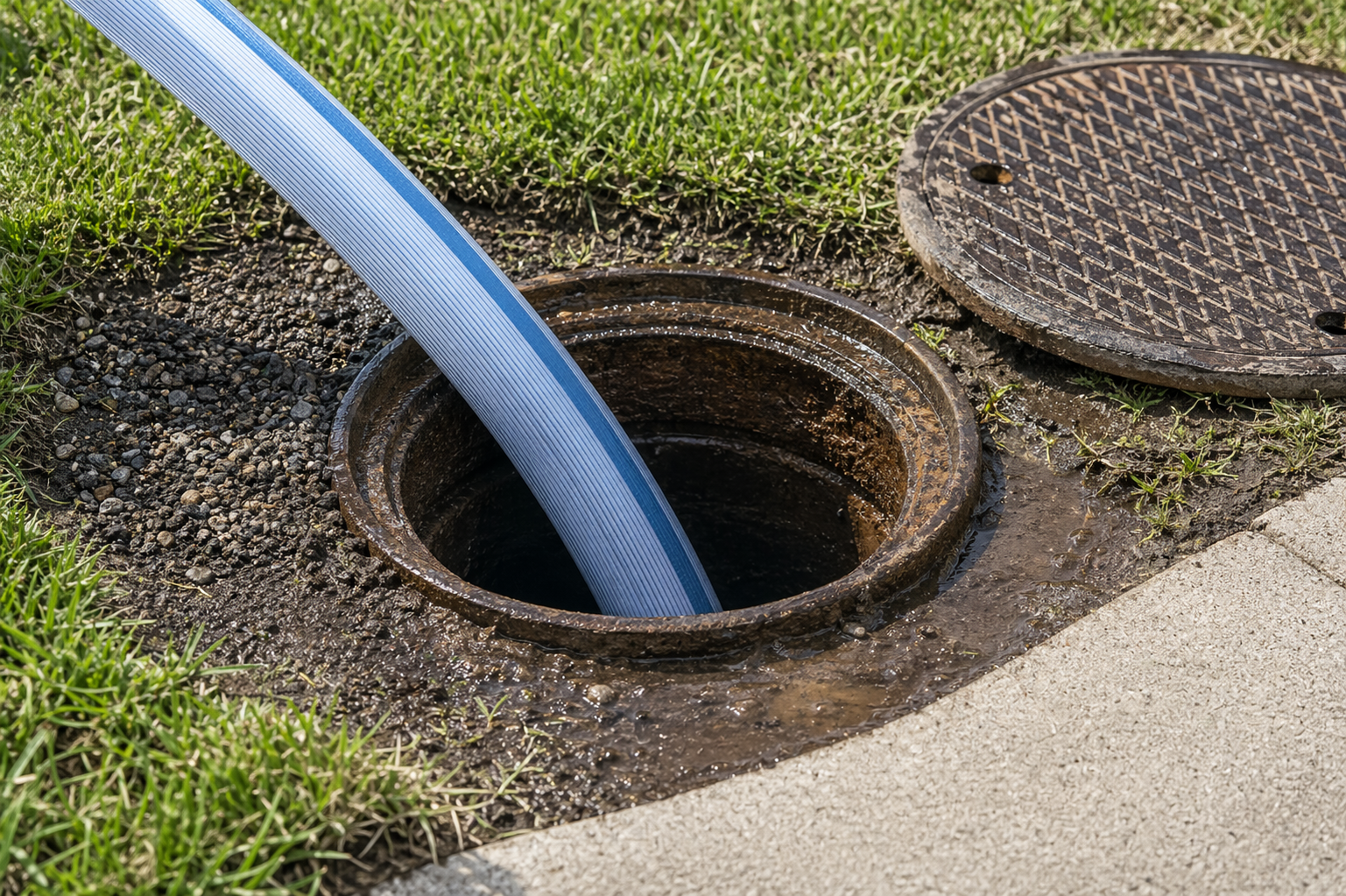 Next Service RouteTrenchless Sewer RepairWhen the pipe condition, material, and damage type support a trenchless repair method - lining or bursting - that fixes the sewer line without cutting the driveway or excavating through concrete.
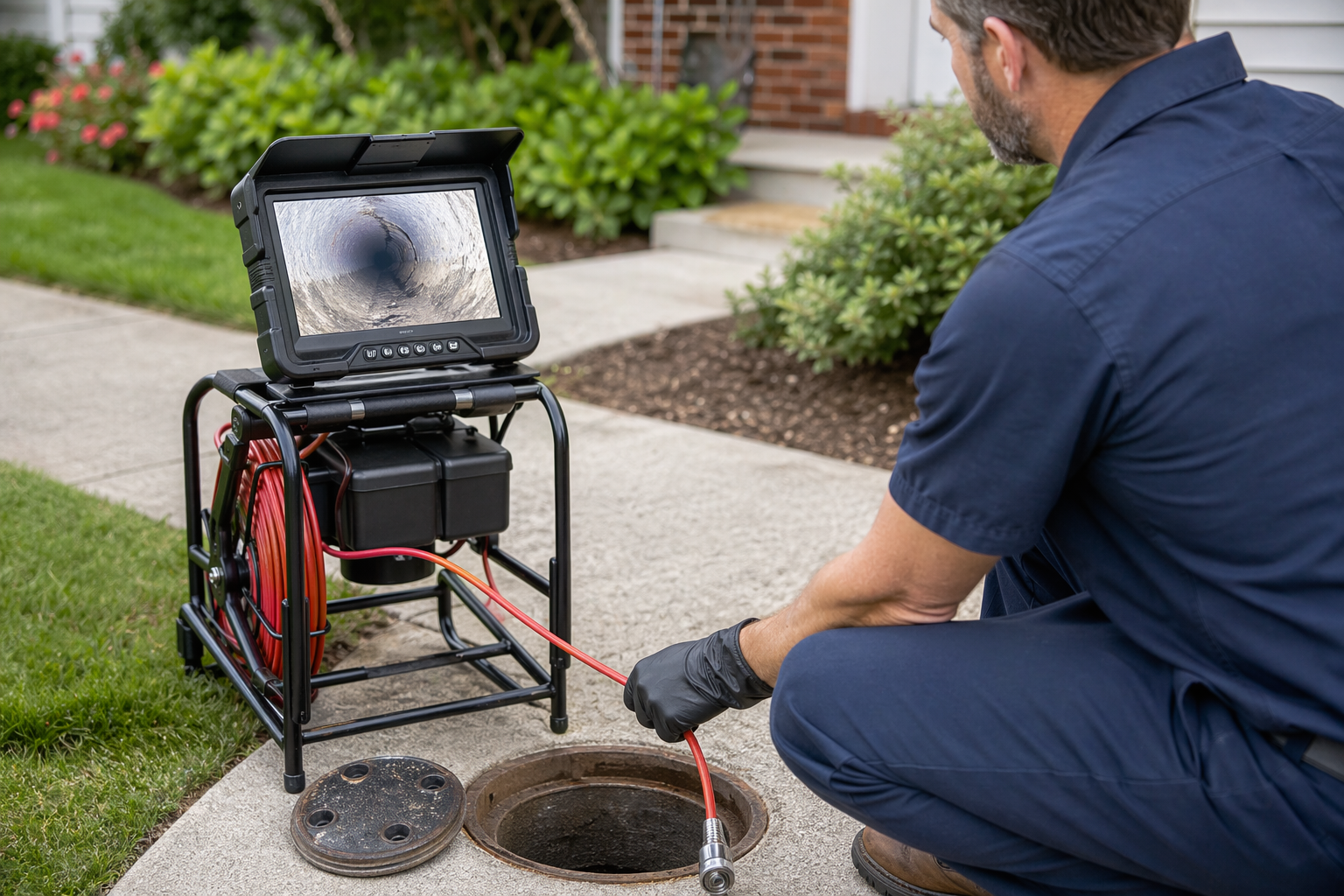 Next Service RouteSewer Camera InspectionWhen the first step is confirming the damage location and severity with camera footage before deciding whether a driveway cut is necessary - the footage determines whether the pipe can be reached through an alternative access path or repaired with a less disruptive method.
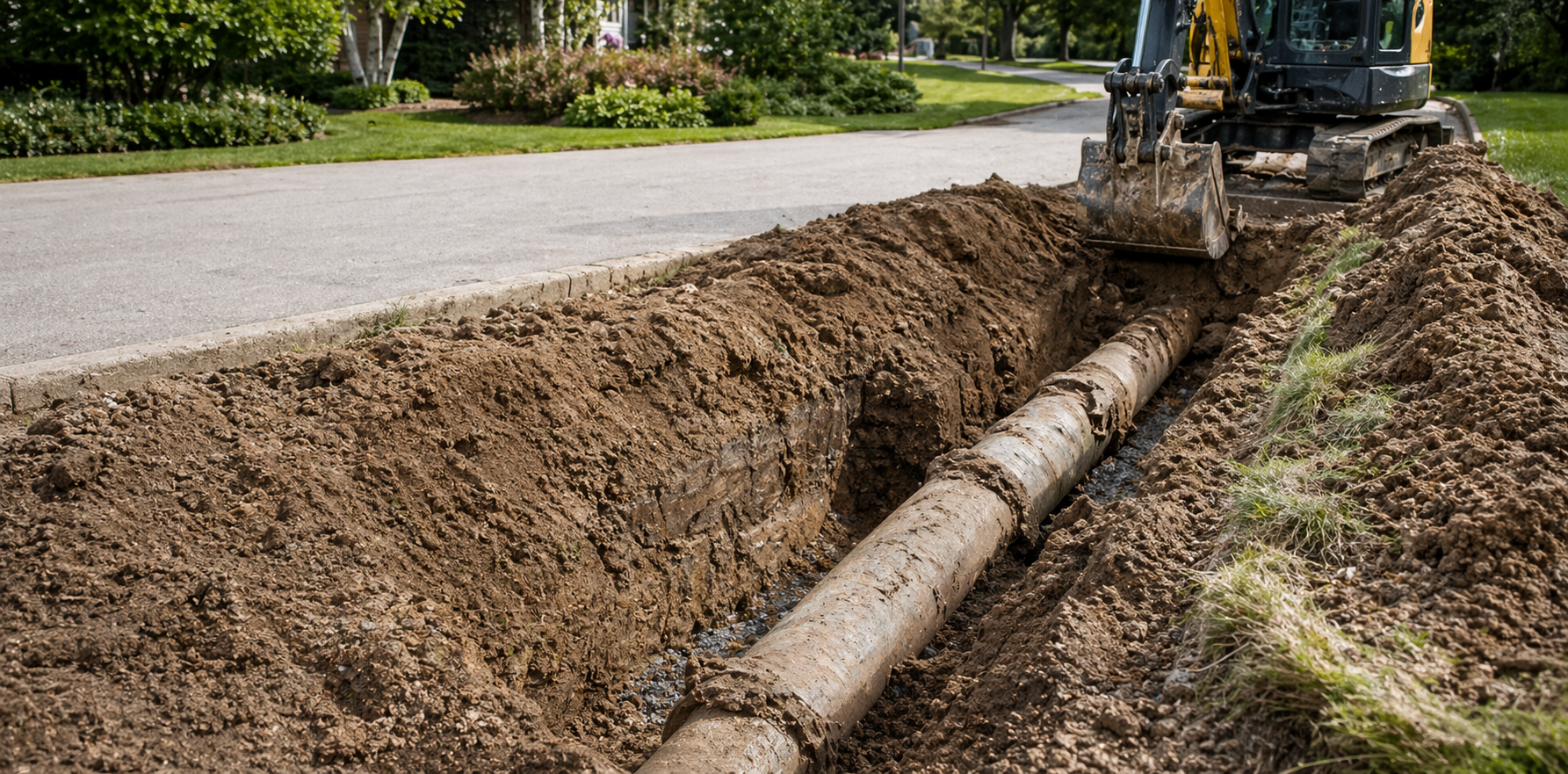 Next Service RouteSewer Line Repair And ReplacementWhen the sewer damage extends beyond the section under the driveway and the full repair scope needs to be evaluated - yard-side excavation, full lateral replacement, or a combined approach that addresses damage at multiple locations along the run.
Scope and timing
Cost
Support
These are the quick answers most people want before they call, book, or decide on the next step.
A driveway cut for sewer repair is necessary when camera footage confirms sewer damage directly beneath the driveway and no alternative access path exists - no yard-side trench route, no upstream cleanout, and no trenchless method that fits the pipe condition or damage type. The driveway cut is the last option after alternatives have been evaluated, not the default approach.
Property owners with confirmed sewer damage beneath the driveway where the pipe cannot be reached from any other direction and the damage type - collapse, severe offset, joint separation, or fitting failure - requires direct exposure and physical replacement rather than trenchless rehabilitation. The most common candidates are older properties with sewer laterals that run directly under the driveway to reach the city connection at the street.
The damaged section is confirmed on camera. The concrete is saw-cut in a rectangular opening sized to the pipe location. The earth beneath is excavated to the pipe depth. The damaged sewer section is replaced with new pipe and verified on camera. The trench is backfilled and compacted in layers. New concrete is poured to match the existing driveway thickness and finish. The full project - sewer repair and surface restoration - is handled as one integrated scope.
Know whether camera footage already exists confirming the damage location beneath the driveway. Know what surface material covers the pipe - poured concrete, stamped concrete, asphalt, or pavers. Ask whether a trenchless repair or alternate access path was evaluated before the driveway cut was recommended. If the driveway needs to remain partially usable during the project, mention that constraint upfront so the work plan accounts for vehicle access.
Related Reading
These follow-up reads stay close to this service and answer the pricing, warning-sign, process, and comparison questions that usually come next.
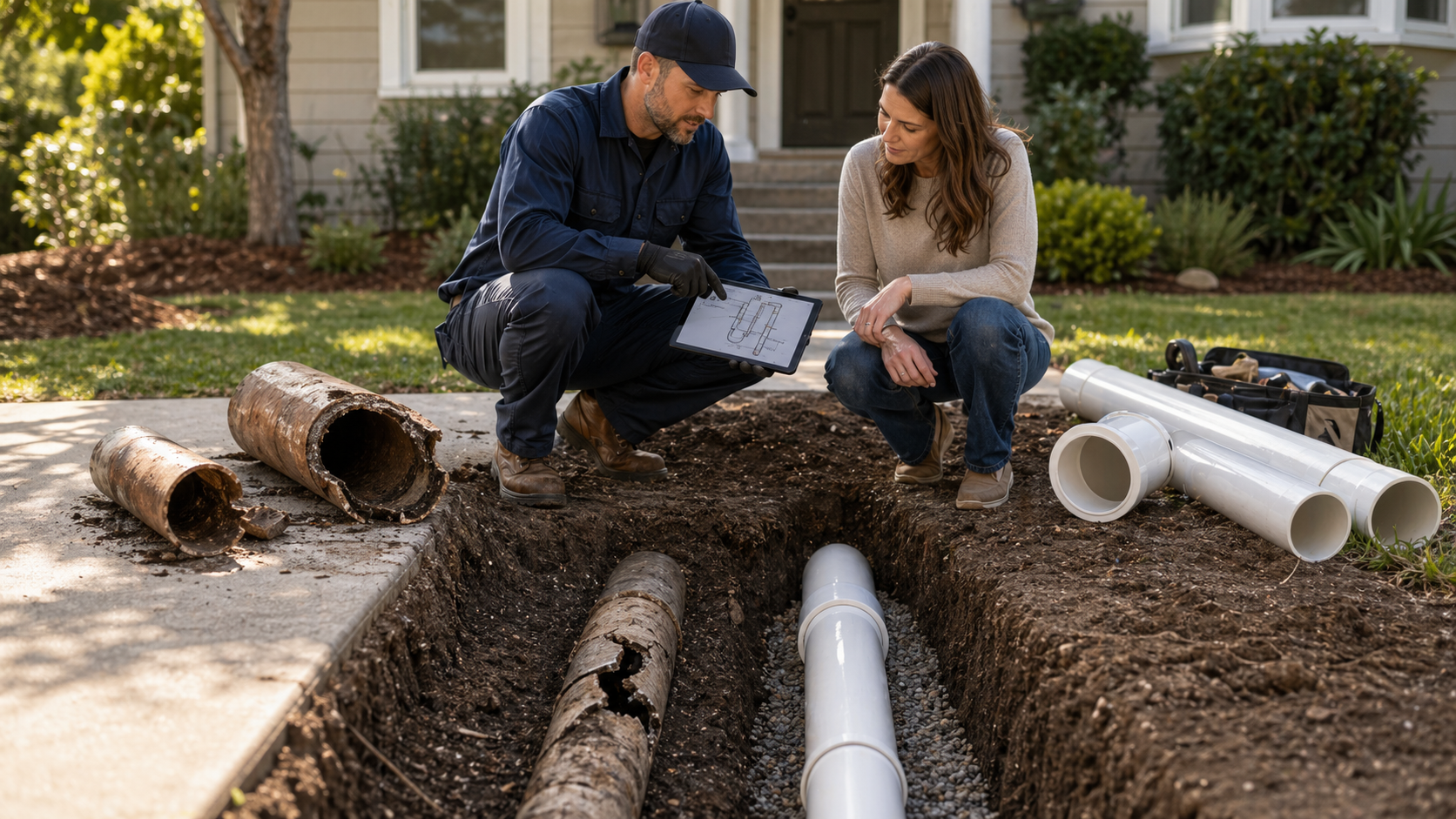
Compare Options
Breaks down when trenchless methods can avoid a driveway cut and when excavation is the only option - useful for evaluating whether the cut you were quoted is actually necessary.
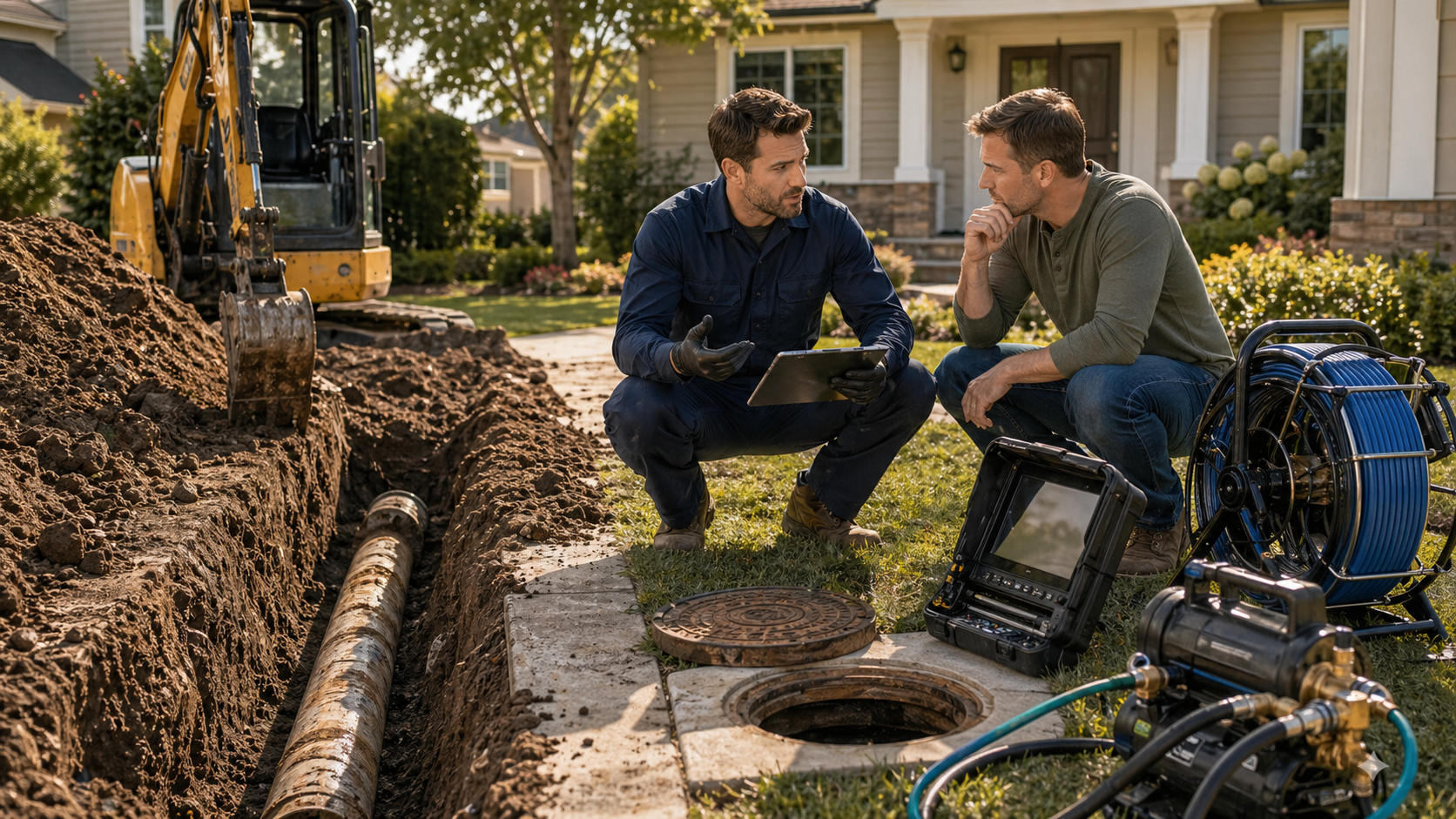
Service Explainer
Explains the conditions that make excavation unavoidable and what factors determine whether the dig goes through concrete, yard, or an alternate path.
Service Explainer
Covers the scenarios where open excavation produces a better long-term result than trenchless - relevant when the driveway cut is the recommended path and you want to understand why.