
Negs
Very professional and arrived fast. Would recommend to everyone. If I could give them 10 stars I would!
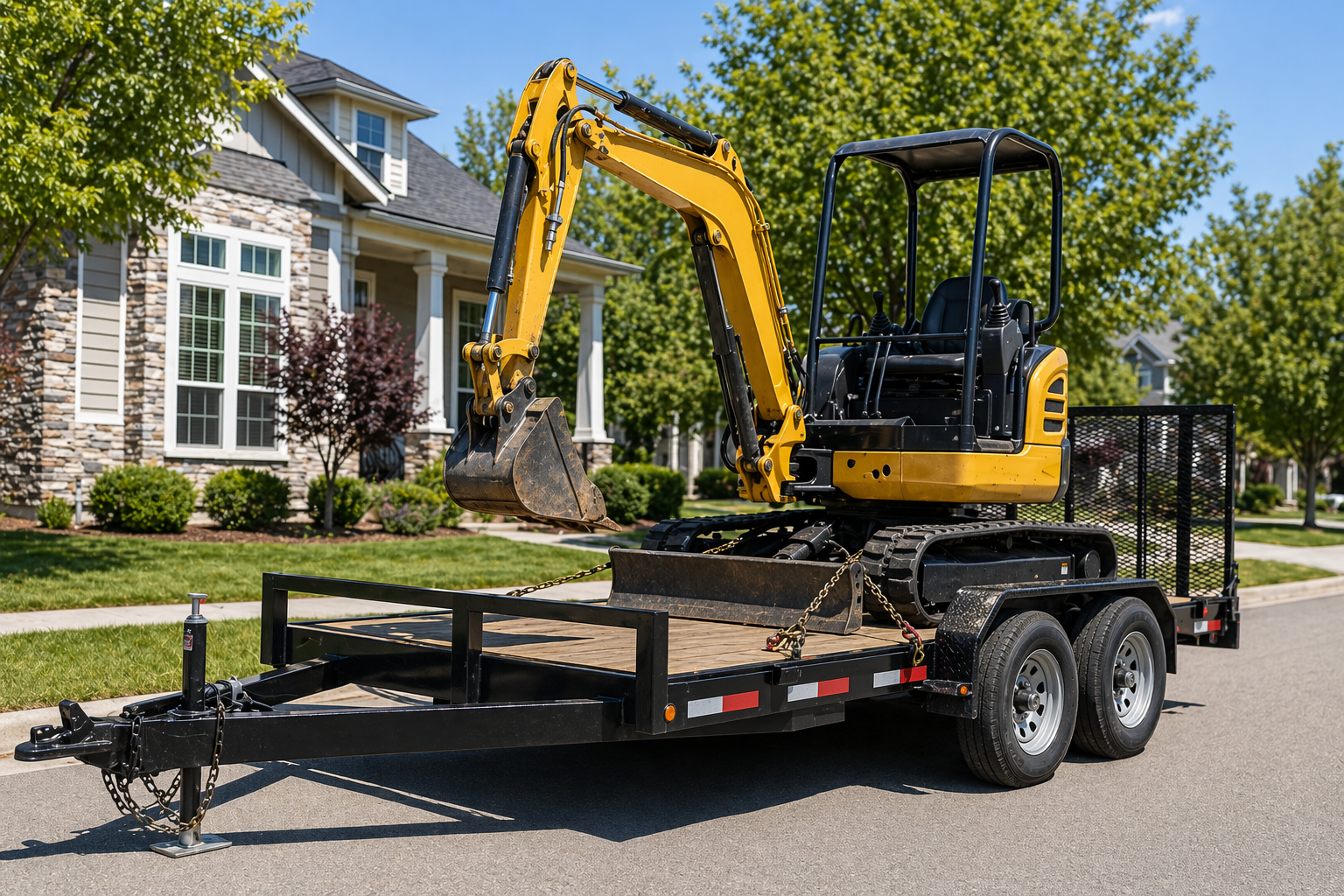
Emergency sewer excavation for urgent failures where the line must be exposed quickly because other methods cannot stabilize the problem.
What you are seeing
Sewage is backing into the house. The yard is sinking over the sewer line. The pipe has collapsed and nothing is draining. The system is completely down and cleaning or jetting cannot fix a pipe that is no longer intact. The line has to be exposed and the damaged section has to be replaced - today.
Call or text now. We dispatch same-day for sewer emergencies across Weber, Davis, and Salt Lake counties.
When this service fits
Emergency sewer excavation fits when the sewer line has failed catastrophically - collapsed, separated, or broken to the point where no cleaning, jetting, or trenchless method can restore function. The pipe has to be physically reached, exposed, and replaced. And it has to happen now, not next week.
This is not a planned dig. This is an emergency response to a sewer system that has stopped working entirely and is creating an active hazard - sewage exposure, property damage, or complete loss of drainage.
What you walk away with
The failed section of pipe is removed and replaced with new pipe. Flow is restored. The camera confirms the repair is connected and running. The trench is backfilled and the site is stabilized before the crew leaves.
You go from a property with no functioning sewer system to a property with a verified repair - in one emergency visit. Surface restoration and final grading follow once the site has settled, but the emergency is over and the pipe is working when the crew leaves the property.
Problem
A sewer emergency is not a slow drain. It is a total system failure. The pipe has collapsed, separated at a joint, or broken apart underground - and there is nothing left to clean, jet, or line. The damage is structural. The pipe is not blocked - it is gone. And until the ground is opened and the failed section is physically replaced, the property has no working sewer system.
The signs of a sewer emergency that requires excavation are hard to miss. Sewage is flooding through the lowest drains in the house because the pipe downstream has nowhere to carry it. The yard is sinking or has opened into a visible depression over the sewer path because the pipe has collapsed and the soil above it has lost support. Standing water or raw sewage is pooling at the surface near the cleanout or along the lateral route. The house cannot be occupied normally because toilets, showers, and sinks are all unusable. These are not symptoms that will respond to another cleaning. The pipe itself has failed and the only path to restoring the sewer system is excavating to the failure point and replacing what is broken.
Every hour the sewer system is down, the damage compounds. Sewage exposure is a health hazard. Property damage worsens. The house is unusable. The priority is getting a crew to the site, opening the ground, and replacing the failed pipe - everything else follows.
Solution
The crew arrives with excavation and pipe replacement capability. The first priority is confirming the failure location - if camera access is possible through a cleanout upstream of the damage, the camera pinpoints the exact failure point so the dig is targeted. If the line is too damaged or too full of sewage for the camera to pass, the failure location is determined from surface evidence - ground settlement, sewage pooling, and the known lateral route - combined with the crew's assessment on arrival.
Once the failure point is confirmed, the ground is opened directly over the damaged section. The trench is dug to the pipe, the failed section is exposed, and the extent of the damage is assessed visually. If the damage is isolated to one section - a single collapse, a separated joint, a crushed segment - that section is cut out and replaced with new pipe and fittings. If the exposed pipe reveals that the damage extends further than anticipated, the trench is extended to cover the full failure before the replacement is made. The camera verifies the completed repair - new pipe connected, aligned, and flowing - before the trench is closed.
The trench is backfilled and compacted to stabilize the site. In a true emergency, the immediate goal is a functioning sewer system and a safe, stable property surface. Final surface restoration - regrading, sod replacement, concrete patching, or landscaping repair - may follow in a separate visit once the backfill has settled and the site is ready for finish work. The emergency is resolved when the pipe is replaced, the camera confirms flow, and the property has a working sewer system again.
Fit and situation bullets
Problem bullets
Customer Feedback
See what customers say after an emergency sewer excavation — from how fast the crew responded to the on-site explanation of the damage, the repair plan, and the condition of the property after the work.
Leave a Review!These guys are great! I run a plumbing company but don’t do drains. I often sub contract them to service my customers sewer lines. They don’t only make me happy, but they keep my customers happy and that’s what matters to me most. Thanks guys!
Amazing experience! They are knowledgeable, kind, courteous and very thorough. Our clogged kitchen pipe was a bit of a challenge but they kept going and did everything they could to get it unclogged and they did it! They were very upfront with what caused the clog, gave us video recording of our pipes so we can see exactly what was done, double checked to make sure the pipes were clean and free of clogs and gave us steps on how to maintain the pipes moving forward. Highly recommend!!
This company is Awesome!!! Highly recommend that you call them for your drain cleaning and power washing needs! A++ in service, cost, and quality of work. Alex and Jacob completed drain work, patio cleaning, and filled in cracks in cement. The patio looks brand new! Thank you Alex and Jacob!!!
Alex was very good to work with. They were professional and punctual, working around my schedule. They were able to show me exactly before and after, even showing footage inside my pipes, which I have never seen before. I would recommend them.
Awesome experience! AJ was super professional and got us back in service. They offered us a few solutions and cleared our clogged sewer line for an excellent price
Very professional and arrived fast. Would recommend to everyone. If I could give them 10 stars I would!
Very pleased by my wonderful experience with this company and their service. They were very efficient and fast with their time. I appreciate their professionalism and commitment to the work they did for me!
Why Mountain West
Camera rated to 200 feet
Pinpoints the failure location before digging starts - up to 200 feet of pipe with live footage review - and verifies the completed repair is connected and flowing before the trench is closed. If the line is too damaged for the camera to pass, surface assessment and lateral routing confirm the dig target.
Jetting and camera on every call
If the line can be partially opened upstream of the failure to allow camera access, jetting equipment is on the truck to clear the path. In emergencies where the camera cannot reach the failure point, the crew assesses on arrival and excavates based on surface evidence and lateral mapping.
3,850 PSI jetting capability
When upstream clearing is needed to pinpoint the failure location before excavation, the line is opened at 3,850 PSI and 8 GPM - so the camera can reach the damage site and the dig is targeted to the exact failure point rather than estimated from the surface.
20+ years combined field experience
Two decades of emergency sewer response across Northern Utah - arriving at active failures, stabilizing the situation, and replacing the pipe under time pressure without cutting corners on the repair quality or the trench safety.
Licensed and insured
Licensed for sewer, drain, and drainage system work - including emergency excavation, pipe replacement, and the backfill and stabilization that returns the property to a safe, functional condition.
Fast. Confirm the failure location. Open the ground. Replace the pipe. Verify on camera. Stabilize the site. Restore sewer function before the crew leaves.
The emergency ends when the pipe is replaced, the camera confirms flow, and the property has a working sewer system. Surface restoration follows once the site has settled. The priority - a functioning, verified repair - is completed before the crew leaves.
Once the emergency is stabilized and the failed section is replaced, these services address what comes next - evaluating adjacent pipe, restoring the surface, or determining whether the rest of the lateral needs attention before the next failure.
Evidence
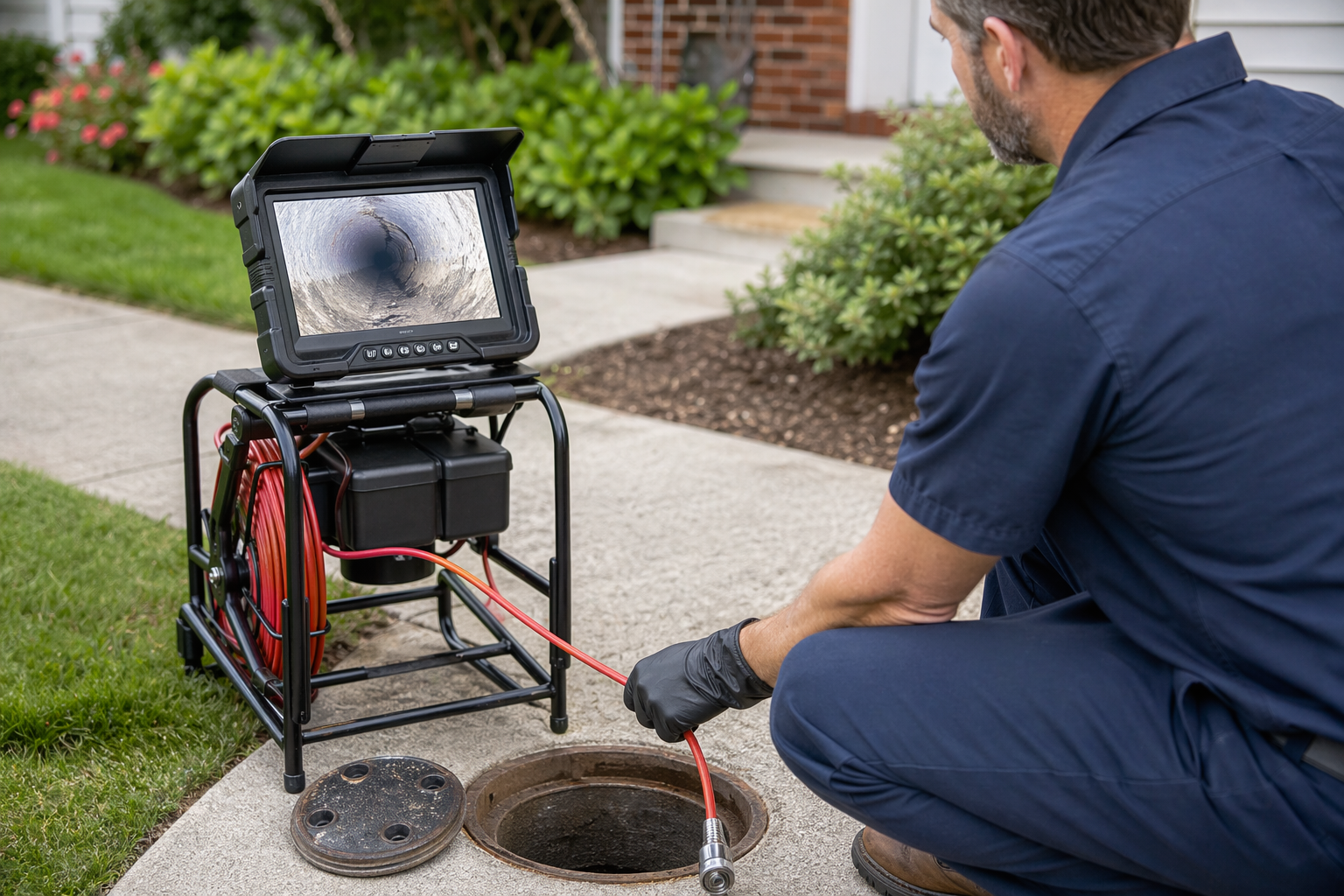 Next Service RouteSewer Camera InspectionAfter the emergency repair, a full camera inspection of the remaining lateral documents whether adjacent pipe sections show the same deterioration that caused the failure - catching the next problem before it becomes the next emergency.
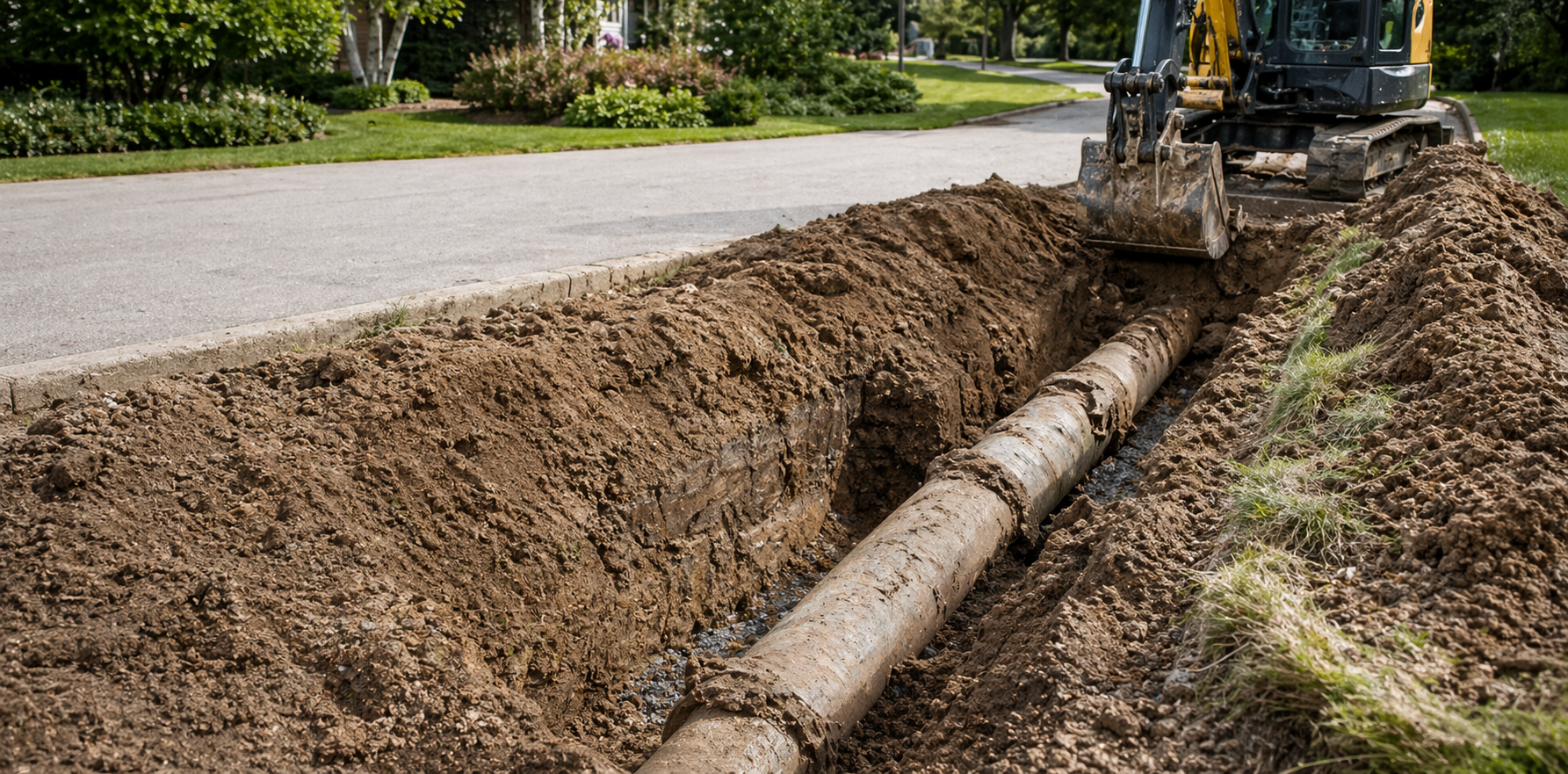 Next Service RouteSewer Line Repair And ReplacementWhen the emergency excavation reveals that the damage extends beyond the section that was replaced - the rest of the lateral may need planned repair or full replacement based on what the camera and the exposed pipe showed during the emergency.
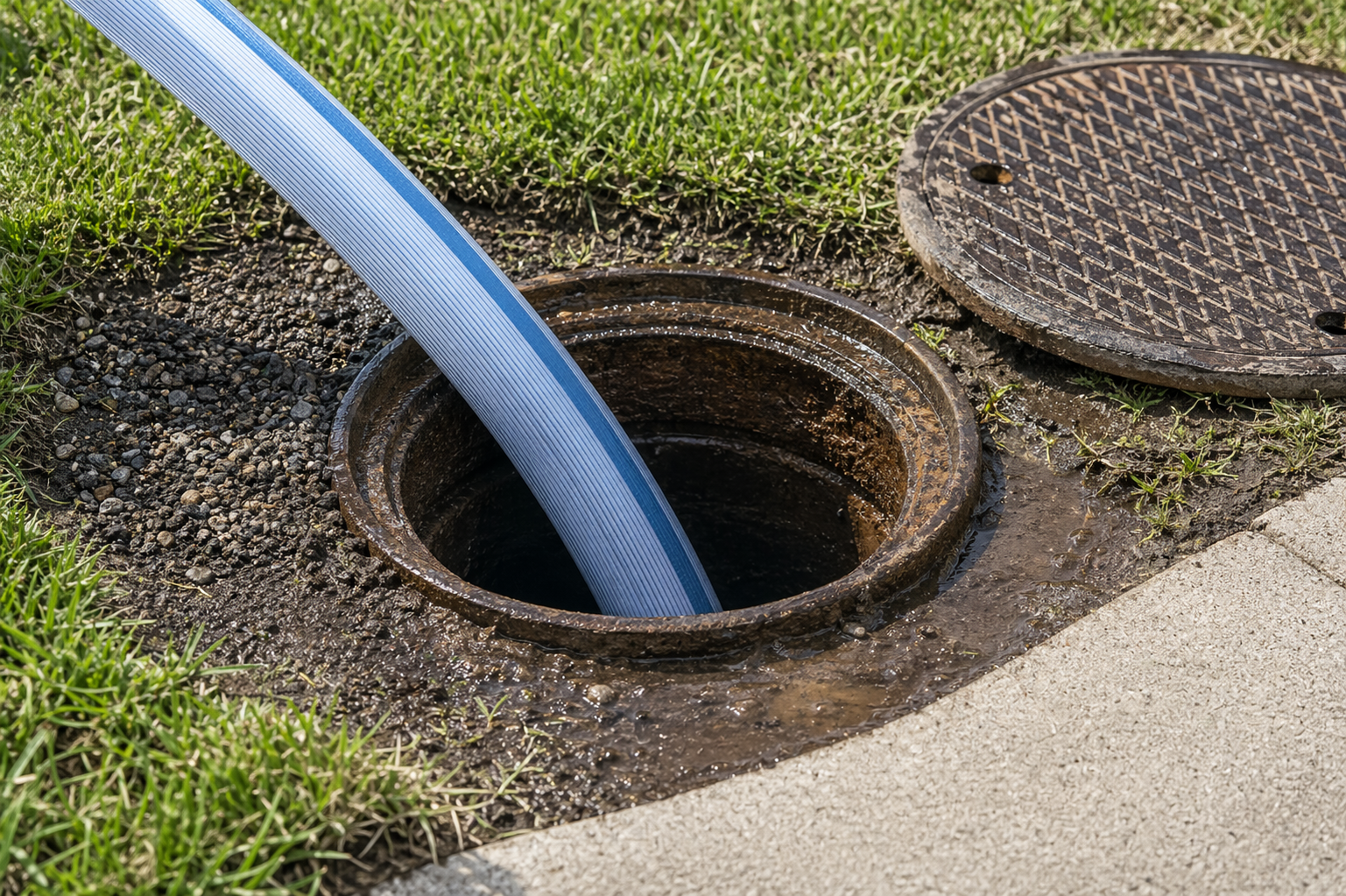 Next Service RouteTrenchless Sewer RepairWhen the emergency repair addresses the collapsed section but the camera shows deterioration in adjacent pipe that has not yet failed - trenchless rehabilitation may be able to stabilize those sections without a second excavation.
Scope and timing
Cost
Support
These are the quick answers most people want before they call, book, or decide on the next step.
Emergency sewer excavation is necessary when the sewer line has collapsed, separated, or broken apart underground and the property has no functioning sewer system. The pipe is structurally destroyed - not blocked - and no cleaning, jetting, or trenchless method can restore function. The ground must be opened, the failed section exposed, and new pipe installed to restore the sewer system.
Property owners with a total sewer system failure - sewage flooding the house, a sinkhole or ground settlement over the sewer line, or complete loss of drainage across all fixtures because the pipe has collapsed or separated underground. The emergency is active, the property is unusable, and the pipe must be physically reached and replaced to restore function.
The crew arrives same-day, confirms the failure location through camera or surface assessment, excavates directly to the damaged pipe, removes the failed section, replaces it with new pipe and fittings, verifies the repair on camera, and backfills and stabilizes the site. The property has a functioning sewer system before the crew leaves.
Stop all water use in the house immediately. Do not flush toilets, run sinks, or operate washing machines. Stay away from standing sewage inside and outside the house - it is a biohazard. Keep children and pets out of affected areas. Call or text with your address and a description of what you are seeing so dispatch priority can be set and the crew arrives with the right equipment.
Related Reading
These follow-up reads stay close to this service and answer the pricing, warning-sign, process, and comparison questions that usually come next.
Compare Options
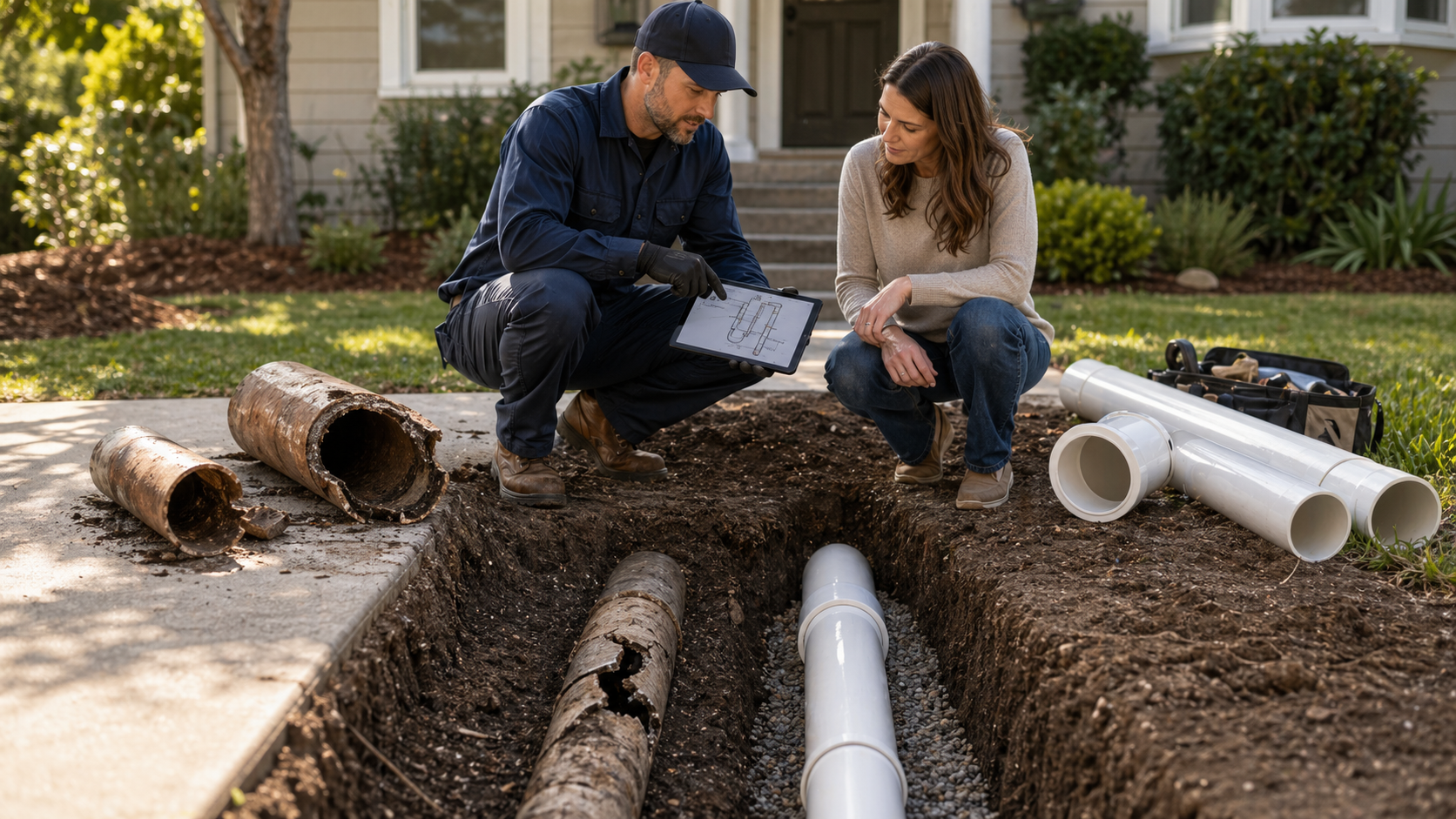
Useful after the emergency - explains when trenchless methods can address adjacent pipe deterioration found during the excavation and when additional excavation is the better path.
Service Explainer
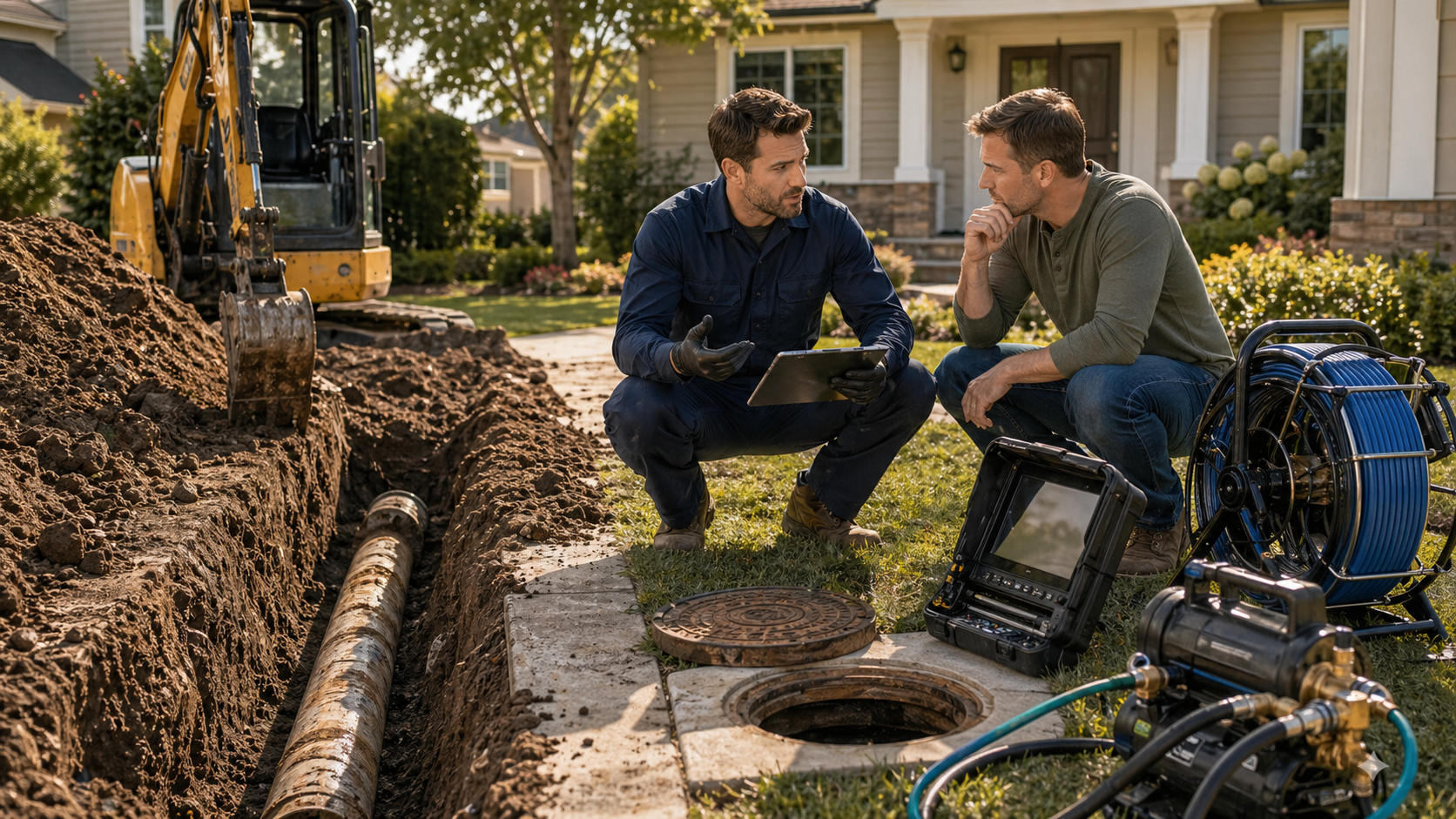
Covers the conditions that make excavation unavoidable - helpful for understanding why the emergency required digging and what to look for in the rest of the lateral.
Service Explainer
Explains the scenarios where direct replacement outperforms trenchless rehabilitation - relevant when evaluating follow-up work on pipe sections adjacent to the emergency repair.