Mountain West Jetting
Mountain West logoMountain West Hydro Jetting & Sewer Maintenance LLC

MAIN LINE SEWER REPAIR

Main line sewer repair for the primary sewer run connecting your building to the city sewer or septic system. When this line fails, every fixture in the property is affected. We camera the full run, locate the failure, and repair the pipe.

What you are seeing

Main Line Sewer Repair

Every drain in the building empties into one pipe - the main sewer line. When that line cracks, separates, collapses, or bellies, the symptoms show up everywhere. Toilets back up. Showers drain into bathtubs. Floor drains push sewage onto the basement or utility room floor.

If cleaning has been done more than once and the problem keeps returning across multiple fixtures, the main line itself is likely damaged. The blockage is a symptom - the pipe is the problem.

When this repair applies

The Primary Run Has Failed

This repair applies when the structural failure is in the main sewer line - the 4-inch or 6-inch pipe that carries waste from the building to the municipal connection or septic tank. That is a different job than fixing a single branch drain under a bathroom or kitchen.

Main line damage affects the entire property because every fixture routes through it. The repair has to account for the full run, not just the point where backups are surfacing.

What you walk away with

A Functioning Main Line And A Full Condition Report

You walk away with the damaged section of your main sewer line repaired, camera footage of the entire run before and after the work, and a clear explanation of the remaining pipe condition. If additional sections show early-stage deterioration, you will know about them before they become the next failure.

Problem

When Every Drain In The Building Fails At Once

A branch drain problem affects one fixture. A main line problem affects everything downstream of the connection point - and on most residential properties, that means every fixture in the building drains through the same pipe.

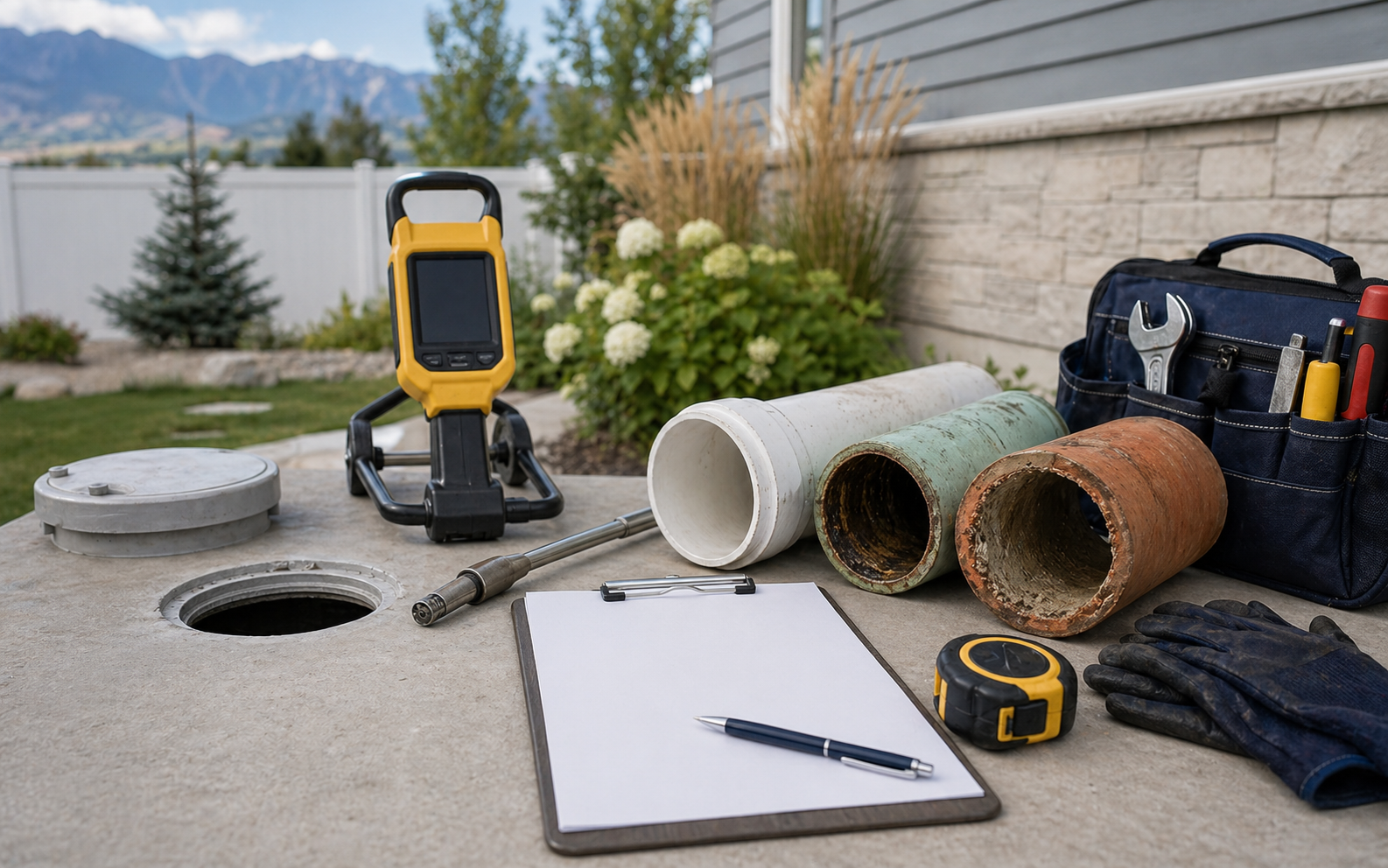
The main sewer line is typically the longest, deepest, and hardest-to-reach pipe on the property. It runs from the building's main cleanout to the city tap or septic tank, usually 3 to 8 feet underground, and on older Northern Utah properties it may be clay, cast iron, or Orangeburg - materials that crack, corrode, and collapse as they age. Main line failures develop slowly. Roots find a joint, soil settles under a section, or the pipe material deteriorates from decades of use. The early signs - a slow flush, a occasional gurgle - get ignored or cleaned away. By the time backups are happening across multiple fixtures, the pipe has often been failing for months or years. What makes main line repair different from a branch repair is scale and consequence. The pipe is larger, deeper, and longer. The excavation is more involved. The surface restoration - yard, driveway, sidewalk, whatever sits above the line - adds cost and complexity. And until the main line is repaired, no drain in the building works reliably.

Solution

Camera The Full Run, Locate The Failure, Repair The Pipe

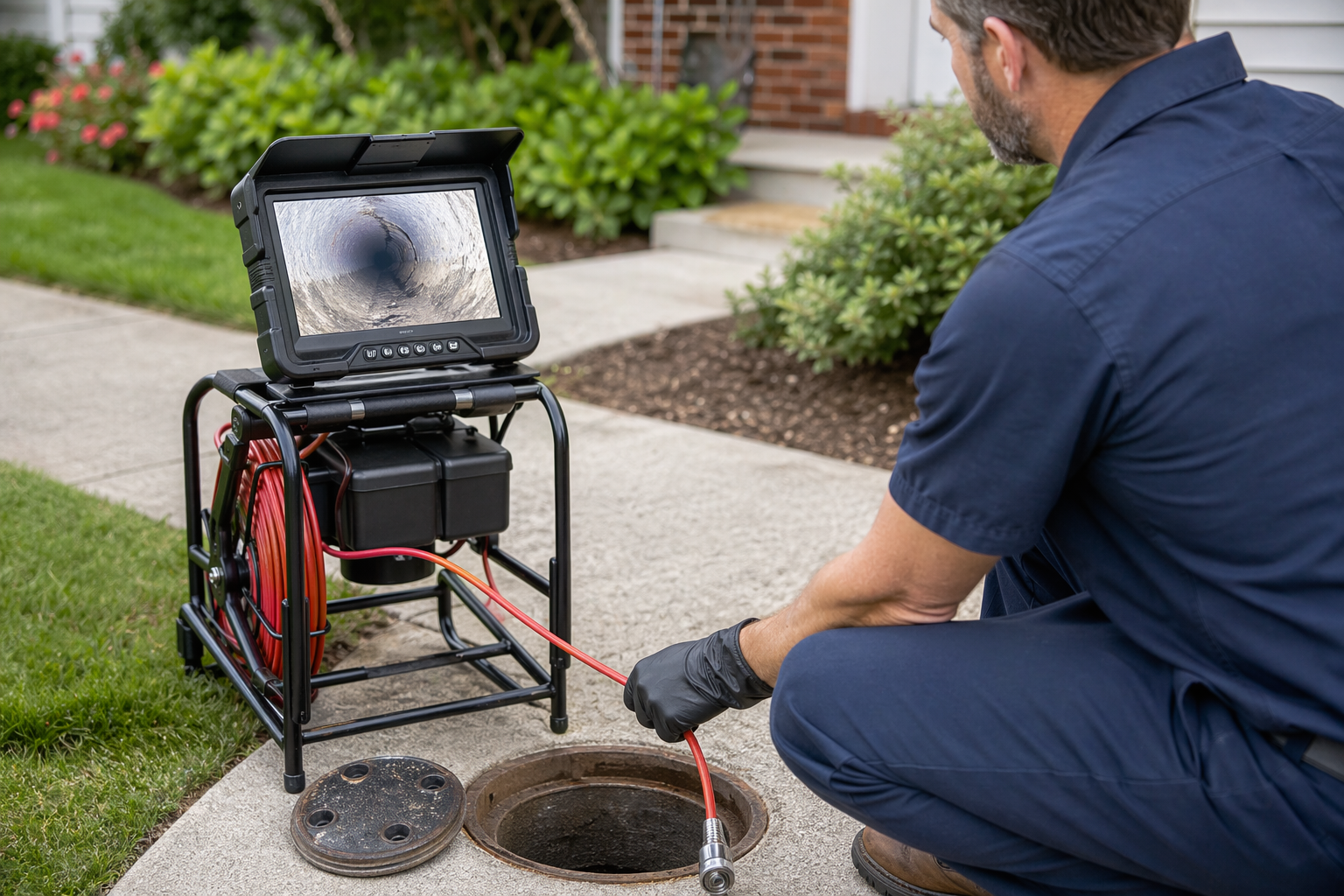
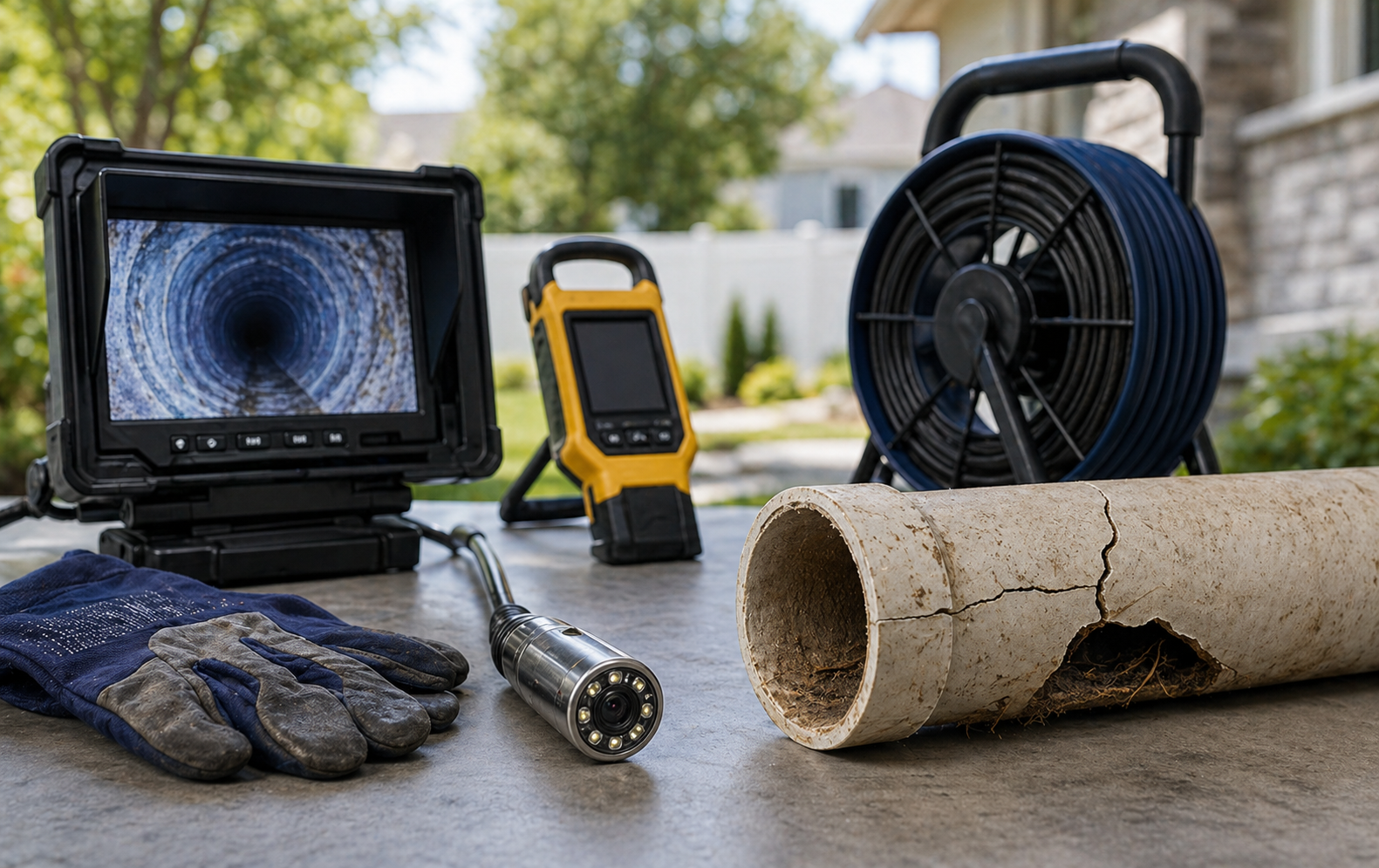
Main line sewer repair starts with a camera inspection of the entire primary run - not just the first few feet past the cleanout. The camera documents pipe material, diameter, joint condition, and every defect from the building to the property line. That footage is what separates a scoped repair from a guess.

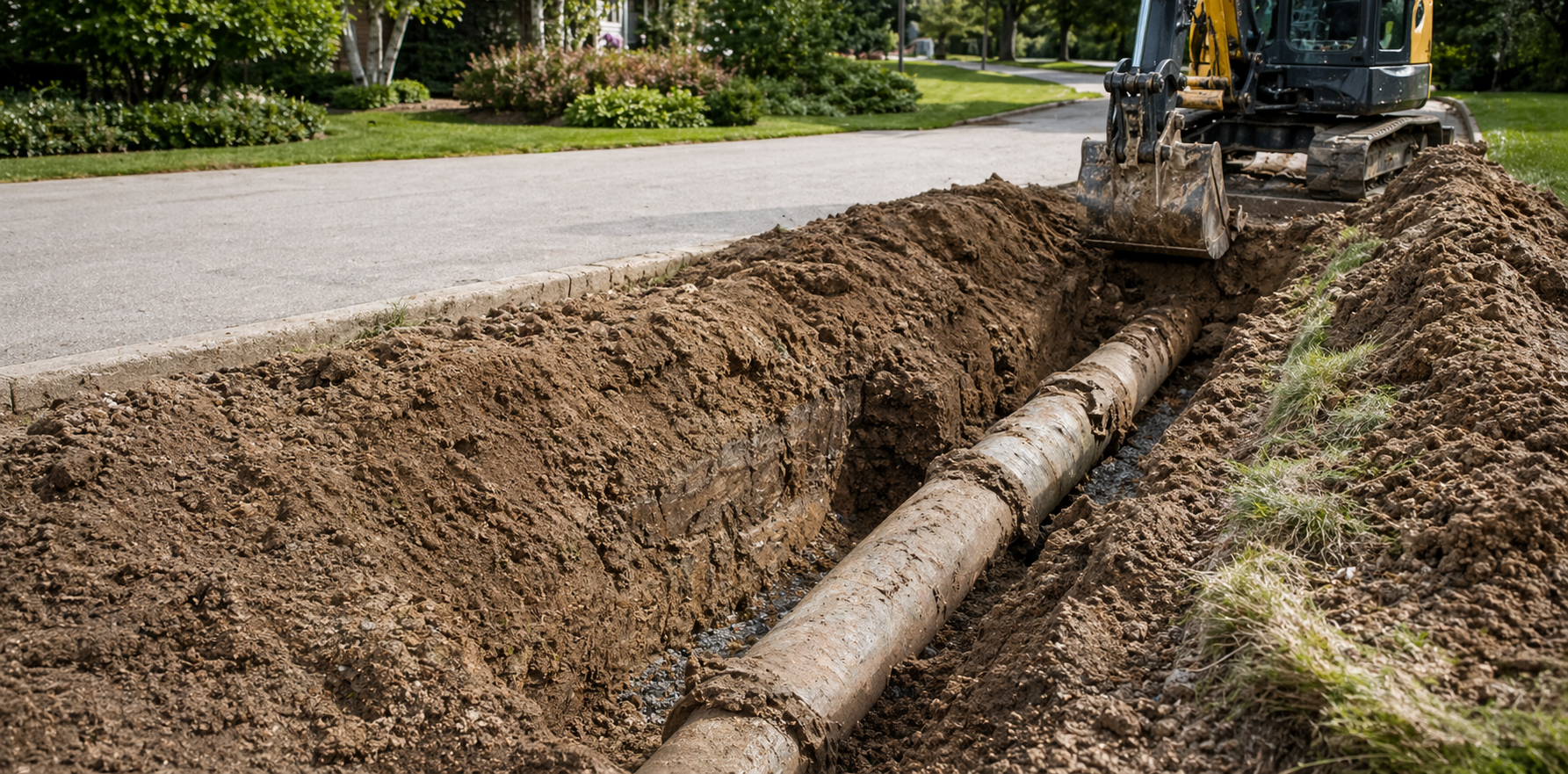
Once the failure is located and measured, the repair method matches the damage. A single cracked joint on a shallow line in open yard is a straightforward section replacement. A 20-foot collapsed segment of clay pipe under a concrete driveway is a different job entirely. The camera footage, pipe material, depth, and surface conditions determine which approach fits - spot repair, section replacement, trenchless lining, or full excavation and replacement.

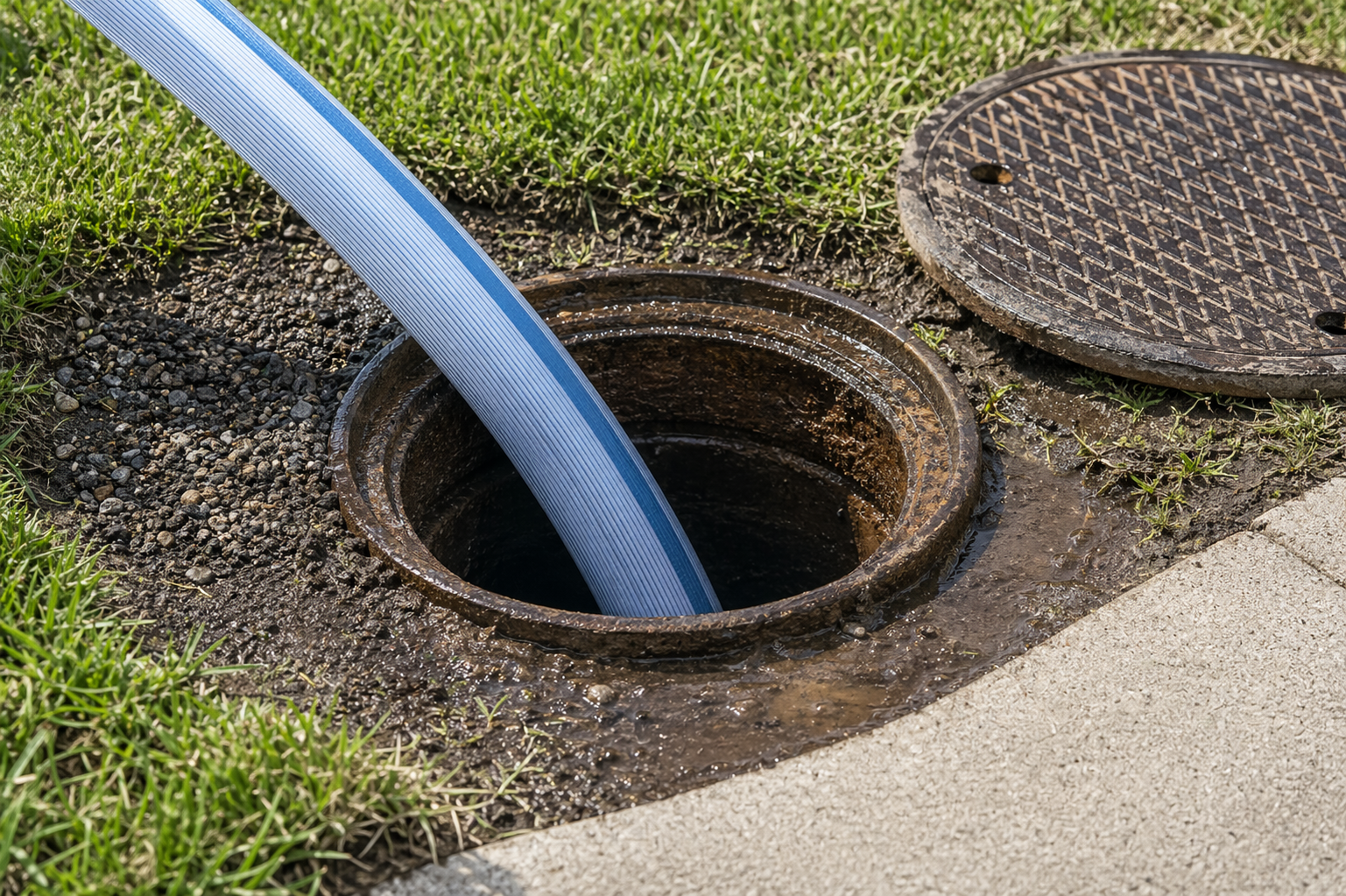
Main line repairs also require clearing the line before the camera can travel the full run. That is why jetting equipment deploys on every call - if the pipe is holding debris, grease, or root mass from the failure, the line gets cleared first so the camera can document the actual pipe condition, not just the blockage sitting in front of the damage.

Fit and situation bullets

  • Multiple fixtures are failing because the primary sewer run - not a single branch - is damaged
  • Previous cleanings have not held because the pipe itself is cracked, separated, bellied, or collapsed
  • A camera inspection has confirmed or is needed to confirm structural damage in the main line
  • The property owner needs the primary run repaired so every drain in the building works reliably again

Problem bullets

  • The main sewer line has a crack or joint separation that lets roots and soil infiltrate with every rain event
  • A bellied section in the main run holds standing waste and catches solids on every flush
  • A collapsed section is blocking flow entirely and causing full backups into the building
  • The pipe material - clay, cast iron, or Orangeburg - has deteriorated to the point where cleaning only buys days or weeks before the next backup
  • Settling soil has shifted the main line out of grade, creating low points where waste accumulates

Customer Feedback

Google Reviews From Local Sewer And Drain Calls

Public Google Profile

See what customers say after a main line sewer repair — from the diagnosis process and camera findings to the clear communication on what the repair involved and what to expect from the line going forward.

Leave a Review!

Why Mountain West

What We Bring To The Job

Camera rated to 200 feet

Covers the full main sewer run on most residential and small commercial properties in a single pass. Live footage review so owners see every joint, crack, and defect before the repair scope is set.

Jetting and camera on every call

Hydro jetting equipment deploys on every service call. Main lines holding root mass, grease buildup, or debris from a pipe failure get cleared first so the camera documents actual pipe condition - not just what is sitting in front of the damage.
3,850 PSI jetting capability

Clears main lines 2 to 12 inches in diameter at 3,850 PSI and 8 GPM with 300 feet of reach - enough to jet the full primary run and follow immediately with the camera.

20+ years combined field experience

Two decades diagnosing main line failures across clay, cast iron, Orangeburg, and PVC - including the judgment calls on when a spot repair holds versus when the full run needs replacement.

Licensed and insured

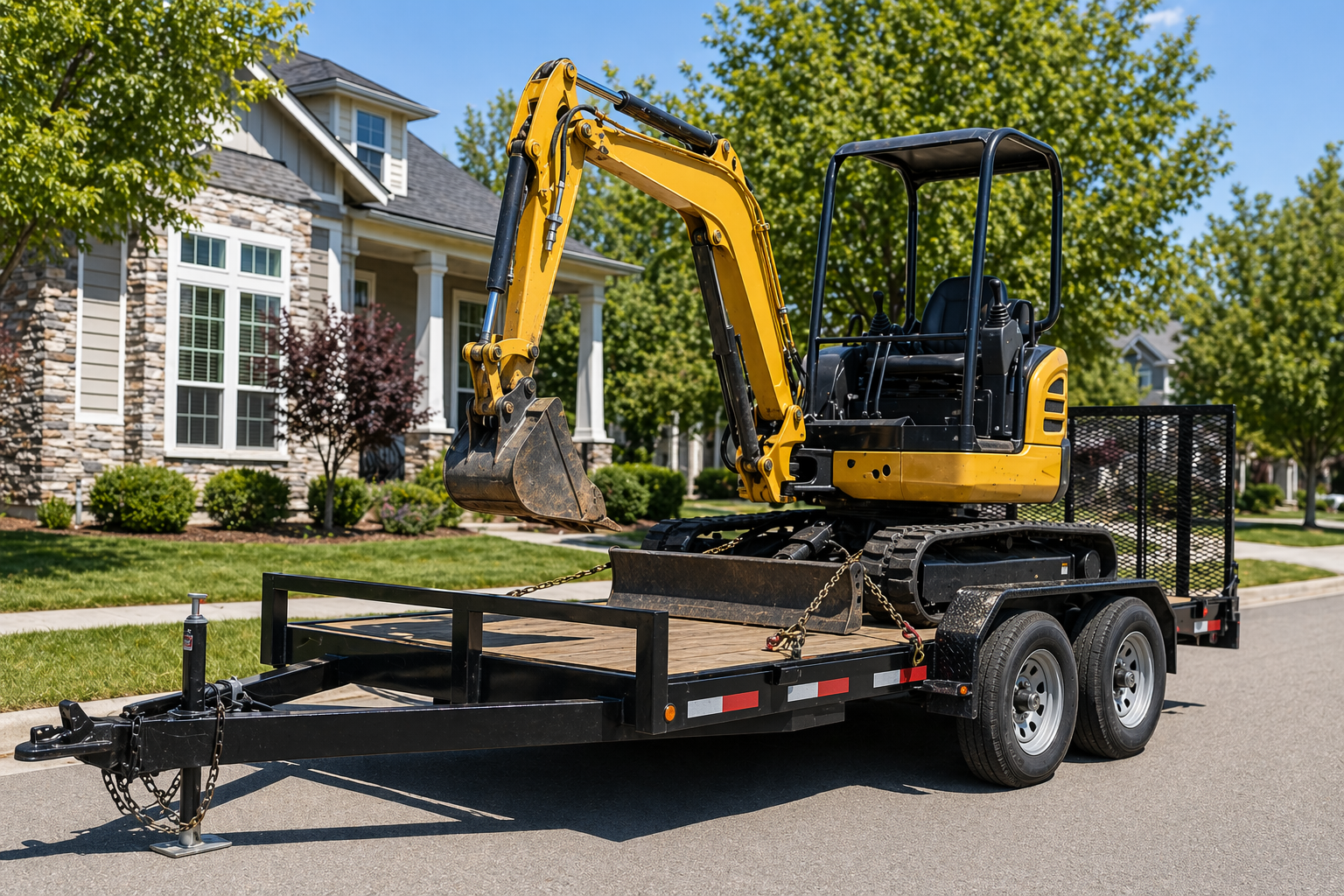
Licensed for sewer, drain, and drainage system work including excavation, trenching, backfill, concrete, and asphalt work required for main line access and restoration.

How Main Line Sewer Repair Works On Site

Every main line sewer repair visit follows the same sequence: clear the line, camera the full run, scope the repair to the confirmed damage, complete the work, and verify the result on camera.

  • Jet the main line to clear debris, roots, or buildup from the failure area, then camera the full run from cleanout to property line - documenting pipe material, diameter, joint condition, and every defect along the way.
  • Scope and complete the structural repair based on the camera findings - spot repair for isolated joint failures, section replacement for longer damage, or full-run replacement when the pipe material has failed systemically.
  • Camera the repaired section and the rest of the line after the work is finished, then walk through the footage explaining what was repaired, how the fix was made, and what the remaining pipe looks like.

You leave the visit with a functioning main sewer line, before-and-after camera footage of the full run, and a documented condition report for the sections that were not repaired - so you know what to watch and what has years of life left.

Related Services Worth Reviewing

Main line failures sometimes lead to decisions beyond the initial repair. If the camera shows damage extending the full run, or if the line qualifies for a trenchless method, these services cover the next decision points.

Evidence

Sewer Camera Inspection page preview.Next Service RouteSewer Camera InspectionIf no camera has been run yet, start here. Sewer camera inspection documents the full main line condition so the repair is scoped to confirmed damage - not estimated from symptoms at the surface.Trenchless Sewer Repair page preview.Next Service RouteTrenchless Sewer RepairTrenchless sewer repair for main lines that qualify for lining or pipe bursting instead of open excavation - less yard disruption, lower restoration costs, and faster completion when the existing pipe meets the criteria.Sewer Excavation page preview.Next Service RouteSewer ExcavationSewer excavation for main line repairs that require open-trench access - deep lines, collapsed sections, or damage under hardscape where trenchless methods cannot reach.

What Changes Price And Timing On A Main Line Repair

Scope and timing

  • Length of the main run that needs repair - a single joint failure versus a 30-foot section versus the full run from building to street
  • Pipe material and condition - whether the damage is isolated to one weak point or the material has deteriorated along the entire length
  • Whether the repair stays within the original scope or the camera reveals additional failures that expand the job
  • Depth of the main line - shallow lines in open yard are faster to access than deep lines or lines under structures
  • Surface conditions above the pipe - open lawn versus concrete driveway, sidewalk, patio, or landscaping that must be removed and restored
  • Whether the line can be cleared, scoped, and repaired in a single visit or requires a separate inspection before repair work is scheduled

Cost

  • Repair method - spot repair, section replacement, trenchless lining, or full excavation and replacement each carry different cost profiles
  • Access and restoration - the cost to reach the pipe and the cost to restore the surface afterward can equal or exceed the pipe work itself on hardscape-covered lines
  • Total linear footage of pipe being repaired or replaced

Support

What To Have Ready Before The Visit

Details that help us scope the job faster

  1. Any previous camera footage, inspection reports, or repair history for the main sewer line - even a verbal summary of past work helps narrow the starting point.
  2. How the backups are showing up: which fixtures are affected, whether it is a full-property backup or isolated to the lowest drains, and how quickly the problem returns after cleaning.
  3. Whether you have noticed wet ground, sinkholes, odor, or settling along the line path between the building and the street connection.
  4. What covers the ground above the main sewer line - open yard, concrete, asphalt, pavers, or landscaping - so access and restoration planning can start before the crew arrives.

Quick Answers About Main Line Sewer Repair

These are the quick answers most people want before they call, book, or decide on the next step.

What does main line sewer repair fix?

Main line sewer repair fixes structural failures in the primary sewer pipe that connects a building to the municipal sewer or septic system. This includes cracks, joint separations, collapsed sections, bellied pipe, and material deterioration in the main run - the single pipe that every drain in the building empties into.

How do I know if the problem is my main sewer line?

If multiple fixtures are backing up or draining slowly at the same time - especially the lowest drains in the building like basement floor drains or ground-floor showers - the failure is likely in the main sewer line rather than a single branch drain. A sewer camera inspection confirms the location and type of damage in the main run.

How does main line sewer repair work?

The technician jets the main line to clear it, then cameras the full run from the building cleanout to the property line to document the damage. The repair is scoped to the confirmed failure - spot repair, section replacement, or full-run replacement depending on the extent of damage. A post-repair camera pass verifies the fix and documents the condition of the remaining pipe.

How much does main sewer line repair cost?

Main sewer line repair cost depends on the length of pipe being repaired, the depth of the line, the repair method, the pipe material, and what sits above the line on the surface. A single joint repair in a shallow, yard-covered line costs significantly less than replacing a full run of collapsed clay pipe under a concrete driveway. Mountain West provides a detailed scope and estimate after the camera inspection confirms the damage.

Frequently Asked Questions About Main Line Sewer Repair