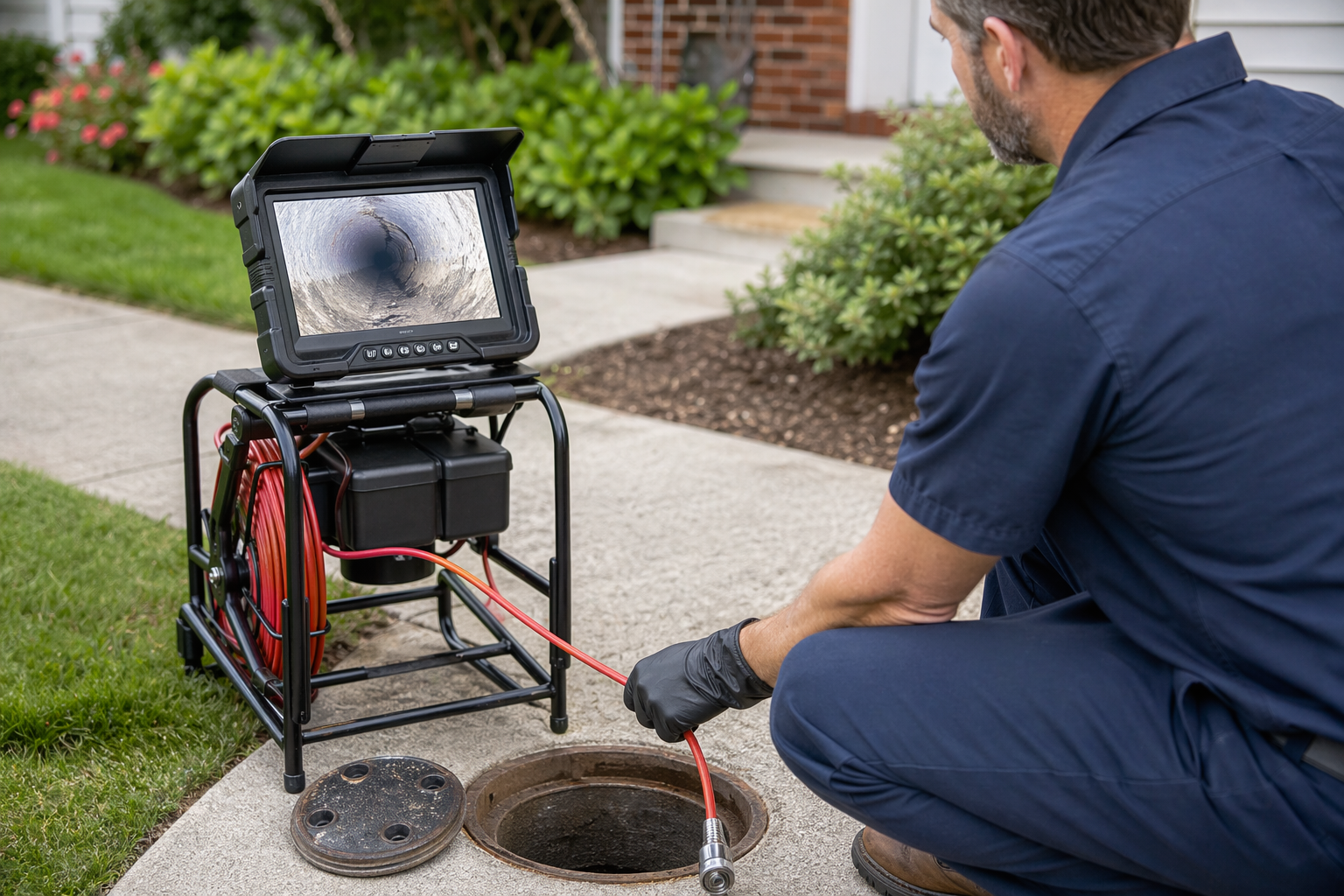
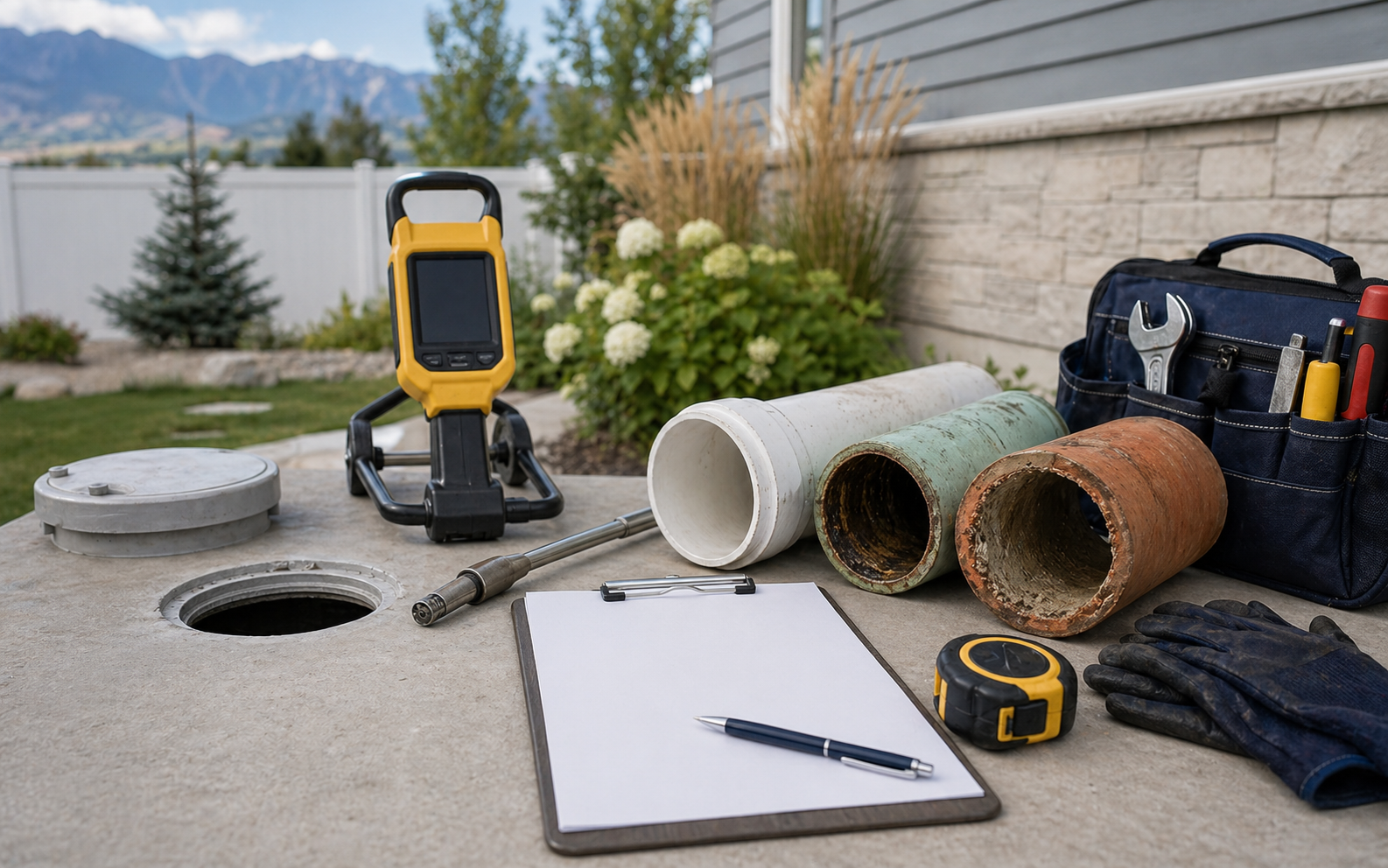
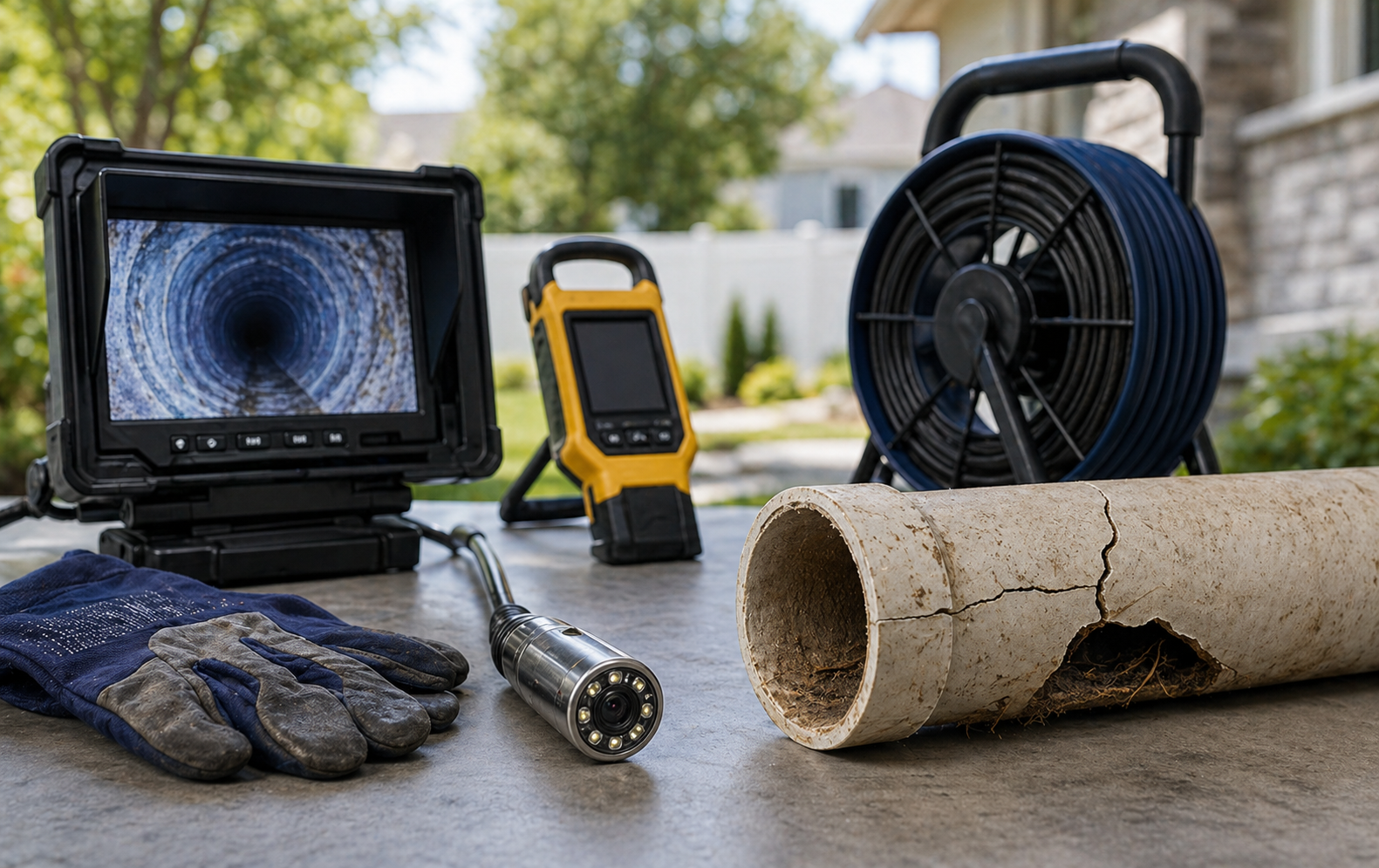
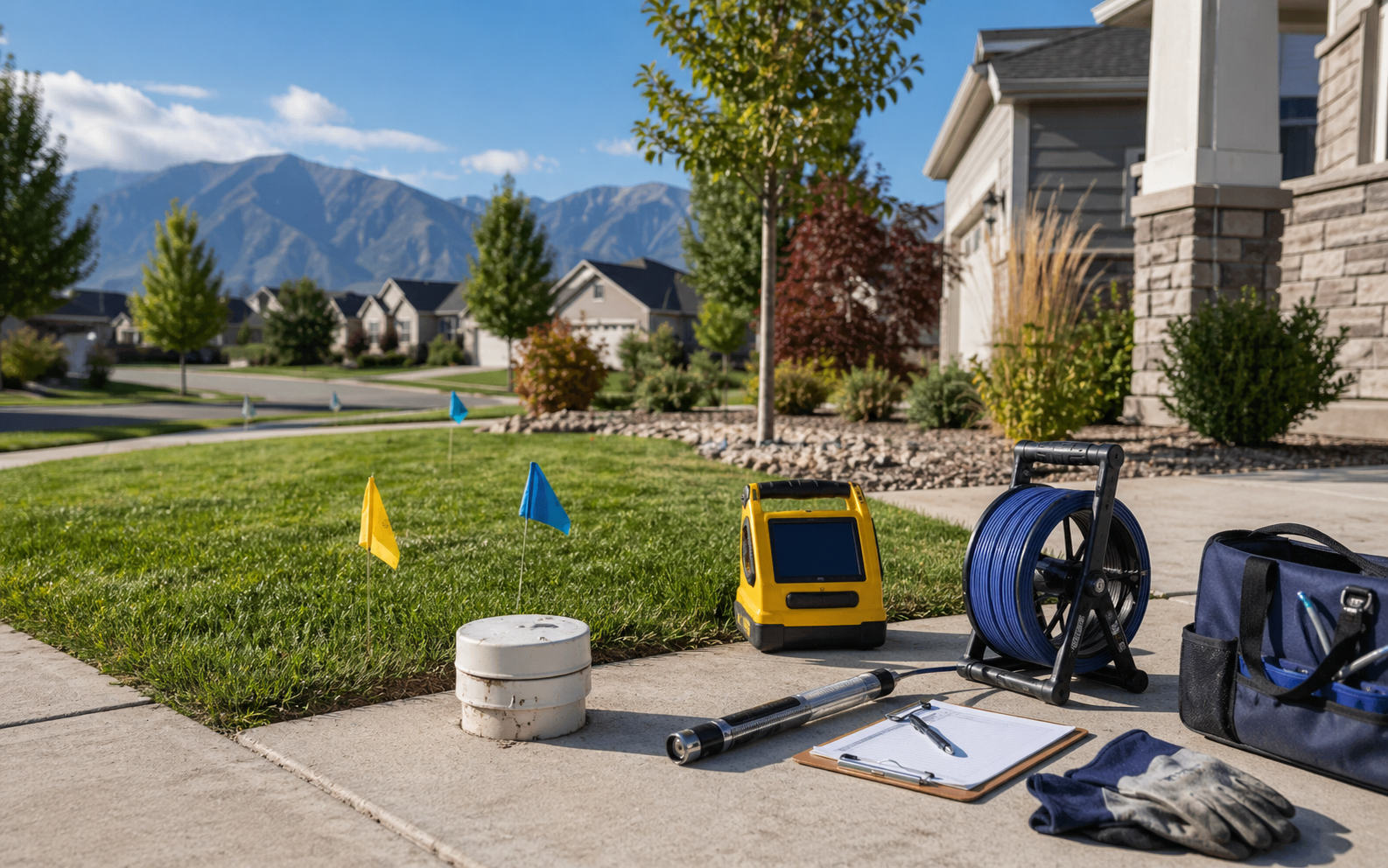
Main line sewer replacement begins the same way a repair does - with a camera inspection of the full run. Even if a previous camera report exists, the current condition needs to be documented before the replacement scope is set. Pipe deterioration progresses between inspections, and the scope has to reflect what the line looks like today.
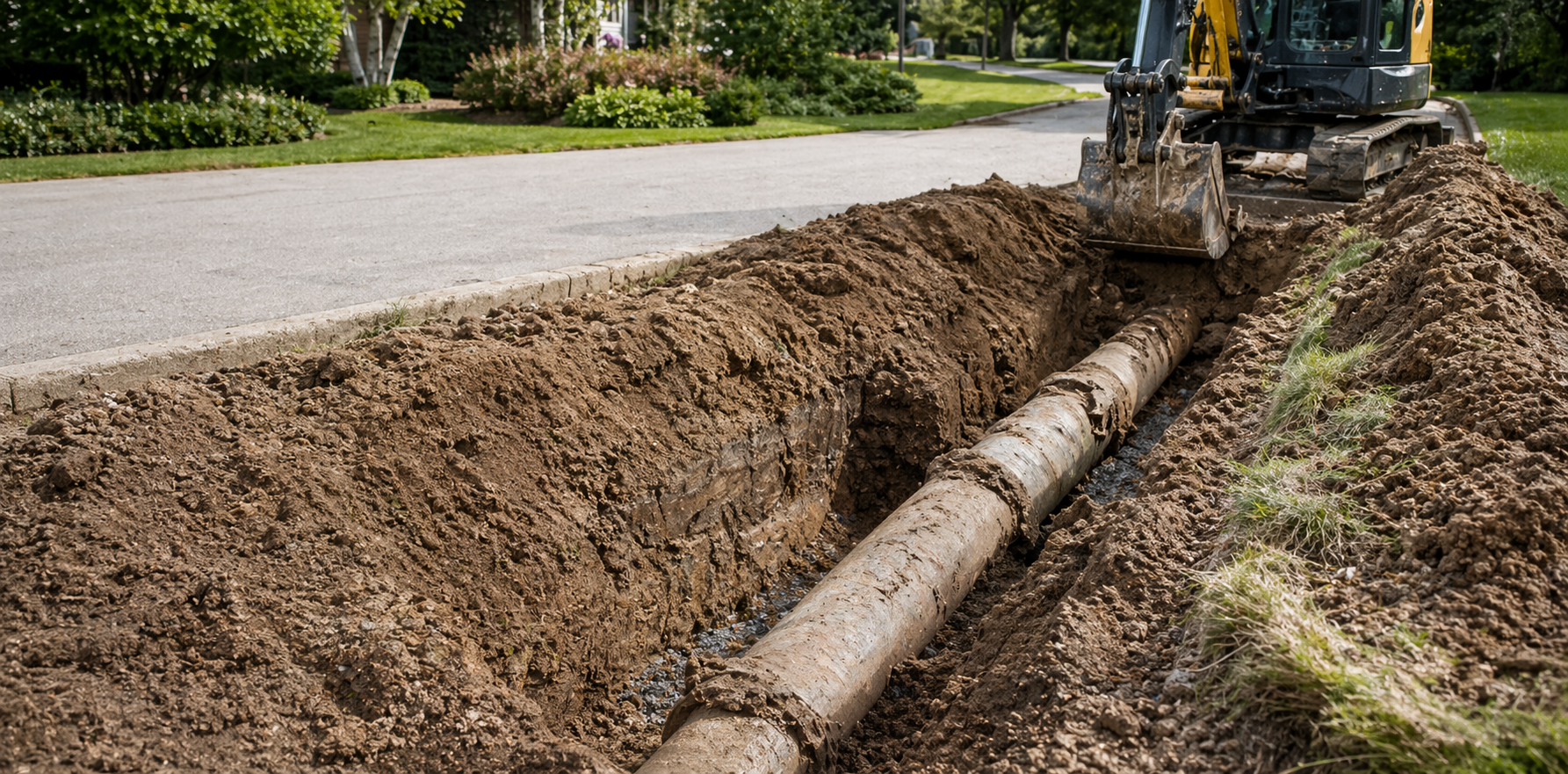
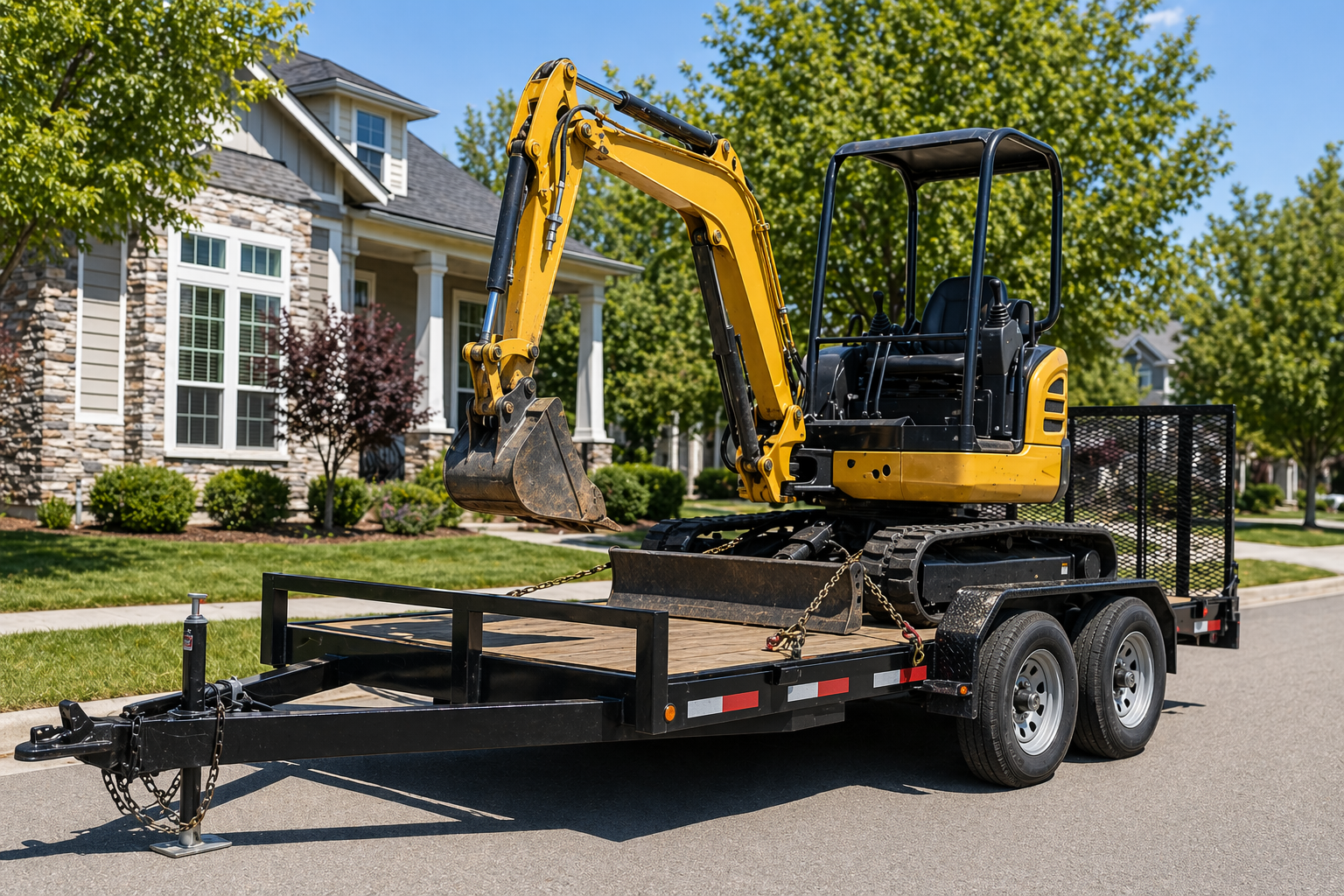
Once the camera confirms the replacement scope, the work plan is built around three variables: how much pipe is being replaced, what the access conditions are, and what method fits the line. Conventional replacement means excavating a trench along the pipe path, removing the old line, installing new pipe at proper grade, backfilling, compacting, and restoring the surface. Trenchless replacement - pipe bursting - pulls new pipe through the path of the old one with less surface disruption, but the existing line has to meet specific conditions to qualify. The camera inspection determines which method is viable.
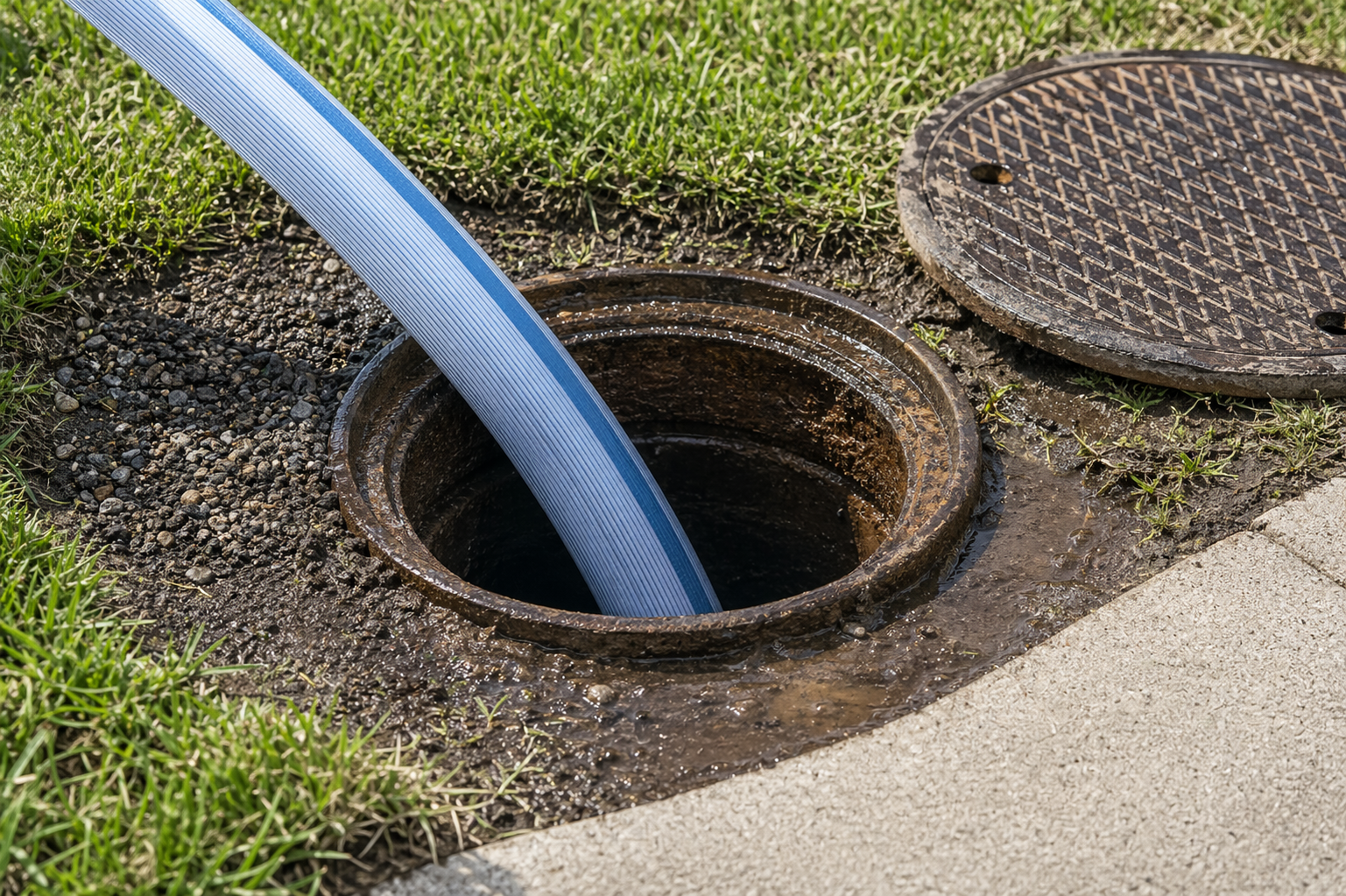
On a full-run replacement, the new pipe connects to the building's main cleanout on one end and the municipal sewer tap or septic tank on the other. Every connection, joint, and grade change is verified. After installation, the camera runs the full length of the new line to document proper slope, joint integrity, and clean interior walls - footage the property owner keeps as a baseline for the life of the new pipe.