Negs
Very professional and arrived fast. Would recommend to everyone. If I could give them 10 stars I would!
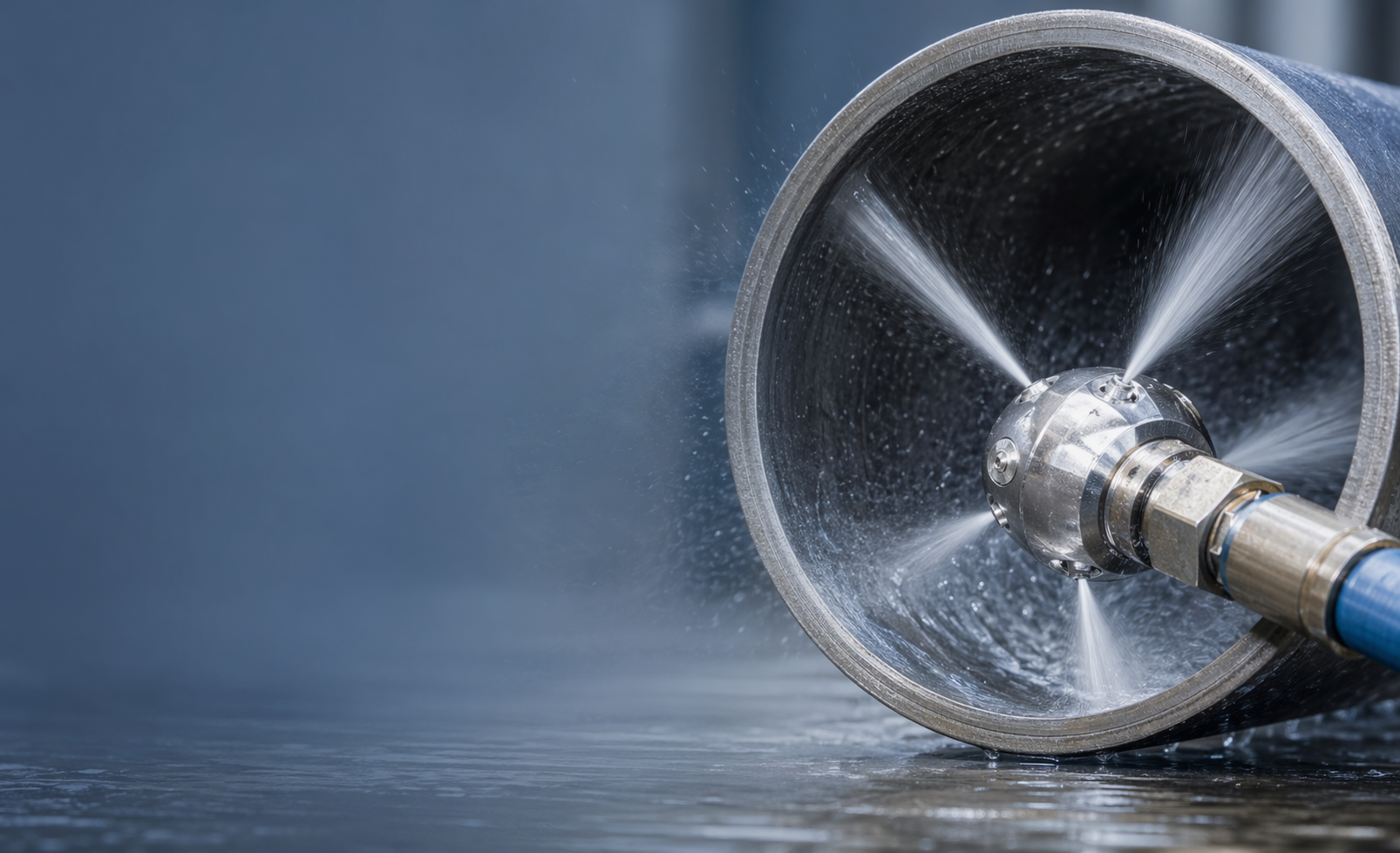
Root intrusion cleaning for sewer and drain lines where recurring root-related debris keeps blocking flow and triggering repeat service calls.
What you are seeing
The line backs up, someone comes out and cables it, and flow returns - for a while. Then the same drain slows again in the same spot. That cycle is the signature of root intrusion: tree roots entering the pipe through joints, cracks, or failed connections and regrowing after every clearing.
Gurgling toilets, sewage odor near cleanouts, and slow drainage that worsens during wet seasons are all common signs that roots have colonized the line and are catching debris that builds into full blockages.
When this service fits
Root intrusion cleaning fits when roots have been confirmed on camera or are strongly suspected because the same line keeps blocking in the same location on a repeating cycle.
This is the right service when the pipe is still structurally functional but roots keep entering through compromised joints or small cracks - the line needs aggressive cleaning first, then a clear decision about whether repair or scheduled maintenance is the smarter long-term path.
What you walk away with
After the visit, you know where the roots are entering, how aggressively they have colonized the line, and whether the pipe underneath is still worth maintaining or has deteriorated to the point where repair is the only lasting fix.
That separates the homeowners who need an annual jetting pass to stay ahead of root regrowth from those who need to address a broken joint or collapsed section before the next backup puts sewage on the floor.
Problem
Tree roots seek out sewer lines because the pipe carries exactly what roots need - water, nutrients, and warmth. Even a hairline crack at a joint or a slight offset between pipe sections gives roots a point of entry, and once inside, they grow toward the flow. A single root tendril can expand into a dense mat that catches grease, paper, and waste until the line blocks completely.
Northern Utah properties with mature trees, older clay or cast iron sewer laterals, and original pipe joints from the 1950s through 1980s are the most common candidates for recurring root problems. The root mass itself is only half the issue - the entry point it exploits is a structural vulnerability in the pipe that will continue allowing regrowth until the pipe is repaired or the roots are managed on a maintenance schedule.
Cabling cuts a channel through the root mass. Jetting strips roots from the pipe wall and flushes the debris out of the line. That difference determines whether the pipe stays open for weeks or for months.
Solution
A cable spins through the center of a root mass and punches a hole. Jetting hits the roots from every angle inside the pipe - cutting, stripping, and flushing the material out of the line in one pass. The result is a cleaner pipe wall, a wider recovered diameter, and a longer interval before roots regrow enough to restrict flow again.
Root intrusion cleaning is specifically scoped for lines where the blockage pattern is root-driven. That changes the nozzle selection, the pressure approach, and the post-cleaning assessment. A grease blockage and a root blockage in the same pipe require different cleaning strategies even though both restrict flow in the same way.
The visit does not stop at clearing the line. Once the roots are removed, the camera goes in to document the entry points - where the joints are compromised, where cracks have allowed penetration, and how much pipe wall remains intact between intrusion sites. That footage is what separates a one-time cleaning from an informed maintenance or repair decision.
Fit and situation bullets
Problem bullets
Customer Feedback
See what customers say after root intrusion cleaning — from the camera footage showing the roots to the straight answer on whether the line can be maintained with periodic jetting or needs repair planning.
Leave a Review!These guys are great! I run a plumbing company but don’t do drains. I often sub contract them to service my customers sewer lines. They don’t only make me happy, but they keep my customers happy and that’s what matters to me most. Thanks guys!
Amazing experience! They are knowledgeable, kind, courteous and very thorough. Our clogged kitchen pipe was a bit of a challenge but they kept going and did everything they could to get it unclogged and they did it! They were very upfront with what caused the clog, gave us video recording of our pipes so we can see exactly what was done, double checked to make sure the pipes were clean and free of clogs and gave us steps on how to maintain the pipes moving forward. Highly recommend!!
This company is Awesome!!! Highly recommend that you call them for your drain cleaning and power washing needs! A++ in service, cost, and quality of work. Alex and Jacob completed drain work, patio cleaning, and filled in cracks in cement. The patio looks brand new! Thank you Alex and Jacob!!!
Alex was very good to work with. They were professional and punctual, working around my schedule. They were able to show me exactly before and after, even showing footage inside my pipes, which I have never seen before. I would recommend them.
Awesome experience! AJ was super professional and got us back in service. They offered us a few solutions and cleared our clogged sewer line for an excellent price
Very professional and arrived fast. Would recommend to everyone. If I could give them 10 stars I would!
Very pleased by my wonderful experience with this company and their service. They were very efficient and fast with their time. I appreciate their professionalism and commitment to the work they did for me!
Why Mountain West
Camera rated to 200 feet
Documents every root entry point, joint condition, and pipe wall section across up to 200 feet of line with live footage review - so you see exactly where the roots are getting in and how much damage they have caused.
Jetting and camera on every call
Both deploy on every root intrusion cleaning visit. The jetting clears the root mass, then the camera documents what the pipe looks like underneath so the repair-or-maintain decision is based on footage, not guessing.
3,850 PSI jetting capability
Root-cutting nozzles at 3,850 PSI and 8 GPM strip root mass from pipe walls 2 to 12 inches in diameter across runs up to 300 feet - clearing and inspection happen back to back in the same visit.
20+ years combined field experience
Two decades of reading root intrusion patterns, knowing which lines will hold with annual maintenance and which ones are past the point where cleaning alone makes financial sense.
Licensed and insured
Licensed for sewer, drain, and drainage system work - the classification that covers root removal, line cleaning, and the pipe assessment that follows.
The visit is structured around clearing the root obstruction first, then using the camera to assess what the pipe looks like without the root mass hiding the damage.
You finish the visit with a clean line, camera footage of every root entry point, and a clear recommendation on whether to schedule annual maintenance cleanings or move into repair before the next backup.
If the root intrusion has caused structural damage to the pipe, if the problem extends across the full sewer run, or if the line needs visual documentation before any cleaning begins, these services are the typical next steps.
Evidence
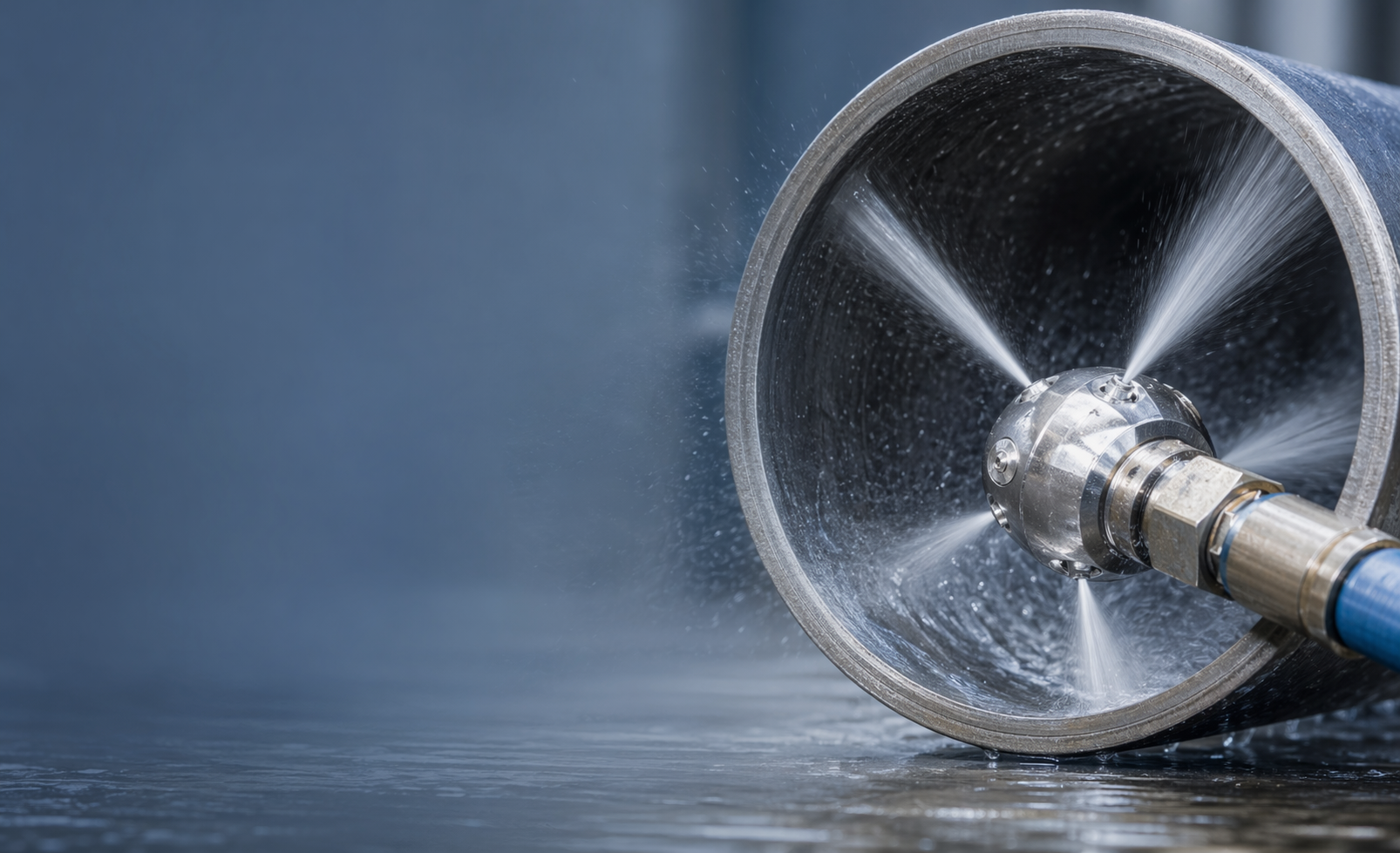 Next Service RouteSewer Hydro JettingWhen root intrusion is just one part of a broader buildup problem - grease, sludge, and debris have accumulated across the full sewer run alongside the root mass.
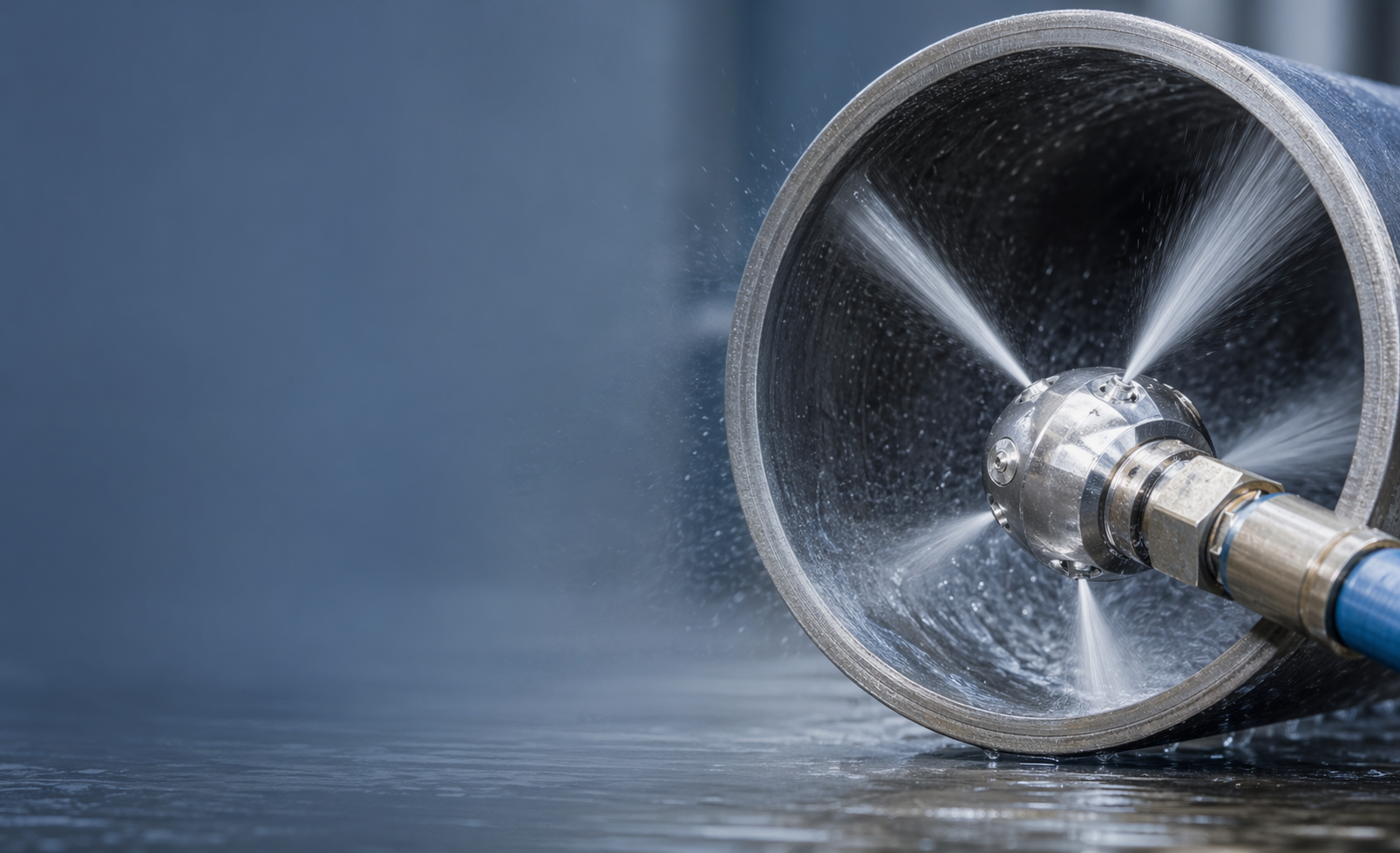 Next Service RoutePipe DescalingWhen the root removal reveals heavy mineral scale, calcium, or rust deposits on the pipe wall that are also restricting flow and need a separate descaling pass.
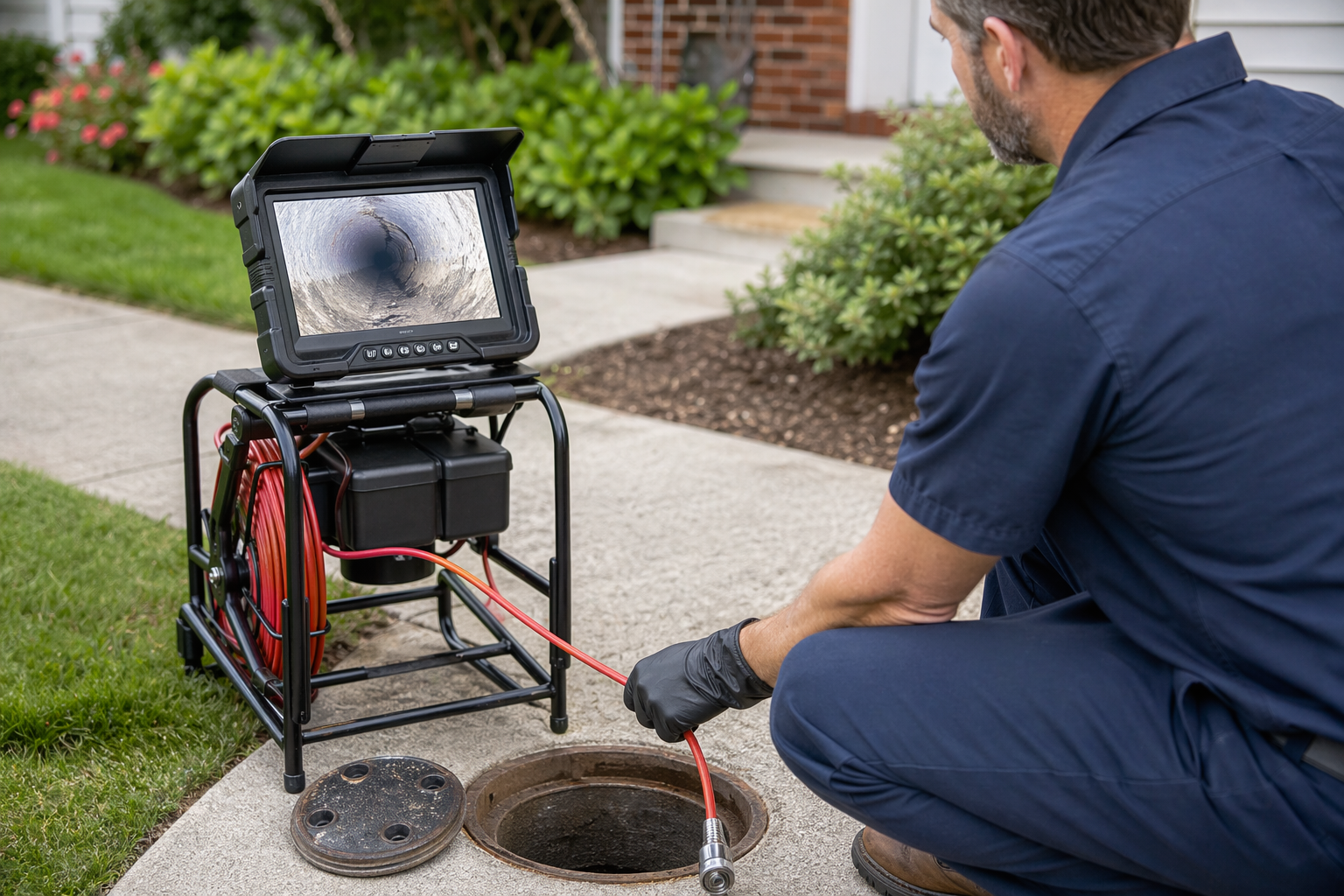 Next Service RouteSewer Camera InspectionWhen the priority is documenting the pipe condition before any cleaning - seeing where roots have entered, how much damage exists, and whether repair should come before or after the jetting pass.
Scope and timing
Cost
Support
These are the quick answers most people want before they call, book, or decide on the next step.
Root intrusion cleaning removes tree roots that have entered sewer and drain lines through cracked joints, pipe offsets, or failed connections. High-pressure jetting strips the root mass from the pipe wall and flushes it out of the line, restoring full-diameter flow and creating a clean surface for camera inspection of the entry points.
Property owners with older clay, cast iron, or Orangeburg sewer laterals and mature trees near the line path. These properties experience recurring root blockages because the pipe joints and materials degrade over decades, giving roots permanent entry points that regrow after every cabling. Homes built before the 1980s in Northern Utah are the most common candidates.
A root-cutting jetting nozzle at 3,850 PSI strips the root mass from the interior pipe wall, flushes debris out of the line, and restores usable diameter. After clearing, a camera rated to 200 feet inspects the pipe to document every root entry point and joint condition, which determines whether the line needs annual maintenance cleaning or repair.
Know how many times the line has been cleaned previously and how fast the blockage returned each time. If camera footage from a prior visit exists, that helps target the root entry points immediately. Roots that regrow on a shortening cycle usually indicate worsening joint damage, which means the visit may lead to a repair recommendation rather than just another cleaning.
Related Reading
These follow-up reads stay close to this service and answer the pricing, warning-sign, process, and comparison questions that usually come next.
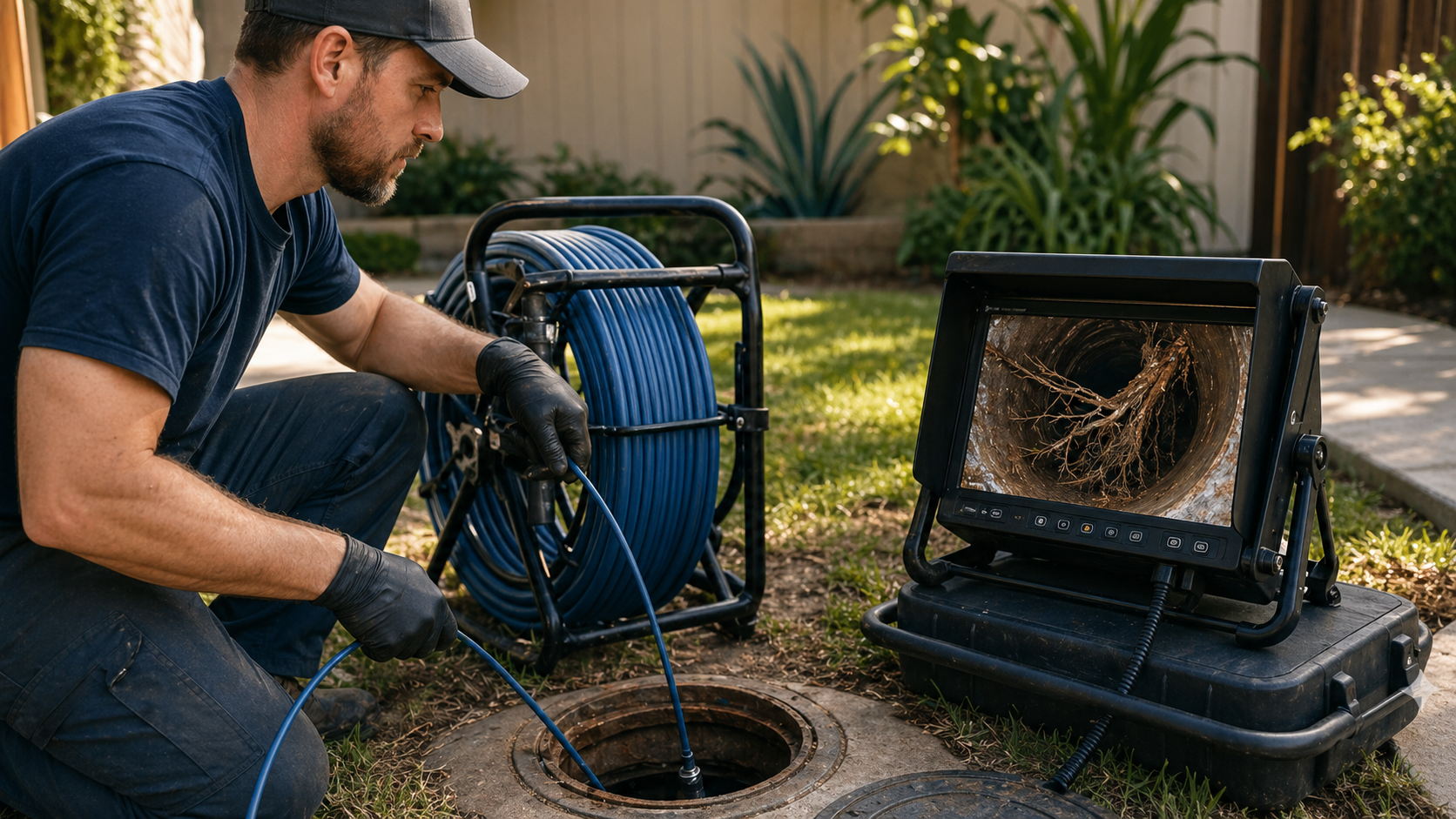
Warning Signs
Covers what root intrusion looks like on camera, how entry points are identified, and when the footage changes the repair decision.
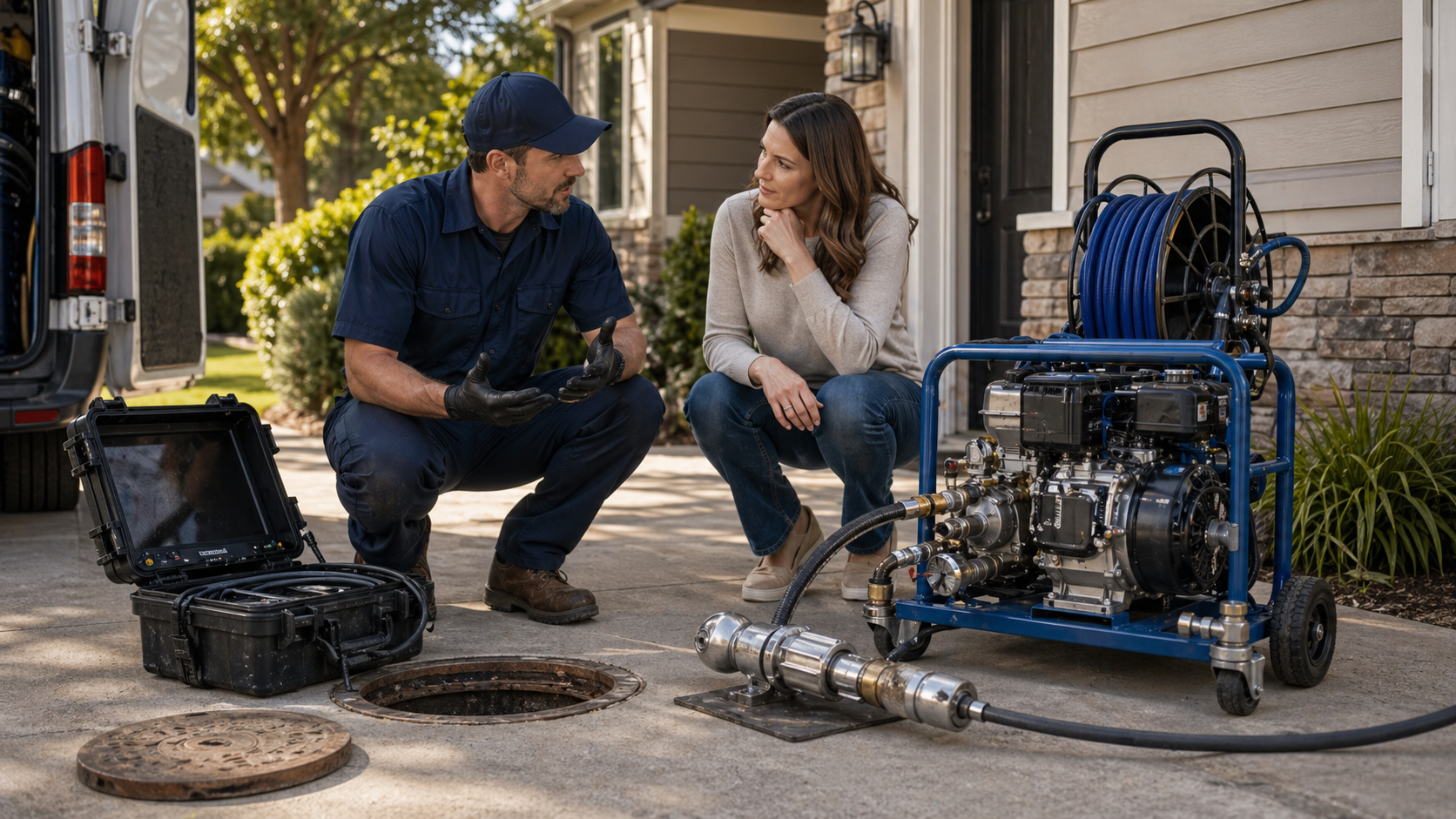
Cost Question
Breaks down jetting price drivers so you can evaluate whether the cost of cleaning compares favorably to the cost of continued backups.
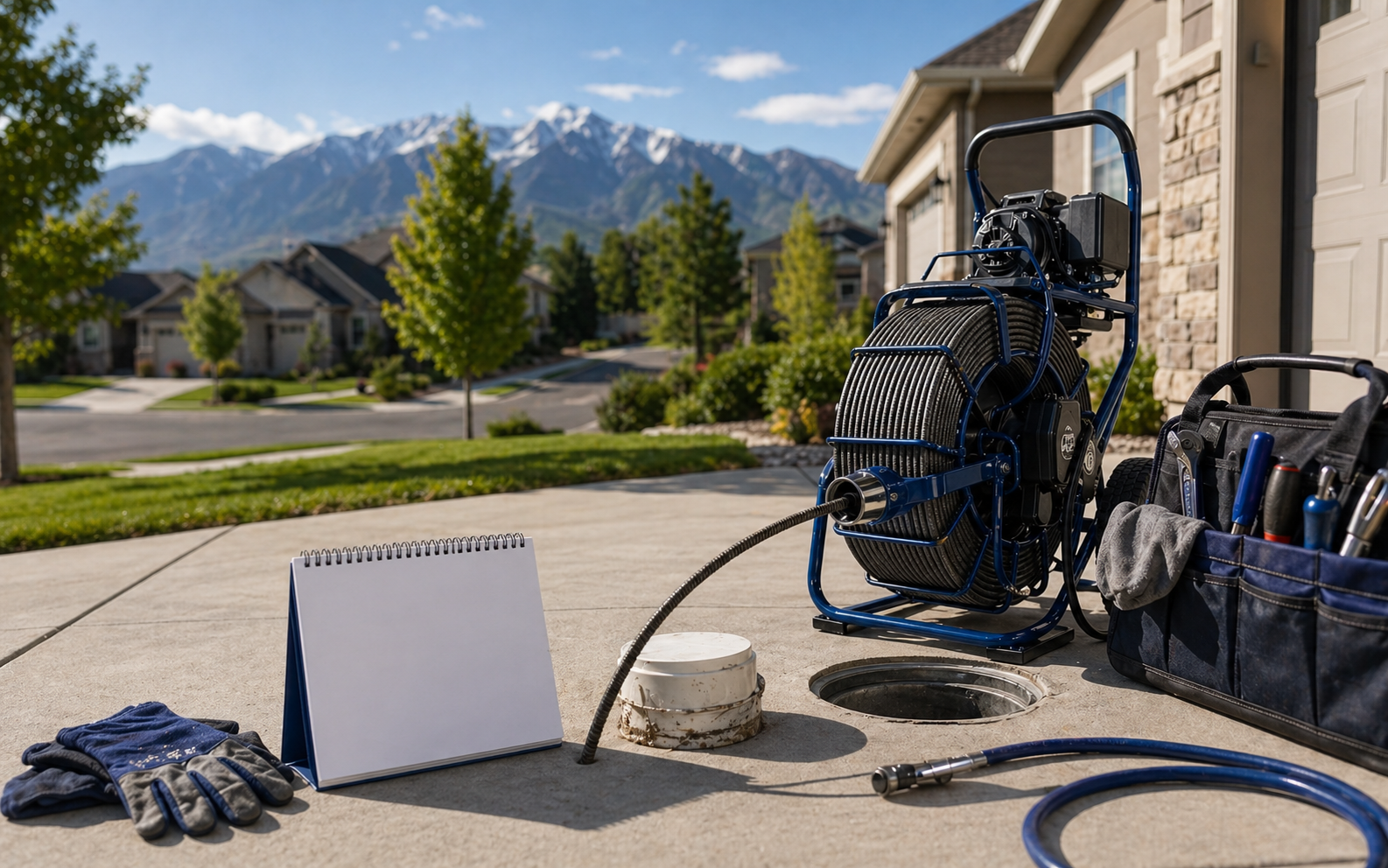
Service Explainer
Walks through the access, camera, and nozzle selection steps that happen before any water hits the pipe.