
Negs
Very professional and arrived fast. Would recommend to everyone. If I could give them 10 stars I would!
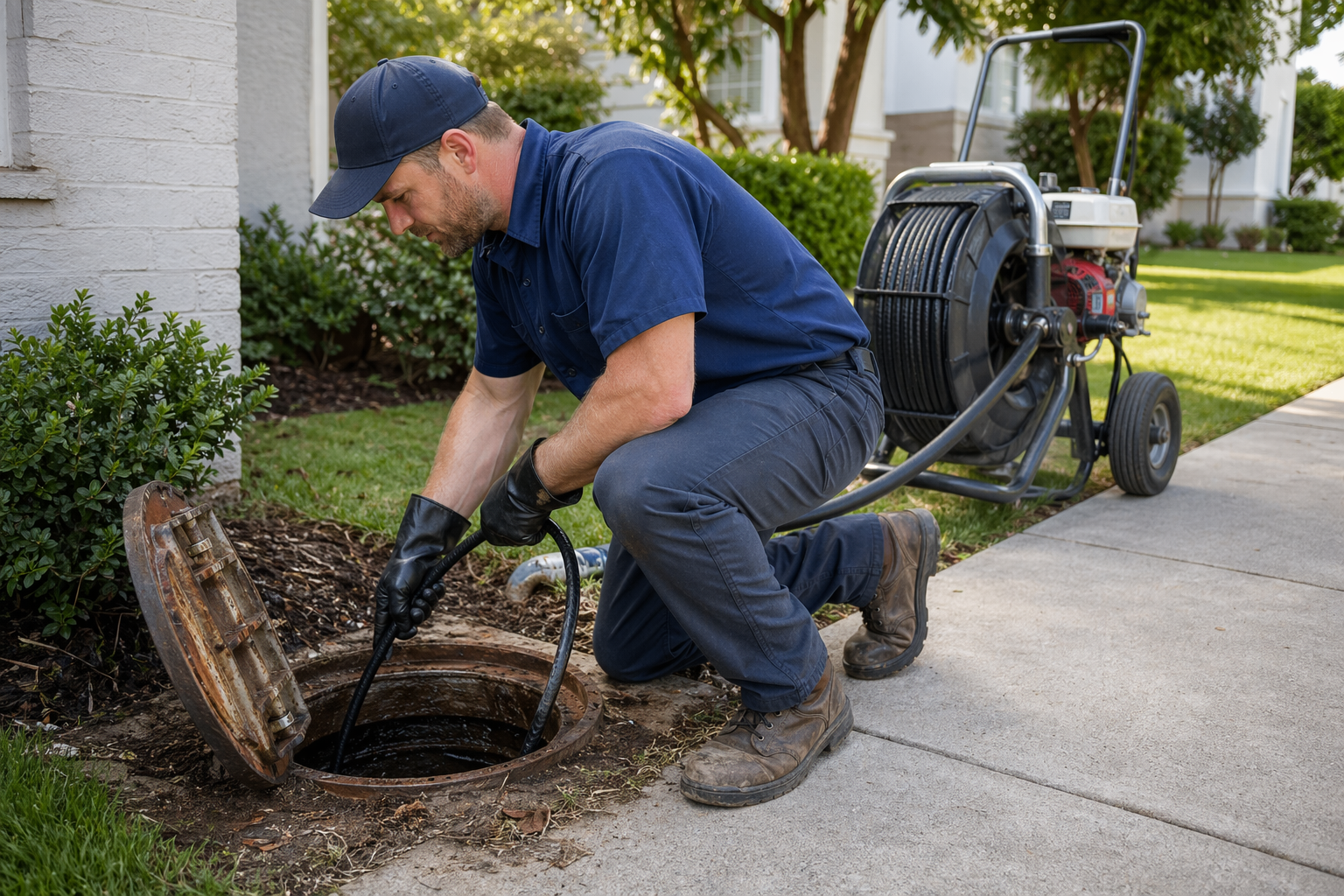
Sewer lateral cleaning for the private line connecting the property to the public sewer when the lateral itself is the restriction point.
What you are seeing
The city came out and told you the blockage is on your side. Or a contractor mentioned the "lateral" and now you are trying to figure out what that means, who is responsible for it, and how to get it cleaned. The sewer lateral is the private pipe that runs from your house to the public sewer main - and when it fails, the property owner is the one who pays to fix it.
Most homeowners do not know the lateral exists until something goes wrong with it. Once you know, the next step is getting the line cleaned and finding out what condition it is in - because the lateral is the one pipe on the property that is entirely yours to maintain, and no one else is going to take care of it.
When this service fits
Sewer lateral cleaning fits when the blockage or buildup has been confirmed or is suspected in the private sewer lateral - the pipe that runs from the building to the point where it connects to the city's public sewer main. This pipe is on private property, maintained at the owner's expense, and is not serviced by the municipality.
This visit is specifically scoped for the lateral. The technician accesses it through the property's cleanout, cleans the full run from the building to the connection, and cameras the result so you know what the pipe looks like and what it needs going forward.
What you walk away with
After the visit, the private sewer lateral has been cleaned from the building to the public connection. You have camera footage showing the pipe material, wall condition, joint integrity, and any defects or conditions that were hidden underneath the buildup. You know whether the lateral is healthy, needs a maintenance schedule, or has structural issues that will require repair.
You also have a clearer understanding of what the lateral is, where your maintenance responsibility starts and ends, and what the pipe needs to stay functional - information that most property owners never receive until a failure forces the conversation.
Problem
Every property with a sewer connection has a lateral - the private pipe that runs underground from the building's foundation to the public sewer main, usually located under the street or in the easement. The lateral is owned and maintained by the property owner. The city maintains the public main. When the lateral clogs, backs up, or collapses, the repair and cleaning costs belong to the homeowner - and the city will not fix it, clear it, or pay for it.
Most homeowners discover the lateral exists during one of three events: a sewer backup that the city attributes to the private side, a home inspection that flags the lateral condition, or a neighbor's lateral failure on the same street that prompts concern about their own. By the time the conversation starts, the pipe has usually been accumulating buildup for years or decades without ever being cleaned or inspected. In Northern Utah, sewer laterals installed before the 1980s are commonly clay or cast iron - materials that develop interior scale, attract root intrusion at joints, and deteriorate from the inside out over time. Newer PVC laterals are more resistant to corrosion but can still accumulate grease, sludge, and sediment that narrows the interior and restricts flow. Sewer lateral cleaning addresses the lateral specifically - cleaning the private line, documenting its condition, and giving the owner the information they need to maintain a pipe they are responsible for whether they knew about it or not.
The sewer lateral is the most expensive pipe on the property that most homeowners do not know they own. Cleaning and documenting it now is cheaper than discovering its condition during a midnight backup when the only option is emergency service.
Solution
The visit is scoped specifically for the private sewer lateral - the pipe that runs from the building to the point where it ties into the public sewer main. That scope distinction matters because the lateral is the homeowner's responsibility, and the cleaning, condition assessment, and follow-up recommendation all need to be focused on the pipe the owner maintains and pays for. A general sewer cleaning visit may address the lateral as part of a broader scope. A sewer lateral cleaning visit targets it directly.
The cleaning covers the full run from the building-side cleanout to the public connection. The method - cable, jetting, or both - is matched to what the lateral contains. Grease buildup along the walls, root mass at joints, compacted sediment in low spots, and mineral scale bonded to older pipe materials all require different approaches. The technician assesses the buildup type at the cleanout and selects the cleaning method that addresses it at the wall surface, not just through the center.
After cleaning, the camera runs the full lateral and documents the pipe condition underneath the buildup that was removed. This is the step most property owners have never had performed - a visual record of the pipe they own showing material type, wall integrity, joint condition, root entry points, grade alignment, and any structural damage. That footage is the foundation for every decision about the lateral going forward: whether it needs a maintenance schedule, whether a specific section needs repair, or whether the pipe is in good condition and just needed the first real cleaning it has ever had.
Fit and situation bullets
Problem bullets
Customer Feedback
See what customers say after a sewer lateral cleaning — from learning what the lateral is and where their responsibility starts to the camera findings showing the line's condition after cleaning.
Leave a Review!These guys are great! I run a plumbing company but don’t do drains. I often sub contract them to service my customers sewer lines. They don’t only make me happy, but they keep my customers happy and that’s what matters to me most. Thanks guys!
Amazing experience! They are knowledgeable, kind, courteous and very thorough. Our clogged kitchen pipe was a bit of a challenge but they kept going and did everything they could to get it unclogged and they did it! They were very upfront with what caused the clog, gave us video recording of our pipes so we can see exactly what was done, double checked to make sure the pipes were clean and free of clogs and gave us steps on how to maintain the pipes moving forward. Highly recommend!!
This company is Awesome!!! Highly recommend that you call them for your drain cleaning and power washing needs! A++ in service, cost, and quality of work. Alex and Jacob completed drain work, patio cleaning, and filled in cracks in cement. The patio looks brand new! Thank you Alex and Jacob!!!
Alex was very good to work with. They were professional and punctual, working around my schedule. They were able to show me exactly before and after, even showing footage inside my pipes, which I have never seen before. I would recommend them.
Awesome experience! AJ was super professional and got us back in service. They offered us a few solutions and cleared our clogged sewer line for an excellent price
Very professional and arrived fast. Would recommend to everyone. If I could give them 10 stars I would!
Very pleased by my wonderful experience with this company and their service. They were very efficient and fast with their time. I appreciate their professionalism and commitment to the work they did for me!
Why Mountain West
Camera rated to 200 feet
Documents the full private lateral from the building-side cleanout to the public sewer connection - up to 200 feet of pipe with live footage review - so you see every foot of the pipe you own and maintain.
Jetting and camera on every call
Both deploy on every sewer lateral cleaning visit. If the lateral needs jetting to strip wall buildup that a cable would pass through, the equipment is already on the truck. The cleaning and the camera documentation happen in one visit - no rescheduling to finish what should have been done the first time.
3,850 PSI jetting capability
Cleans the private lateral at 3,850 PSI and 8 GPM across pipes 2 to 12 inches in diameter with 300 feet of reach - enough pressure and range to clean the full run from the building to the connection regardless of lateral length or buildup severity.
20+ years combined field experience
Two decades of cleaning private laterals across Northern Utah - clay, cast iron, Orangeburg, and PVC - and knowing which pipe conditions are serviceable through cleaning and which ones have moved into repair territory.
Licensed and insured
Licensed for sewer, drain, and drainage system work - the classification that covers the private lateral scope, from cleaning through condition assessment and the recommendation that follows.
The visit is focused entirely on the private sewer lateral - the pipe the homeowner owns and maintains between the building and the public sewer connection.
You finish the visit with a clean private lateral, camera footage of the full run from building to connection, and a clear understanding of what the pipe you own looks like inside, what condition it is in, and what it needs to stay functional.
If the lateral cleaning reveals conditions that call for additional service - a prevention program for a line that builds up quickly, a combined visit that addresses branch drains alongside the lateral, or camera-based repair scoping for structural damage the cleaning exposed - these services address what comes next.
Evidence
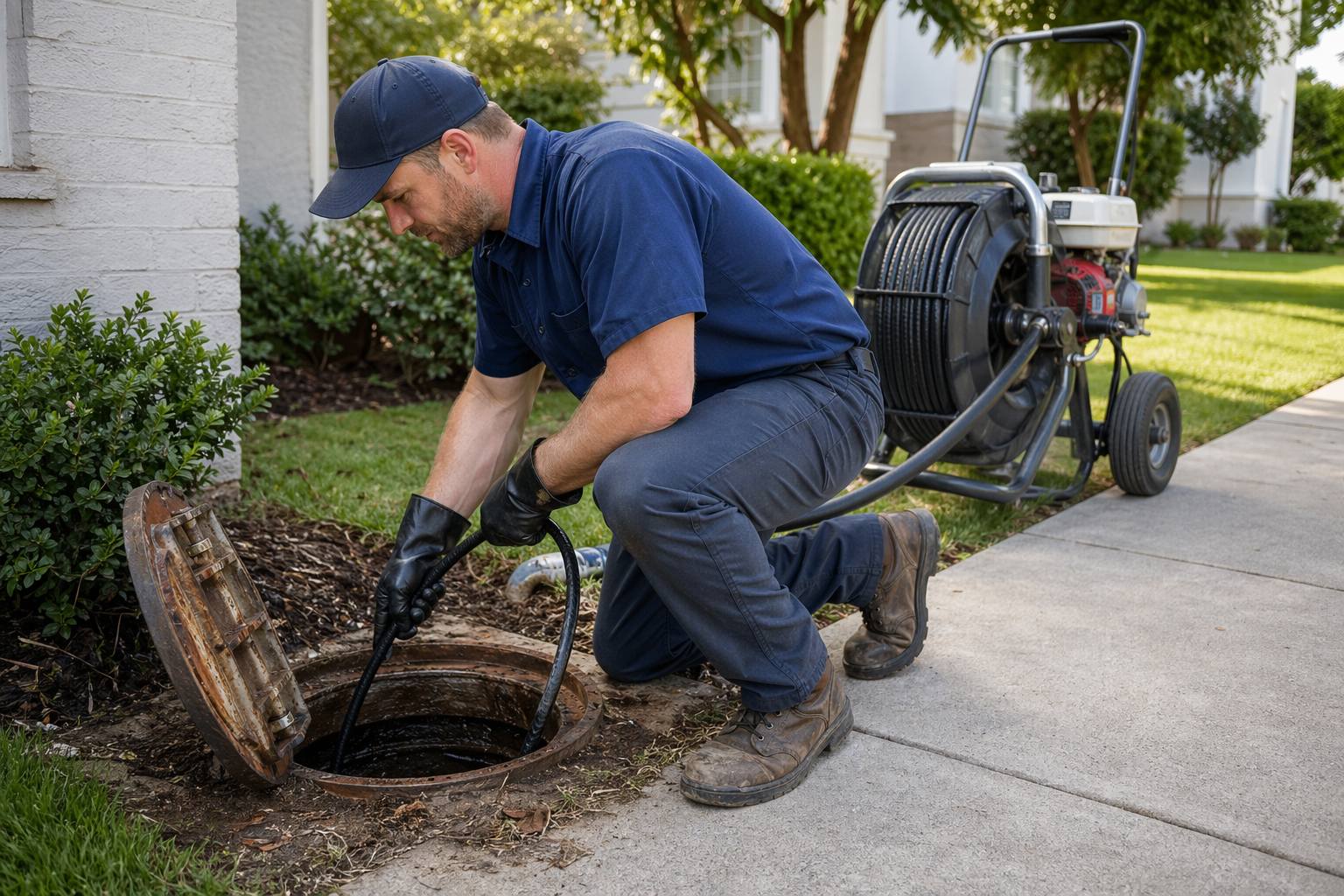 Next Service RouteSewer Backup PreventionWhen the lateral cleaning reveals a buildup pattern that will return on a predictable cycle and the line needs a scheduled maintenance program to stay ahead of the next restriction - especially on older pipe with root exposure or heavy grease accumulation.
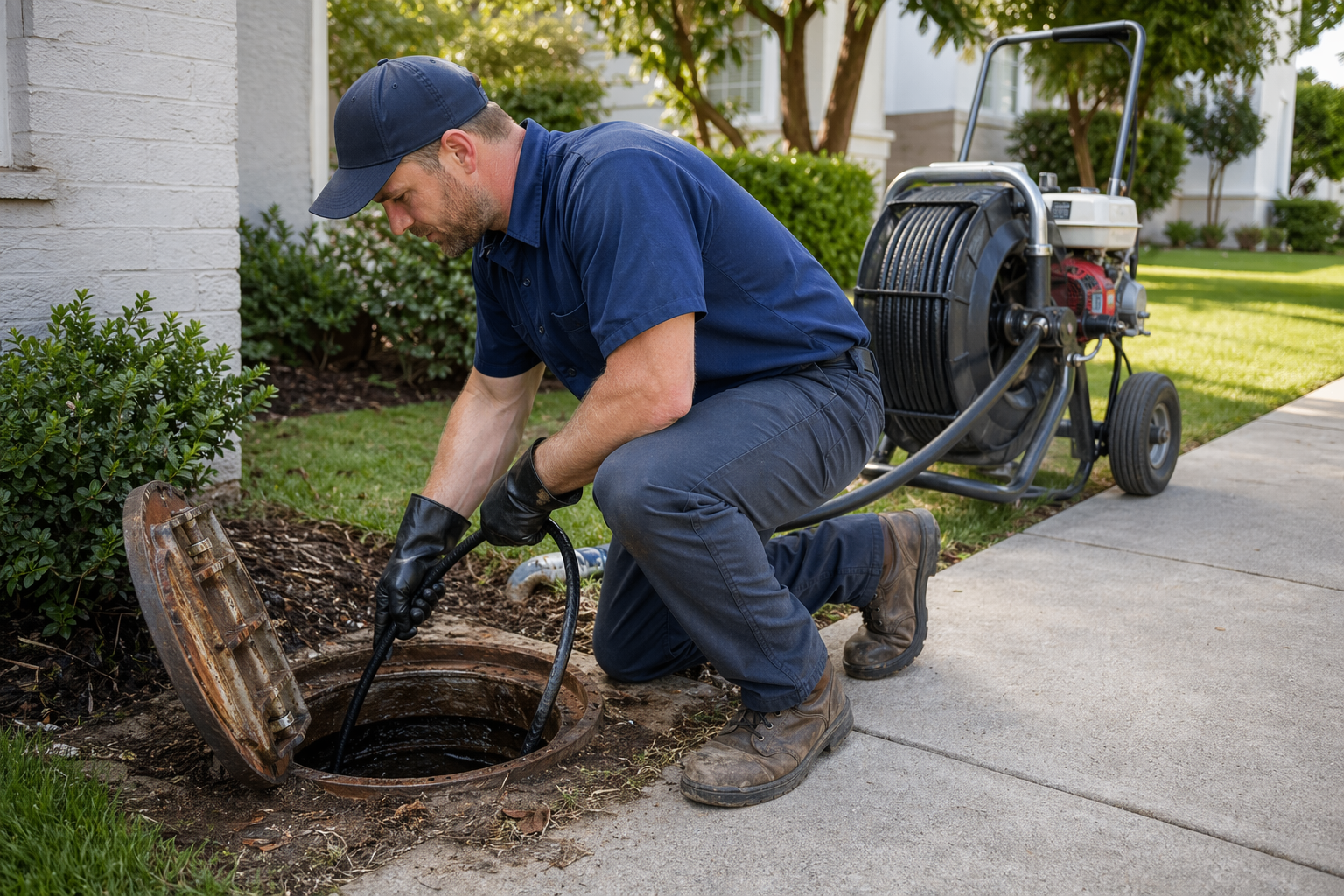 Next Service RouteSewer Cleaning And MaintenanceWhen the lateral cleaning resolves the downstream restriction but branch drain symptoms persist on the building side - and both systems need to be addressed together to fully resolve the overlapping drainage problems.
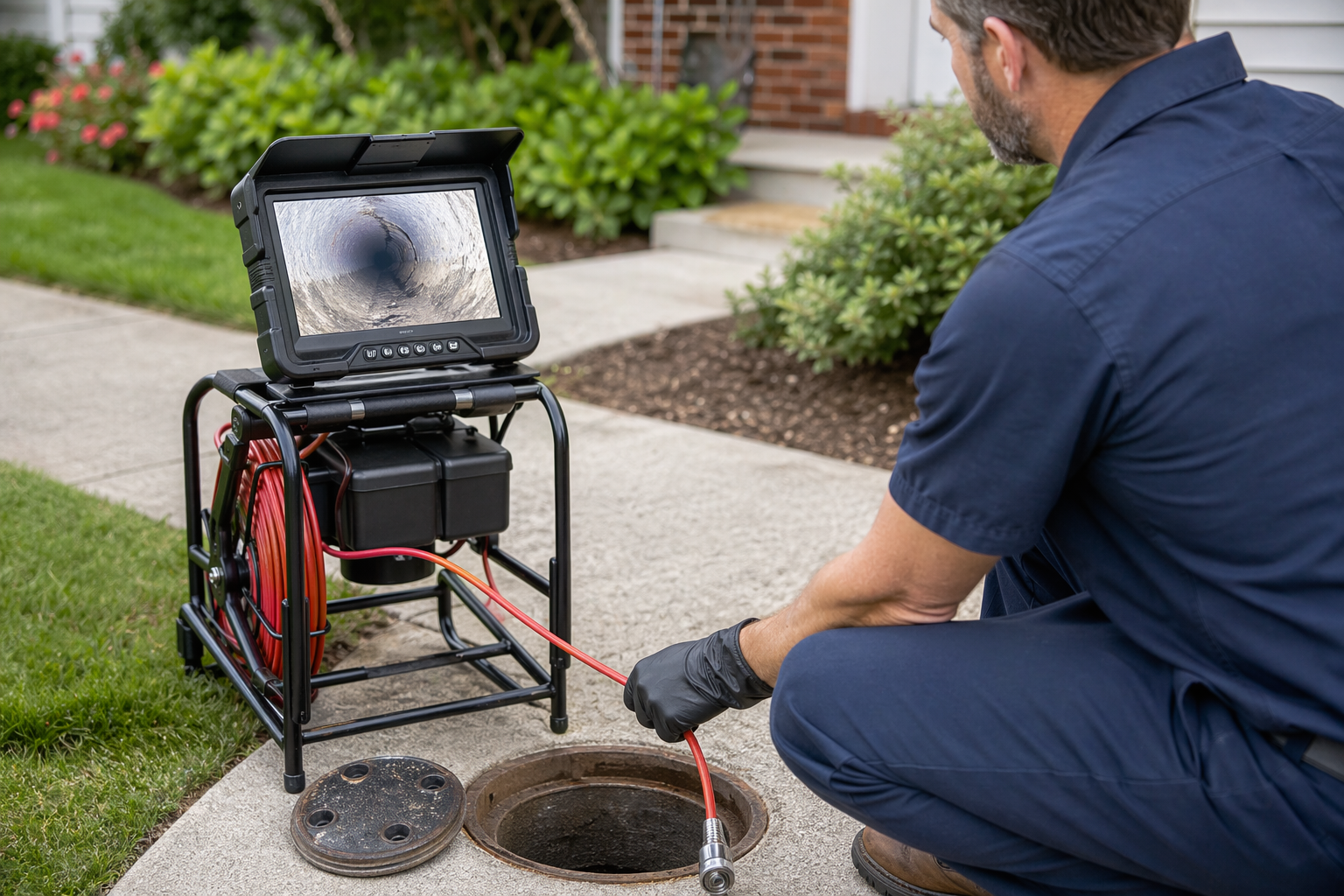 Next Service RouteSewer Camera InspectionWhen the post-cleaning camera footage reveals cracks, heavy root damage, joint separation, a belly, or wall deterioration in the lateral that cleaning alone cannot manage - and the next step is evaluating repair or replacement options with footage-documented evidence.
Scope and timing
Cost
Support
These are the quick answers most people want before they call, book, or decide on the next step.
The sewer lateral is the private pipe that runs underground from the building to the public sewer main - usually under the yard and connecting at or near the street. The property owner is responsible for cleaning, maintaining, and repairing the lateral. The city maintains the public main but does not service the private lateral. When the lateral clogs, backs up, or fails, the homeowner pays for the service.
Property owners who have been told the sewer problem is on their side of the connection - by the city, a contractor, or a home inspector - and need the private lateral cleaned and documented. Homes with older clay or cast iron laterals that have never been cleaned or inspected carry the highest risk because decades of buildup and joint deterioration go undetected until the line produces a backup.
The technician accesses the private lateral through the property's cleanout, cleans the full run from the building to the public sewer connection using the method matched to the buildup type, then cameras the cleaned line to document pipe condition - material, wall integrity, joints, root entry, and structural damage. Findings are reviewed on site with a recommendation for maintenance, repair, or no further action.
Know whether the city or a contractor identified the problem as being on the private side. Have the cleanout location ready if known. If the property is older, know the approximate age - laterals installed before the 1980s are commonly clay or cast iron with higher buildup and deterioration risk. If prior cleaning or camera work has been done on the lateral, share what was found so the visit is scoped to the current condition.
Related Reading
These follow-up reads stay close to this service and answer the pricing, warning-sign, process, and comparison questions that usually come next.
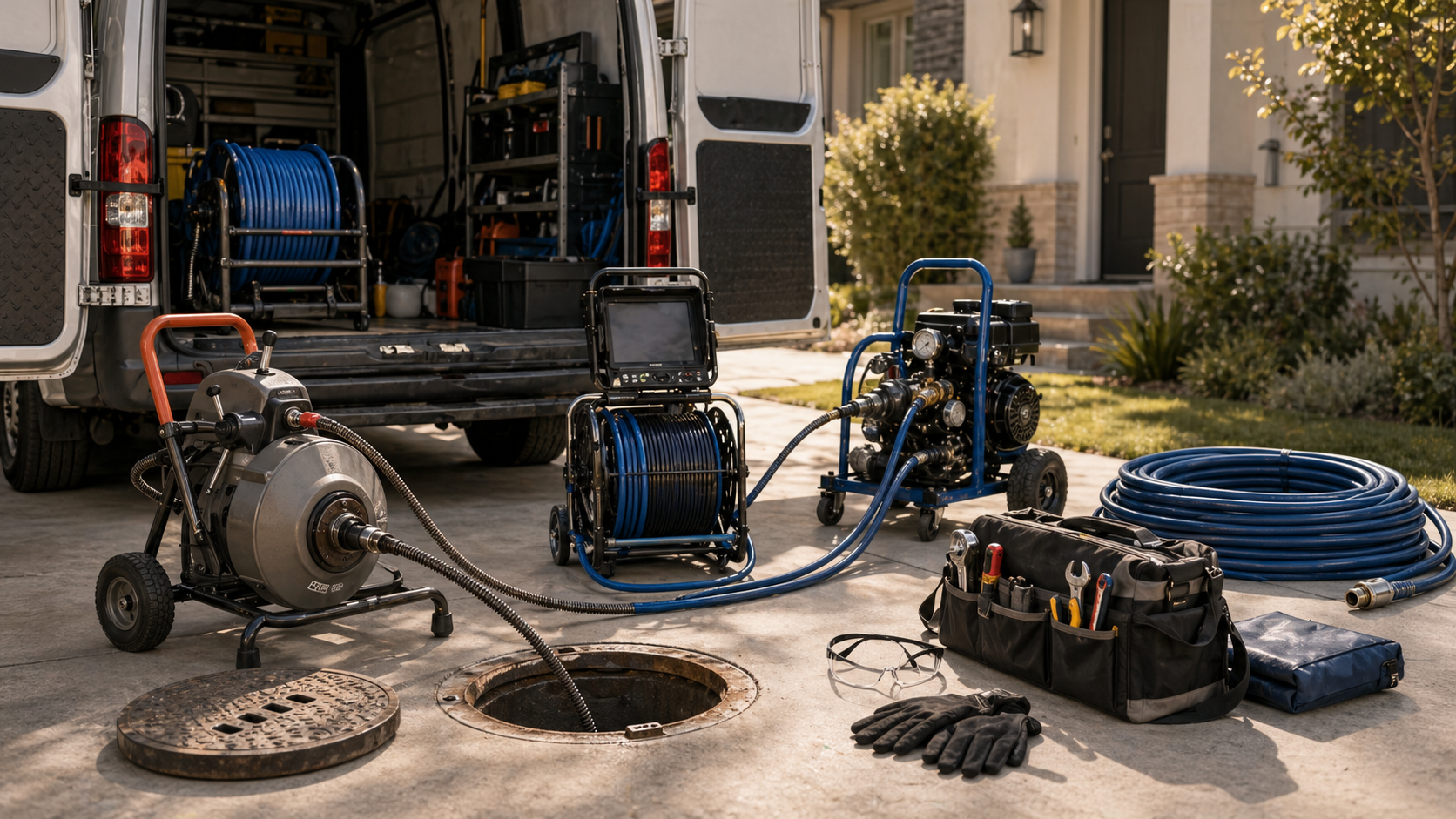
Service Explainer
Covers what a sewer cleaning visit includes and how to compare a lateral-focused scope to a general sewer cleaning service.
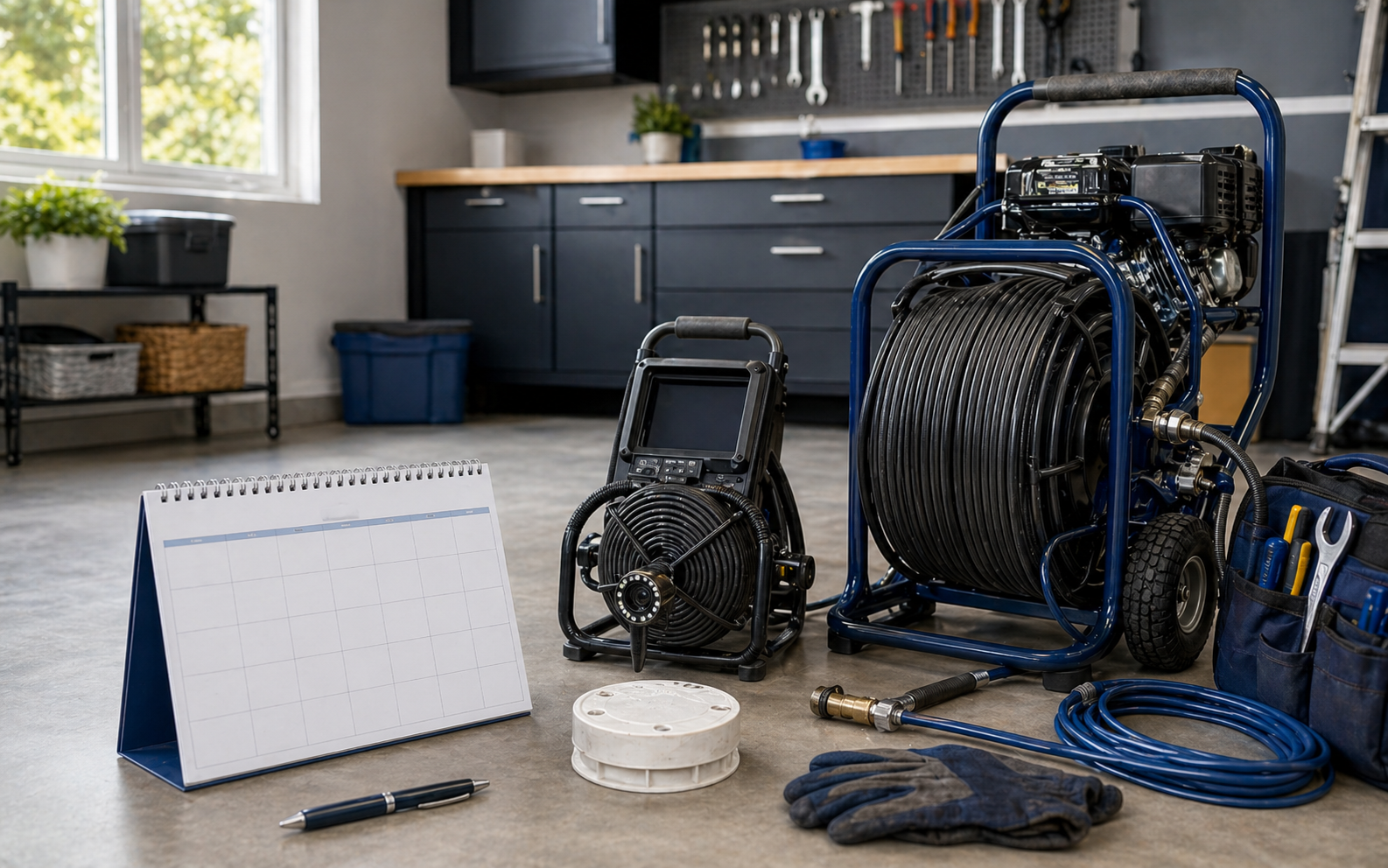
Timing Help
Explains the factors that determine cleaning frequency - useful after the lateral's baseline condition is established and you need to decide on a maintenance interval.
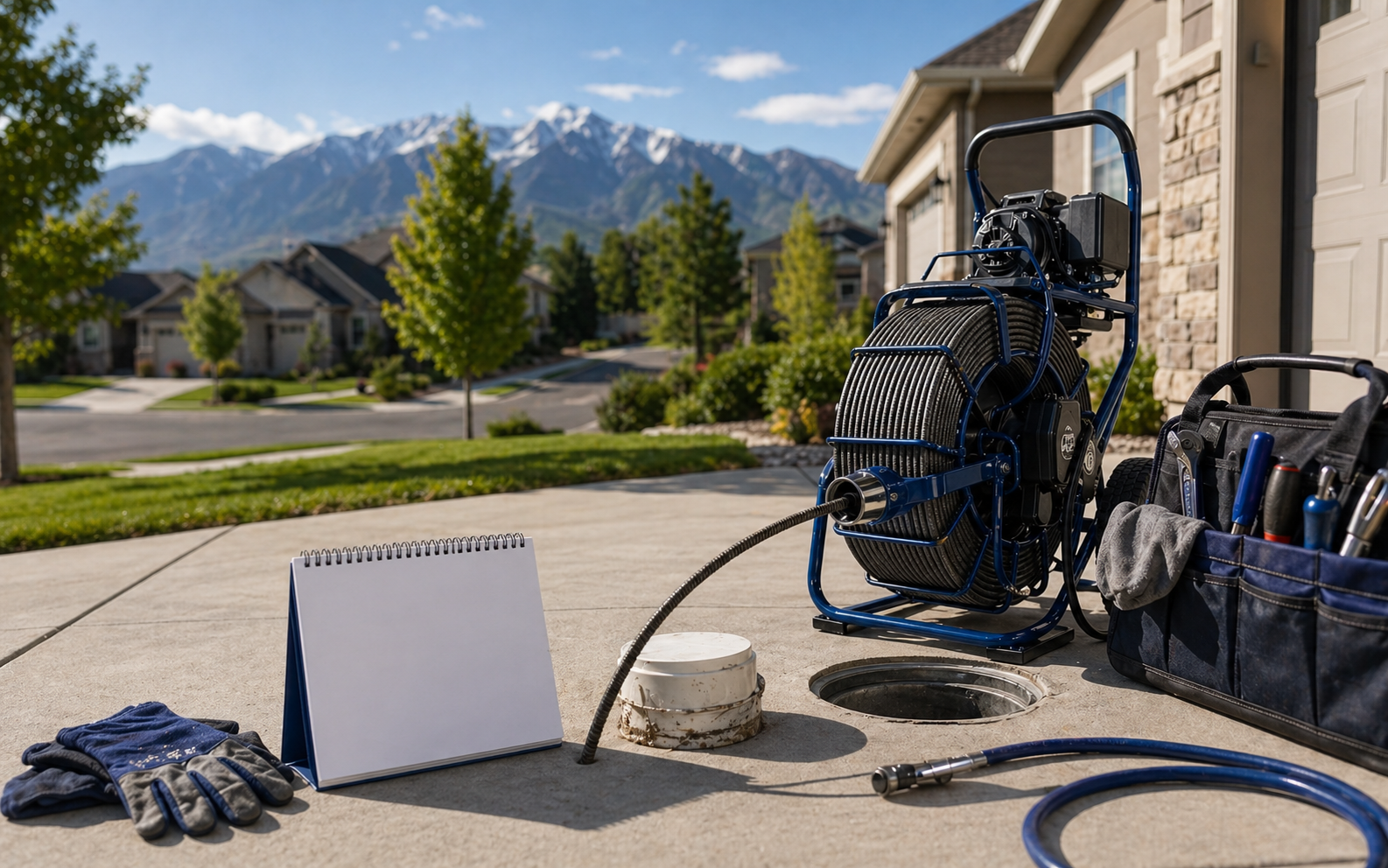
Service Explainer
Walks through when to schedule a sewer line cleaning and what usually changes the timing recommendation based on pipe condition and buildup history.