Mountain West Jetting
Mountain West logoMountain West Hydro Jetting & Sewer Maintenance LLC

SEWER LINE MAINTENANCE

Sewer line maintenance for properties building a preventive cleaning schedule before recurring backups turn into emergency calls again.

What you are seeing

Sewer Line Maintenance

The sewer line has been cleaned before - maybe once, maybe several times. Each time, the problem came back. Not because the cleaning failed, but because nobody set a schedule to clean the line again before the buildup reached the same level that caused the last backup. That is the gap sewer line maintenance fills.

You are not looking for a one-time cleaning. You are looking for a plan - a recurring schedule that keeps the sewer line cleaned on an interval matched to how fast your pipe builds up, so the next visit happens before the next failure instead of after it.

When this service fits

Recurring Service On A Schedule That Fits The Pipe

Sewer line maintenance fits when the sewer line has already proven it needs regular attention - the buildup comes back, the roots regrow, the grease re-accumulates - and the owner wants a scheduled service plan instead of waiting for the next emergency call.

The maintenance schedule is built around what the camera shows at each visit, not a generic annual recommendation. If the pipe builds up fast, the interval tightens. If it holds clean, the interval extends. The schedule adapts to the pipe - the pipe does not have to conform to a preset calendar.

What you walk away with

A Maintenance Rhythm That Tracks The Pipe

After the first maintenance visit, you have a clean sewer line, baseline camera footage, and a recommended interval for the next service. After the second visit, you have a comparison - how much buildup accumulated since the last cleaning, whether the pipe condition changed, and whether the interval needs adjustment.

Over time, the maintenance record builds into a documented history of the pipe - condition at each visit, buildup rate between services, any emerging issues caught early. That history is what makes the schedule predictive instead of reactive.

Problem

When Sewer Line Maintenance Starts To Make Sense

A sewer line that has backed up once will almost certainly back up again. The conditions that produced the first failure - pipe material, wall roughness, root entry points, grade, grease exposure, household use patterns - do not change after one cleaning. The buildup starts accumulating again the day the cleaning is done. The only variable is how long it takes to reach the restriction level that produces the next backup. Sewer line maintenance is the service that puts a cleaning visit on the calendar before that level is reached.

The gap between cleanings is where backups happen. A homeowner gets the sewer line cleaned, the problem goes away, and life returns to normal. Six months later - or twelve, or eighteen - the same symptoms start returning. The line slows, the lowest drain gurgles, the cleanout starts to smell. By the time the homeowner calls, the pipe is already at or near the failure threshold and the visit is another emergency instead of a planned service. Sewer line maintenance closes that gap by establishing a cleaning interval based on the pipe's documented buildup rate. The camera at each visit shows how much accumulated since the last service, and the interval is adjusted so the next cleaning arrives while the pipe is still flowing - not after the buildup has already produced a backup.

  • How a sewer line maintenance schedule is established, what each recurring visit includes, and how the interval adapts based on camera-documented buildup rates
  • The difference between a one-time sewer cleaning and an ongoing maintenance relationship - and why the second cleaning is the one that sets the real schedule
  • What the camera documents at each visit and how that footage builds a maintenance record that makes the schedule more accurate over time
  • When maintenance alone is the right approach and when the camera reveals conditions at a recurring visit that shift the conversation toward repair

The first cleaning solves the current problem. The second cleaning - timed correctly - prevents the next one. Every cleaning after that extends the prevention further. That is what maintenance does that a one-time visit cannot.

Solution

What Sewer Line Maintenance Looks Like Over Time

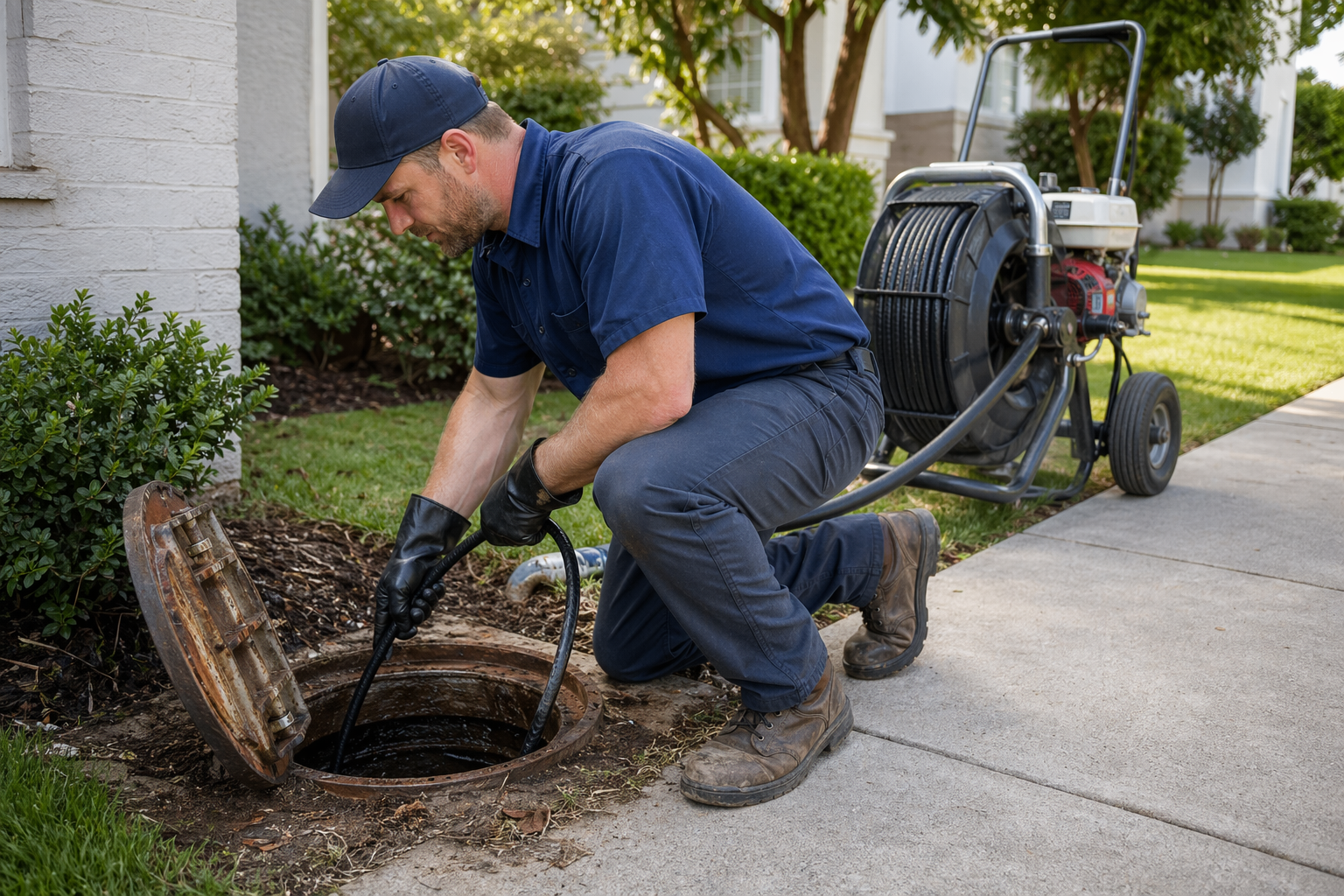
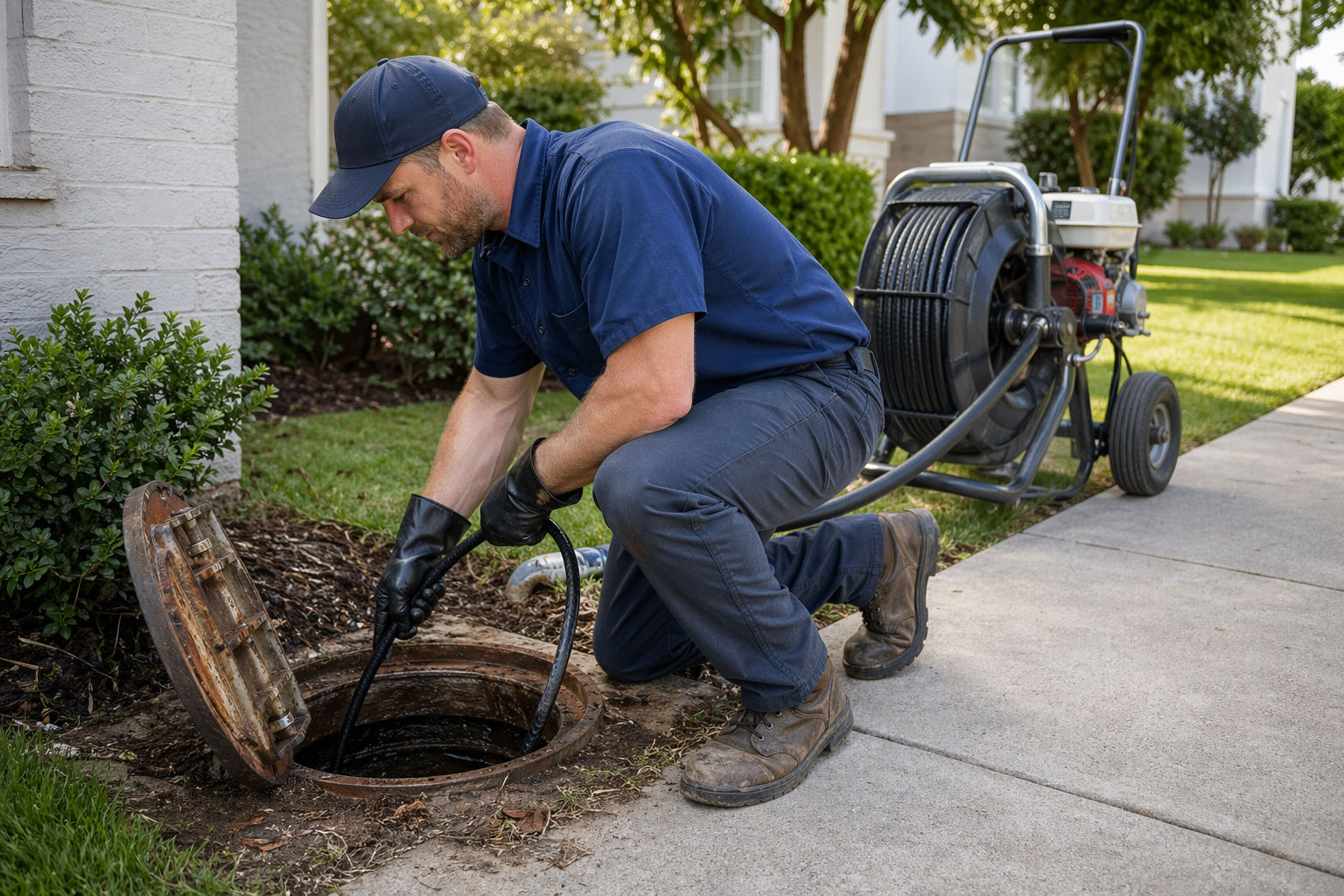
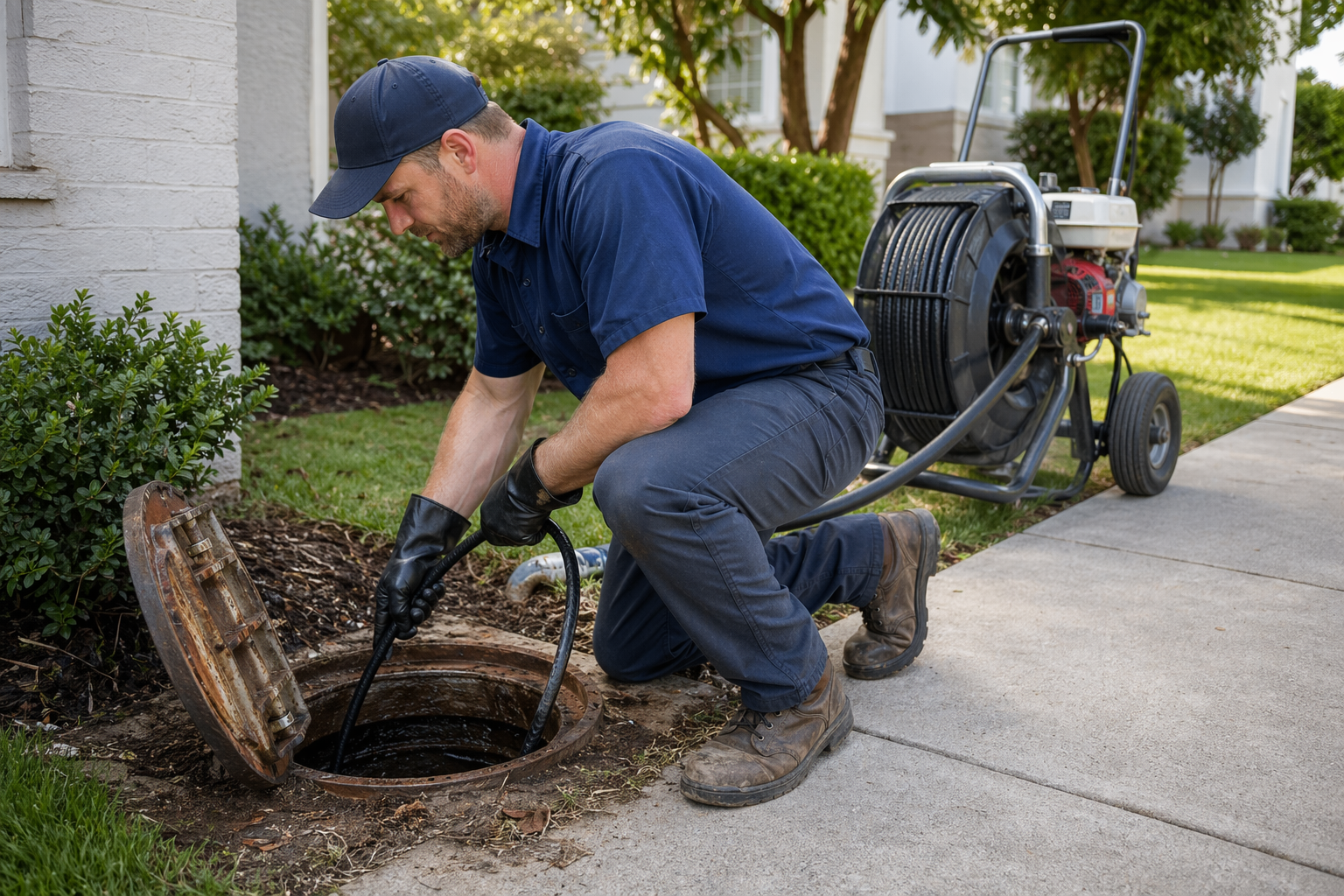
The first maintenance visit is the baseline. The sewer line is cleaned, the camera documents what the pipe looks like without the buildup, and the technician sets an initial interval based on the severity of what was removed, the pipe material and condition, and the risk factors present on the property - root exposure, grease use, pipe age, household size. That initial interval is an educated estimate based on what the first visit reveals.

The second visit is where the schedule gets real. The camera documents how much buildup accumulated since the first cleaning. If the pipe is nearly clean at the scheduled return, the interval can extend - the pipe holds longer than expected, and the next visit is pushed further out. If the buildup has returned aggressively, the interval tightens - the pipe accumulates faster than anticipated, and the next visit is pulled closer. By the third visit, the schedule is calibrated to the pipe's actual behavior, not an estimate.

Each subsequent visit follows the same pattern: jet the line, camera the result, compare to the prior visit, adjust the interval. Over multiple visits, the maintenance record shows a clear trend - whether the pipe is stable, whether buildup rates are changing, and whether new conditions are developing between cleanings. A root entry point that was minor at the first visit but has grown by the third is caught on footage months before it produces a blockage. A section of wall that was intact at the baseline but shows early corrosion at the fourth visit gets flagged for monitoring before it becomes a crack. That trending is what separates scheduled maintenance from repeated one-time cleanings.


Fit and situation bullets

  • The sewer line has been cleaned at least once and the owner knows the buildup will return - the question is not whether the line needs cleaning again, but when, and the owner wants a scheduled plan instead of waiting for the symptoms to reappear.
  • The property has risk factors that guarantee recurring buildup - older pipe, root exposure, heavy grease use, high-occupancy household - and the owner wants a maintenance cadence built around the documented accumulation rate rather than a generic calendar recommendation.
  • The owner has already paid for multiple emergency or reactive cleaning visits and wants to switch to a planned schedule that costs less per year than the emergency cycle and eliminates the disruption, damage, and urgency that come with each unplanned failure.

Problem bullets

  • The sewer line has been cleaned multiple times over the past few years and the problem keeps returning on a predictable cycle - the owner is paying for the same reactive service over and over without a plan to break the pattern.
  • Each cleaning holds for a shorter period than the last, suggesting the pipe condition is changing between visits and the buildup rate is accelerating - but no one is tracking the trend or adjusting the cleaning frequency.
  • The sewer line is on older pipe with known risk factors - root proximity, corrosion-prone material, heavy household use - and the owner wants to manage those risks through scheduled service instead of discovering the consequences during a failure.
  • No maintenance record exists for the sewer line - no camera footage history, no documented buildup rates, no baseline condition assessment - and the owner has no way to predict when the next failure will occur or how fast the pipe is deteriorating between cleanings.

Customer Feedback

Google Reviews From Local Sewer Cleaning And Maintenance Calls

Public Google Profile

See what customers say after starting a sewer line maintenance plan — from the cost difference between scheduled maintenance and repeated emergency calls to the honest assessment of the line's long-term condition.

Leave a Review!

Why Mountain West

What We Bring To The Job

Camera rated to 200 feet

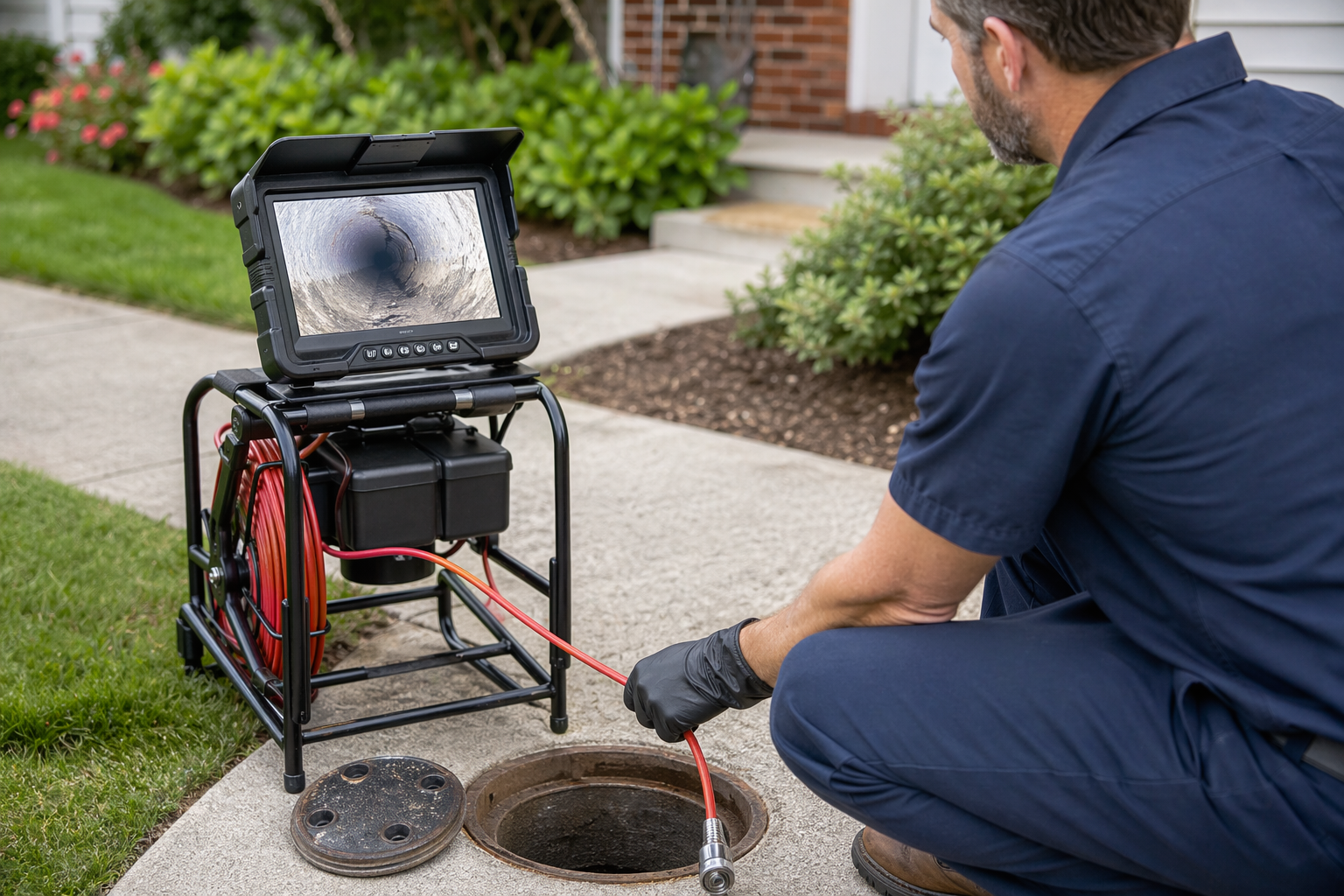
Documents the sewer line at every maintenance visit - up to 200 feet of pipe with live footage review - building a visual record that tracks buildup rate, wall condition, and emerging issues across successive services so the schedule is based on evidence, not estimates.

Jetting and camera on every call

Both deploy on every sewer line maintenance visit. The jetting cleans the line and the camera documents the result - each visit produces both a cleaning outcome and an updated condition record that feeds the next interval decision.

3,850 PSI jetting capability

Maintenance-grade cleaning at 3,850 PSI and 8 GPM strips recurring grease, sludge, root regrowth, and deposits from sewer walls 2 to 12 inches in diameter with 300 feet of reach - consistent pressure at every visit so the cleaning quality does not vary between services.

20+ years combined field experience

Two decades of maintaining sewer lines on recurring schedules across Northern Utah - knowing how clay pipes age differently than cast iron, how root regrowth accelerates in specific soil conditions, and how to read the trend in a pipe's camera history to set the right interval.

Licensed and insured

Licensed for sewer, drain, and drainage system work - the classification that covers the recurring maintenance scope, the camera documentation at each visit, and the condition monitoring that keeps the schedule calibrated.

How Sewer Line Maintenance Works Over Multiple Visits

The first visit establishes the baseline. The second visit calibrates the schedule. Every visit after that maintains the pipe and refines the interval based on what the camera shows.

  • Visit one: clean the sewer line, camera the result, document the baseline pipe condition - material, wall surface, joints, root entry, grade - and set the initial maintenance interval based on the buildup severity, pipe condition, and property risk factors.
  • Visit two: clean the line again at the scheduled interval, camera the result, and compare the footage to the baseline - measure how much buildup accumulated between visits and adjust the interval to match the pipe's actual accumulation rate.
  • Ongoing visits: jet the line, camera the result, compare to the prior visit, and adjust. Track whether the pipe is holding stable, whether buildup rates are changing, and whether new conditions - root growth, early corrosion, joint movement - are developing between services. Flag anything that shifts the conversation from maintenance to repair before it produces a failure.

After the first two visits, the maintenance schedule is calibrated to your specific pipe. Each subsequent visit keeps the line clean, updates the condition record, and confirms the interval - or adjusts it based on what the camera shows has changed since the last service.

Related Services Worth Reviewing

If the maintenance visits reveal conditions that call for a different or additional scope - a one-time deep cleaning to reset the baseline, a combined visit that addresses branch drains alongside the sewer line, or camera-documented repair scoping for structural damage caught during a scheduled visit - these services address those needs.

Evidence

Sewer Line Cleaning Service page preview.Next Service RouteSewer Line Cleaning ServiceWhen the sewer line needs a one-time deep cleaning before the maintenance schedule starts - establishing a clean baseline to set the first interval against, especially if the line has never been jetted and years of accumulated buildup need to be stripped before recurring service begins.Sewer And Drain Cleaning page preview.Next Service RouteSewer And Drain CleaningWhen a maintenance visit reveals that branch drains are also contributing to the drainage problem - the sewer lateral is on schedule, but fixture-level symptoms persist because the branch lines have their own buildup that needs to be addressed alongside the sewer maintenance.Sewer Camera Inspection page preview.Next Service RouteSewer Camera InspectionWhen the camera footage at a maintenance visit reveals structural changes - new cracking, progressive root damage, wall deterioration, or a developing belly - that shift the conversation from cleaning maintenance to repair evaluation with footage-documented evidence.

What Affects Price And Timing

Scope and timing

  • How much of the sewer line the maintenance program covers - full lateral from cleanout to connection or targeted high-risk sections identified during the baseline visit
  • How severe the buildup is at the start of the program and how much initial cleaning is needed to establish a clean baseline before the recurring schedule begins
  • Whether each visit includes full camera documentation or whether camera and cleaning alternate on a schedule that balances thoroughness with cost
  • What maintenance interval the pipe requires - quarterly, semi-annual, annual, or a custom schedule based on the documented buildup rate from prior visits
  • Whether seasonal factors influence the optimal timing - root growth cycles in spring and early summer, grease accumulation peaks during holiday cooking seasons, water table changes during snowmelt
  • Whether the first visit takes longer than subsequent visits because it includes a full baseline assessment with extended camera documentation

Cost

  • Maintenance frequency and the total number of visits per year - quarterly service costs more annually than annual service, but costs less per year than the emergency calls it replaces
  • Length of sewer line cleaned and documented at each visit
  • Whether each visit includes camera documentation or whether the program alternates between full camera visits and cleaning-only visits to manage cost while maintaining condition tracking

Support

Details That Help Before The Visit

Share these when you call

  1. How many times the sewer line has been cleaned in the past few years and how long the results lasted each time - that history is the best predictor of the initial maintenance interval.
  2. What the sewer line typically produces when it fails - grease, roots, sludge, sediment - and whether the same type of buildup returns every time or the pattern has changed.
  3. Any known risk factors - mature trees near the sewer path, older pipe material, heavy kitchen use, high-occupancy household - that would accelerate buildup between cleanings.
  4. Where the cleanout is located, whether the property is residential or commercial, and whether any prior camera footage exists that could serve as an earlier baseline.

Quick Answers About Sewer Line Maintenance

These are the quick answers most people want before they call, book, or decide on the next step.

What does sewer line maintenance include?

Sewer line maintenance includes recurring jetting of the sewer line on a scheduled interval, camera documentation at each visit to track buildup rate and pipe condition over time, and interval adjustment based on how much the pipe accumulates between services. Each visit cleans the line, cameras the result, and compares the findings to the prior visit - so the schedule adapts to the pipe instead of following a preset calendar.

Who needs sewer line maintenance the most?

Property owners whose sewer line has been cleaned more than once and keeps needing service on a repeating cycle. The line has proven it accumulates buildup faster than a one-time cleaning can permanently solve, and the owner wants a scheduled plan that cleans the pipe before the next failure instead of after it. Properties with older pipe, root exposure, or heavy grease use benefit most because their buildup rates are fastest.

How does sewer line maintenance work?

The first visit cleans the line and establishes a baseline with camera footage. The second visit, scheduled at the initial recommended interval, cleans the line again and compares the buildup to the baseline - that comparison calibrates the real schedule. Each subsequent visit cleans, cameras, compares, and adjusts. Over time, the maintenance record shows the pipe's actual behavior and the interval is refined to match.

What should I know before booking sewer line maintenance?

Know how many times the line has been cleaned before and how long each cleaning lasted - that history sets the initial interval. Know what type of buildup typically returns - grease, roots, sludge, or sediment. If prior camera footage exists from a previous service, share it - it can serve as an earlier baseline and accelerate the schedule calibration. Properties with fast buildup cycles benefit from starting the program sooner rather than waiting for another emergency.

Frequently Asked Questions About Sewer Line Maintenance