Mountain West Jetting
Mountain West logoMountain West Hydro Jetting & Sewer Maintenance LLC

SEWER TRENCHING

Sewer trenching for repair and replacement projects that need a defined trench path and a clearer digging scope.

What you are seeing

Sewer Trenching

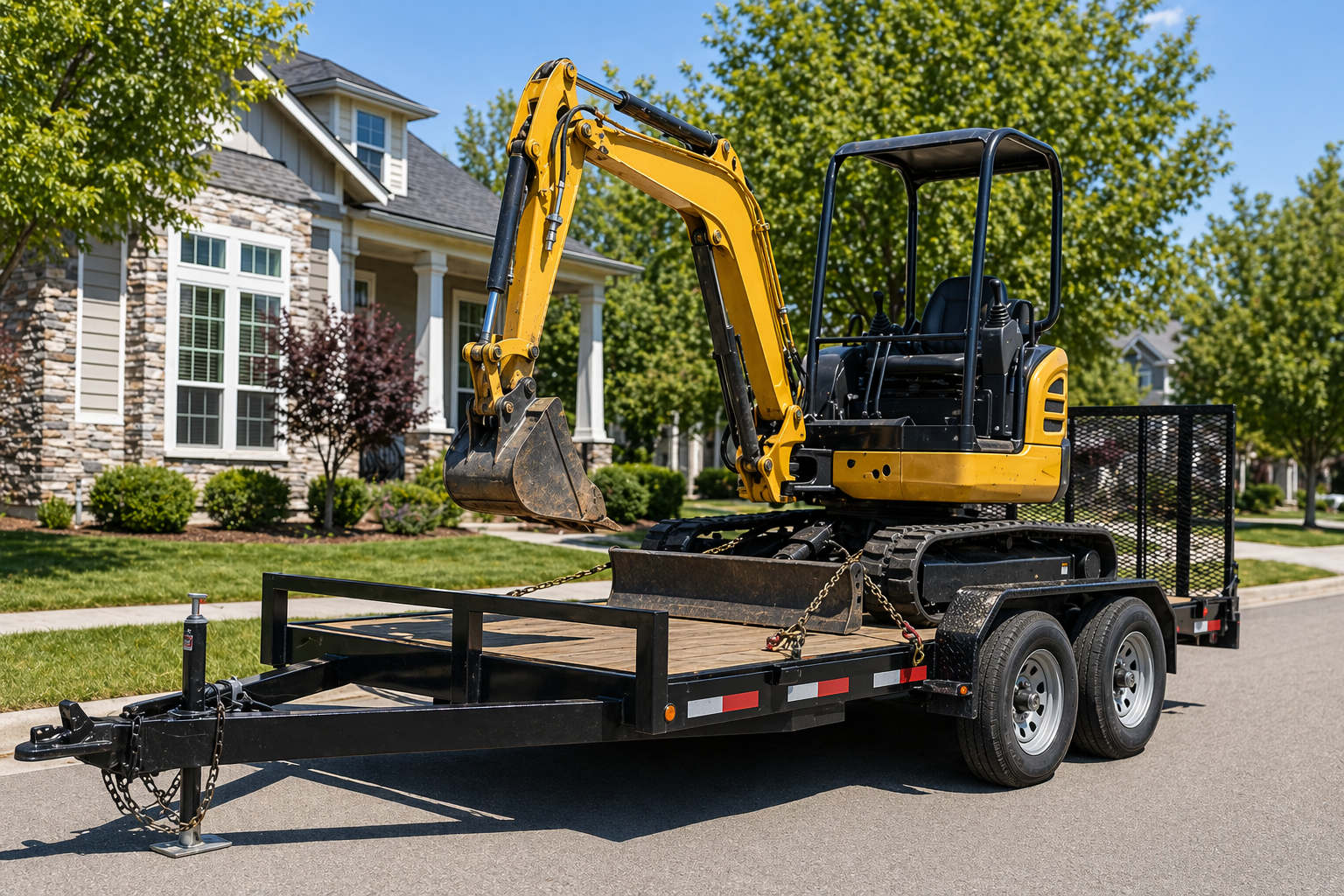
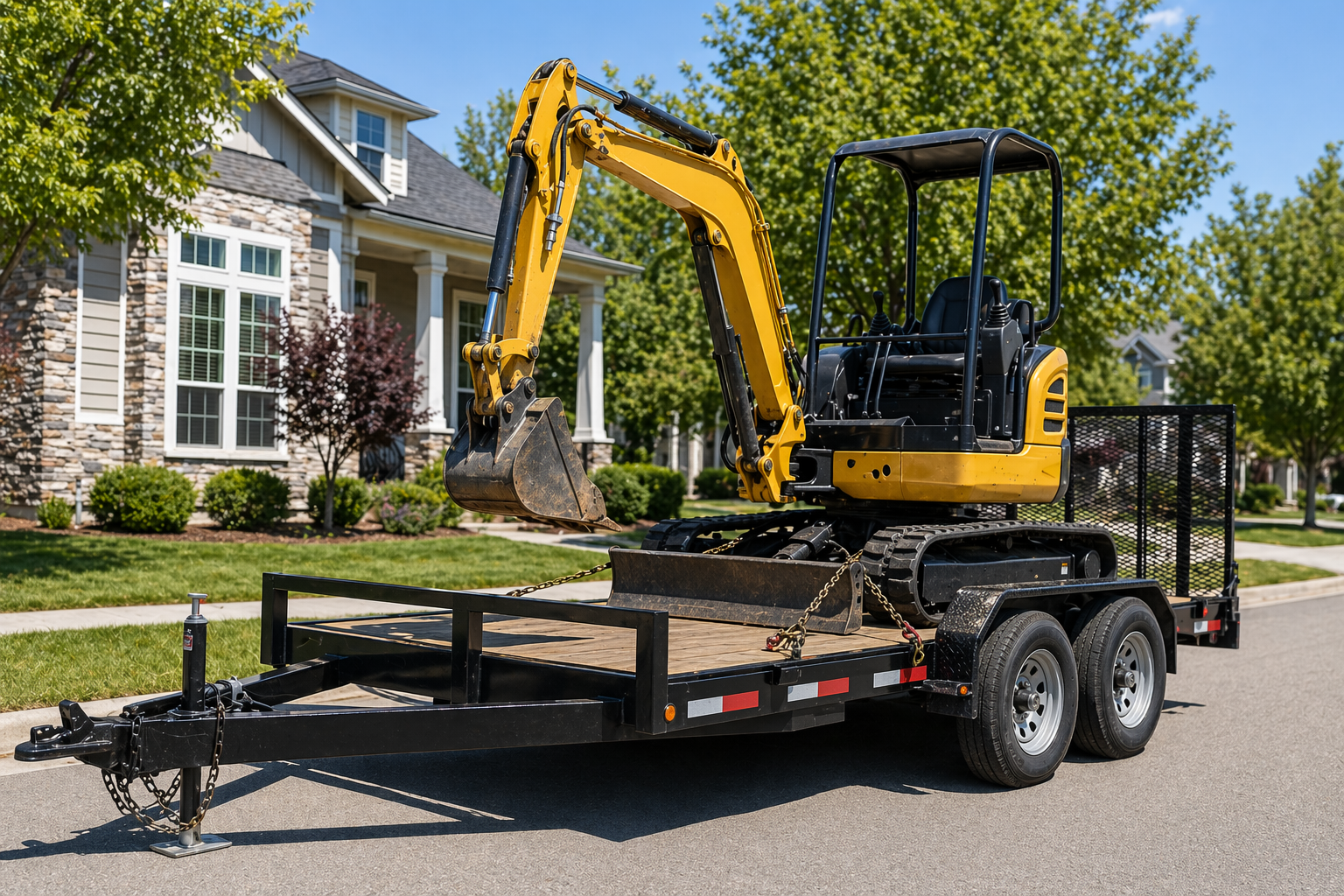
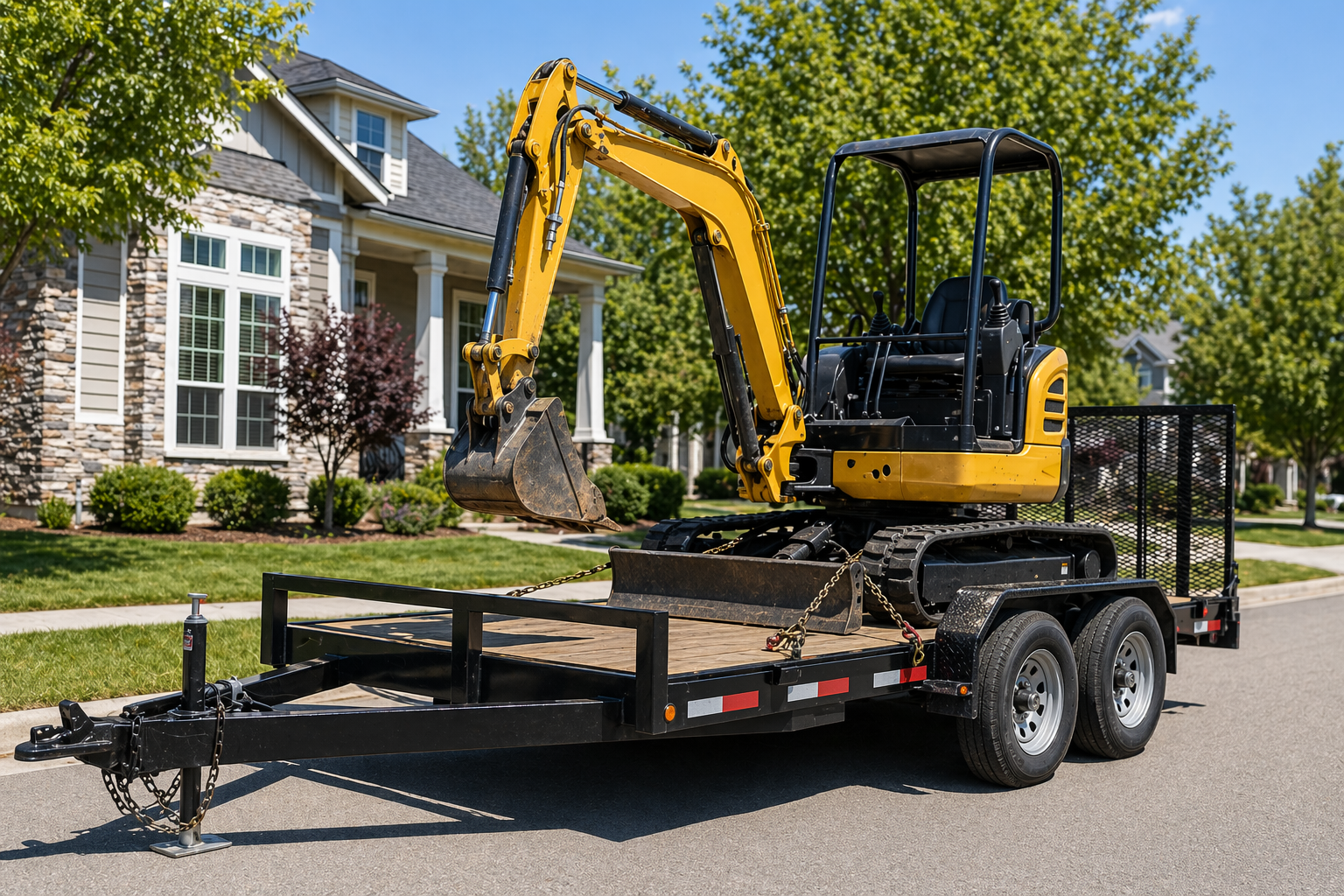
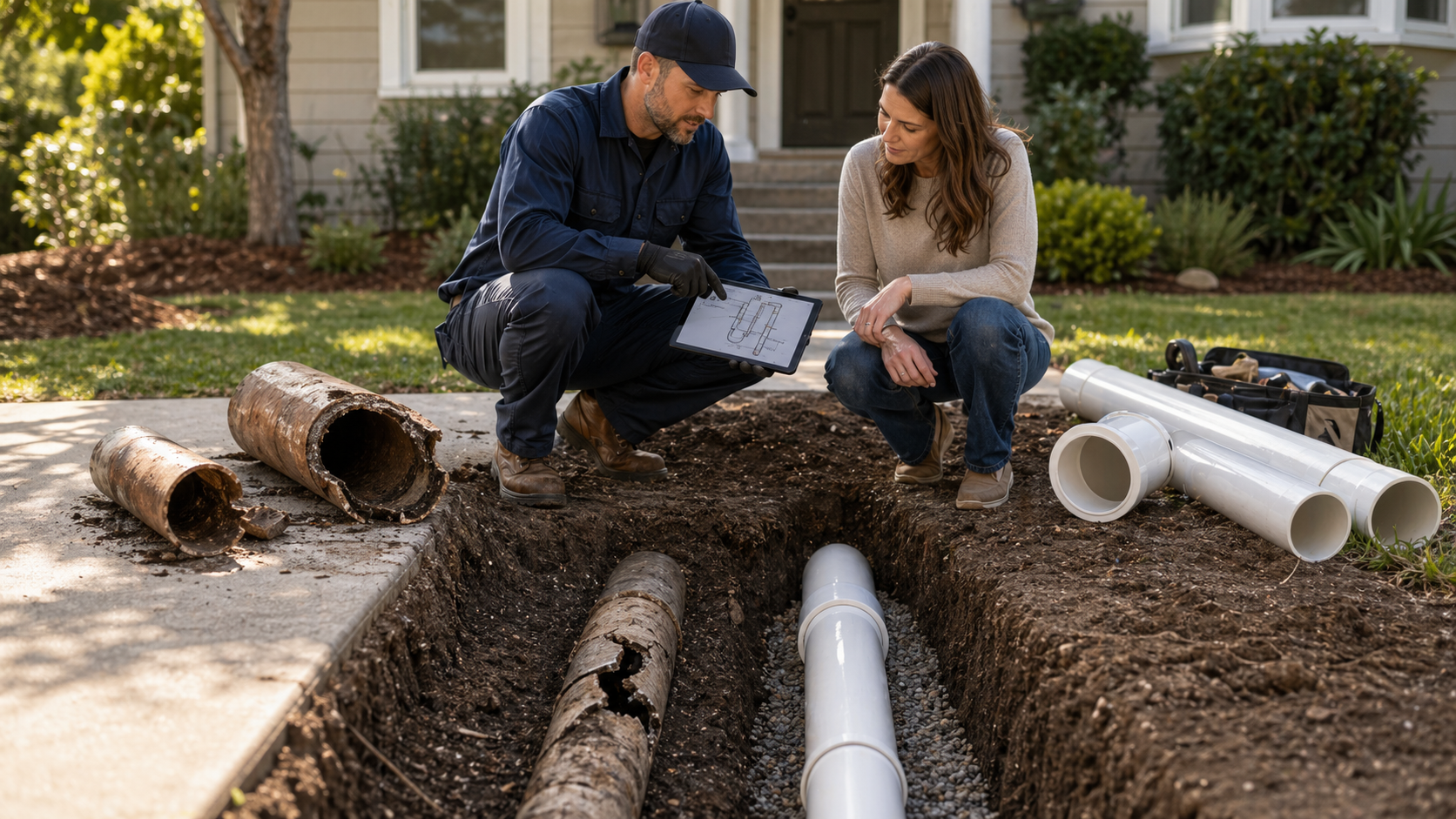
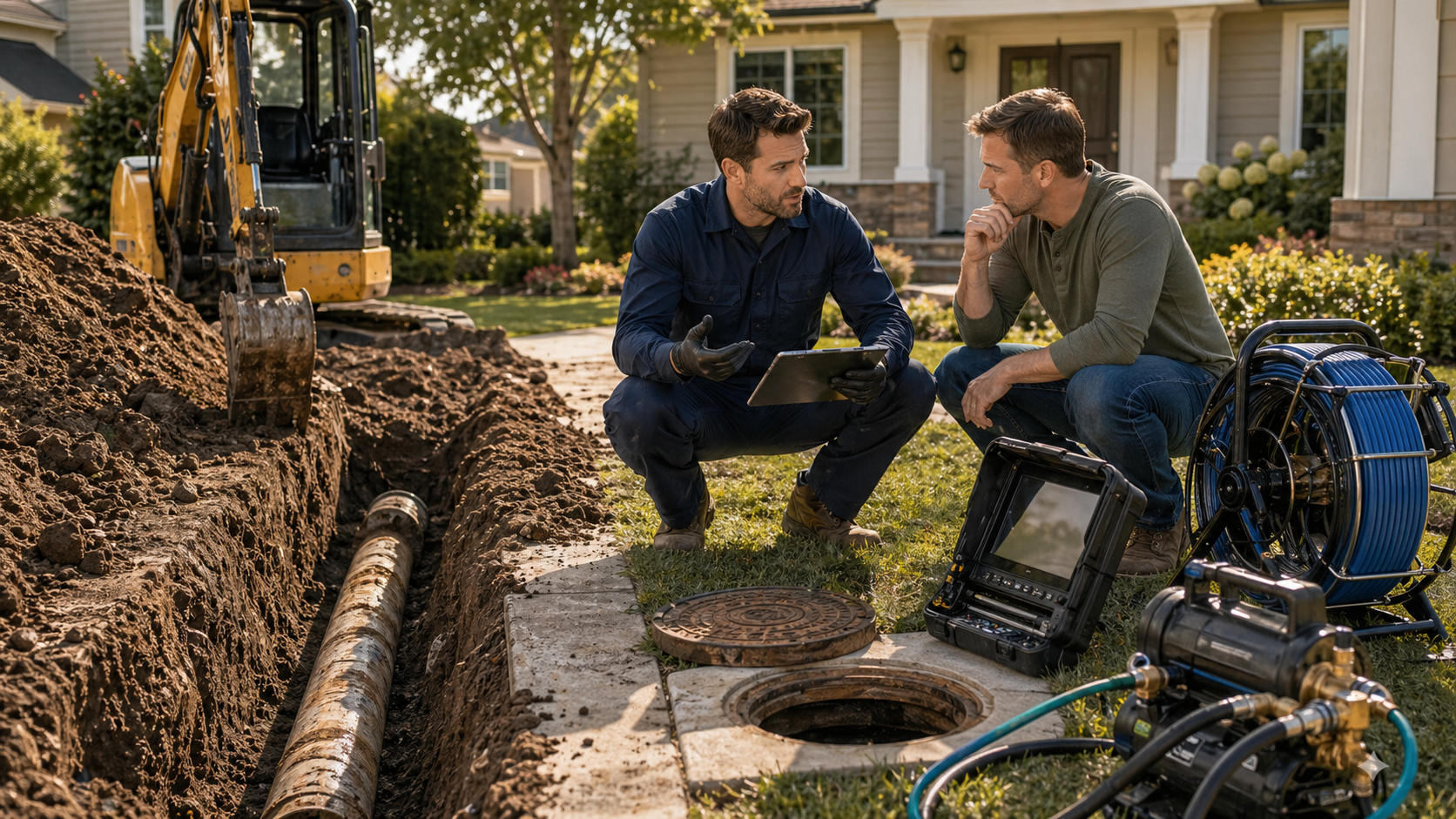
The sewer repair is not a single spot dig. The damage runs across multiple sections - or the entire lateral needs replacement - and the crew has to open a trench that follows the pipe path from the damaged area to the connection point. That means a long, narrow excavation running across the yard, possibly from the building foundation to the property line or the street.

A trench project is the biggest-footprint sewer excavation a residential property typically faces. Before committing to it, you need to understand how long the trench runs, how wide and deep it gets, what happens to the yard during the work, and what the property looks like when the crew is finished.

When this service fits

When The Damage Extends Across The Run

Sewer trenching fits when the pipe damage is not isolated to one section. The camera shows deterioration, cracking, root damage, or failure across a significant portion of the lateral - enough that a single access pit will not reach the full scope of the repair. The trench follows the pipe path and exposes the damaged run so the failed sections can be removed and replaced sequentially.

This is also the method used for full lateral replacement - when the pipe condition across the entire run has deteriorated to the point where replacing the whole line is more practical and more cost-effective than patching individual sections one at a time.

What you walk away with

New Pipe Across The Run And A Restored Yard

After the project, the damaged pipe has been removed and replaced with new pipe across the full trenched section. The camera has verified every connection and the full run is flowing. The trench has been backfilled in compacted layers and the yard has been regraded, with sod or surface restoration completed to return the property to a usable, finished condition.

You go from a lateral with documented multi-section damage to a lateral with new pipe verified on camera - and a yard that has been put back together, not left as a dirt strip with a promise to come back later.

Problem

When Sewer Trenching Is The Right Scope

A sewer trench is different from a spot excavation. A spot dig opens a targeted hole over one damaged section - one collapse, one separated joint, one broken fitting. A trench opens a continuous path along the lateral route to expose multiple damaged sections or the full pipe run. The trench follows the pipe underground, typically running from near the building foundation across the yard to the property line or the public sewer connection at the street. It is the longest and most disruptive type of sewer excavation - and it is the right method when the damage extends too far for a single access pit to cover.

Camera footage drives the trenching decision. When the sewer inspection shows damage at multiple locations along the lateral - cracking at 20 feet, root intrusion at 45 feet, a belly at 70 feet, corrosion throughout - the math shifts from spot repairs to a trench. Digging three or four separate pits and repairing three or four separate sections costs more in total excavation, backfill, and restoration than opening one continuous trench and replacing the entire affected run. Full lateral replacement becomes the practical choice when the pipe condition across the run has deteriorated uniformly - older clay or cast iron that has reached the end of its service life, with enough damage points that the sections between repairs are likely to fail next. The trench exposes the full run, the old pipe comes out in sections, and new pipe goes in from one end to the other.

  • When the damage scope calls for a trench instead of a spot dig - how the camera footage determines whether the project is a targeted pit or a multi-section trench
  • What a sewer trench looks like on a residential property - length, width, depth, how the spoil is managed, and how long the trench stays open during the work
  • How the pipe replacement is sequenced inside the trench - section-by-section removal and installation, connections, camera verification before backfill
  • What the yard restoration involves after the trench is closed - backfill, compaction, regrading, sod, and what the property looks like during the settling period

A trench is the most property you will ever see opened at once for a sewer repair. Understanding the scope before the dig starts - how long the trench runs, how deep it goes, and what the restoration includes - is how the project stays controlled and the result meets expectations.

Solution

What A Sewer Trenching Project Involves

The trench path is set by the camera footage and the lateral route. The camera inspection identifies where the damage starts, where it ends, and how many sections need replacement. The lateral route - confirmed from property records, the cleanout location, and the camera's distance measurements - determines where the trench runs across the property surface. The trench is planned before the dig starts: entry point near the building, exit point near the connection, width sized for safe working access at depth, and a spoil staging area where the excavated soil is stored during the work.

The dig proceeds along the pipe path. The surface is opened - sod removed, landscaping pulled back - and the trench is excavated in sections to the pipe depth. As each section of pipe is exposed, the condition is assessed visually and compared to the camera findings. Damaged pipe is cut out and new pipe is installed section by section, with each connection made before the trench advances to the next segment. On full lateral replacements, the old pipe is removed entirely and the new pipe is laid in the open trench from one end to the other, bedded on compacted material, and connected at the building side and the public connection side.

After the final connection is made, the camera runs the entire new pipe from one end to the other. Every joint, every connection, and the full alignment are verified on footage before the trench is closed. Backfill goes in compacted layers - not dumped in all at once - to prevent settling that would create depressions in the yard weeks or months after the project. The surface is regraded to match the surrounding yard elevation, and sod or surface material is installed. The yard will need time to settle and the new sod will need time to establish, but the trench area is graded, covered, and usable when the crew leaves.


Fit and situation bullets

  • Camera footage shows damage across multiple sections of the lateral - enough separate failure points that individual spot digs would cost more in total than one continuous trench that exposes the full damaged run for sequential replacement.
  • The pipe condition has deteriorated uniformly across the lateral - older clay, cast iron, or Orangeburg that has reached the end of its service life - and full lateral replacement through a continuous trench is more practical and cost-effective than patching sections one at a time.
  • A previous repair addressed one section but the camera now shows the adjacent pipe is failing too - the lateral is degrading progressively and a trench that covers the remaining run prevents a series of individual repairs over the next several years.

Problem bullets

  • Camera footage documents damage at multiple locations along the lateral - cracking, root intrusion, joint separation, corrosion, or belly sections - spread across enough of the run that spot repairs cannot address the scope.
  • The sewer lateral is original pipe from the home's construction - clay, cast iron, or Orangeburg that is 40 to 70 years old - and the camera shows the kind of uniform deterioration across the full run that indicates the pipe material has reached the end of its usable life.
  • Spot repairs have already been performed on the lateral and the sections between those repairs are now failing - the pipe is degrading progressively and the remaining original sections are producing new damage faster than individual repairs can keep up.
  • A contractor has recommended full lateral replacement through a trench and the homeowner wants to understand the full project scope - trench length, depth, yard impact, timeline, and restoration - before committing.

Customer Feedback

Google Reviews From Local Sewer Excavation And Repair Calls

Public Google Profile

See what customers say after sewer trenching — from the managed disruption and trench planning to the clear communication on yard impact, timeline, and how the property looked when the crew finished.

Leave a Review!

Why Mountain West

What We Bring To The Job

Camera rated to 200 feet

Maps the full lateral damage before the trench path is planned - up to 200 feet of pipe with live footage review - and verifies every connection and the full alignment of the new pipe after installation before the trench is closed.

Jetting and camera on every call

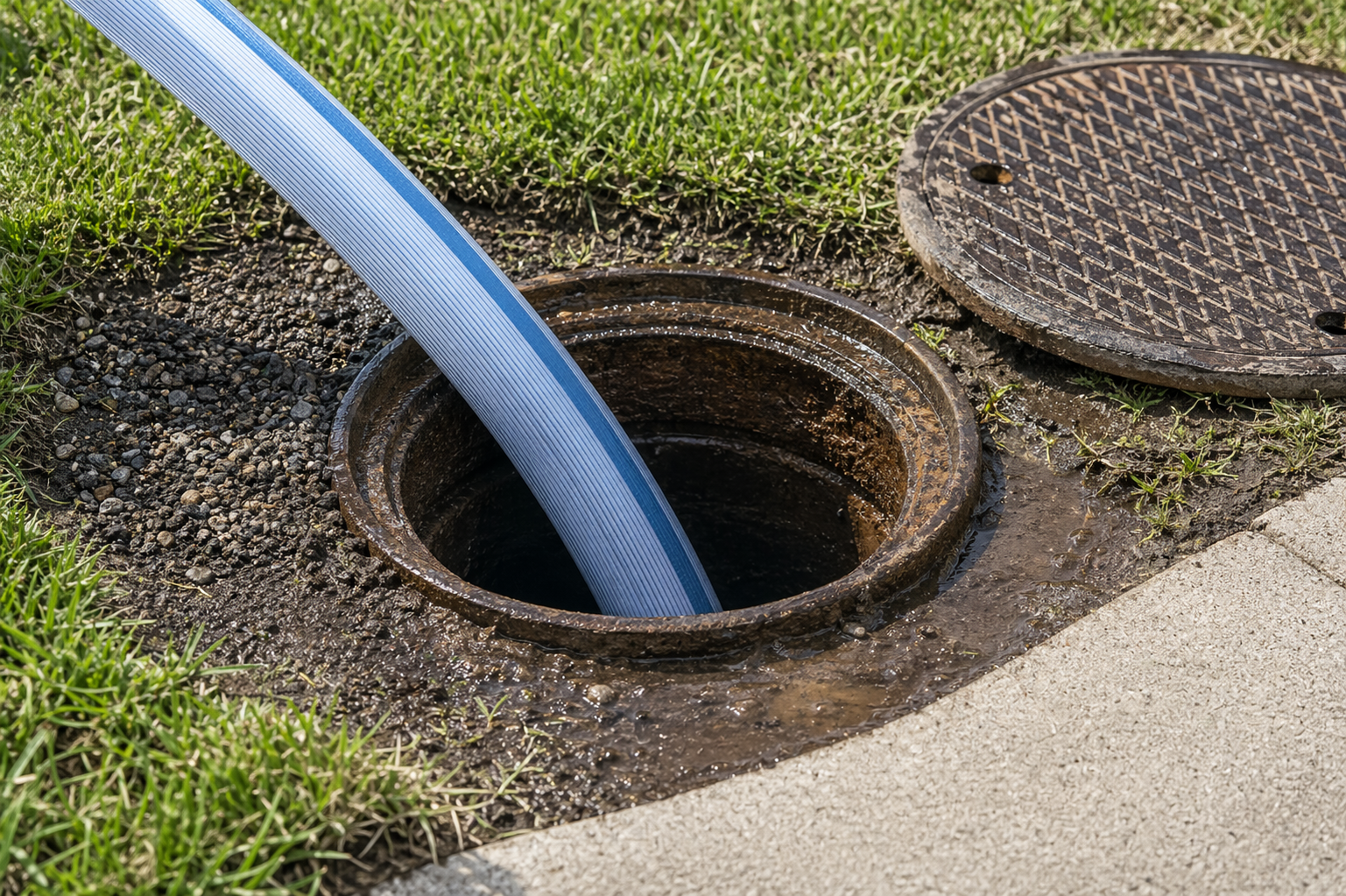
If the line needs clearing before the camera can map the damage across the full lateral, jetting equipment is on the truck. The line is opened and the camera documents every failure point in one visit - so the trench scope is set from complete footage, not partial information.

3,850 PSI jetting capability

Pre-trenching clearing at 3,850 PSI and 8 GPM ensures the camera reaches the full lateral and the damage map is complete before the trench path is laid out - preventing mid-project scope changes from damage that was not visible on the original camera run.

20+ years combined field experience

Two decades of trenching across Northern Utah properties - planning trench paths around utilities, managing spoil on residential lots, sequencing pipe replacement across full lateral runs, and restoring yards to finished condition after the longest and most disruptive type of sewer excavation.

Licensed and insured

Licensed for sewer, drain, and drainage system work - including the trenching, pipe replacement, connection work, backfill, and restoration that make up a full lateral replacement project.

How Sewer Trenching Works On Site

The project is planned from the camera footage, executed along the pipe path, and verified before the trench is closed. The trench opens in one direction, the pipe is replaced section by section, and the yard is restored behind the work as the project progresses.

  • Plan the trench path from camera footage - identify every damage point along the lateral, map the trench route across the property, call 811/Blue Stakes to mark public utilities, confirm private improvements with the property owner, and stage the spoil area. Open the surface along the planned path and excavate to the pipe depth following the lateral route.
  • Remove the damaged pipe section by section as the trench advances. Install new pipe in the open trench - bedded on compacted material, connected at each joint, and aligned to proper grade. On full lateral replacements, lay the entire new run from the building side to the connection. Camera the completed installation to verify every joint, connection, and the full alignment before any backfill begins.
  • Backfill the trench in compacted layers from the bottom up to prevent future settling. Regrade the surface to match the surrounding yard elevation. Install sod or the appropriate surface material. Leave the property with a verified new pipe, a stable backfill, and a restored yard surface that is graded, covered, and ready to settle and establish.

You finish the project with new pipe across the full trenched run, camera footage verifying every connection and the complete alignment, a compacted and stable trench, and a regraded yard with sod or surface restoration - the largest sewer excavation scope completed as one integrated project from first dig to finished yard.

Related Services Worth Reviewing

If the lateral damage may not require a full trench - the problem might be isolated to one section, sit under concrete, or be addressable with a trenchless method - these services cover the alternatives and the diagnostic step that determines which approach fits.

Evidence

Sewer Access Excavation page preview.Next Service RouteSewer Access ExcavationWhen the damage is isolated to one section and a targeted access pit can reach it - a smaller dig with less property impact than a full trench, appropriate when the camera shows a single failure point rather than damage across the run.Driveway Cut For Sewer Repair page preview.Next Service RouteDriveway Cut For Sewer RepairWhen part of the lateral runs beneath the driveway and the trench path must include a concrete cut - the driveway section is scoped separately within the larger trenching project because the surface removal and restoration differ from yard work.Trenchless Sewer Repair page preview.Next Service RouteTrenchless Sewer RepairWhen the pipe condition may support rehabilitation without a trench - lining or bursting through existing access points. The camera footage determines whether the pipe is a candidate for trenchless before committing to a full trenching project.

What Affects Price And Timing

Scope and timing

  • How long the trench runs - a 30-foot section replacement is a different project than a 100-foot full lateral replacement from the building to the public connection
  • How deep the pipe sits - Northern Utah residential laterals range from 3 to 8 feet deep, and deeper trenches require more excavation volume, more backfill, more compaction, and potentially trench safety measures for crew protection
  • Whether the trench crosses only open yard or also includes sections under concrete, landscaping features, fencing, or other site improvements that add removal and restoration scope
  • How long the utility locating takes - 811/Blue Stakes requires advance notice before the trench can be opened, and complex sites with multiple buried utilities may require additional planning before the dig begins
  • How many linear feet of trench need to be dug, how many sections of pipe need to be replaced, and how the soil conditions and depth affect the excavation speed
  • How long the backfill, compaction, regrading, and sod installation take after the pipe work is complete - and how weather conditions affect the timeline for surface restoration

Cost

  • Trench length and depth - the primary cost driver, priced by the volume of soil excavated, stored, and replaced in compacted layers
  • Pipe material and footage - the cost of new pipe, fittings, connections, and bedding material installed across the full trenched run
  • Surface restoration - sod, regrading, landscaping replacement, and any hardscape patching required to return the property to finished condition after the trench is closed

Support

Details That Help Before The Visit

Share these when you call

  1. Whether camera footage exists documenting the damage across the lateral - the footage determines the trench length, the number of sections that need replacement, and whether the project is a partial or full lateral replacement.
  2. What the yard looks like along the sewer path - open grass, landscaping, trees, fencing, garden beds, irrigation, or other features that the trench will cross and that need to be removed, protected, or restored.
  3. Whether the lateral path crosses any concrete, pavers, or hardscape between the building and the street - those sections affect the trenching method and the surface restoration scope.
  4. Whether the property is residential or commercial, how long the lateral approximately runs from the building to the connection, and whether you have received a trenching quote from another company that you would like evaluated.

Quick Answers About Sewer Trenching

These are the quick answers most people want before they call, book, or decide on the next step.

What is sewer trenching?

Sewer trenching is the excavation of a continuous, narrow trench along the sewer lateral path to expose multiple damaged sections or the full pipe run for replacement. The trench follows the pipe route across the property - typically from near the building foundation to the public sewer connection - allowing the crew to remove damaged pipe section by section and install new pipe across the full trenched run.

Who needs sewer trenching?

Property owners whose camera footage shows damage across multiple sections of the sewer lateral or uniform deterioration across the full run - enough that individual spot repairs would cost more in total than one continuous trench with sequential replacement. Full lateral replacements on older clay, cast iron, or Orangeburg pipe that has reached the end of its service life are the most common trenching projects.

How does sewer trenching work?

The trench path is mapped from camera footage and utility locating. The surface is opened along the pipe route and excavated to the pipe depth. Damaged pipe is removed and new pipe is installed section by section as the trench advances. The camera verifies every connection and the full alignment before the trench is closed. Backfill is compacted in layers, and the yard is regraded with sod or surface restoration.

What should I know before booking sewer trenching?

Know whether camera footage exists documenting the full extent of the damage across the lateral - that footage sets the trench length and the replacement scope. Know what surface features the trench will cross - landscaping, fencing, irrigation, trees, concrete. If another company has recommended trenching, ask to see the camera footage that supports the scope before committing - the footage should show damage across enough of the run to justify a trench over individual spot repairs.

Frequently Asked Questions About Sewer Trenching