
Negs
Very professional and arrived fast. Would recommend to everyone. If I could give them 10 stars I would!
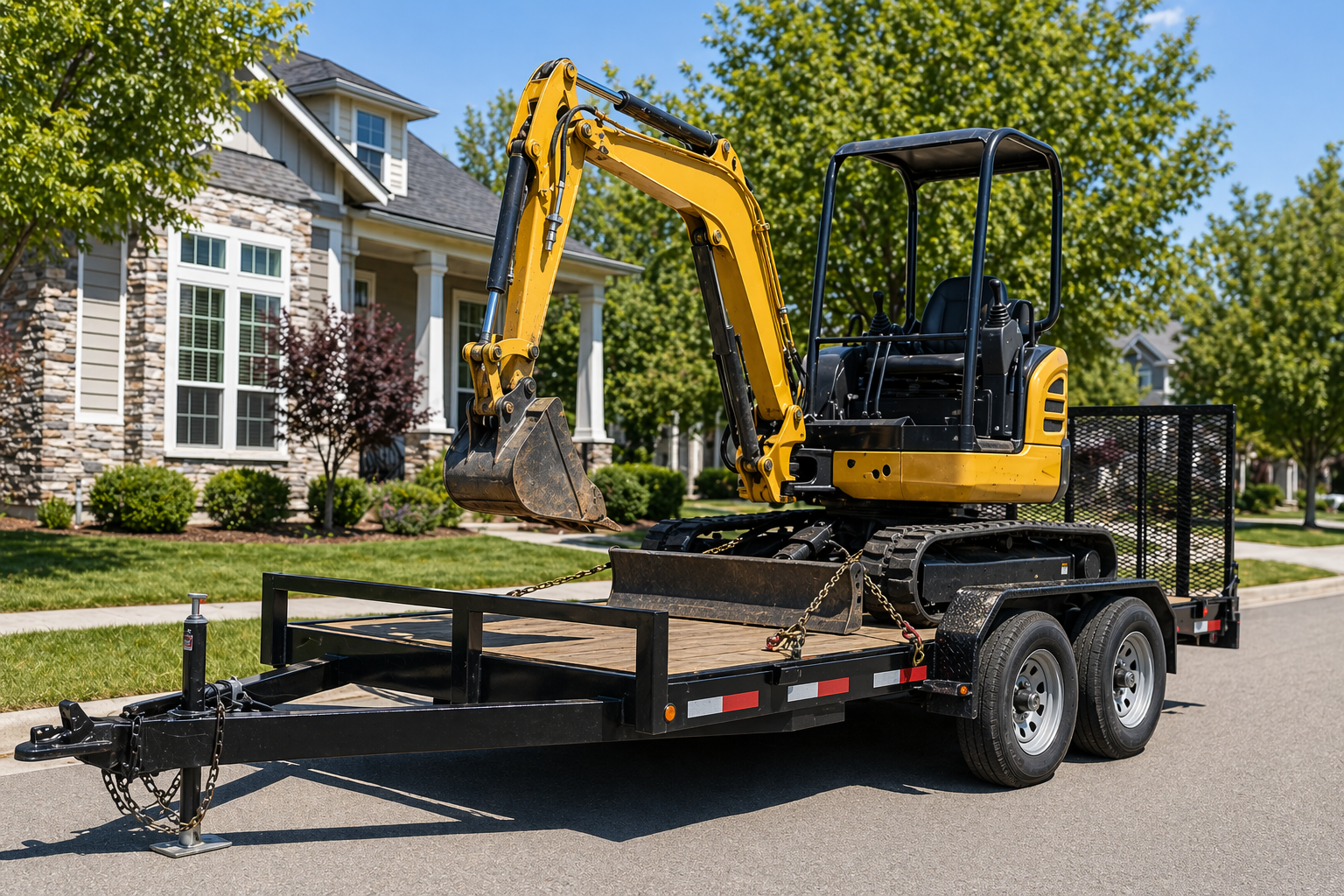
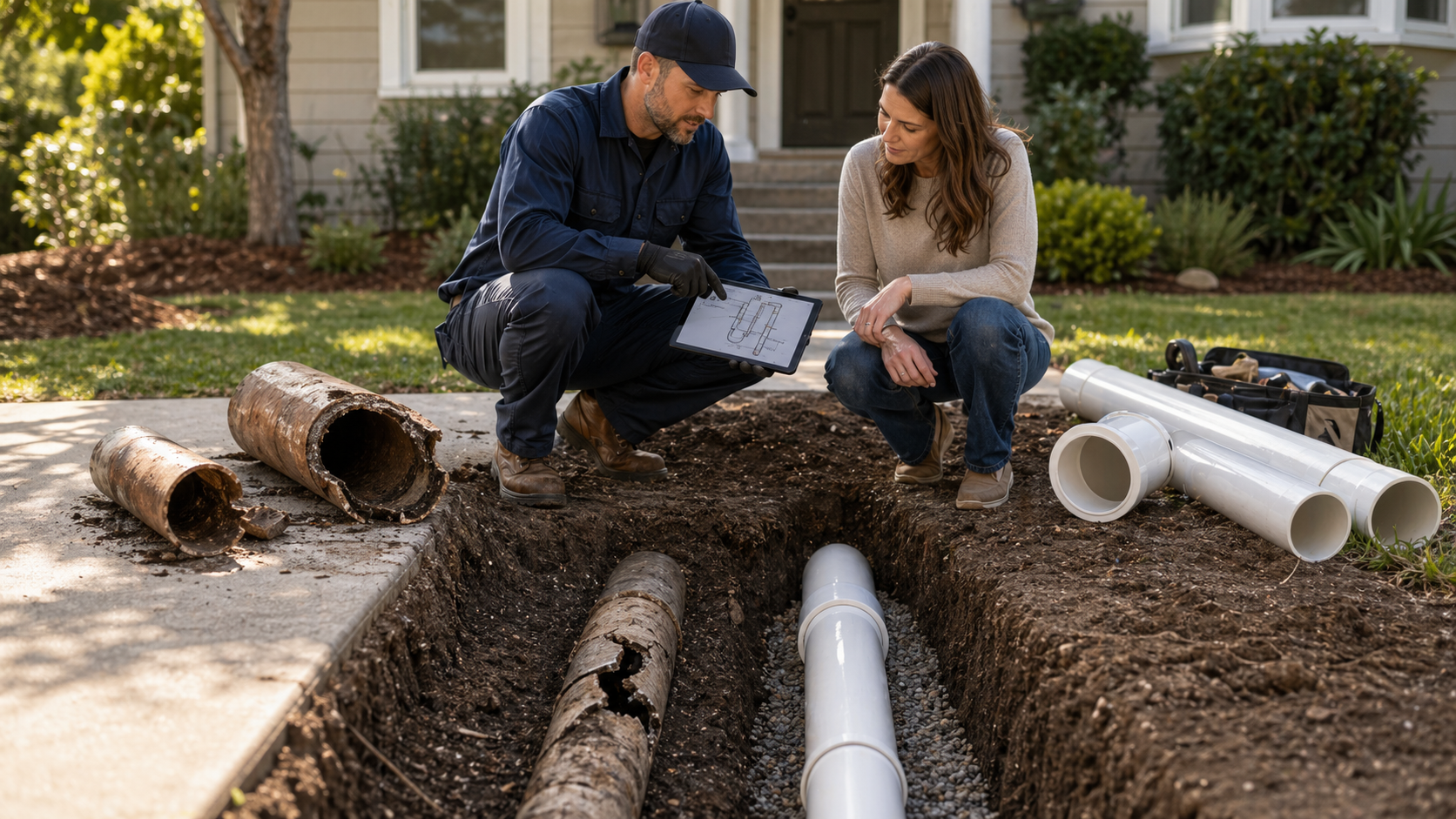
Yard excavation for sewer repair when the dig is happening in landscaped areas, lawn space, or soft ground around the property.
What you are seeing
The sewer line runs under the yard - under the lawn, through the garden, past the trees, across the irrigation lines you put in three years ago. Now the pipe needs to be dug up, and the first thing you are thinking about is not the sewer repair. It is the yard. How much gets torn up? What happens to the landscaping? Will the trees survive? How long until the grass comes back?
Those are the right questions. A yard excavation for sewer repair project disrupts the surface of the property you have invested in. Understanding what gets removed, what gets protected, and what the restoration looks like is how you go into the project with realistic expectations and come out with a yard that recovers.
When this service fits
Yard excavation for sewer repair fits when the sewer lateral runs through open yard, landscaped areas, or garden space - and the damaged pipe beneath it has to be physically reached, repaired, or replaced. The dig goes through soft ground, sod, and potentially through improvements the homeowner has built on top of the buried line.
The advantage of a yard excavation over a driveway cut or slab excavation is that soft ground is easier to dig through and easier to restore. The tradeoff is that the yard contains living things - grass, plants, trees, root systems - that need to be managed carefully during the dig and restored properly afterward.
What you walk away with
After the project, the damaged sewer section has been replaced with new pipe, the camera has verified every connection, and the trench has been backfilled and compacted. The yard surface has been regraded to match the surrounding elevation, and sod or seed has been laid to restore the lawn.
The yard will not look finished the day the crew leaves. New sod needs time to root. Seed needs time to germinate. The backfill will settle slightly over the first few weeks and may need a touch-up grading. But the pipe is new, the repair is verified, and the yard is on its way back - not left as a dirt strip with no restoration plan.
Problem
Most residential sewer laterals in Northern Utah run through the yard. The pipe leaves the building foundation, crosses the lawn or landscaped area, and connects to the public sewer main at the street or the property line. When that pipe fails - collapse, cracking, root intrusion through joints, joint separation, or material deterioration - the repair path goes through the same yard the homeowner has been maintaining, landscaping, and improving for years. The sewer repair is underground. The disruption is at the surface.
The yard-specific concerns that homeowners bring to this project are different from a driveway cut or a slab excavation. Driveways are concrete - they get cut and repoured. Yards are living systems. The sod is removed and replaced or reseeded. Garden beds and planting areas along the dig path are cleared and replanted. Irrigation lines that cross the trench are identified before the dig and repaired or rerouted after. Trees near the sewer path present the most sensitive consideration - root zones that extend into the dig area need to be evaluated before excavation, because cutting major roots during the dig can damage or kill a tree that took decades to grow. The yard excavation for sewer repair scope accounts for all of these concerns: what the dig crosses, what gets protected, what gets temporarily removed, and what the restoration includes when the pipe work is done.
Yard excavation is the most recoverable type of sewer dig - soft ground is easier to open, easier to backfill, and easier to restore than concrete or hardscape. The yard comes back. The question is how well it is managed during the dig and how completely the restoration is scoped into the project.
Solution
The dig path follows the sewer lateral through the yard. Before the trench is opened, the crew walks the path and identifies every yard feature in the excavation zone: sod that needs to be cut and set aside for reinstallation, garden beds or planting areas that need to be cleared, irrigation lines that cross the dig path and will need to be disconnected and reconnected, fencing or landscape features that need to be temporarily removed, and trees whose root zones may extend into the trench area. Each of these is addressed before the first shovel goes in - not discovered during the dig.
The sod is cut in sections and rolled or stacked at the edge of the work area for reinstallation after backfill. The trench is excavated through the soft ground to the pipe depth - typically 3 to 6 feet on most Northern Utah residential properties where the lateral crosses the yard. Spoil - the excavated dirt - is staged alongside the trench or in a designated area on the property, kept separate from the sod and any topsoil that will go back on top during restoration. The pipe is exposed, the damaged section is repaired or replaced, and the camera verifies the completed work before the trench is closed.
Backfill goes in compacted layers to minimize settling. The surface is regraded to match the surrounding yard elevation - not mounded over the trench and not sunken below the adjacent lawn. Sod is reinstalled over the graded surface, or the area is seeded if sod is not practical for the site. Irrigation lines that were disconnected are reconnected and tested. Removed fencing or landscape features are reinstalled. The yard enters the recovery phase: sod roots over 2 to 4 weeks, seed germinates over 3 to 6 weeks depending on season, and the backfill settles over the first month. A slight depression along the trench path during settling is normal - it can be top-dressed with soil once the ground has stabilized.
Fit and situation bullets
Problem bullets
Customer Feedback
See what customers say after a yard excavation sewer repair — from how the landscaping was handled before, during, and after the dig to the honest update on yard restoration and final property condition.
Leave a Review!These guys are great! I run a plumbing company but don’t do drains. I often sub contract them to service my customers sewer lines. They don’t only make me happy, but they keep my customers happy and that’s what matters to me most. Thanks guys!
Amazing experience! They are knowledgeable, kind, courteous and very thorough. Our clogged kitchen pipe was a bit of a challenge but they kept going and did everything they could to get it unclogged and they did it! They were very upfront with what caused the clog, gave us video recording of our pipes so we can see exactly what was done, double checked to make sure the pipes were clean and free of clogs and gave us steps on how to maintain the pipes moving forward. Highly recommend!!
This company is Awesome!!! Highly recommend that you call them for your drain cleaning and power washing needs! A++ in service, cost, and quality of work. Alex and Jacob completed drain work, patio cleaning, and filled in cracks in cement. The patio looks brand new! Thank you Alex and Jacob!!!
Alex was very good to work with. They were professional and punctual, working around my schedule. They were able to show me exactly before and after, even showing footage inside my pipes, which I have never seen before. I would recommend them.
Awesome experience! AJ was super professional and got us back in service. They offered us a few solutions and cleared our clogged sewer line for an excellent price
Very professional and arrived fast. Would recommend to everyone. If I could give them 10 stars I would!
Very pleased by my wonderful experience with this company and their service. They were very efficient and fast with their time. I appreciate their professionalism and commitment to the work they did for me!
Why Mountain West
Camera rated to 200 feet
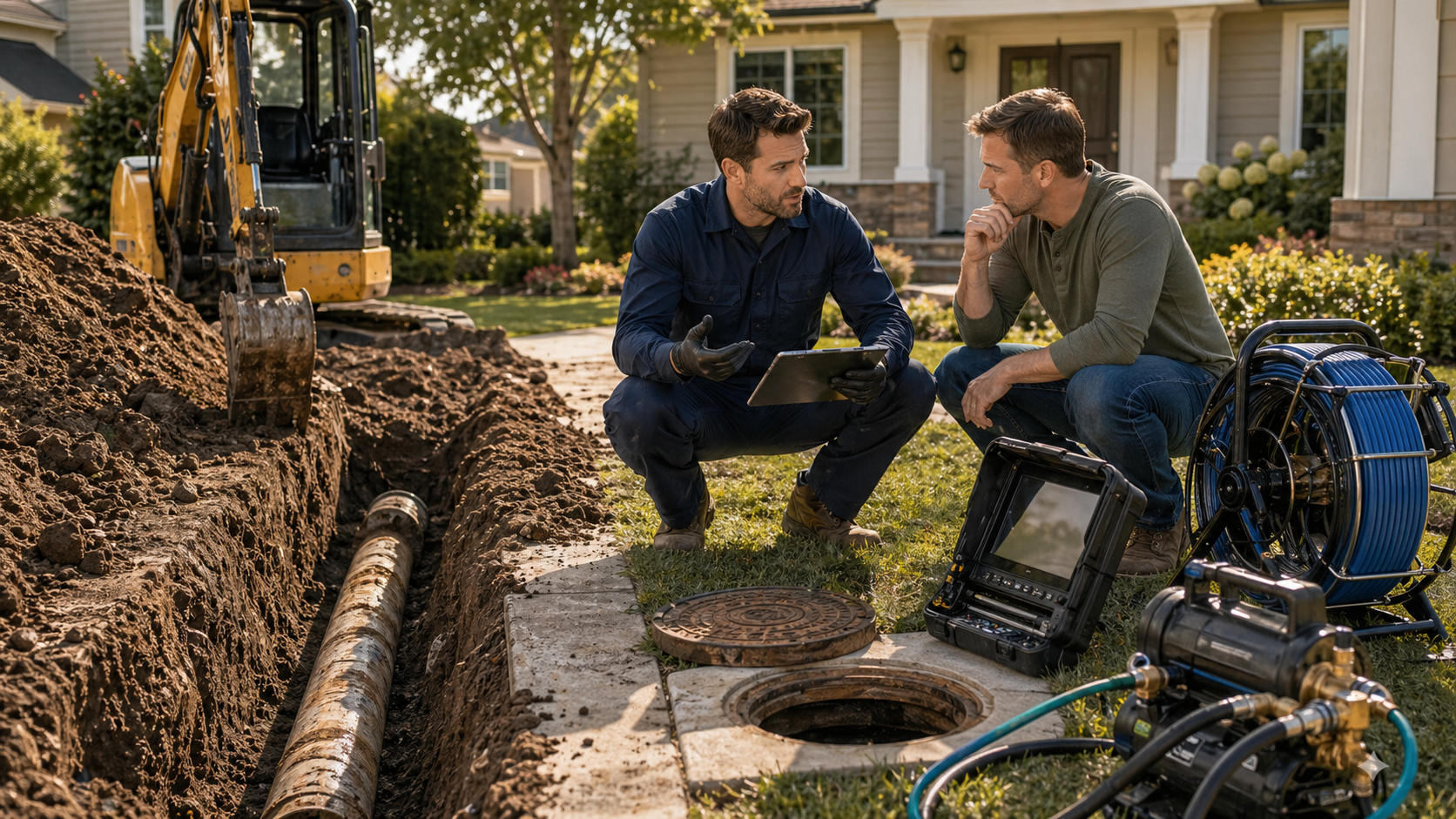
Confirms the exact damage location beneath the yard before the dig starts - up to 200 feet of pipe with live footage review - so the trench is targeted to the pipe and the yard disruption is limited to the area directly above the damaged section.
Jetting and camera on every call
If the line needs clearing before the camera can map the damage under the yard, jetting equipment is on the truck. The line is opened and the camera pinpoints the dig target in the same visit - no separate trip before the excavation can be planned.
3,850 PSI jetting capability
Pre-excavation clearing at 3,850 PSI and 8 GPM ensures the camera reaches the full damage area so the trench path through the yard is planned from complete footage - preventing mid-project scope changes that would extend the dig through additional landscaping.
20+ years combined field experience
Two decades of yard excavation across Northern Utah - managing sod removal, irrigation disconnection, tree root protection, spoil staging on residential lots, and yard restoration that returns the property to a finished condition after the dig.
Licensed and insured
Licensed for sewer, drain, and drainage system work - including the excavation, pipe replacement, backfill, and the sewer-scope work from camera confirmation through completed restoration.
The project moves through three phases: prepare the yard and open the trench, repair the pipe, then close the trench and restore the surface. Each phase is planned before the dig begins.
You finish the project with new pipe replacing the damaged section, camera footage verifying the repair, and a yard that has been regraded, sodded, and restored - with irrigation reconnected, fencing reinstalled, and a clear timeline for the recovery period ahead.
If the sewer damage beneath the yard may not require excavation - the pipe condition might support trenchless repair, the damage might be isolated enough for a smaller dig, or the lateral path might cross a driveway section that needs a different approach - these services cover those alternatives and adjacent scopes.
Evidence
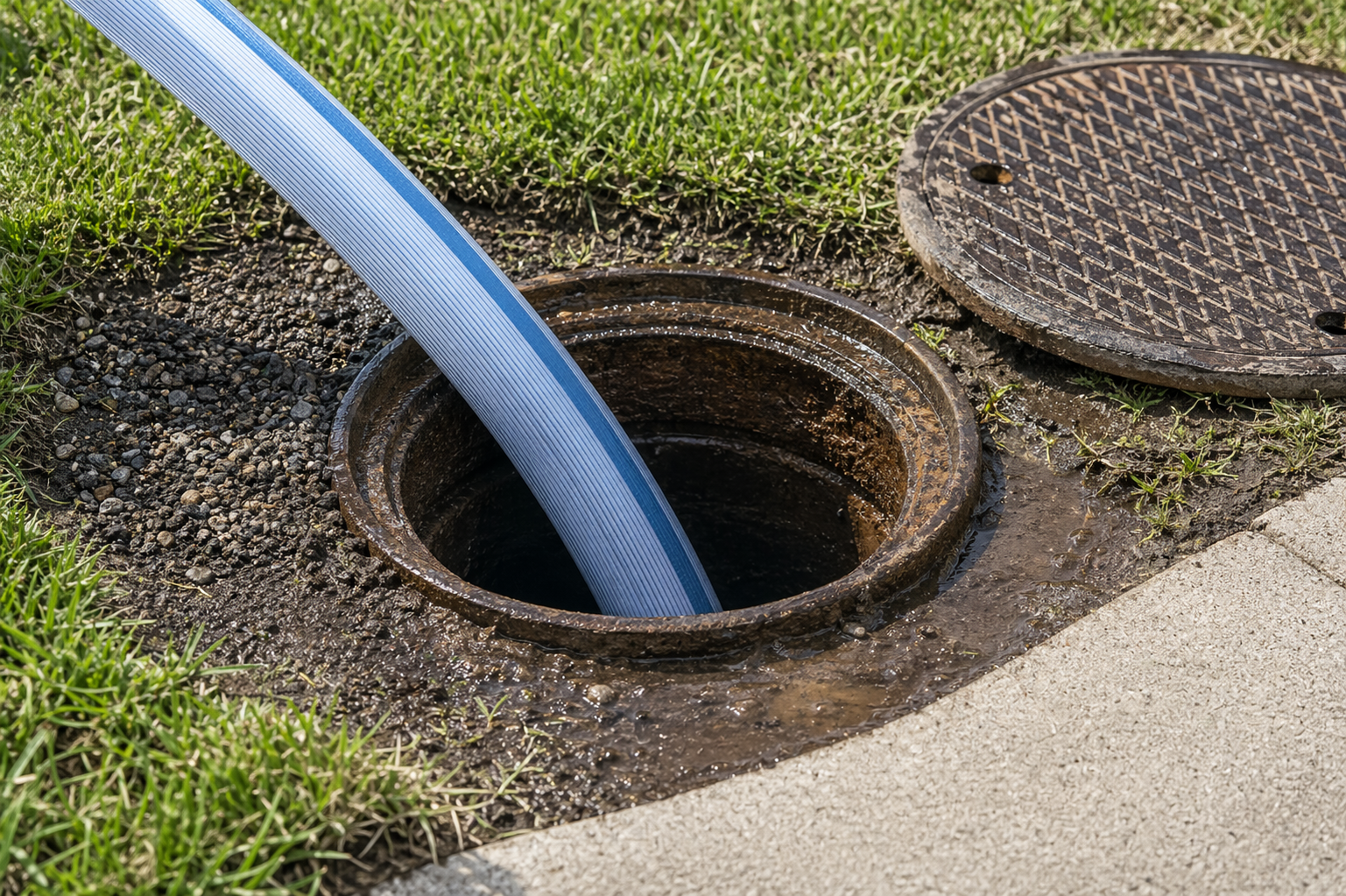 Next Service RouteTrenchless Sewer RepairWhen the pipe condition supports rehabilitation without a yard dig - lining or bursting through existing access points avoids the trench and the landscaping disruption entirely. The camera footage determines whether the pipe qualifies.
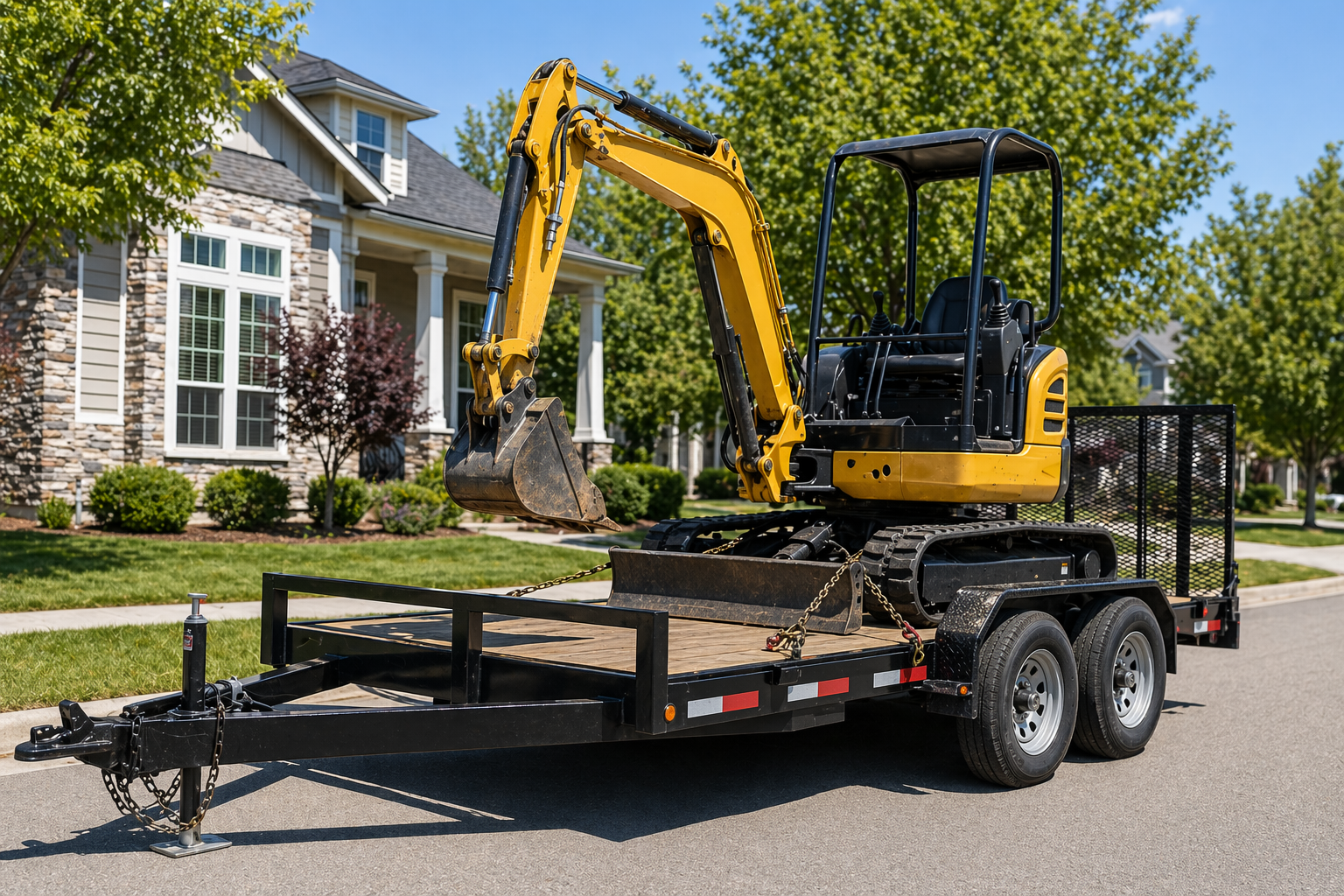 Next Service RouteSewer Access ExcavationWhen the damage is isolated to one section and a targeted pit in the yard can reach it - a smaller dig with less yard impact than a full trench, appropriate when the camera shows a single failure point rather than damage across the run.
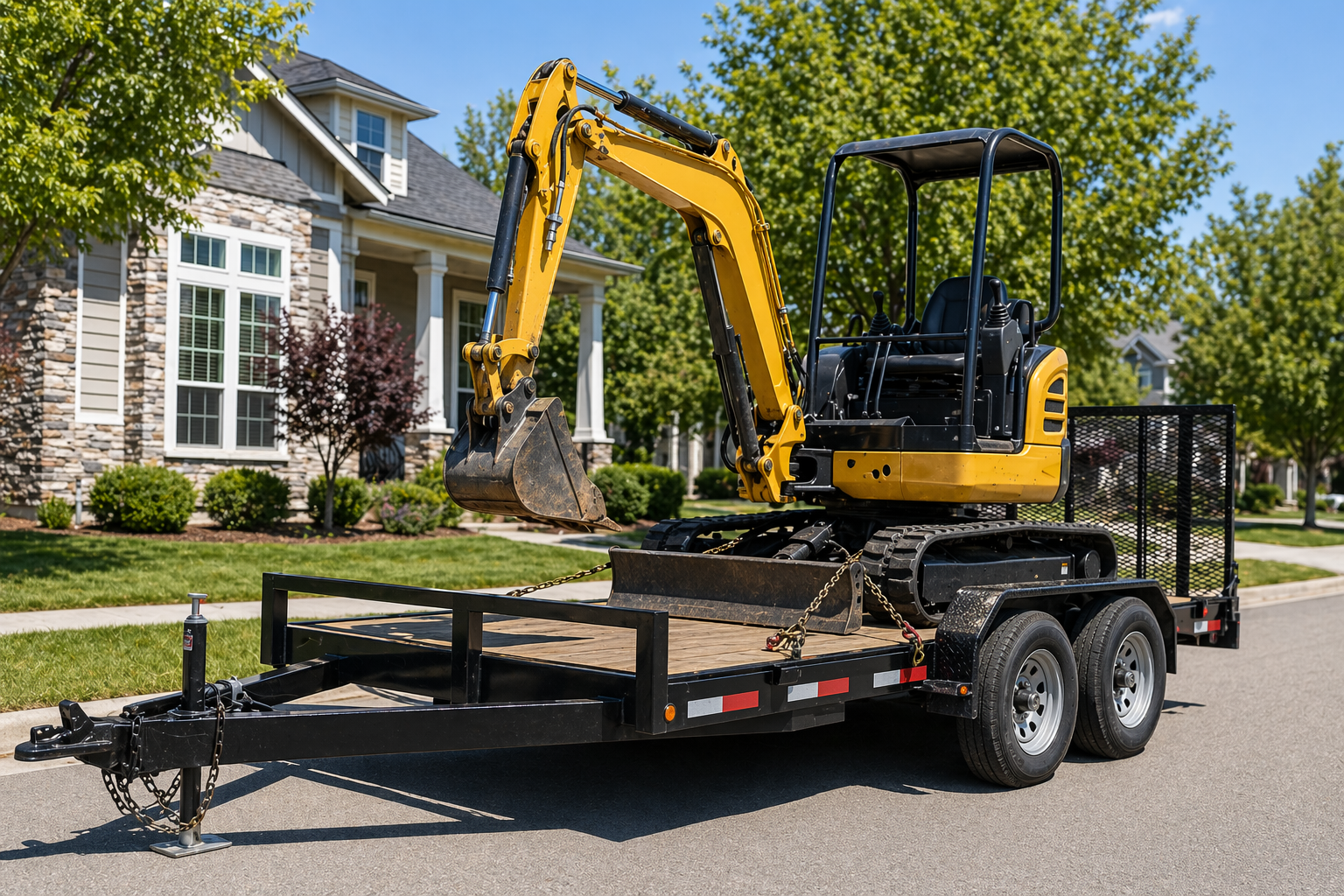 Next Service RouteDriveway Cut For Sewer RepairWhen part of the lateral path leaves the yard and runs beneath the driveway - the concrete section requires a different excavation approach and different restoration than the yard portion, and the two scopes may need to be combined in the same project.
Scope and timing
Cost
Support
These are the quick answers most people want before they call, book, or decide on the next step.
Yard excavation for sewer repair involves opening a trench through lawn, landscaped areas, or soft ground to reach a buried sewer lateral for repair or replacement. The project includes sod removal, irrigation disconnection if lines cross the dig zone, excavation to the pipe depth, the sewer repair, camera verification, backfill, compaction, regrading, and surface restoration - including sod reinstallation, irrigation reconnection, and landscape feature replacement.
Property owners whose sewer lateral runs through the yard and has confirmed damage that requires direct physical access for repair or replacement. The most common candidates are homes where the lateral crosses lawn, garden beds, or landscaped areas and the pipe cannot be repaired through a cleanout or trenchless method - requiring a trench through the yard to reach and replace the failed section.
The dig path is planned from camera footage. Yard features in the trench zone - sod, irrigation, fencing, plantings - are identified and managed before the dig starts. The trench is excavated through soft ground to the pipe depth. The damaged pipe is replaced and verified on camera. The trench is backfilled in compacted layers, the surface is regraded, sod is reinstalled, and irrigation is reconnected. The yard enters a recovery and grow-in period.
Know whether camera footage exists showing the damage beneath the yard. Know what yard features sit over or near the sewer path - irrigation, trees, garden beds, fencing. Identify any private buried improvements in the dig zone that 811/Blue Stakes would not locate. If the yard has visible surface signs of the failure - sinking, wet spots, green patches over the pipe route - note those locations for the crew.
Related Reading
These follow-up reads stay close to this service and answer the pricing, warning-sign, process, and comparison questions that usually come next.
Compare Options
Explains when trenchless methods can avoid the yard dig entirely - useful for evaluating whether the excavation you were quoted is necessary or whether the pipe supports a less disruptive alternative.
Service Explainer
Covers the damage conditions that make excavation unavoidable and explains what the camera footage should show to support a yard dig recommendation.
Service Explainer
Addresses when open excavation through the yard produces a better long-term result than trenchless - relevant when full lateral replacement is recommended and the trench is the path to permanent new pipe.