Negs
Very professional and arrived fast. Would recommend to everyone. If I could give them 10 stars I would!
Sewer cleanout repair for broken, buried, or missing cleanout access points. The cleanout is how every camera, jetting nozzle, and cable reaches your sewer line - when it fails, the line cannot be properly serviced.
What you are seeing
The cleanout cap is cracked or missing. The riser pipe is broken at ground level. The fitting is buried under dirt, landscaping, or concrete and nobody can find it. Or a service crew showed up to clear your sewer line and told you they could not access it because the cleanout is damaged or does not exist.
Without a working cleanout, no one can properly camera, jet, snake, or service the main sewer line. Every future service call starts with the same problem - no way in.
When this repair applies
This applies when the sewer line itself may be fine but the cleanout - the access fitting that connects service equipment to the line - is broken, buried, corroded, or missing entirely. It also applies when a cleanout exists but the cap is seized, the riser has separated from the tee below grade, or the fitting has been paved or landscaped over.
Sewer cleanout repair restores the access point that every future sewer service depends on.
What you walk away with
You walk away with a functional cleanout - proper fitting, riser at grade, removable cap - and access to the sewer line restored. Once the cleanout is repaired, the camera can run the line and confirm whether the pipe behind it is in good condition or needs its own attention.
Problem
Most property owners never think about the cleanout until a service crew needs it and it is not there - or it is there but broken, buried, or unusable. That is when a routine service call turns into a project.
The sewer cleanout is a capped access fitting connected to the main sewer line, usually located in the yard between the building and the street. It exists for one reason: to give service equipment a direct entry point into the sewer pipe. Cameras, jetting nozzles, and snake cables all enter the line through the cleanout. Without it, the only access options are pulling a toilet, finding a roof vent stack, or excavating - each of which adds cost, time, and complexity to what should be a straightforward service visit. Cleanouts fail in predictable ways. PVC risers crack from mower strikes, vehicle traffic, or freeze-thaw cycling. Cast iron and ABS fittings corrode over time, especially at the threaded cap connection. Landscaping and concrete work bury cleanouts under inches of soil or hardscape, making them invisible and inaccessible. On older properties, cleanouts sometimes do not exist at all - the line was installed before code required exterior access. A broken or missing cleanout does not just complicate one service call. It complicates every service call going forward. It means the line cannot be properly inspected, cannot be jetted at full access, and cannot be maintained on a regular schedule. Repairing or installing the cleanout is a one-time fix that pays for itself every time the sewer line needs service after that.
Solution
Sewer cleanout repair starts by locating the existing cleanout - or, if one does not exist, identifying the best location on the sewer line to install one. If the cleanout is buried, that means locating it with electronic line-tracing equipment and excavating down to the fitting. If the cleanout is damaged at grade level, the repair may be as simple as replacing the riser and cap. If the fitting below grade has failed, the repair involves excavating to the tee, replacing the damaged components, and rebuilding the assembly to grade.
Once the cleanout is repaired or installed, the sewer line is accessible. That is when the real assessment begins. The camera enters through the new or restored access point and runs the full line to confirm the pipe condition behind it. In many cases, the cleanout was the only barrier to proper service - the line itself is in good shape. In other cases, the camera reveals the reason the cleanout failed in the first place: root pressure from a nearby tree, soil shifting that stressed the fitting, or a pipe condition that had been invisible because no one could get a camera in.
Every sewer cleanout repair visit leaves the property with a functional, accessible, clearly marked cleanout at grade - built to handle service equipment access for years of future maintenance.
Fit and situation bullets
Problem bullets
Customer Feedback
See what customers say after a sewer cleanout repair — from restoring access to the cleanout to the clear explanation of what was wrong with the existing access point and what the repair involved.
Leave a Review!These guys are great! I run a plumbing company but don’t do drains. I often sub contract them to service my customers sewer lines. They don’t only make me happy, but they keep my customers happy and that’s what matters to me most. Thanks guys!
Amazing experience! They are knowledgeable, kind, courteous and very thorough. Our clogged kitchen pipe was a bit of a challenge but they kept going and did everything they could to get it unclogged and they did it! They were very upfront with what caused the clog, gave us video recording of our pipes so we can see exactly what was done, double checked to make sure the pipes were clean and free of clogs and gave us steps on how to maintain the pipes moving forward. Highly recommend!!
This company is Awesome!!! Highly recommend that you call them for your drain cleaning and power washing needs! A++ in service, cost, and quality of work. Alex and Jacob completed drain work, patio cleaning, and filled in cracks in cement. The patio looks brand new! Thank you Alex and Jacob!!!
Alex was very good to work with. They were professional and punctual, working around my schedule. They were able to show me exactly before and after, even showing footage inside my pipes, which I have never seen before. I would recommend them.
Awesome experience! AJ was super professional and got us back in service. They offered us a few solutions and cleared our clogged sewer line for an excellent price
Very professional and arrived fast. Would recommend to everyone. If I could give them 10 stars I would!
Very pleased by my wonderful experience with this company and their service. They were very efficient and fast with their time. I appreciate their professionalism and commitment to the work they did for me!
Why Mountain West
Camera rated to 200 feet
Once the cleanout is repaired, the camera enters through the restored access point and runs the full sewer line - confirming that the pipe behind the cleanout is in good condition or identifying issues that were previously invisible because no one could get a camera in.
Jetting and camera on every call
Hydro jetting equipment deploys on every service call. After a cleanout repair, the line can be cleared and inspected in the same visit - no need to schedule a separate trip now that the access point is working.
3,850 PSI jetting capability
Clears lines 2 to 12 inches in diameter at 3,850 PSI and 8 GPM with 300 feet of reach. A restored cleanout gives the jetting nozzle direct entry to the main line at full pressure and full reach.
20+ years combined field experience
Two decades of locating buried cleanouts, rebuilding failed fittings, and installing new access points on properties that never had one - including the experience to identify when a cleanout failure is a symptom of a bigger line problem underneath.
Licensed and insured
Licensed for sewer, drain, and drainage system work including the excavation required to expose buried cleanouts and the pipe work to rebuild or install the fitting assembly.
A cleanout repair is a focused, access-restoration job. Here is what happens from arrival to a working access point.
You leave the visit with a functional, grade-level cleanout, full camera footage of the sewer line accessed through it, and a clear understanding of whether the line needs any additional work - or whether the cleanout was the only problem.
A cleanout repair restores access. What happens next depends on what the camera finds once it can enter the line. These are the services that most commonly follow a cleanout repair when the sewer line itself needs attention.
Evidence
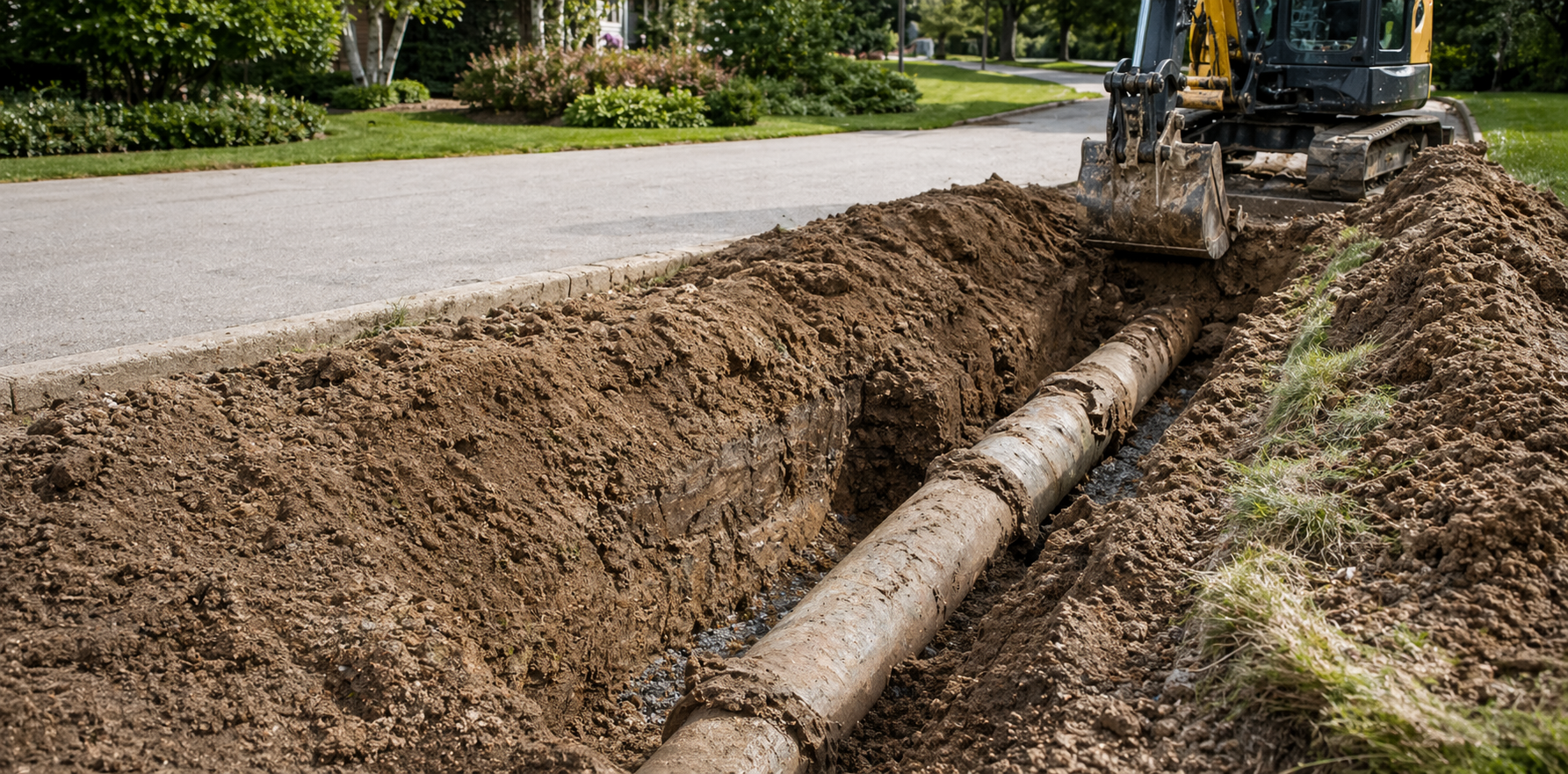
 Next Service RouteSewer Camera InspectionIf the cleanout repair was prompted by an inability to inspect the line, sewer camera inspection is the natural next step - the camera runs the full sewer line through the restored access point to document what has been hidden.
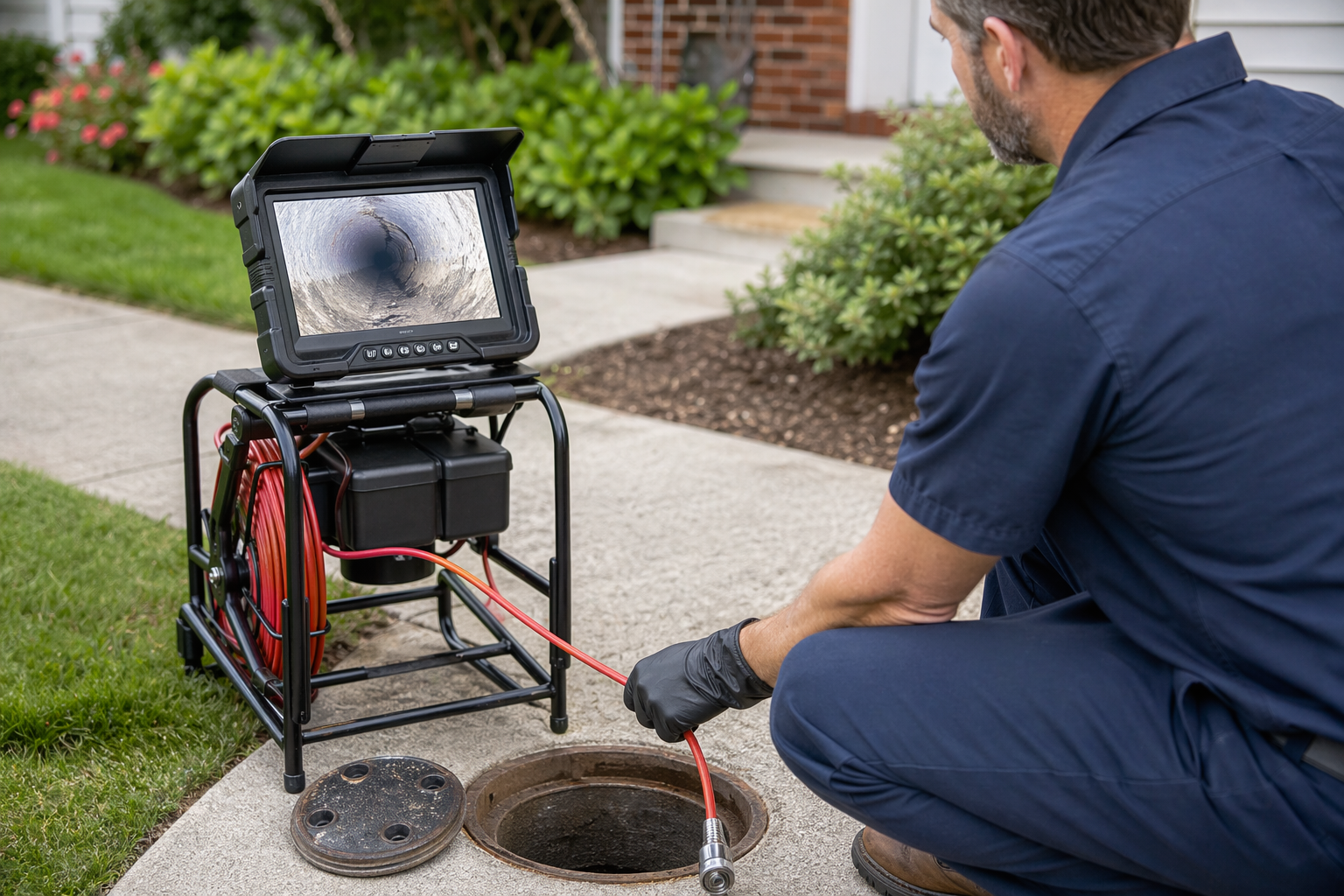
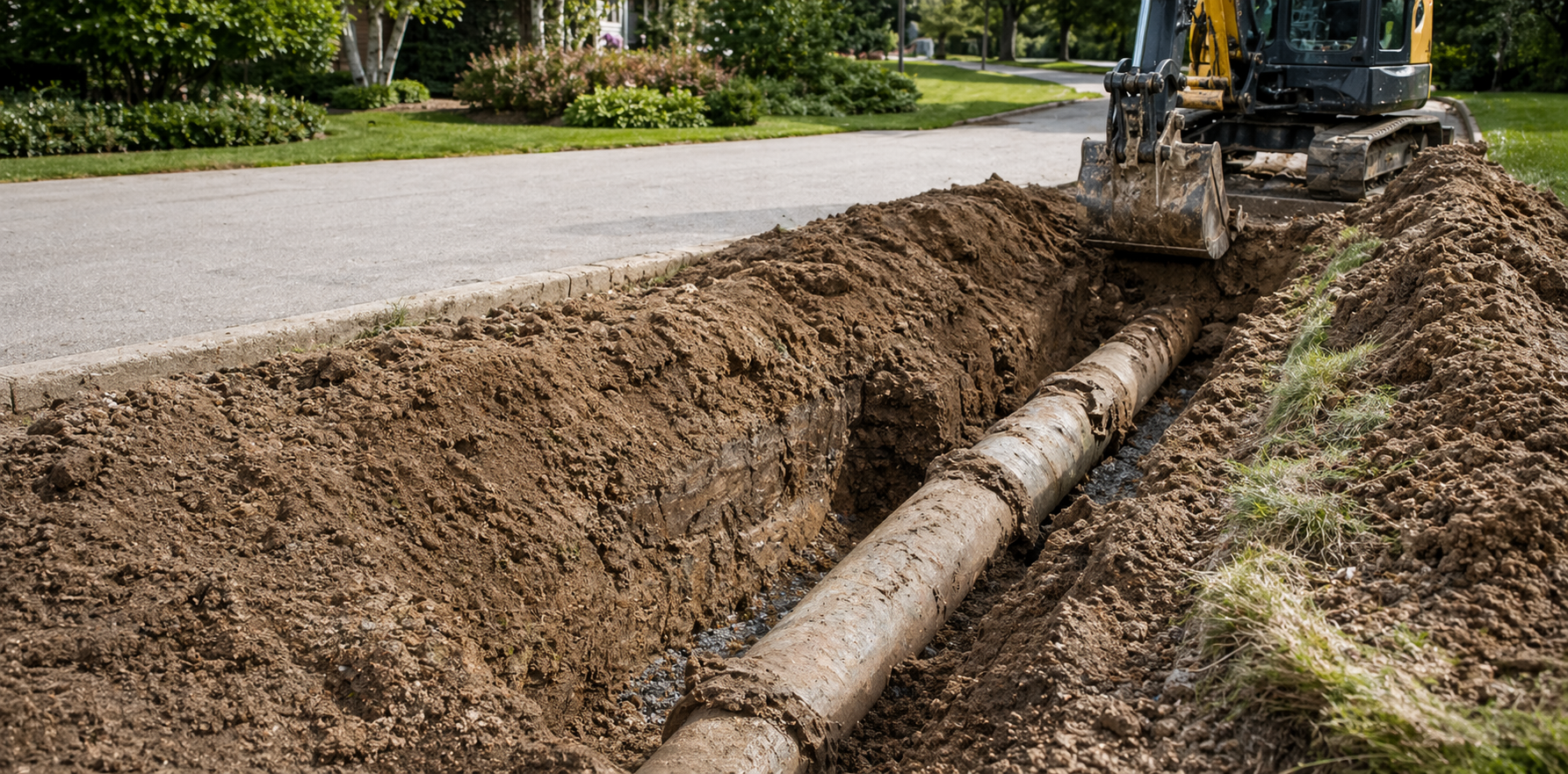 Next Service RouteBroken Sewer Pipe RepairIf the camera reveals a crack, separation, or collapse in the sewer pipe behind the cleanout, broken sewer pipe repair addresses the structural failure that the cleanout repair made visible.
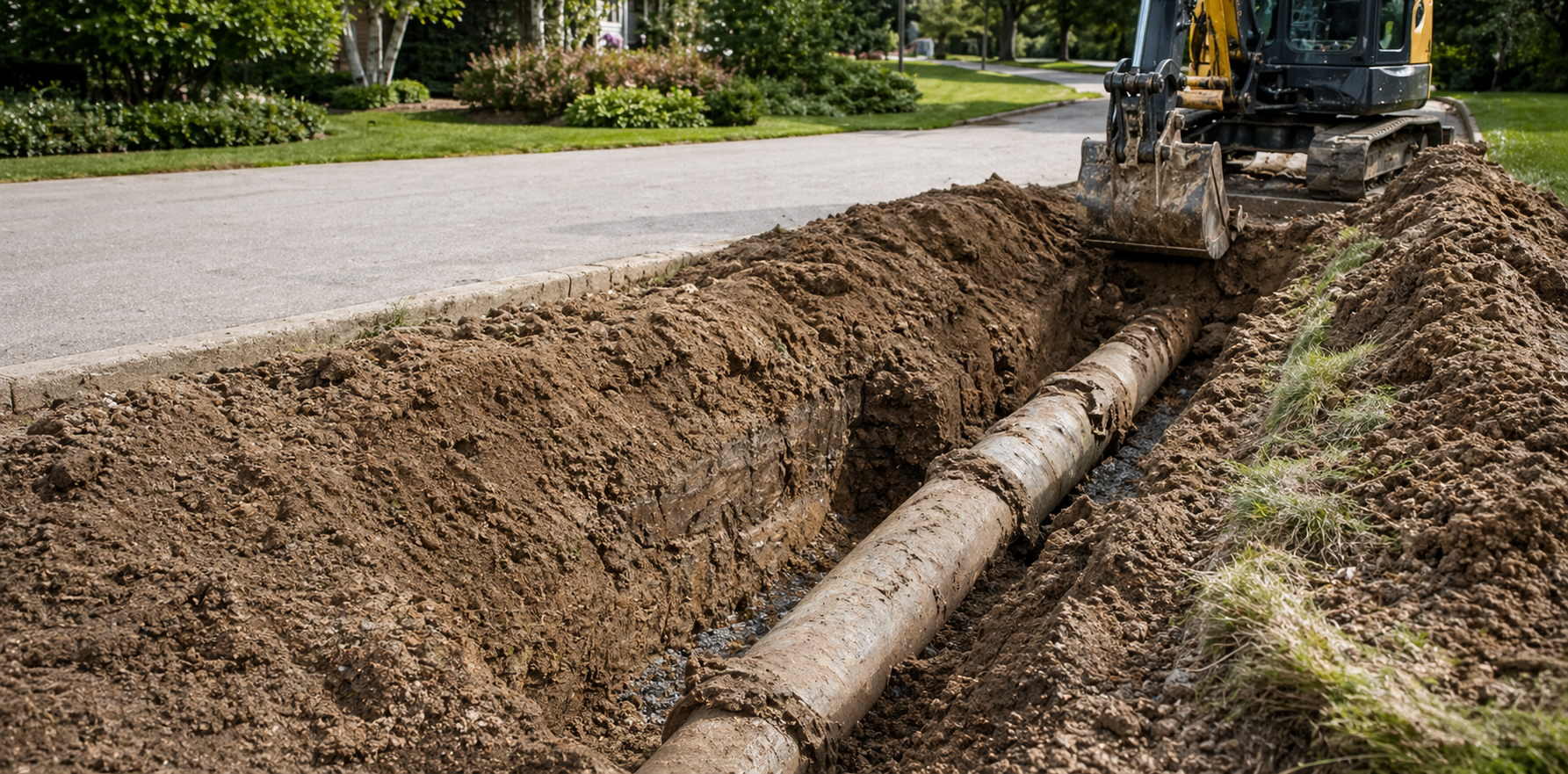 Next Service RouteSewer Line RepairMain line sewer repair applies when the camera shows damage along the primary sewer run - the pipe the cleanout connects to - and the line needs structural repair beyond the access point itself.
Scope and timing
Cost
Support
These are the quick answers most people want before they call, book, or decide on the next step.
A sewer cleanout is a capped access fitting connected to the main sewer line, usually located in the yard between the building and the street. It allows cameras, jetting equipment, and cables to enter the sewer line for inspection, cleaning, and repair. Sewer cleanout repair is needed when the cap, riser, or tee fitting is broken, corroded, buried, or missing - preventing service equipment from accessing the line.
Common signs include a cracked or missing cap at the surface, a broken riser pipe at ground level, sewage leaking from the fitting area, or a service crew telling you they cannot access the line because the cleanout is damaged or cannot be located. If your property has never had a cleanout located or used, it may be buried or may not exist.
The technician locates the existing cleanout - visually or with electronic line-tracing equipment if buried - excavates to expose the fitting, and repairs or replaces the damaged components including the cap, riser, and tee connection as needed. The cleanout is rebuilt to grade with a removable cap. Once access is restored, a camera runs the full sewer line to confirm the pipe condition behind the access point.
Cost depends on whether the cleanout needs a simple cap-and-riser replacement, a full assembly rebuild, or a new installation on a line that has never had one. Excavation depth, surface restoration, and whether the sewer line behind the cleanout also needs service in the same visit all affect the final price. Mountain West provides a scope and estimate based on what the cleanout needs once it is located and assessed.
Related Reading
These follow-up reads stay close to this service and answer the pricing, warning-sign, process, and comparison questions that usually come next.
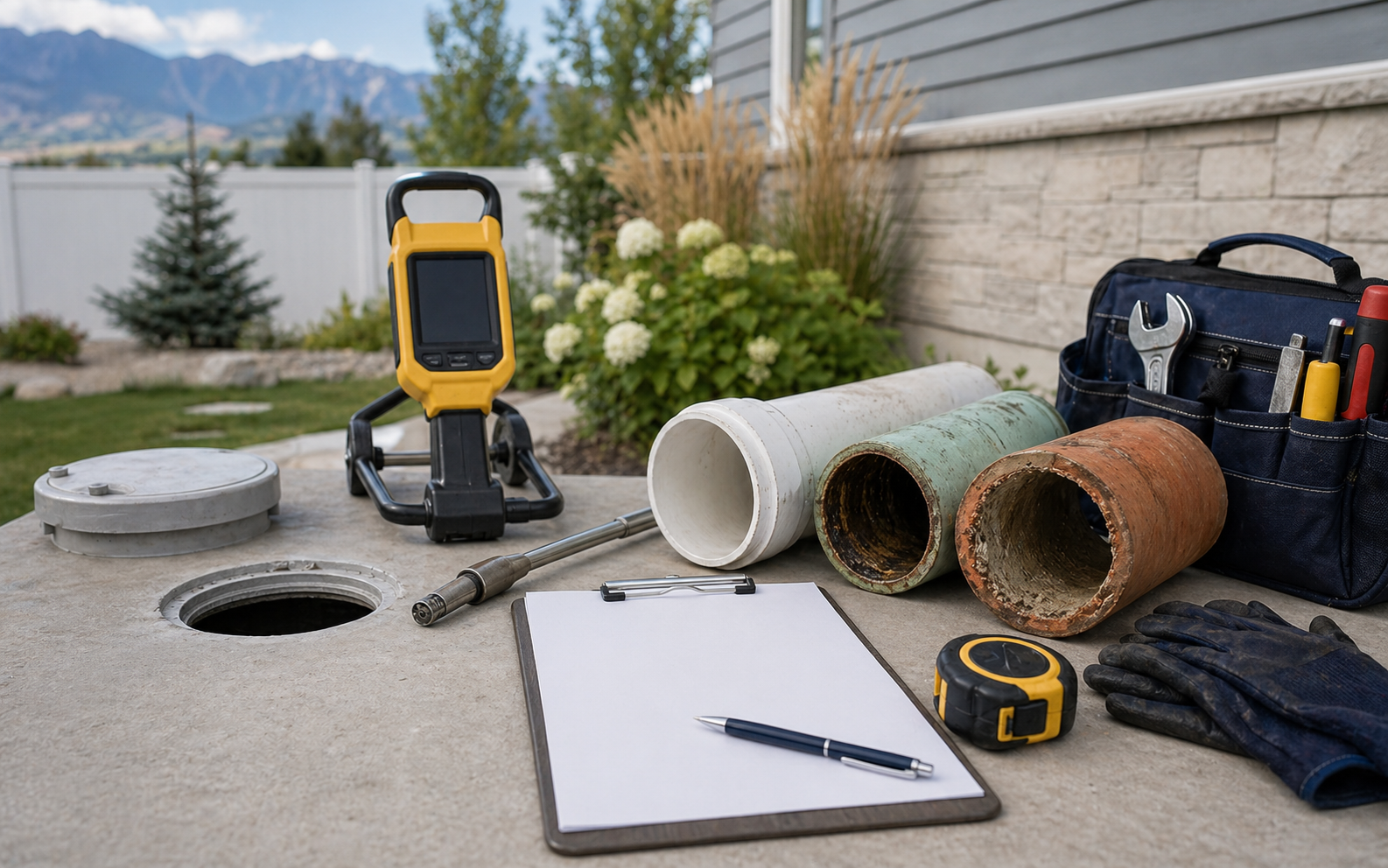
Cost Question
Covers the cost variables on sewer repair work - including access-related repairs like cleanout replacement and how access conditions affect the overall price.
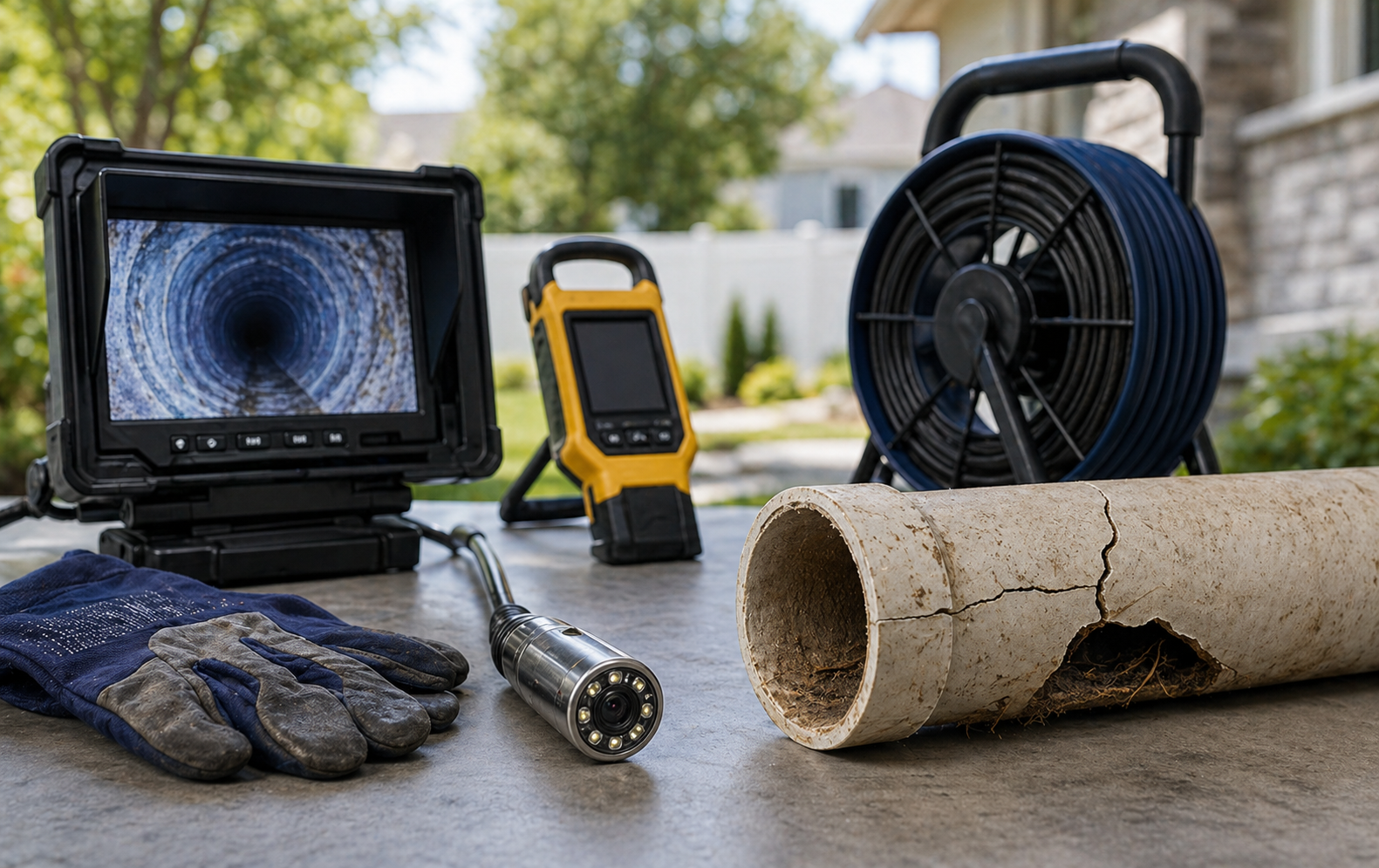
Warning Signs
How to tell whether the signs you are seeing point to a pipe failure behind the cleanout or an access problem at the cleanout itself.
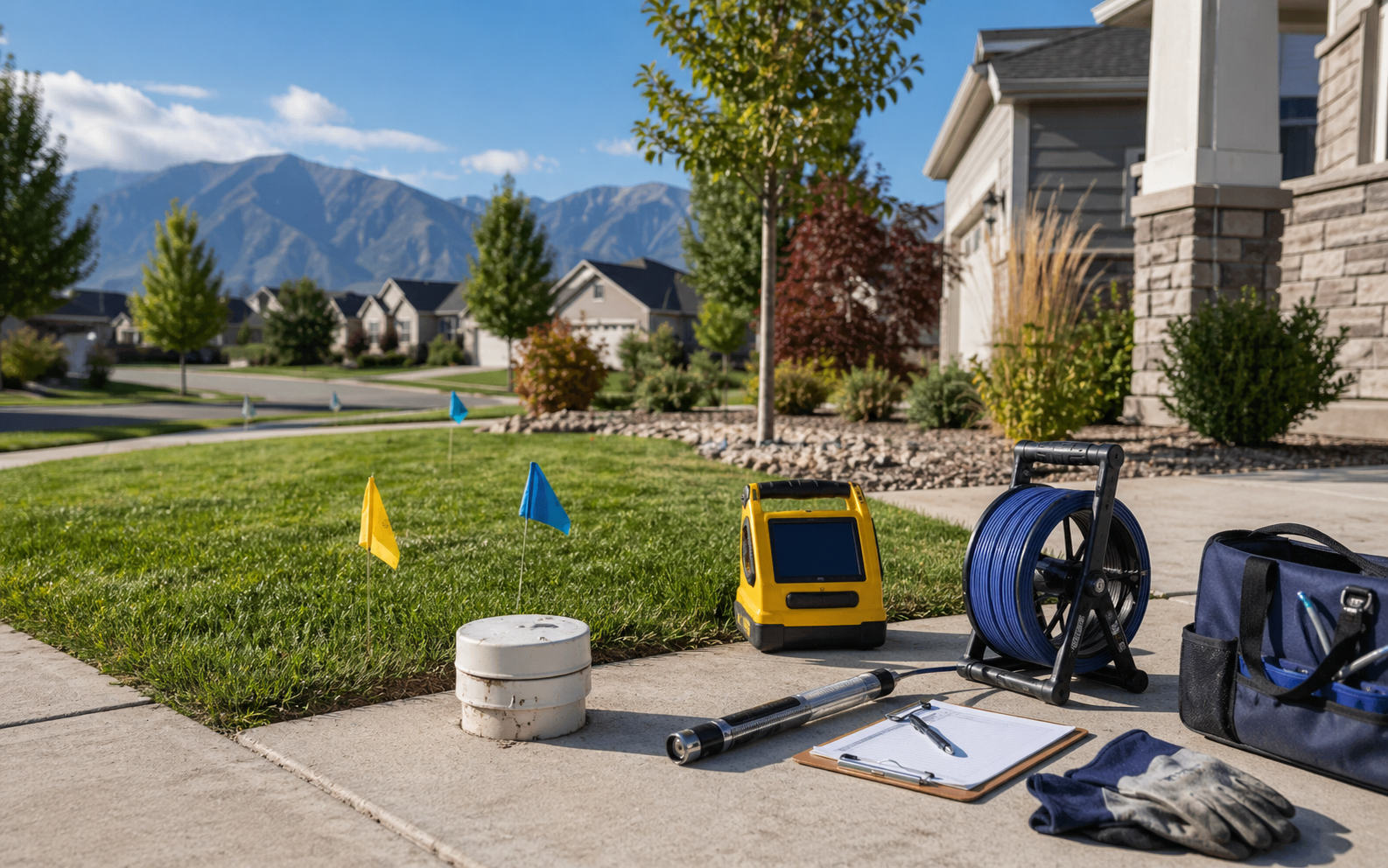
Service Explainer
What a typical sewer service visit involves from access and inspection through completed work - including what to expect when the cleanout is part of the scope.