Negs
Very professional and arrived fast. Would recommend to everyone. If I could give them 10 stars I would!
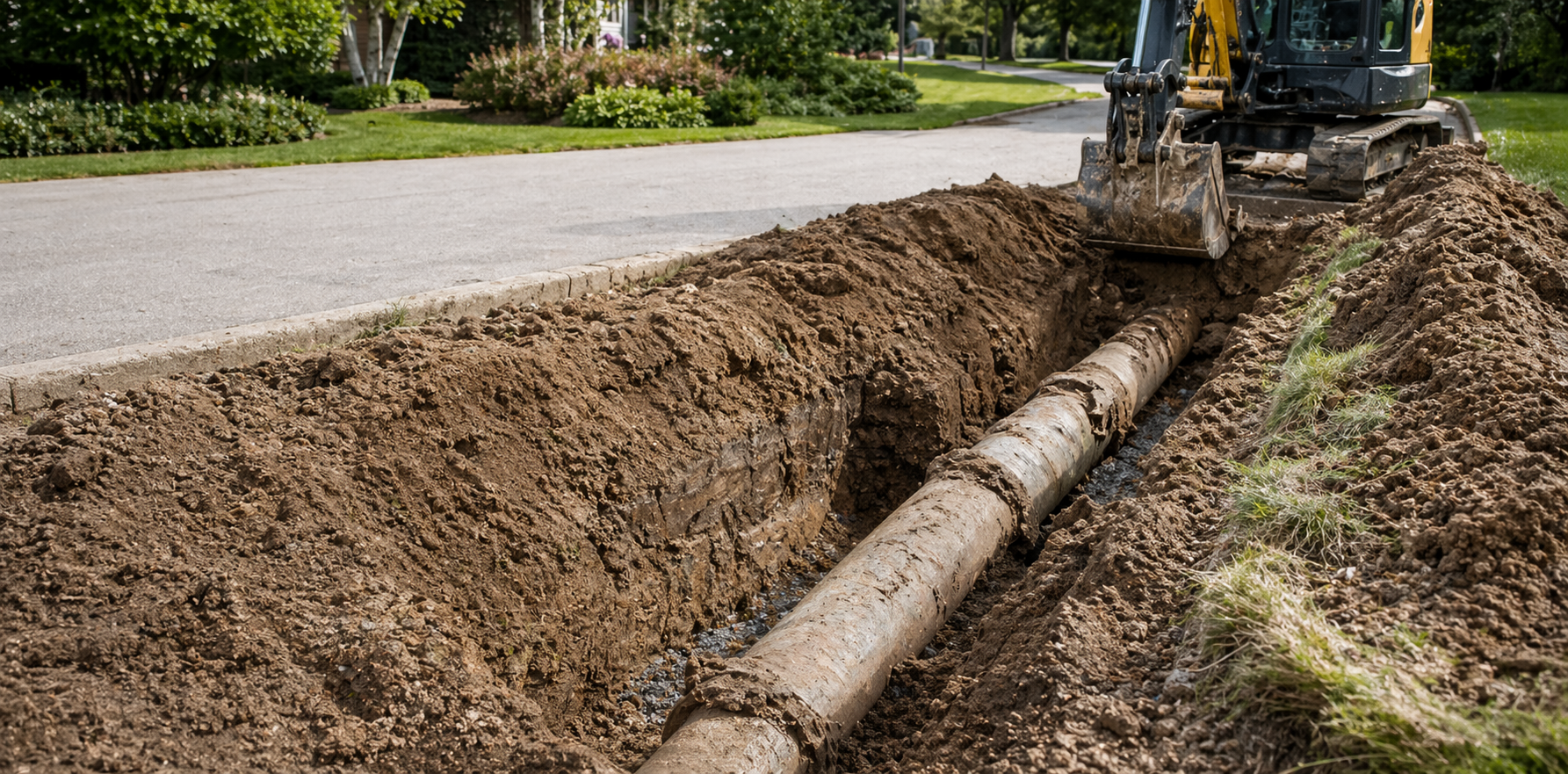
Sewer line repair for sewer pipes with confirmed or suspected structural damage - cracks, offsets, joint separations, root penetration, or partial collapse. We camera the line, confirm whether the damage is repairable, and fix the section that is causing the failure.
What you are seeing
The sewer line is not draining the way it should. Backups are happening more than once. A cleaning helped temporarily, but the problem returned - maybe in weeks, maybe in days. Something is wrong with the pipe itself, and you are trying to figure out what kind of repair the line actually needs.
That is the right question. Not every sewer problem is the same repair, and knowing what the camera shows determines whether the fix is a targeted section repair or something broader.
When repair is the right scope
Sewer line repair applies when the pipe has a structural defect - a crack, an offset joint, a root-penetrated connection, a short collapsed section - but the rest of the line is still in serviceable condition. The defect is causing the failures, and removing or repairing that section solves the problem without replacing pipe that does not need replacing.
If the damage turns out to be more widespread than one section, you find that out during the camera inspection - before any repair work starts.
What you walk away with
You walk away with the damaged section structurally repaired, camera footage of the entire sewer line before and after the work, and a clear explanation of whether the rest of the pipe is sound or developing problems of its own. The repair fixes what failed. The camera footage tells you what to expect from the rest of the line going forward.
Problem
A sewer line that needs repair sends signals. The problem is that most of those signals look exactly like a clog - until the cleaning stops holding. That is the dividing line between a blockage and a structural failure.
When a sewer line is just clogged - grease buildup, paper product accumulation, normal debris - a cleaning or jetting clears it and the line drains properly for months or years. When the pipe itself is damaged, the cleaning clears the symptom but the cause is still there. A cracked pipe lets soil wash into the line with every rain. A separated joint catches roots that grow back faster than any cleaning cycle. An offset connection restricts flow at the same point every time, collecting debris in the gap. A bellied section holds standing water that no amount of jetting removes because the pipe has lost grade. These are structural problems. They do not respond to cleaning-level solutions. The pipe needs to be physically repaired - the damaged section removed, replaced, or lined - so the defect that is causing the repeated failure no longer exists. The challenge most homeowners face is not deciding whether to repair. It is figuring out whether repair is the right scope. A single defect in an otherwise sound line is a clear repair candidate. Damage at multiple points along the run may point to replacement instead. The camera inspection answers that question with documented evidence, not guesswork - and it answers it before any excavation begins.
Solution
Sewer line repair begins with a camera inspection of the full sewer line - not just the area where backups are occurring. The camera documents the pipe material, diameter, joint condition, and every defect from the cleanout to the end of the run. That footage is what determines whether the line is a repair candidate or whether the damage has progressed beyond what a targeted fix can address.
If the line qualifies for repair, the work is scoped to the damaged section. A spot repair replaces the failed portion of pipe - typically 2 to 6 feet - and reconnects it to the existing line on both sides using couplings matched to the pipe material and diameter. A section replacement covers a longer stretch when the damage spans more than a single joint or crack. In either case, the repair removes the structural defect and restores the line to full flow capacity at that location.
After the repair, the camera runs the line again to verify the work and document the condition of the untouched sections. That post-repair footage is as important as the repair itself - it gives the property owner a baseline for the rest of the line, so future decisions about maintenance or additional repair are based on documented pipe condition rather than assumptions.
Fit and situation bullets
Problem bullets
Customer Feedback
See what customers say after a sewer line repair — from the camera findings that confirmed the issue to the clear communication on the repair process, timeline, and verified condition of the line after the work.
Leave a Review!These guys are great! I run a plumbing company but don’t do drains. I often sub contract them to service my customers sewer lines. They don’t only make me happy, but they keep my customers happy and that’s what matters to me most. Thanks guys!
Amazing experience! They are knowledgeable, kind, courteous and very thorough. Our clogged kitchen pipe was a bit of a challenge but they kept going and did everything they could to get it unclogged and they did it! They were very upfront with what caused the clog, gave us video recording of our pipes so we can see exactly what was done, double checked to make sure the pipes were clean and free of clogs and gave us steps on how to maintain the pipes moving forward. Highly recommend!!
This company is Awesome!!! Highly recommend that you call them for your drain cleaning and power washing needs! A++ in service, cost, and quality of work. Alex and Jacob completed drain work, patio cleaning, and filled in cracks in cement. The patio looks brand new! Thank you Alex and Jacob!!!
Alex was very good to work with. They were professional and punctual, working around my schedule. They were able to show me exactly before and after, even showing footage inside my pipes, which I have never seen before. I would recommend them.
Awesome experience! AJ was super professional and got us back in service. They offered us a few solutions and cleared our clogged sewer line for an excellent price
Very professional and arrived fast. Would recommend to everyone. If I could give them 10 stars I would!
Very pleased by my wonderful experience with this company and their service. They were very efficient and fast with their time. I appreciate their professionalism and commitment to the work they did for me!
Why Mountain West
Camera rated to 200 feet
Documents the full sewer line - not just the backup location - so the repair scope is based on complete pipe condition, not a partial view. Live footage review so property owners see the defect, the surrounding pipe, and the completed repair on screen.
Jetting and camera on every call
Hydro jetting equipment deploys on every service call. If the line is blocked at the defect, jetting clears the obstruction so the camera can document the actual structural damage behind it - the difference between diagnosing a clog and diagnosing a pipe failure.
3,850 PSI jetting capability
Clears lines 2 to 12 inches in diameter at 3,850 PSI and 8 GPM with 300 feet of reach. Clearing and camera inspection happen back to back so the repair is scoped from clean, documented pipe footage.
20+ years combined field experience
Two decades of diagnosing sewer line failures across clay, cast iron, Orangeburg, and PVC - the field judgment to determine whether a line is a repair candidate or has crossed the threshold into replacement territory.
Licensed and insured
Licensed for sewer, drain, and drainage system work including excavation, trenching, backfill, and surface restoration. Every component of a sewer line repair falls within the licensed scope.
Every sewer line repair visit follows the same sequence: clear the line, camera the full run, confirm the repair scope, complete the work, and verify the result.
You leave the visit with the structural defect repaired, before-and-after camera footage of the full sewer line, and a clear picture of how much life the rest of the pipe has - information that turns future maintenance from guesswork into planning.
Not every sewer problem is a single-section repair. If you are still in the diagnosis phase, or if the damage turns out to be more extensive than a targeted fix can address, these are the services that cover the next set of decisions.
Evidence
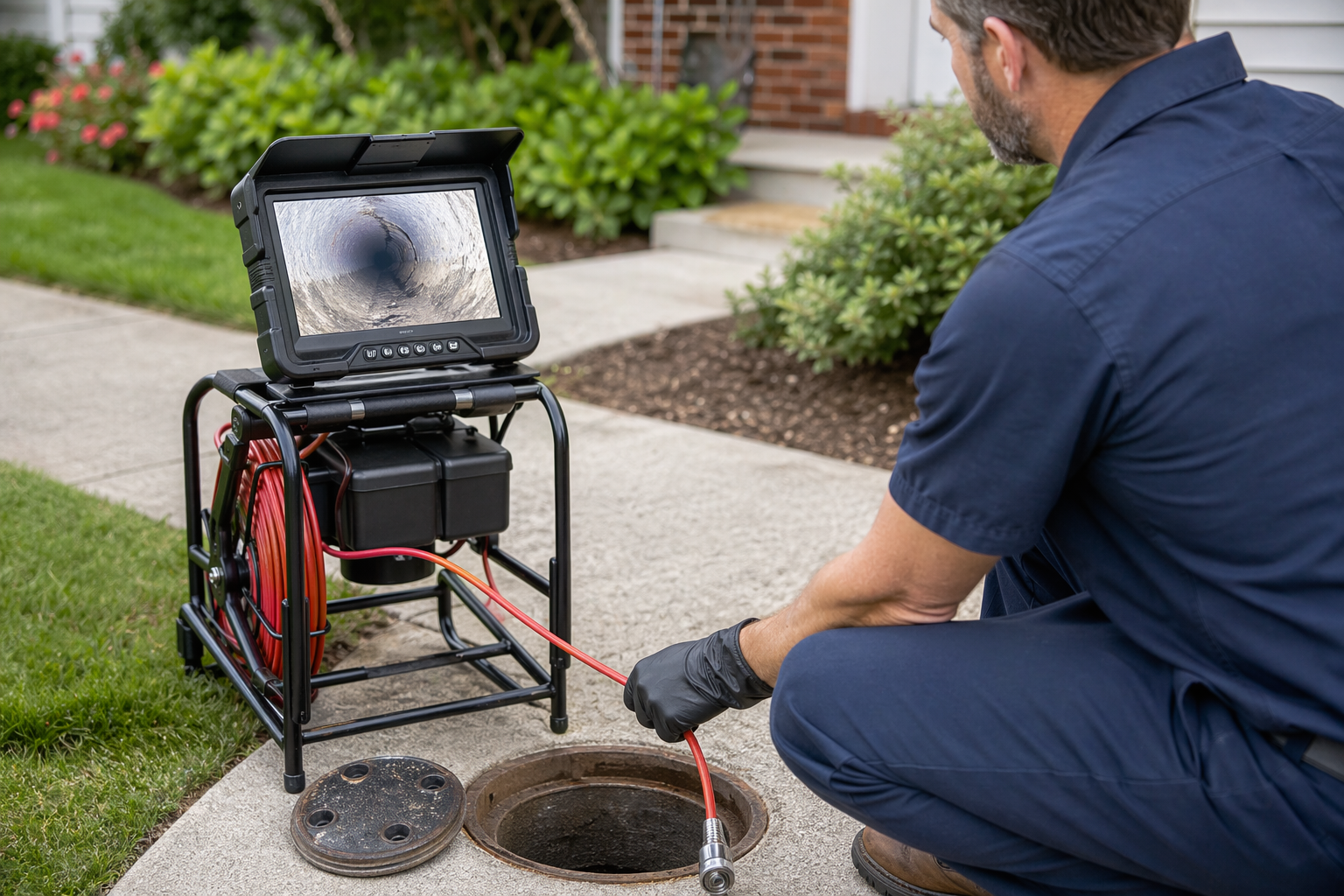 Next Service RouteSewer Camera InspectionIf no camera has been run yet, start here. Sewer camera inspection documents the full line condition and determines whether the problem is a repair candidate, a replacement candidate, or something cleaning can still handle - before any excavation begins.
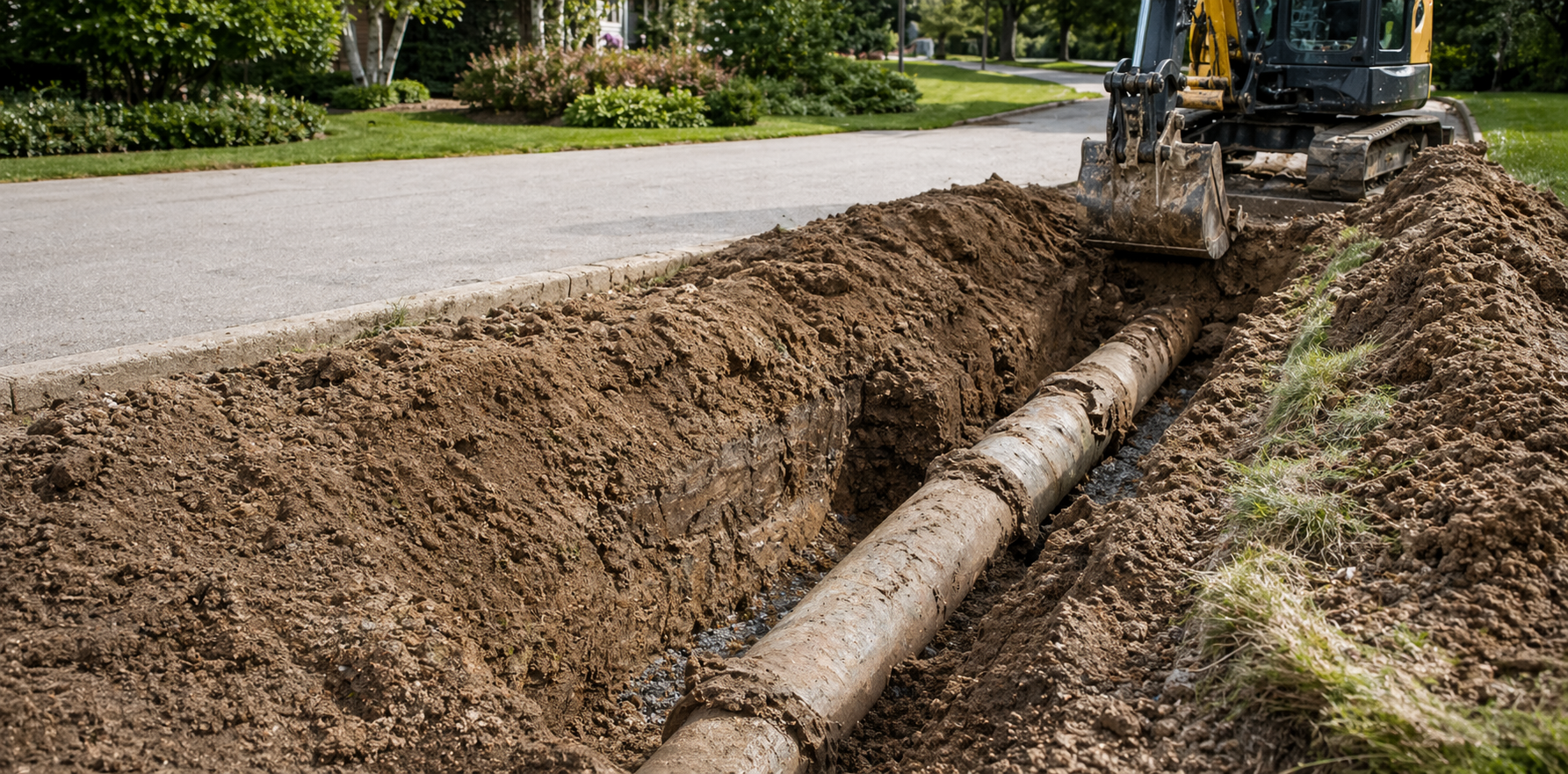 Next Service RouteSewer Line ReplacementMain line sewer replacement applies when the camera shows damage across the full run or the pipe material has deteriorated beyond what section repairs can address - the next step when the line has crossed from repairable to replacement territory.
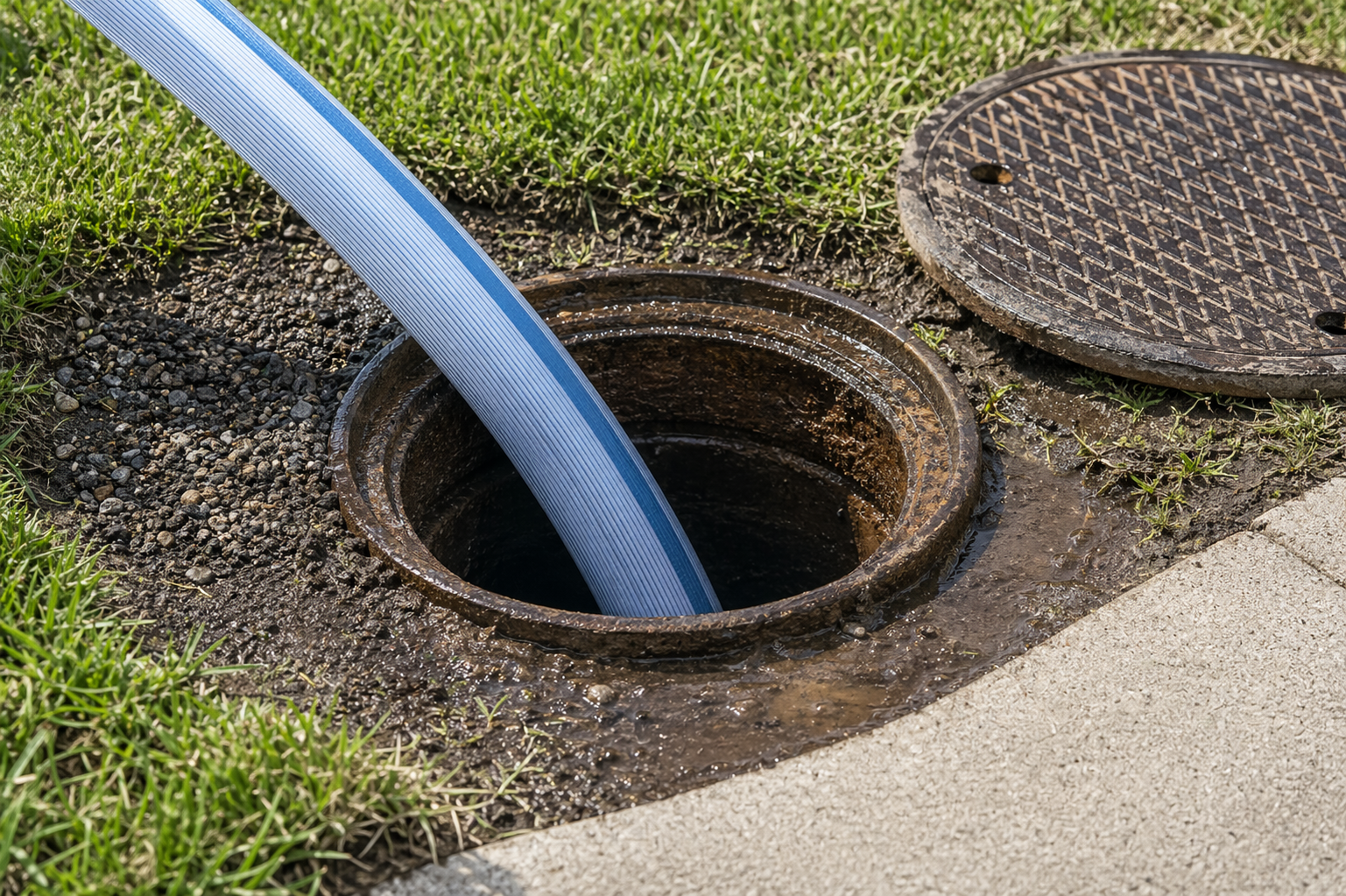 Next Service RouteTrenchless Sewer RepairTrenchless sewer repair for damaged sewer lines that qualify for pipe lining or pipe bursting instead of conventional excavation - less surface disruption when the pipe meets the structural criteria.
Scope and timing
Cost
Support
These are the quick answers most people want before they call, book, or decide on the next step.
Sewer line repair fixes structural defects in the sewer pipe - cracks, joint separations, offset connections, root-penetrated joints, partial collapses, and bellied sections - that cause recurring backups which cleaning alone cannot permanently resolve. The repair removes or replaces the damaged pipe section and restores structural integrity and full flow capacity at the failure point.
If a cleaning resolves the backup and the line drains properly for months or years, cleaning was the right service. If the backup returns within days or weeks - especially at the same location every time - the pipe itself likely has a structural defect that cleaning cannot fix. A sewer camera inspection confirms whether the pipe is damaged and whether the damage is repairable or requires replacement.
The technician jets the line to clear blockages, then cameras the full sewer run to locate and document the structural defect. The damaged section is excavated, removed, and replaced with new pipe connected to the existing line using properly matched couplings. A post-repair camera pass verifies the fix and documents the condition of the remaining pipe.
Sewer pipe repair cost depends on the length of the damaged section, the depth of the pipe, the pipe material, the repair method, and what covers the surface above the line. A single spot repair in a shallow line under open yard is the most affordable scope. Longer repairs, deeper lines, or lines under hardscape cost more due to excavation and surface restoration. Mountain West provides a scope and estimate after the camera inspection confirms the damage.
Related Reading
These follow-up reads stay close to this service and answer the pricing, warning-sign, process, and comparison questions that usually come next.
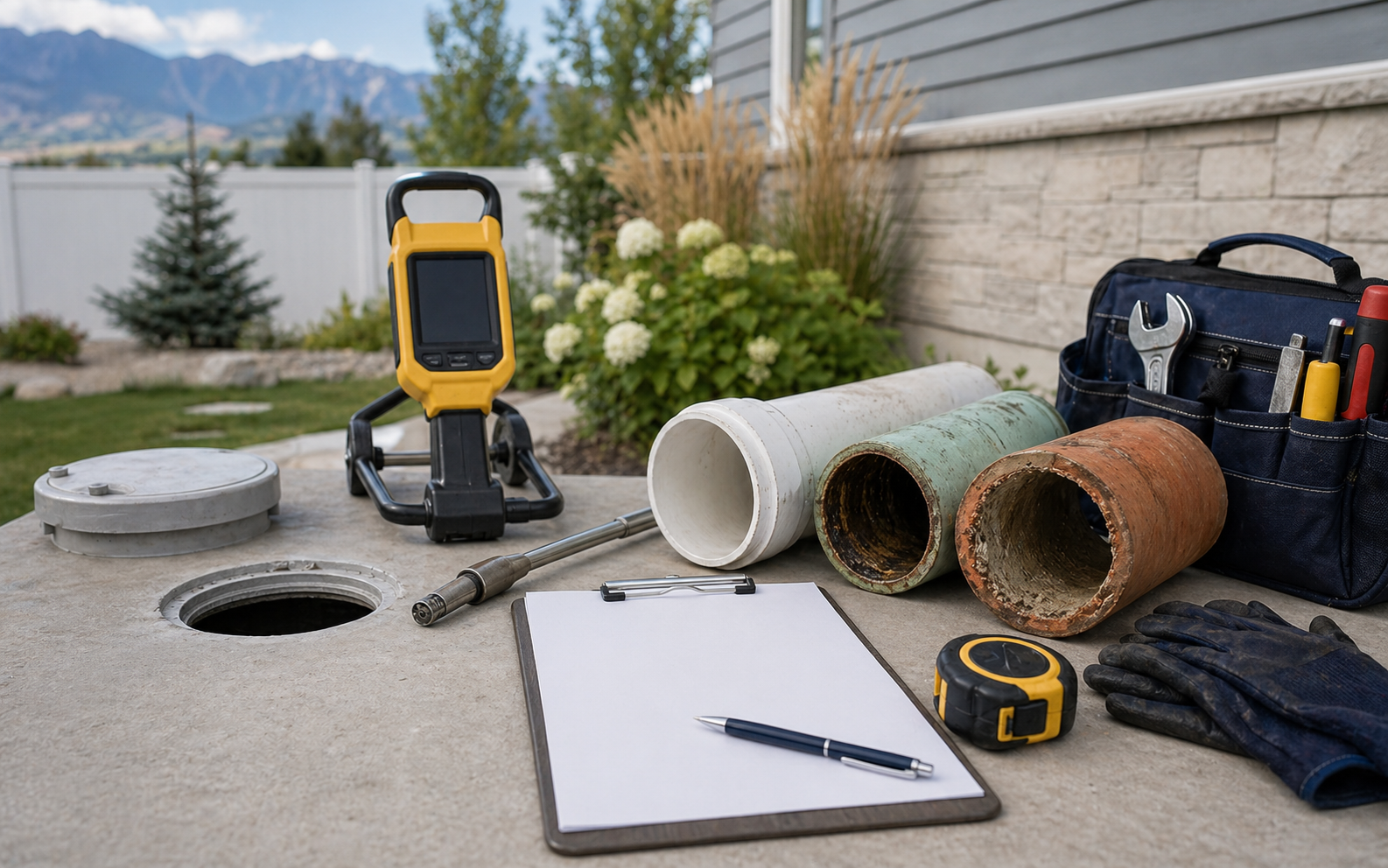
Cost Question
Covers the variables that drive sewer repair pricing - damage length, pipe depth, material, access conditions, and how surface restoration factors into the total cost.
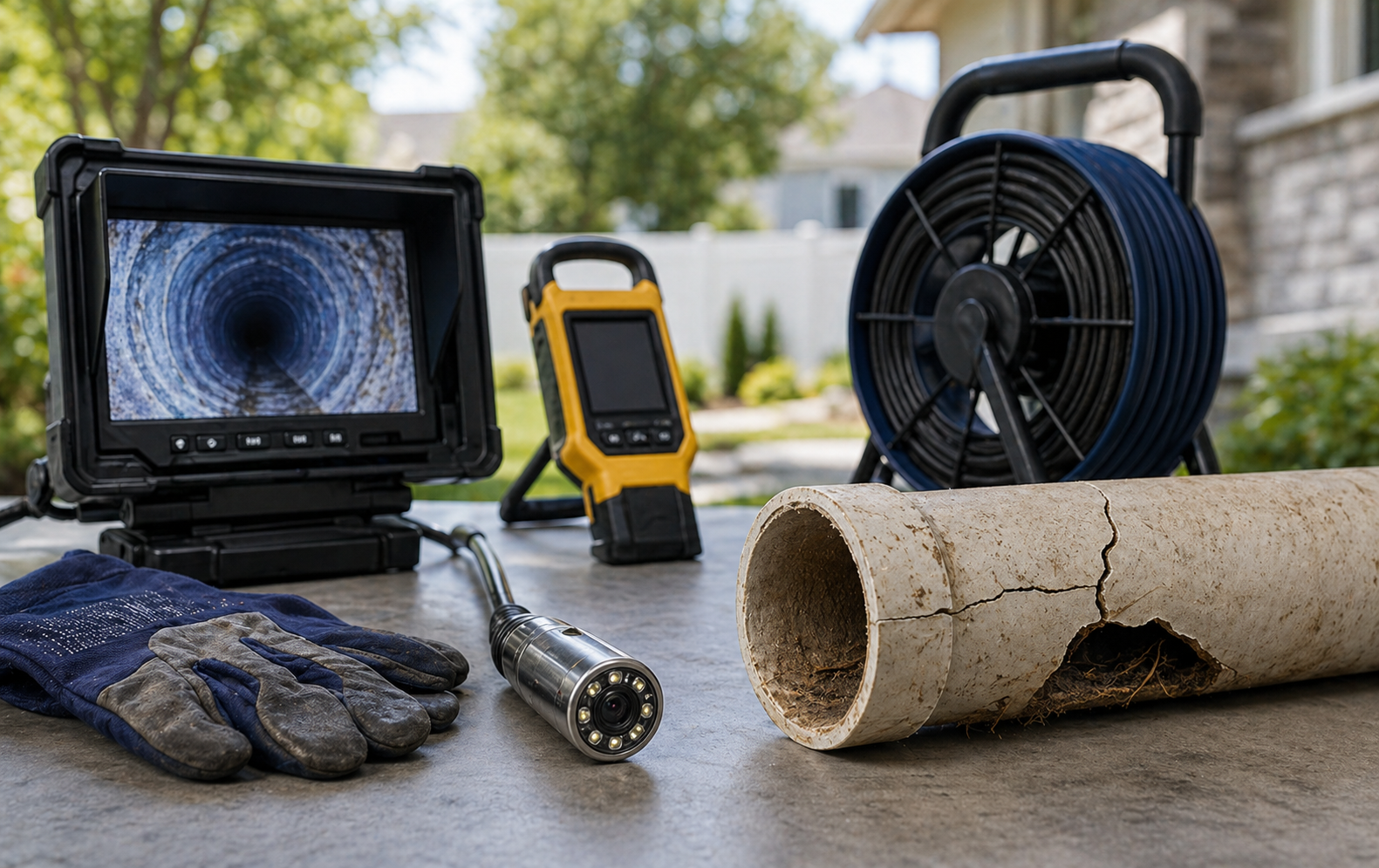
Warning Signs
How to read the warning signs - which symptoms point to a pipe that needs structural repair versus a line that just needs cleaning.
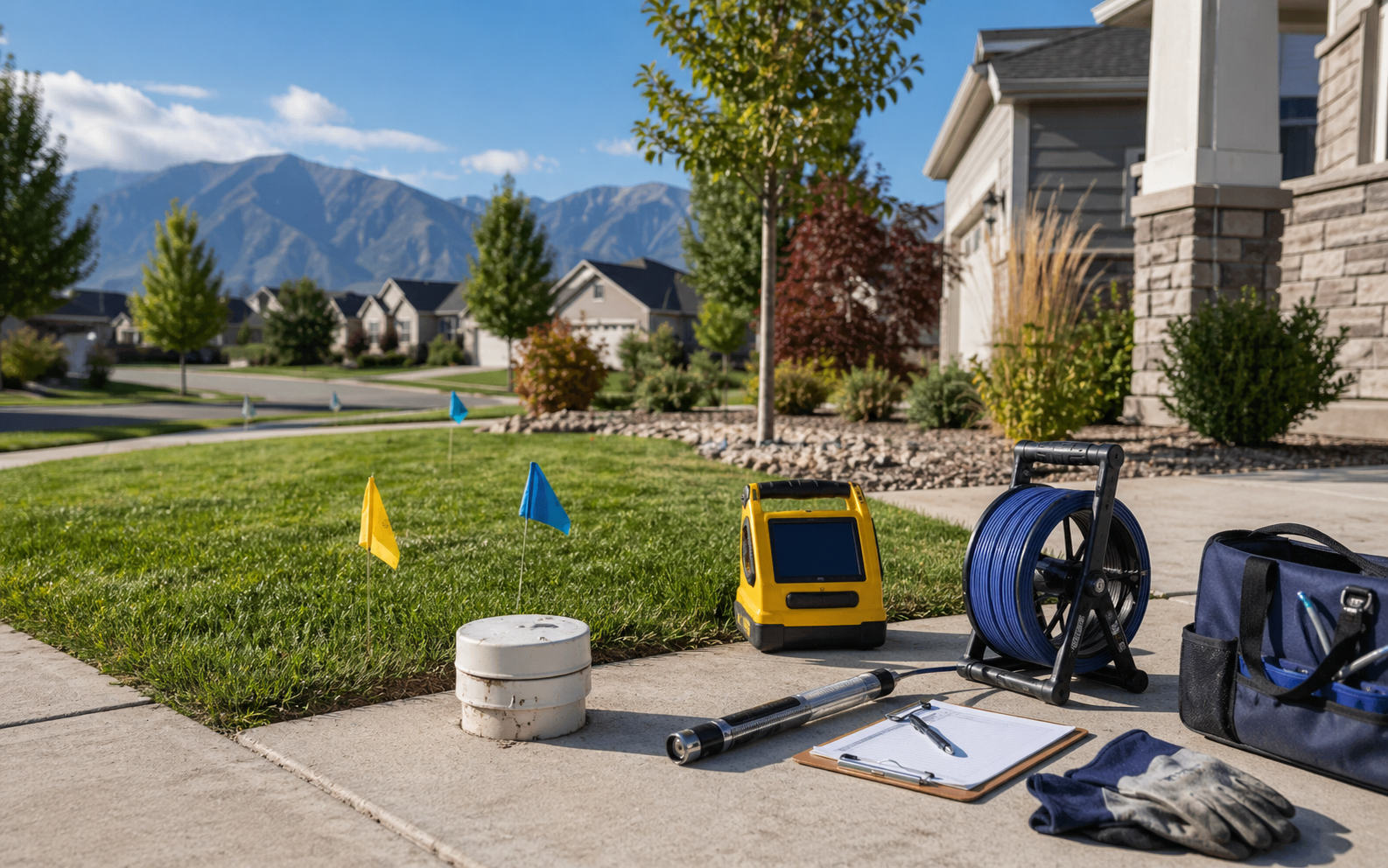
Service Explainer
What the repair visit looks like from camera inspection to completed work, including the questions worth asking before the crew starts digging.