Mountain West Jetting
Mountain West logoMountain West Hydro Jetting & Sewer Maintenance LLC

CIPP SEWER REPAIR

CIPP sewer repair - cured-in-place pipe lining - repairs a damaged sewer line by installing a resin liner inside the existing pipe without digging a trench. The pipe has to qualify. The camera inspection determines whether it does.

What you are seeing

CIPP Sewer Repair

The sewer line has damage - cracks, joint deterioration, root intrusion, minor offsets - but the pipe is still structurally intact enough to hold its shape. You have been told trenchless repair might be an option, or you have come across the term CIPP while researching alternatives to digging up the yard. Now you want to know what the method actually involves and whether your line qualifies.

CIPP - cured-in-place pipe - is a specific trenchless rehabilitation method. It is not a brand name or a general term for no-dig repair. It describes a process where a resin-saturated liner is inserted into the existing pipe and cured in place to form a new pipe wall inside the old one.

When this method applies

The Pipe Is Damaged But Still Holding Its Shape

CIPP sewer pipe lining applies when the existing pipe has cracks, joint separation, root entry points, or minor infiltration - but the pipe walls are still intact enough to serve as a host for the liner. The liner bonds to the inside of the existing pipe and becomes the new structural wall.

Lines that are fully collapsed, severely deformed, back-bellied, or have lost too much of their original diameter do not qualify. The host pipe has to maintain enough shape and alignment for the liner to seat properly and cure to specification.

What you walk away with

A Lined Pipe Without A Trench

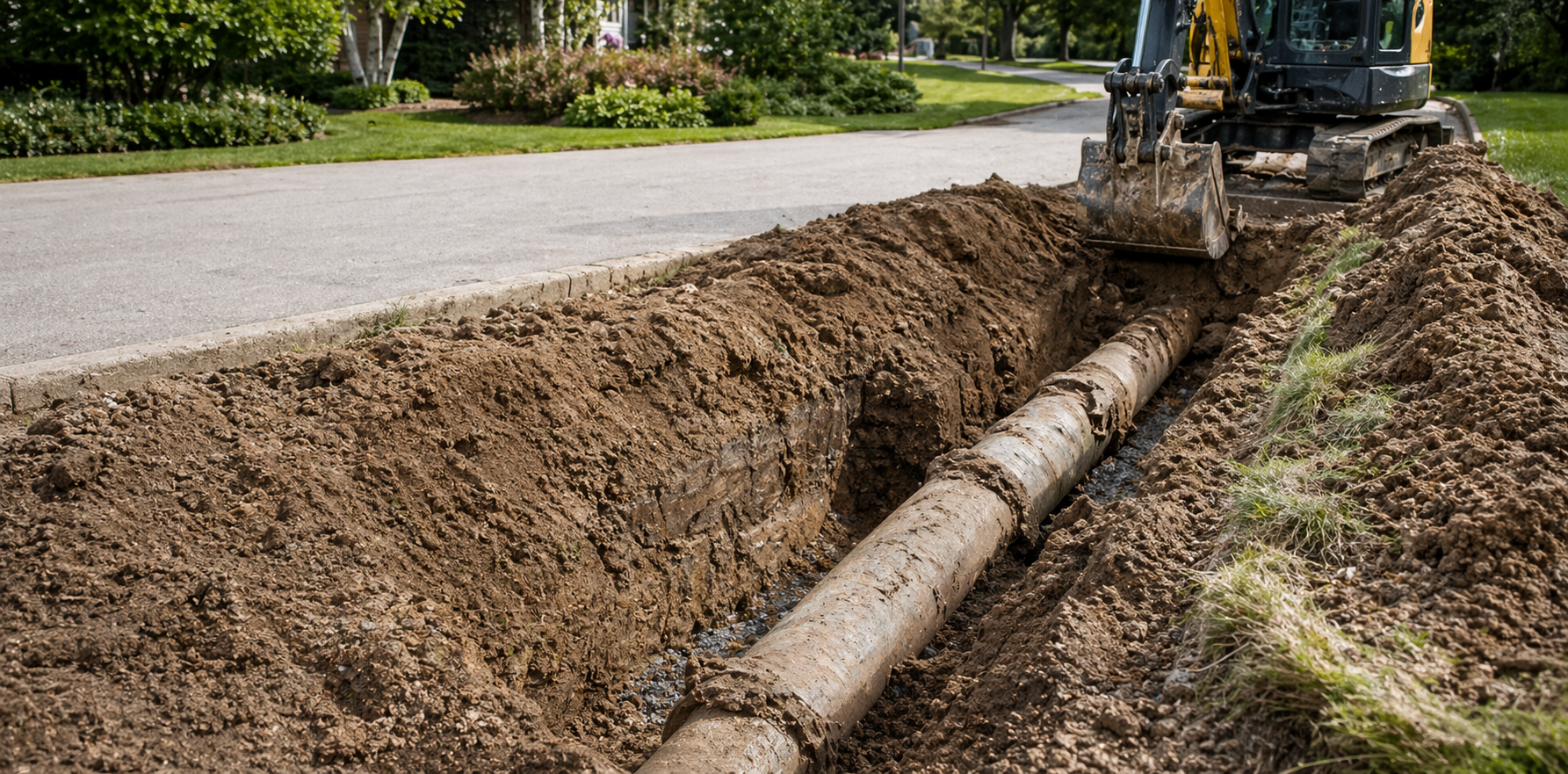
You walk away with a continuous, jointless liner inside your existing sewer pipe - sealing cracks, bridging joint separations, and blocking root entry points from the inside. No trench across the yard. No driveway removal. No landscape demolition. The camera documents the completed liner from end to end, and the surface above the pipe stays intact.

Problem

When The Pipe Is Damaged But The Yard Does Not Need To Be

The sewer line needs more than cleaning. The camera shows cracks, separated joints, or root intrusion that will keep coming back. But the pipe is not collapsed. It is not deformed beyond use. It is damaged in ways that a structural liner can seal from the inside - if the pipe qualifies for the method.

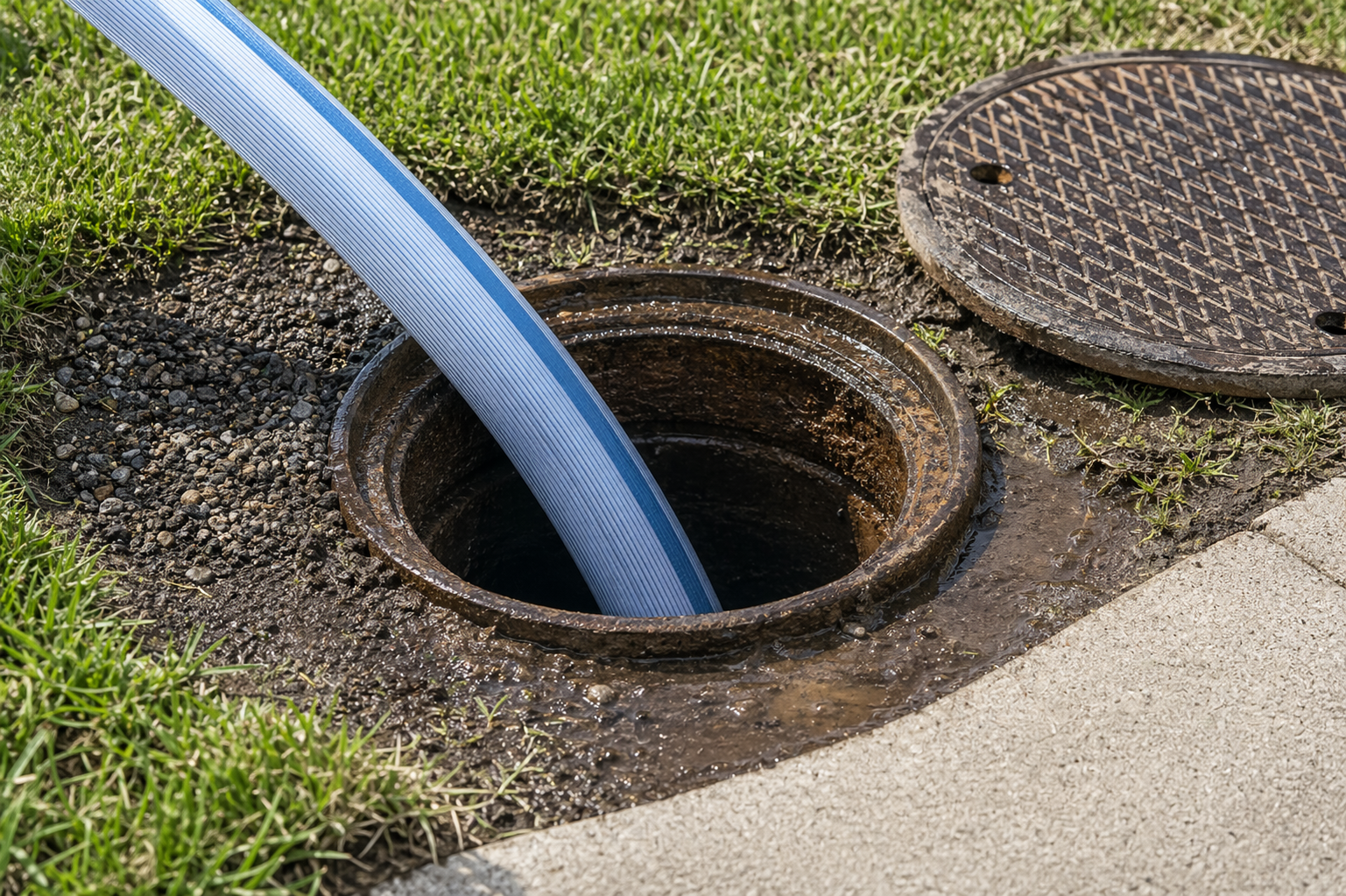
CIPP stands for cured-in-place pipe. The method works by inserting a flexible, resin-saturated felt or fiberglass liner into the existing sewer pipe through an access point - usually the cleanout. The liner is positioned inside the damaged section, then inflated against the pipe walls and cured using heat, UV light, or ambient temperature depending on the resin system. As the resin cures, the liner hardens into a rigid structural tube bonded to the inside of the host pipe. The result is a new pipe wall - jointless, seamless, and resistant to root intrusion - formed inside the old one. The appeal is obvious: no trench, no excavation, no surface demolition. For homeowners with sewer lines running under driveways, patios, landscaping, or mature trees, CIPP can eliminate thousands of dollars in surface restoration costs that conventional replacement would require. The repair happens entirely from the inside of the pipe. But CIPP is not universally applicable. The existing pipe has to be a viable host. It needs to be round enough for the liner to inflate against the walls uniformly. It cannot have sections that are collapsed, crushed, or so deformed that the liner would cure in an irregular shape. It cannot have significant bellies where the liner would bridge a low point instead of bonding to the pipe wall. And severe offsets at joints - where one section of pipe has shifted significantly out of alignment with the next - can prevent the liner from seating properly at the transition. The camera inspection answers every one of these qualification questions before the method is committed to.

Solution

Assess The Pipe, Confirm CIPP Viability, Line From The Inside

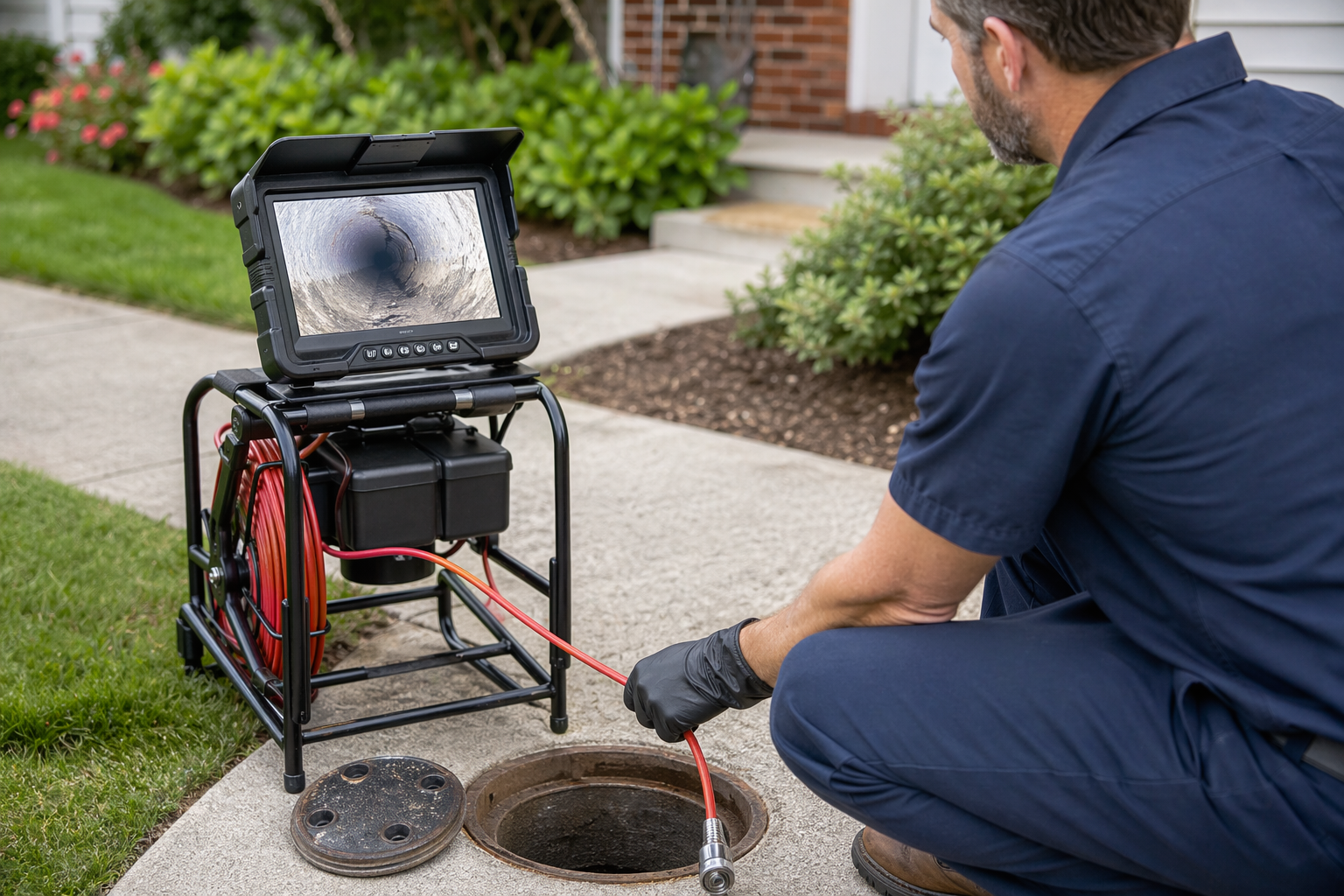
CIPP sewer repair starts with a camera inspection after jetting. The camera documents the pipe's internal condition - diameter, roundness, wall condition, joint alignment, and the specific type and location of every defect. That footage is what determines whether the pipe is a CIPP candidate or whether a different repair method is needed.

If the pipe qualifies, the liner is prepared to match the pipe's diameter and the length of the section being rehabilitated. The resin-saturated liner is inserted through the cleanout or an access point, positioned within the damaged section, inflated against the pipe walls, and cured. Once cured, the liner is a rigid structural tube that seals every crack, joint gap, and root entry point it covers. The result is a continuous, jointless pipe wall inside the existing host - with no excavation above.

After the liner is cured, the camera runs the rehabilitated section again to verify that the liner seated properly, cured uniformly, and achieved full coverage of the damaged area. That post-lining footage is the verification that the repair is sound - and the property owner sees it before the crew leaves.


Fit and situation bullets

  • The pipe has cracks, joint deterioration, or root intrusion points but the walls are structurally intact and holding their round shape
  • The damage is within a section that can be accessed and lined from the existing cleanout or a minimal access point
  • The sewer line runs under a surface - driveway, sidewalk, patio, landscaping - where avoiding excavation saves significant restoration cost
  • The property owner wants the least disruptive structural repair option and the pipe meets the criteria for CIPP

Problem bullets

  • Cracks in the pipe wall are letting groundwater infiltrate and soil wash into the line between cleanings
  • Separated joints are providing root entry points that re-establish between jetting cycles regardless of how aggressively the roots are cut
  • Minor offsets at joints are catching debris and restricting flow at the same points repeatedly
  • The pipe material is aging and developing joint deterioration across a section that is otherwise structurally intact
  • Infiltration at multiple joints is adding groundwater volume to the sewer flow, which can cause capacity issues during rain events

Customer Feedback

Google Reviews From Local Sewer And Drain Calls

Public Google Profile

See what customers say after CIPP sewer repair — from the camera findings that confirmed the lining was a fit to the clear recommendation on method, expected outcome, and verified condition of the lined section.

Leave a Review!

Why Mountain West

What We Bring To The Job

Camera rated to 200 feet

Documents the full sewer line to assess CIPP candidacy - pipe roundness, wall condition, joint alignment, and every defect that affects liner viability. Post-lining camera pass verifies the liner seated and cured properly from end to end.

Jetting and camera on every call

Hydro jetting equipment deploys on every service call. The line must be clean before the camera can accurately assess CIPP qualification - debris, roots, or buildup can mask the true pipe condition underneath. Jetting and camera happen in the same visit.

3,850 PSI jetting capability

Clears lines 2 to 12 inches in diameter at 3,850 PSI and 8 GPM with 300 feet of reach. Thorough cleaning before the camera pass is critical for CIPP assessment - the camera needs to see clean pipe walls, not residue from the last backup.

20+ years combined field experience

Two decades of evaluating sewer lines for trenchless viability - the judgment to know when CIPP is the right method, when pipe bursting is the better fit, and when the line has crossed into conventional replacement territory regardless of what the homeowner prefers.

Licensed and insured

Licensed for sewer, drain, and drainage system work covering the full scope of trenchless rehabilitation as well as conventional excavation and replacement if CIPP does not fit.

How CIPP Sewer Repair Works On Site

A CIPP repair follows a specific sequence: clean the line, camera-assess for lining viability, install the liner, cure it, and verify the result on camera.

  • Jet the sewer line to remove all debris, roots, and buildup, then camera the full run to assess CIPP qualification - documenting pipe roundness, wall condition, joint alignment, diameter consistency, and any conditions collapse, severe offset, belly that would disqualify the line from lining.
  • If the pipe qualifies, prepare the resin-saturated liner to match the pipe diameter and damage length, insert it through the cleanout or access point, position it within the damaged section, inflate it against the pipe walls, and cure it to hardness - creating a jointless structural tube bonded to the inside of the existing pipe.
  • Camera the lined section after curing to verify full coverage, uniform seating against the pipe walls, and proper cure - then walk through the footage with the property owner showing the completed liner and the condition of any unlined sections.

You leave the visit knowing whether CIPP was viable and, if it was, with a camera-verified structural liner inside the pipe, no trench in the yard, and documented proof that the repair sealed every defect the lining covered.

Related Services Worth Reviewing

CIPP is one trenchless method. Not every pipe qualifies for it, and not every sewer problem is best served by lining. If the line does not meet CIPP criteria, or if the damage calls for a different approach, these services cover the alternatives.

Evidence

Sewer Camera Inspection page preview.Next Service RouteSewer Camera InspectionIf no camera has been run yet, start here. Sewer camera inspection documents the pipe condition that determines whether CIPP, pipe bursting, or conventional replacement is the right method - the assessment that has to happen before any trenchless decision is made.Sewer Line Repair And Replacement page preview.Next Service RouteSewer Line Repair And ReplacementSewer line repair and replacement for pipes that do not qualify for CIPP - lines that are collapsed, severely deformed, or damaged beyond what an internal liner can rehabilitate. Conventional repair or replacement addresses damage that trenchless methods cannot reach.Sewer Excavation page preview.Next Service RouteSewer ExcavationSewer excavation for sewer line access when the pipe has failed beyond trenchless viability - collapsed sections, deep lines requiring physical access, or damage that requires removing and replacing the pipe rather than lining it.

What Changes Price And Timing On A CIPP Repair

Scope and timing

  • Length of the section being lined - CIPP is priced by linear footage, and the liner is prepared to match the specific length of the damaged section
  • Diameter of the pipe - larger-diameter pipes require larger liners with more resin, which increases material cost
  • Whether the full line is being lined or only the damaged section - lining a partial run costs less than lining the entire sewer line from cleanout to connection
  • Pipe preparation required before lining - lines with heavy root intrusion, mineral deposits, or scale buildup need thorough cleaning before the liner can seat properly against the walls
  • Curing method and time - heat-cured and UV-cured liners set faster than ambient-cure systems, but the specific system used depends on the pipe conditions and the liner specification
  • Whether the assessment and lining happen in the same visit or require separate scheduling - some lines can be assessed and lined in one day, while others need a dedicated prep visit before the lining crew returns

Cost

  • Linear footage being lined - the primary cost variable
  • Pipe condition and prep requirements - lines that need extensive cleaning, root removal, or interior surface preparation before the liner can be installed add prep cost to the lining cost
  • Whether CIPP is the confirmed method or the assessment reveals conditions that require a different approach - if the camera disqualifies the line from CIPP, the cost shifts to whatever method the pipe actually supports

Support

What To Have Ready Before The Visit

Details that help us assess CIPP viability faster

  1. Any previous camera footage or inspection reports - especially footage showing the type of damage cracks, joint separation, root entry, offset and the overall pipe condition. This is the most useful piece of information for assessing CIPP candidacy before arrival.
  2. What surface sits above the sewer line - yard, driveway, sidewalk, patio, or structure - so the crew understands the value of avoiding excavation at your specific property.
  3. Whether you have received other estimates or trenchless recommendations - knowing what other contractors proposed helps us explain where our assessment aligns or differs.
  4. The approximate age of the building and whether the pipe material is known - older clay, cast iron, and Orangeburg pipes each have different CIPP qualification profiles.

Quick Answers About CIPP Sewer Repair

These are the quick answers most people want before they call, book, or decide on the next step.

What is CIPP sewer repair?

CIPP sewer repair - cured-in-place pipe - is a trenchless method that repairs a damaged sewer line by inserting a resin-saturated liner into the existing pipe and curing it in place. The liner bonds to the inside of the host pipe and forms a new, jointless structural wall - sealing cracks, joint separations, and root entry points without excavation. The existing pipe must be structurally intact enough to serve as a host for the liner.

How do I know if my sewer line qualifies for CIPP?

A sewer line qualifies for CIPP sewer pipe lining when the pipe is still holding its round shape, the walls are intact enough to support a bonded liner, and the defects - cracks, joint gaps, root entry points - can be sealed from the inside. Lines that are collapsed, severely deformed, back-bellied, or have major offsets at joints typically do not qualify. A sewer camera inspection after jetting determines CIPP viability based on the actual pipe condition.

How does CIPP sewer pipe lining work?

The sewer line is jetted clean, then the camera assesses the pipe for lining viability. If the pipe qualifies, a resin-saturated felt or fiberglass liner is inserted through the cleanout, positioned inside the damaged section, inflated against the pipe walls, and cured using heat, UV light, or ambient methods. Once cured, the liner hardens into a rigid structural tube bonded to the host pipe. A post-lining camera pass verifies full coverage and proper cure.

How much does CIPP sewer repair cost?

CIPP sewer pipe repair cost depends on the linear footage being lined, the pipe diameter, the prep work required before lining, and whether the full run or a partial section is being rehabilitated. CIPP typically costs more per foot than conventional spot repair but eliminates excavation and surface restoration costs - which can make it the less expensive total option on lines under driveways, patios, or landscaping. Mountain West provides a scope and estimate after the camera inspection confirms CIPP viability.

Frequently Asked Questions About CIPP Sewer Repair