Mountain West Jetting
Mountain West logoMountain West Hydro Jetting & Sewer Maintenance LLC

SEWER CLEANOUT: WHAT IT IS, WHERE TO FIND YOURS, AND WHAT TO DO WHEN IT IS DAMAGED

Blog Article

Story by Mountain West Hydro JettingPublished June 18, 2026Sewer Cleanout RepairServing Northern Utah and the Salt Lake corridor

Sewer Cleanout: What It Is, Where to Find Yours, and What to Do When It Is Damaged

A sewer cleanout is a capped pipe that provides direct access to your main sewer line. It is how technicians get a camera, cable, or jetting hose into the pipe without removing fixtures or cutting into walls. When the cleanout is accessible and functional, sewer cleaning, camera inspection, and emergency service are straightforward. When it is damaged, buried, or missing, every service visit takes longer, costs more, and may require accessing the line through a toilet pull — removing and reinstalling a toilet to use the floor flange as an entry point. This article covers what a cleanout is, where to find yours, what goes wrong with them, and what to do about it.

Start Here

Most homeowners have never thought about their cleanout until a technician asks where it is — or tells them it is damaged. Then it suddenly matters a lot, because the cleanout is the door to the sewer line. Without it, the technician has to find another way in.

What This Article Helps You Do

  • Understand what a cleanout is and why it matters for every service visit
  • Find your cleanout based on where Northern Utah homes typically locate them
  • Identify the five most common cleanout problems
  • Know when repair is simple and when it requires more work
  • Understand the case for installing a cleanout if your home does not have one

Quick Takeaway

A sewer cleanout is your sewer line's access point. It is where technicians insert cameras, cables, and jetting hoses. A working, accessible cleanout makes every service visit faster and cheaper. A damaged, buried, or missing cleanout means the technician must find an alternate access method — usually a toilet pull — which adds time and cost. If your cleanout is damaged, repair it. If you do not have one, install one. It pays for itself over the next few service calls.

Sewer Cleanout Repair

Most homeowners have never thought about their cleanout until a technician asks where it is — or tells them it is damaged. Then it suddenly matters a lot, because the cleanout is the door to the sewer line. Without it, the technician has to find another way in.

Knowing where your cleanout is, what condition it is in, and whether it needs attention is one of the simplest things you can do to make future drain and sewer service faster, easier, and less expensive.

What It Means In Practice

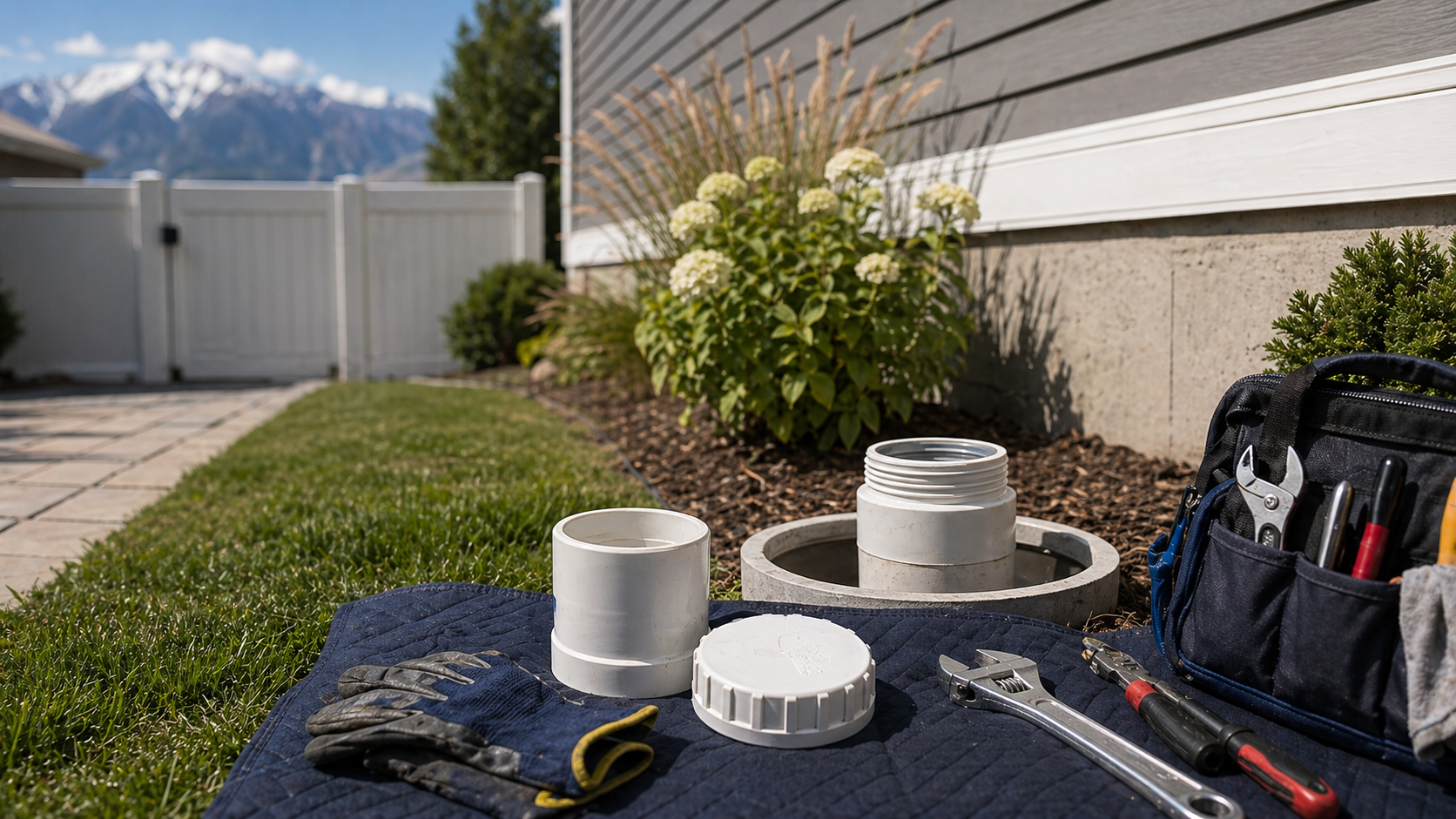
What a Sewer Cleanout Is and How It Works A cleanout is a vertical or angled pipe fitting connected to your main sewer line, capped at the surface with a removable plug or screw cap. It provides direct entry into the sewer line without disturbing any fixtures, walls, or flooring.

Start with the normal pattern: wastewater should move away from the fixture, through the branch line, into the larger building drain or sewer lateral, and out toward the public or private collection system. Most confusion starts when one symptom is judged without locating where that pattern is breaking down.

For sewer cleanout repair questions, the useful first step is separating a local fixture issue from a deeper line condition, because those two situations can look similar at the surface but lead to different next steps.

  1. i Cap. The removable plug at the top. Usually threaded PVC, ABS, or brass. The cap seals the cleanout to prevent sewer gas from escaping and debris from entering. It is designed to be removed by hand or with a wrench when service is needed.
  2. ii Riser. The vertical pipe section that extends from the main line up to the surface. Risers are typically 4 inches in diameter for residential main line cleanouts — matching the main line size.
  3. iii Fitting. The connection point where the riser meets the main line. This is usually a wye or tee fitting that allows equipment to feed into the main line in both directions — toward the house and toward the city main.
  4. iv Connection to the main line. The cleanout fitting connects directly to the sewer lateral. When the cap is removed and equipment is inserted, it enters the main line and can travel the full length of the lateral.
  5. How it is used during service: The technician removes the cap, inserts a camera, cable, or jetting hose into the riser, and feeds it into the main line. The cleanout provides a straight, unobstructed path into the pipe — no bends around fixture traps, no navigating through branch lines, and no disassembly of plumbing fixtures.
  6. Where to Find Your Cleanout Cleanout location depends on when your home was built, local code at the time of construction, and the builder's choices. Here are the most common patterns in Northern Utah.
  7. Outside the house, near the foundation wall. This is the most common location for homes built after approximately 1970. Look for a round PVC or ABS cap at ground level or a few inches below grade, within 2 to 5 feet of the exterior foundation wall. It is usually on the side of the house that faces the street or alley — because the sewer lateral runs from the house toward the city main in the street.
  8. In the basement or crawl space. Some homes — especially older Northern Utah construction — have the cleanout inside, typically in the basement near where the main sewer line exits through the foundation wall. Look for a capped pipe extending up from the floor or from a horizontal pipe running along the basement wall.
  9. Near the property line or sidewalk. In some configurations, a second cleanout is located near the property line, closer to the city sewer connection. This is less common in residential properties but exists in some older Ogden and Salt Lake City neighborhoods.

How To Tell When It Fits

Not visible at all. If you cannot find a cleanout, it may be buried under soil, landscaping, a deck, a patio, or a concrete slab. Alternatively, your home may not have one — some older homes particularly pre-1960 construction were built without an exterior cleanout. If you are not sure, a technician can locate a buried cleanout with a metal detector or line locator, or confirm that one does not exist.

The goal is to move from guesswork to evidence. Good decisions usually come from the same sequence: define the symptom, locate the likely part of the system, check whether the issue is repeating, and decide whether cleaning, inspection, jetting, or repair planning fits.

That sequence keeps the article useful before any service conversation happens. It helps readers ask better questions and makes it harder for a vague diagnosis to sound more certain than it really is.

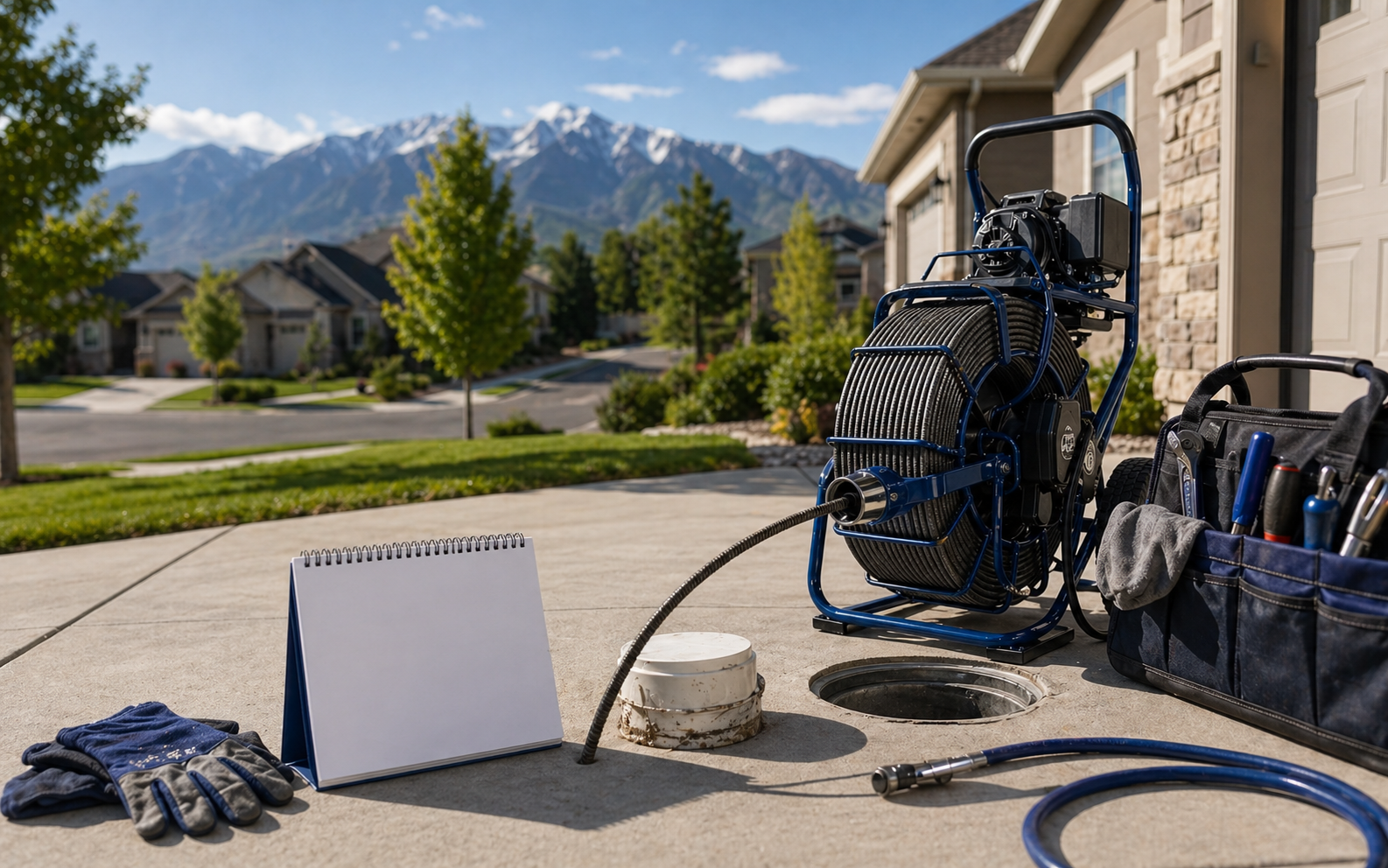
  1. How to identify what you found: A cleanout cap is typically a round plastic white PVC or black ABS or brass threaded plug, 3 to 4 inches in diameter, sitting flush with or slightly above grade. It may have a square nut on top for wrench removal. Do not confuse it with a sprinkler valve box rectangular, green, a gas shut-off small, metal, or a water meter cover larger, metal or concrete.
  2. Five Cleanout Problems and What Each One Means 1. Broken or Missing Cap The cap is cracked, missing, or no longer threads properly. Without a sealed cap, sewer gas escapes into the air near the house and dirt, debris, rainwater, and pests can enter the sewer line. A missing cap is also an open hole that poses a tripping or injury hazard.
  3. What to do: Replace the cap. Cleanout caps are inexpensive — a threaded PVC cap costs a few dollars at a hardware store. Match the size typically 4 inches for a main line cleanout and thread type. If the threads on the riser are damaged and a new cap will not seat properly, the riser may need to be cut back and a new adapter installed.
  4. 2. Corroded or Seized Cap Common on older homes with brass or cast iron cleanout caps. The cap has corroded to the riser and will not unscrew. A technician arriving for a cleaning visit cannot access the line without breaking or cutting the seized cap off.
  5. What to do: A seized cap usually requires the technician to cut or break it free and replace both the cap and the top section of the riser with a new PVC adapter and cap. This adds 15 to 30 minutes to a service visit but is a one-time fix — the new PVC cap will not corrode.
  6. 3. Buried Cleanout Soil, mulch, landscaping, or a concrete/paver addition has covered the cleanout over time. The cleanout exists but cannot be found or accessed without excavation.
  7. What to do: Locate the cleanout using a metal detector for brass or cast iron caps or a line locator. Excavate the area above the cleanout — usually a small dig — and install a riser extension or access box that brings the cap up to grade level. Once exposed, consider installing a cleanout access box a small plastic or concrete box around the riser that keeps the cap accessible even as landscaping grows around it.
  8. 4. Damaged Riser or Fitting The riser pipe is cracked, broken, or separated from the main line fitting. This can happen from ground movement, construction activity, vehicle traffic over the cleanout, or freeze-thaw cycles. A damaged riser may leak sewage near the foundation or may not accept equipment properly.

What Makes It Easier To Use

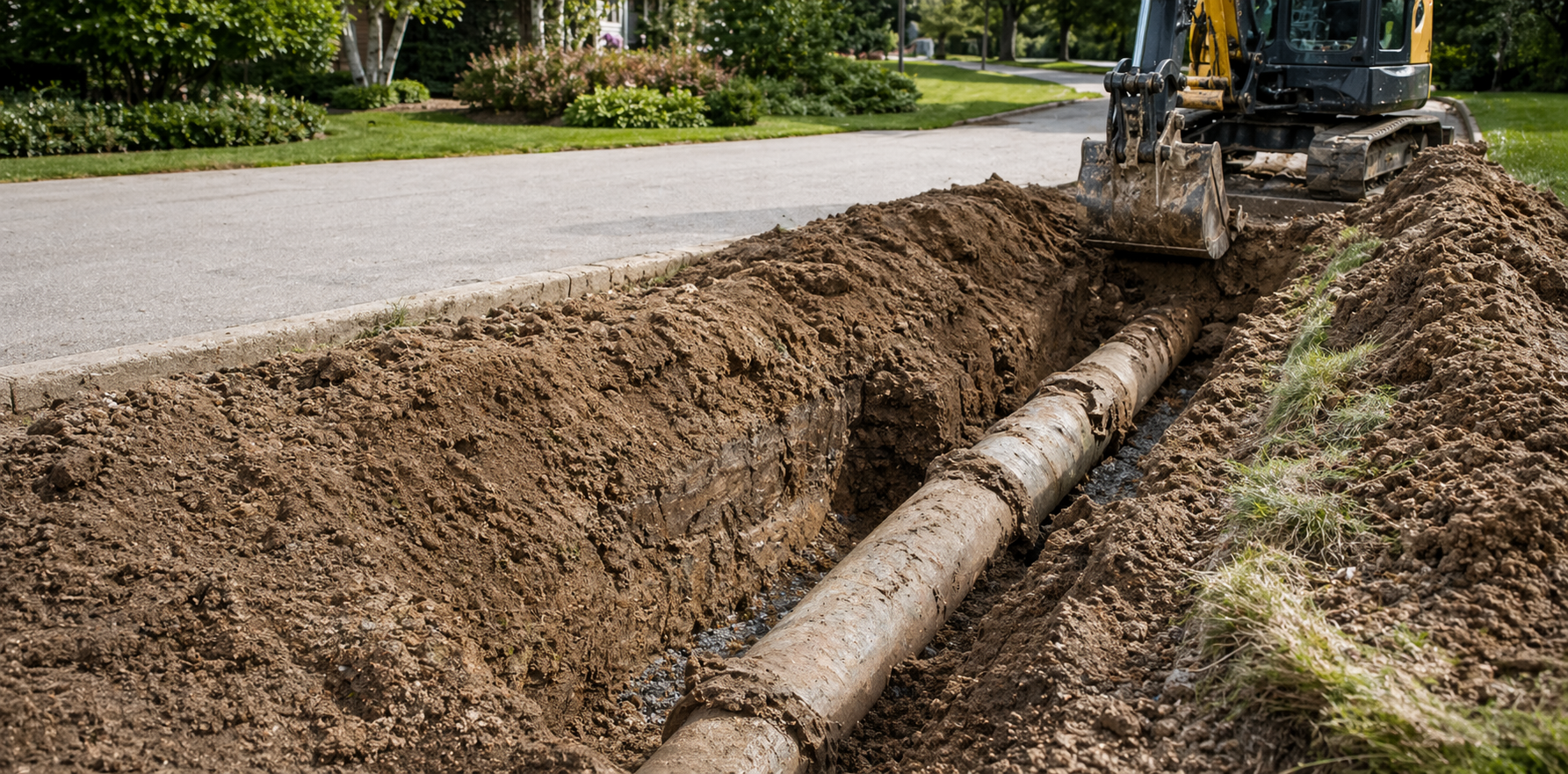
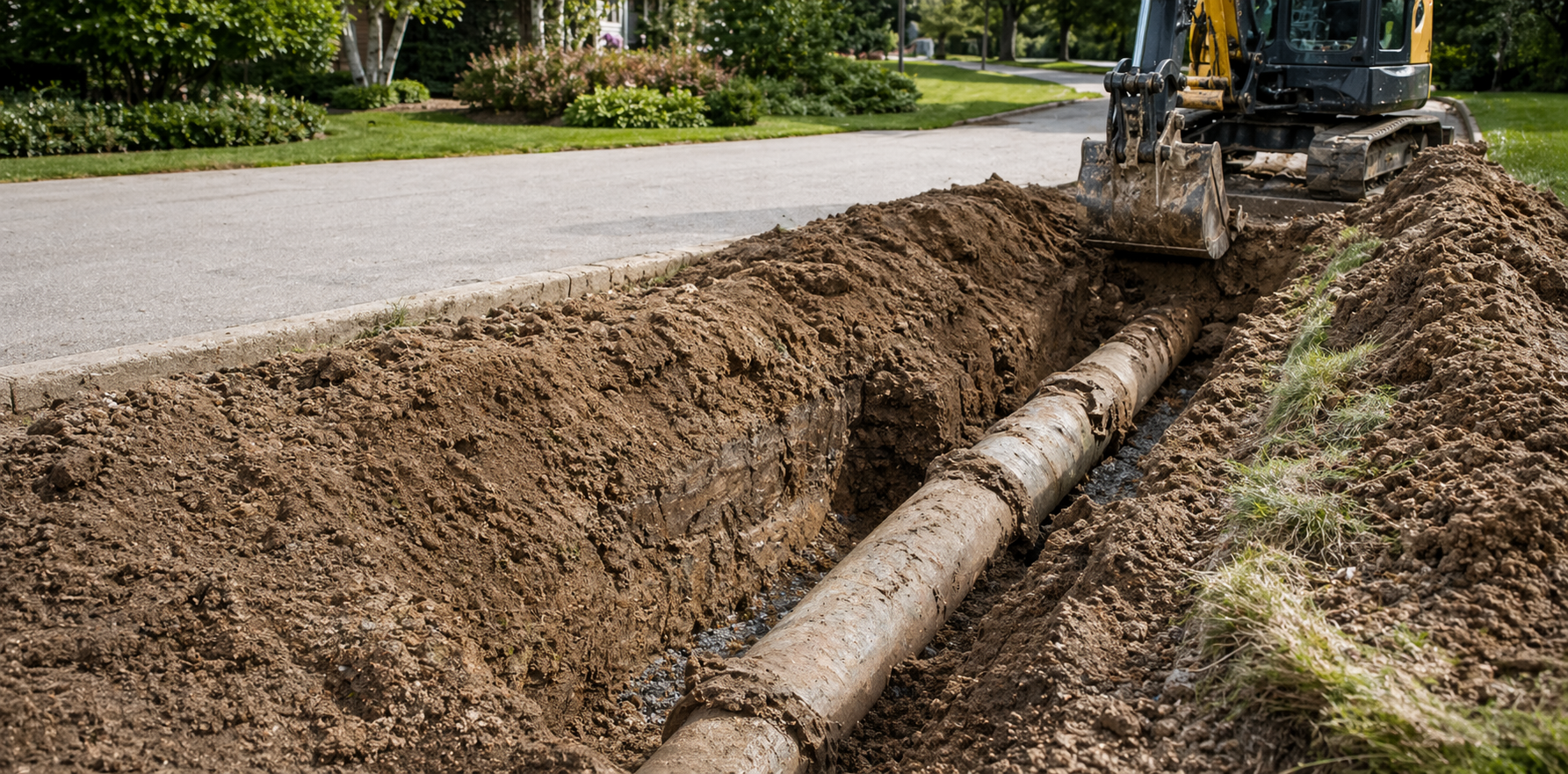
What to do: This requires excavation to expose the damaged section and replace the riser and/or fitting. The depth of the dig depends on how deep the fitting sits — typically 1 to 3 feet for a cleanout riser repair. The damaged section is cut out and replaced with new PVC pipe and fittings.

Small details often change the interpretation. Which fixture backed up first, whether more than one drain is affected, whether the problem returned after clearing, and whether there is odor or standing water all matter.

Use these notes to describe the issue clearly. A good description is often the difference between booking a narrow cleaning visit and starting with inspection or a broader sewer conversation.

  1. 5. No Cleanout at All The home was built without an exterior cleanout. This is most common in pre-1960 Northern Utah construction but can occur in homes from any era depending on the builder and the code enforcement at the time. Without a cleanout, every service visit requires accessing the main line through a toilet pull — removing and reinstalling the toilet to use the floor flange opening.
  2. What to do: Install a cleanout. This is the single best investment a homeowner without a cleanout can make for future sewer service. Installation requires excavating at the point where the sewer lateral exits the foundation, cutting into the main line, installing a wye or tee fitting with a vertical riser, and bringing the cap to grade level. It is a one-time job that makes every future cleaning, inspection, and emergency visit faster and less expensive.
  3. When Cleanout Repair Is Simple and When It Requires Excavation Simple repairs no digging required: i Replacing a broken, missing, or corroded cap — hand removal and replacement. ii Clearing debris or dirt from a shallow-buried cleanout that is only covered by a few inches of soil. iii Installing a riser extension on an existing cleanout that has settled below grade.
  4. Repairs that require excavation: i Replacing a cracked or separated riser — dig to the fitting depth, cut out damaged section, install new pipe. ii Replacing a failed fitting wye or tee at the main line connection — dig to the main line, replace the fitting, reconnect the riser. iii Installing a new cleanout where none exists — dig to the main line, cut in a new fitting, install riser and cap.
  5. Excavation depth for cleanout work is typically 1 to 3 feet — shallower than a full sewer line repair 3 to 5 feet because the cleanout fitting is usually positioned higher on the lateral than the main line's deepest point.
  6. Why a Working Cleanout Saves Money Every sewer service visit begins with accessing the line. The cleanout is the fastest, cheapest access method. Without it, the technician must use an alternate method — almost always a toilet pull — which adds:
  7. i Time: 20 to 45 minutes to remove and reinstall the toilet, including a new wax ring. ii Cost: The toilet pull adds scope to every visit. Over multiple service calls, the accumulated cost of alternate access exceeds the one-time cost of cleanout installation. iii Limitation: Accessing through a toilet flange provides a more indirect path into the main line compared to a cleanout. Camera and jetting equipment may not be able to reach the full length of the lateral or may have difficulty navigating the turns between the fixture and the main line.
  8. A working cleanout eliminates all three problems. The technician removes the cap, inserts equipment directly into the main line, and has a straight path to the full lateral. If your home does not have a cleanout and you have had even two sewer service visits in the past five years, installing one is likely to save you money on the next visit — and every visit after that.

How We Apply It

When you call Mountain West at 801-317-8104 or email [email protected] with a cleanout issue, here is what we can do.

This is where the article connects back to real service work. The point is not to turn every concern into the biggest possible job; it is to match the symptom pattern to the least confusing next step that can actually answer the question.

Tying the topic back to sewer cleanout repair keeps the advice grounded. The work should explain what was found, what is still uncertain, and why the recommended next step fits the evidence.

  1. Locate. If you cannot find your cleanout, we can locate it using a line locator or metal detector during a service visit. If it is buried, we can recommend how to bring it back to accessible grade.
  2. Assess. We inspect the cleanout — cap, riser, fitting, and connection to the main line — and tell you whether it is functional, needs minor repair cap replacement, cleaning, or needs excavation-level work riser replacement, fitting replacement, new installation.
  3. Repair or replace. We handle cap replacements, corroded cap removal, and riser repairs. For cleanout installation on homes that do not have one, we can evaluate the best location, discuss the scope, and either perform the work or connect you with the right contractor depending on the excavation requirements.
  4. Use it. Once the cleanout is functional, we use it for the service visit you called about — camera inspection up to 200 feet with live video, cable clearing 100+ feet, or hydro jetting 3,850 PSI / 8 GPM / 300 feet / 2 to 12 inch lines. A working cleanout means we can get into the line immediately and get you answers faster.
  5. Pricing. Cleanout repair and service visits are quoted based on the scope — cap replacement, riser repair, excavation, or full installation. Emergency and after-hours calls carry a 15 to 35 percent premium 25 percent standard. Call for a quote.

Common Questions

These follow-up questions turn the explanation into a practical decision tool. Definitions help, but the real value is knowing when the topic matters at a property.

For sewer cleanout repair topics, the best next questions connect the concept to symptoms, access, inspection, and the next service decision.

Where is my cleanout most likely located?

In most Northern Utah homes built after 1970, the cleanout is outside the house, within 2 to 5 feet of the foundation wall, on the side of the house facing the street. Look for a round PVC or ABS cap at ground level. Older homes may have the cleanout in the basement near where the sewer line exits through the foundation wall. If you cannot find one, it may be buried or your home may not have one — a technician can determine which during a service visit.

Can I replace a cleanout cap myself?

If the existing cap is simply broken or missing and the riser threads are intact, yes. Buy a threaded PVC cleanout cap matching the riser size usually 4 inches for a main line cleanout at a hardware store and screw it in by hand or with a wrench. If the threads are stripped, the cap is corroded and seized, or the riser itself is damaged, the repair is beyond a cap swap and should be handled by a technician.

How much does cleanout installation cost?

It varies by property. The main factors are how deep the sewer lateral is at the installation point, what surface is above the dig area grass vs. concrete vs. pavers, and how much pipe work is needed to install the wye fitting and riser. Mountain West does not publish fixed prices, but a cleanout installation is typically a fraction of the cost of a sewer line repair — and it pays for itself over subsequent service visits by eliminating the need for toilet pulls and indirect access.

Does plumbing code require a cleanout?

Utah has adopted the International Plumbing Code, which requires cleanouts on building sewers at specified intervals and at changes of direction. New construction includes cleanouts as part of the plumbing rough-in. Older homes built before the code was consistently enforced may not have one. There is no requirement to retroactively install a cleanout on an existing home, but it is one of the most practical upgrades a homeowner with an older house can make.

Should I locate my cleanout before calling for sewer service?

Yes — it saves time and can reduce the cost of the visit. If you know where the cleanout is, tell the technician when you call. If you are not sure, walk the perimeter of the house on the street side and look for a round plastic or brass cap at ground level near the foundation. If you find it, note the location. If you cannot find it, tell the technician that too — they will plan for alternate access or bring a locator.

Read This Next

These articles stay close to the same decision without repeating this one. Use them when the symptoms, timing, or service path points in a slightly different direction.

Sewer Cleaning

Sewer Line Cleaning Near Me: What the Service Involves and What to Expect

If you are searching for sewer line cleaning near me, you have probably already figured out the problem is in the main line — multiple drains slowing, backups through the lowest fixture, gurgling when other fixtures run. The next question is: what does the cleaning visit actually involve? This article walks you through the full process — how the technician accesses the line, what equipment is used, how different cleaning methods work, what you see on screen during the visit, and what the results mean for your next step.

Sewer Camera Inspection

Sewer Camera Inspection Near Me: What It Shows, When You Need One, and What It Costs

A sewer camera inspection is the most underused and most valuable service in residential drain and sewer work. It is the only way to see what is actually happening inside your sewer line — pipe material, condition, blockage type, root entry points, grade problems, and structural damage. Every other decision — whether to clean, how often to maintain, whether to repair or replace — is a guess without it. This article covers what the inspection shows, when you need one, what the process looks like, and what affects the cost.

Sewer Cleaning Frequency

Sewer Line Maintenance: How Often Should Your Sewer Line Be Cleaned?

How often should a sewer line be cleaned? Every residential sewer line falls into one of three risk tiers based on five factors: pipe age, pipe material, root exposure, grease load, and backup history. Each tier has a recommended interval. This article gives you the framework to identify your tier, the warning signs that mean "now" regardless of what the calendar says, and a walkthrough of what a sewer line maintenance visit actually involves.

Source Log

These sources were used for background, claim checking, or local context. The article explains the topic in Mountain West's own words and does not copy outside article structure or long passages.

U.S. Environmental Protection Agencyparaphrased

Sanitary Sewer Overflows (SSOs)

Supports: Sanitary sewer overflows can back up into buildings, damage property, and create public-health concerns; sewer systems carry domestic and commercial wastewater to treatment facilities.

U.S. Environmental Protection Agencyparaphrased

Sanitary Sewer Overflow Frequent Questions

Supports: Common sewer blockage contributors include fats, oils and grease, wipes and other non-flushable products, roots entering defects, sediment, and other materials.

Ogden Cityparaphrased

Sewer Utility Information

Supports: Local Utah utility guidance can make the private-lateral responsibility clear: property owners may be responsible for maintenance and repair from the home to the city main, including tap connection, depending on jurisdiction.

Manual review note: Local ownership rules vary by city and utility. Treat this as regional context, not legal advice for every property.

Utah Plumbing Code 2018 International Plumbing Code as adopted by Utahparaphrased

Sanitary Drainage Chapter 7

Supports: Building sewers must conform to approved standards for ABS, cast-iron, copper, PVC, or polypropylene pipe. Every building with plumbing fixtures must connect to a public sewer or approved private sewage disposal system.

Utah Department of Environmental Qualitybackground

Wastewater Programs

Supports: Utah wastewater programs cover municipal wastewater planning, onsite wastewater systems, operating permits, and related design requirements, reinforcing that drain and sewer issues connect to regulated infrastructure.

Related Next Steps

Next StepSewer Cleanout RepairGo here if sewer cleanout repair points toward structural sewer repair instead of another cleaning-only visit.Next StepSewer Line Repair And ReplacementGo here if sewer cleanout repair points toward structural sewer repair instead of another cleaning-only visit.Next StepGet A Free QuoteStart a free quote if you want service-fit or pricing guidance after this article.Next StepRead BlogCompare adjacent articles around sewer cleanout repair before you choose the next path.

More for You

Follow-up blog articles chosen for this page so the next question stays close to the same decision path.

Sewer Line Repair Near Me: What to Expect From Start to Finish article image for Sewer Line Repair And Replacement.Blog ArticleSewer Line Repair Near Me: What to Expect From Start to FinishOpen this if you want the sewer line repair and replacement side of the decision next.Sewer Line Repair vs. Sewer Line Replacement: How to Decide Based on What the Camera Shows article image for Sewer Line Repair And Replacement.Blog ArticleSewer Line Repair vs. Sewer Line Replacement: How to Decide Based on What the Camera ShowsOpen this if you want the sewer line repair and replacement side of the decision next.Sewer Line Repair: What the Job Involves and What Drives the Cost article image for Sewer Line Repair And Replacement.Blog ArticleSewer Line Repair: What the Job Involves and What Drives the CostOpen this if you want the sewer line repair and replacement side of the decision next.Sewer Line Repair: Warning Signs Your Pipe Needs More Than Cleaning article image for Sewer Line Repair And Replacement.Blog ArticleSewer Line Repair: Warning Signs Your Pipe Needs More Than CleaningOpen this if you want the sewer line repair and replacement side of the decision next.

Quick Answers About Sewer Cleanout: What It Is, Where to Find Yours, and What to Do When It Is Damaged

These are the quick answers most people want before they call, book, or decide on the next step.

What is this article about?

A sewer cleanout is a capped pipe that provides direct access to your main sewer line. It is how technicians get a camera, cable, or jetting hose into the pipe without removing fixtures or cutting into walls. When the cleanout is accessible and functional, sewer cleaning, camera inspection, and emergency service are straightforward. When it is damaged, buried, or missing, every service visit takes longer, costs more, and may require accessing the line through a toilet pull — removing and reinstalling a toilet to use the floor flange as an entry point. This article covers what a cleanout is, where to find yours, what goes wrong with them, and what to do about it. It connects the topic back to sewer cleanout repair when readers are trying to decide on the right next move.

Who is this article best for?

Most homeowners have never thought about their cleanout until a technician asks where it is — or tells them it is damaged. Then it suddenly matters a lot, because the cleanout is the door to the sewer line. Without it, the technician has to find another way in. It is most useful for readers trying to understand the issue before they book, compare services, or decide whether the symptoms point to a bigger sewer or drain problem.

What should I do after reading this article?

If the issue sounds familiar, the usual next step is to review the sewer cleanout repair page or compare it with sewer line repair and replacement before deciding whether to request a quote, book service, or call for faster guidance.

How can I reach Mountain West?

Mountain West Hydro Jetting serves Northern Utah and the Salt Lake corridor. You can reach us at 801-317-8104 or [email protected].