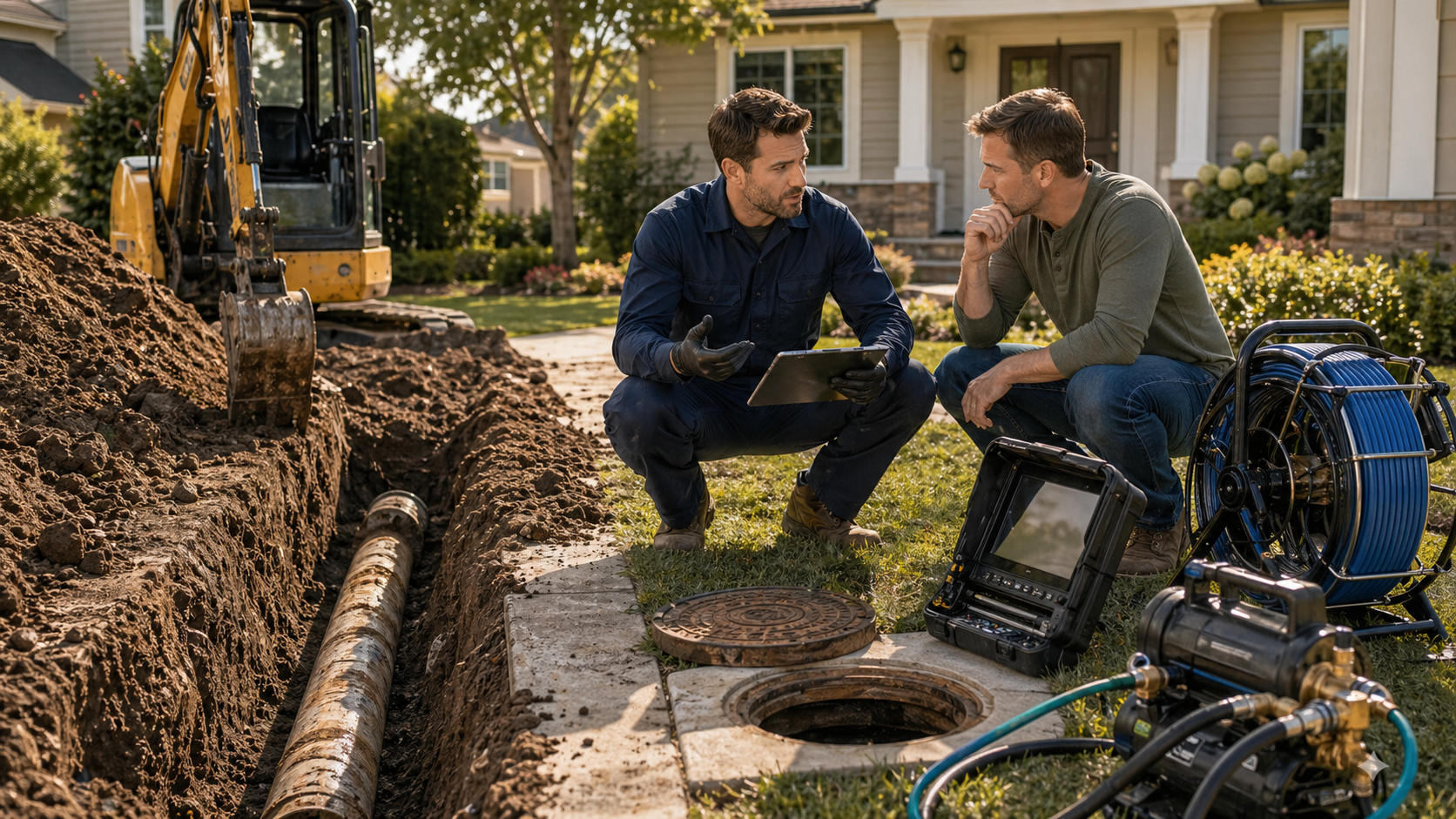
Every sewer line excavation starts with the camera. The footage from the sewer inspection identifies the location, depth, and nature of the pipe damage - and confirms that the damage requires direct physical access rather than a trenchless repair or a cleaning-based solution. The camera's distance measurement, combined with the known lateral route, determines where on the property surface the dig needs to happen. Without camera confirmation, the excavation is a guess - and guessing means a bigger dig, more disruption, and the risk of opening the ground in the wrong location.
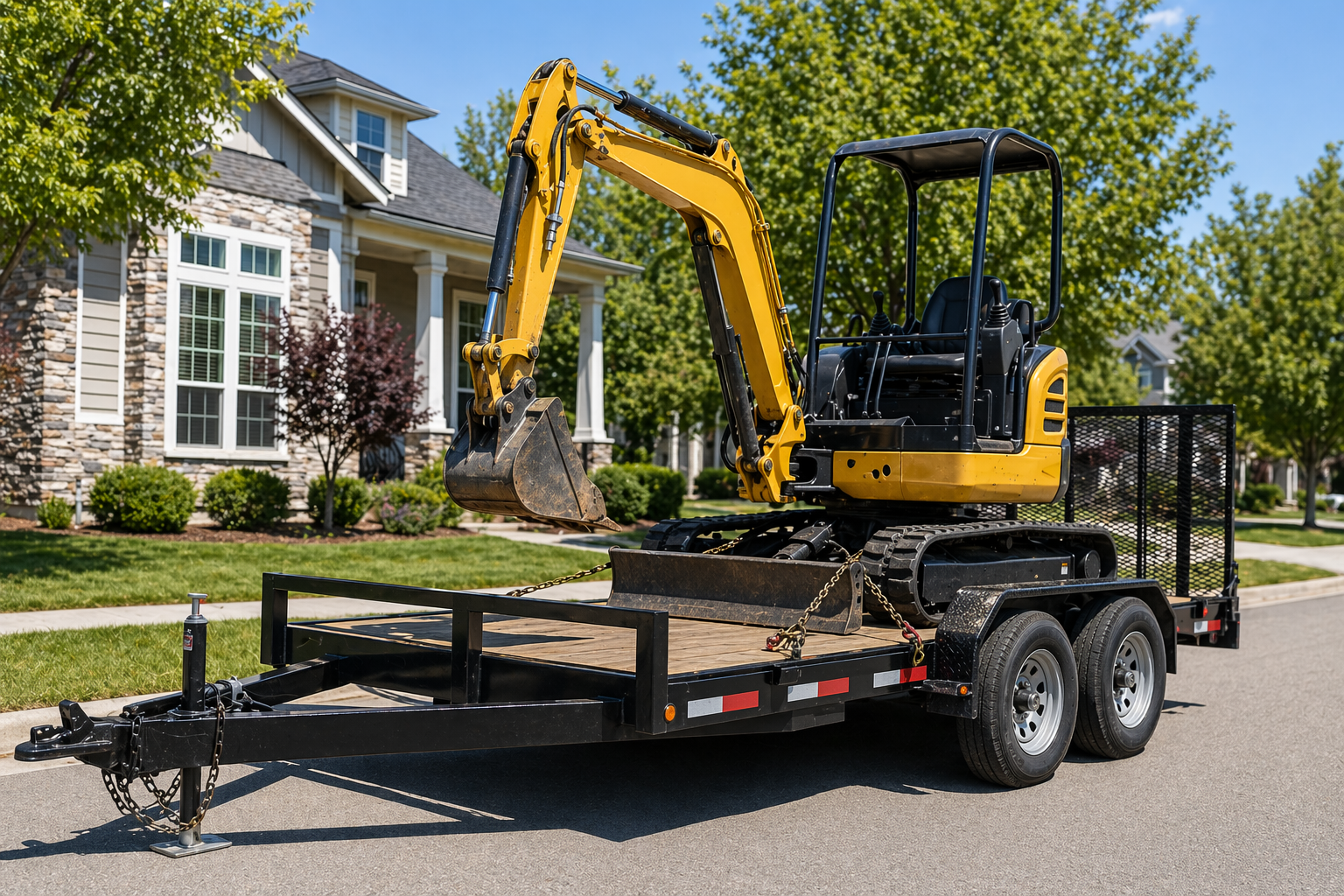
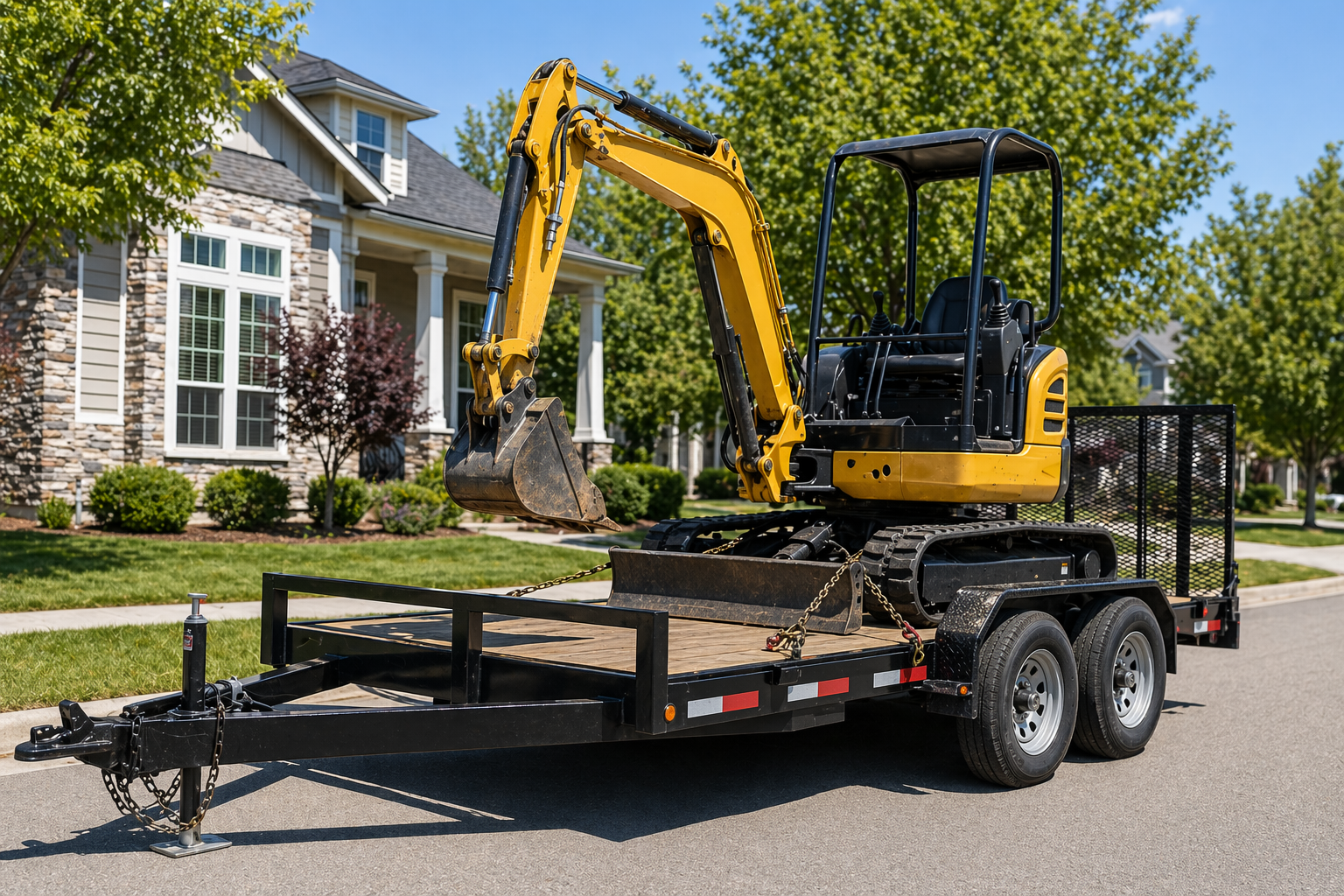
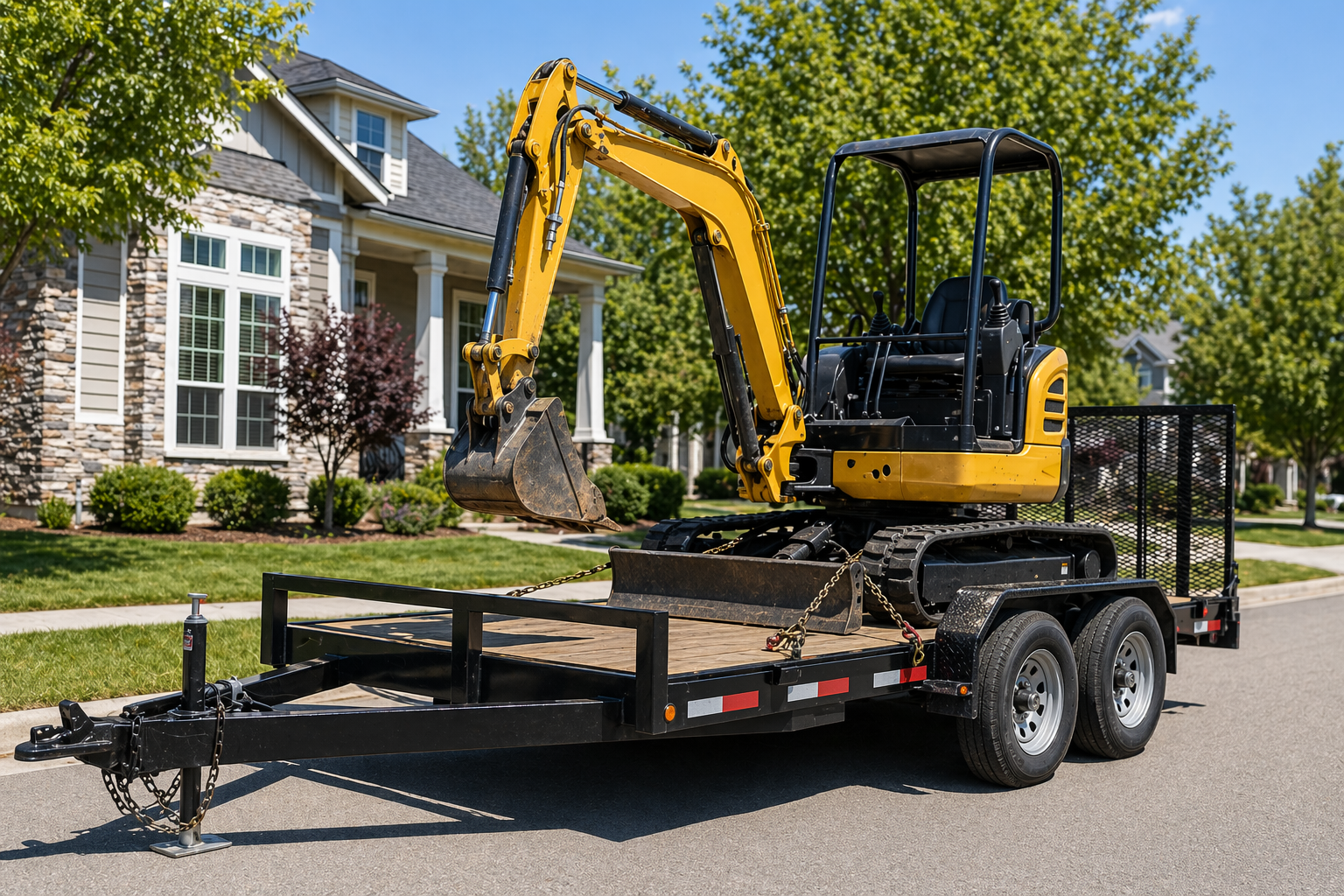
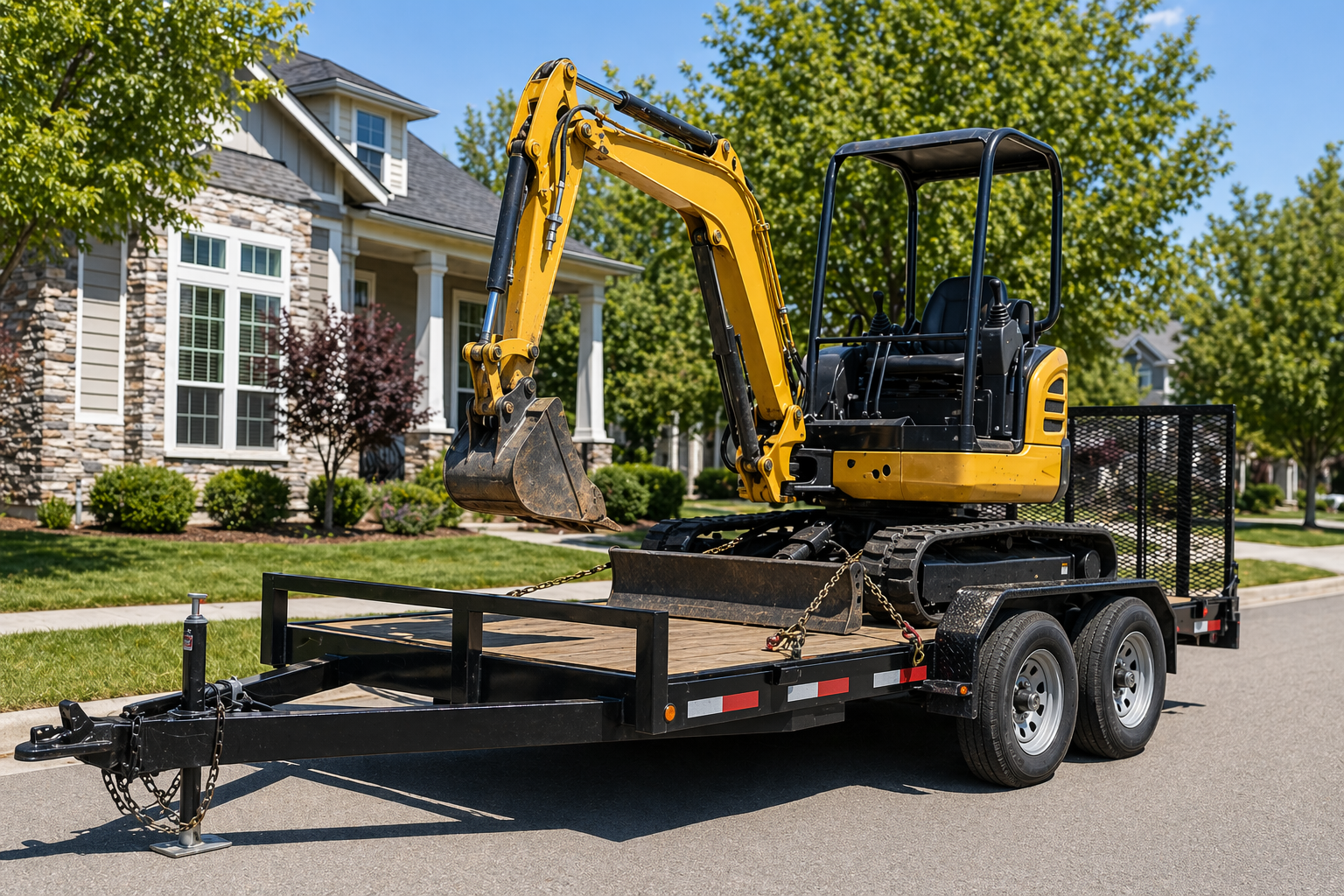
Before the dig starts, utilities in the excavation zone are located through 811/Blue Stakes. Public infrastructure - gas, water, electrical, telecom - is marked so the crew knows where those lines sit before any digging begins. Private improvements - irrigation, sprinkler systems, landscape lighting, anything the property owner installed - are not covered by 811 and must be identified by the owner. Once the utilities are clear, the surface is prepared: sod is removed, landscaping is pulled back, hardscape is cut if necessary. The ground is excavated in controlled layers to the pipe depth, and a working space is created that gives the crew safe access to the damaged section.
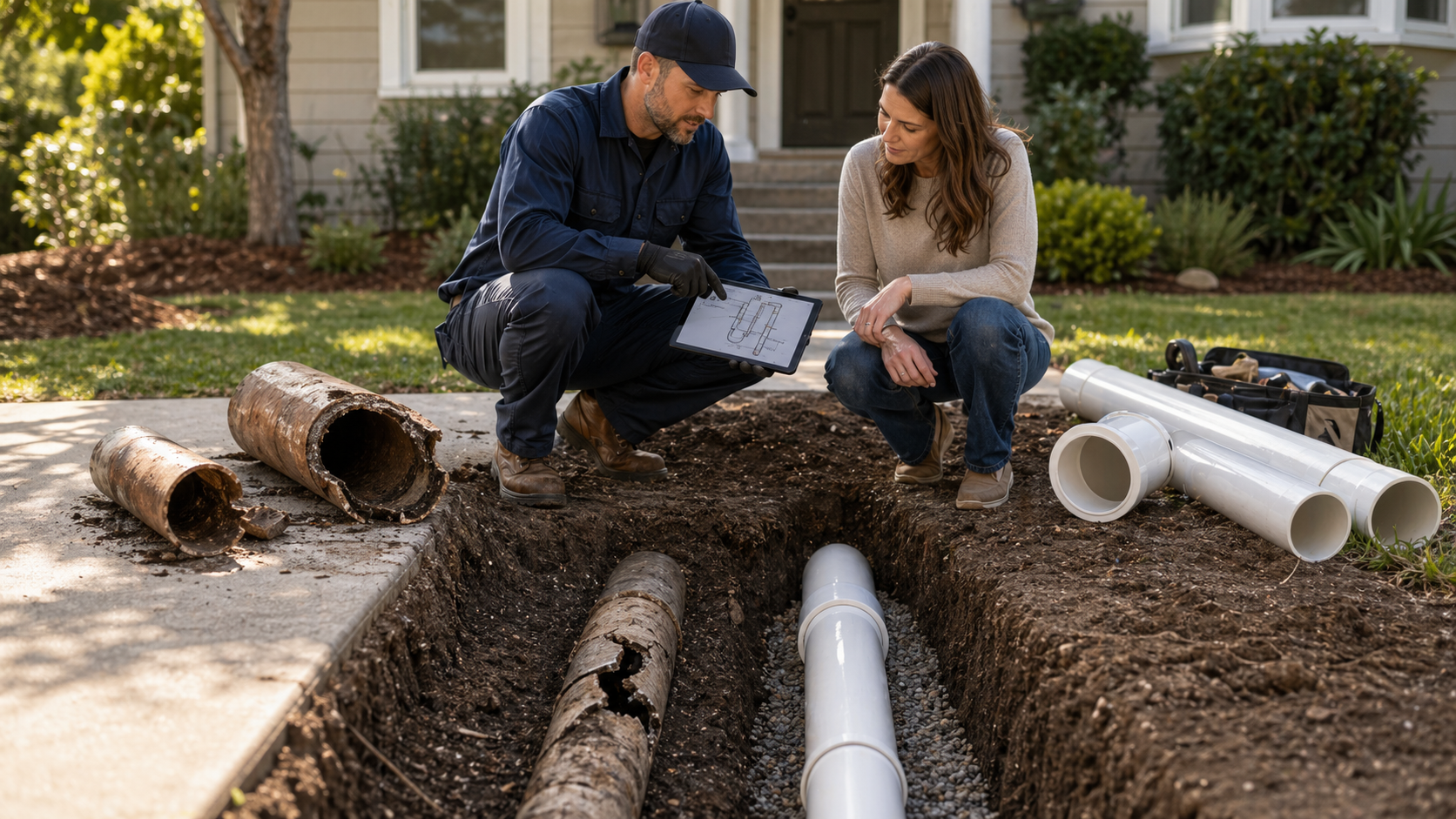
The sewer repair is performed in the exposed working area - the failed pipe section is cut out and replaced with new pipe and fittings. The camera re-enters the line to verify the new pipe is connected, aligned, and flowing before the trench is closed. Backfill goes in compacted layers to prevent future settling. The surface is restored - regraded, sodded, re-landscaped, or patched depending on what was removed to reach the pipe. The project is complete when the sewer is repaired, the camera has verified the work, the trench is stable, and the property surface is put back together.