Negs
Very professional and arrived fast. Would recommend to everyone. If I could give them 10 stars I would!
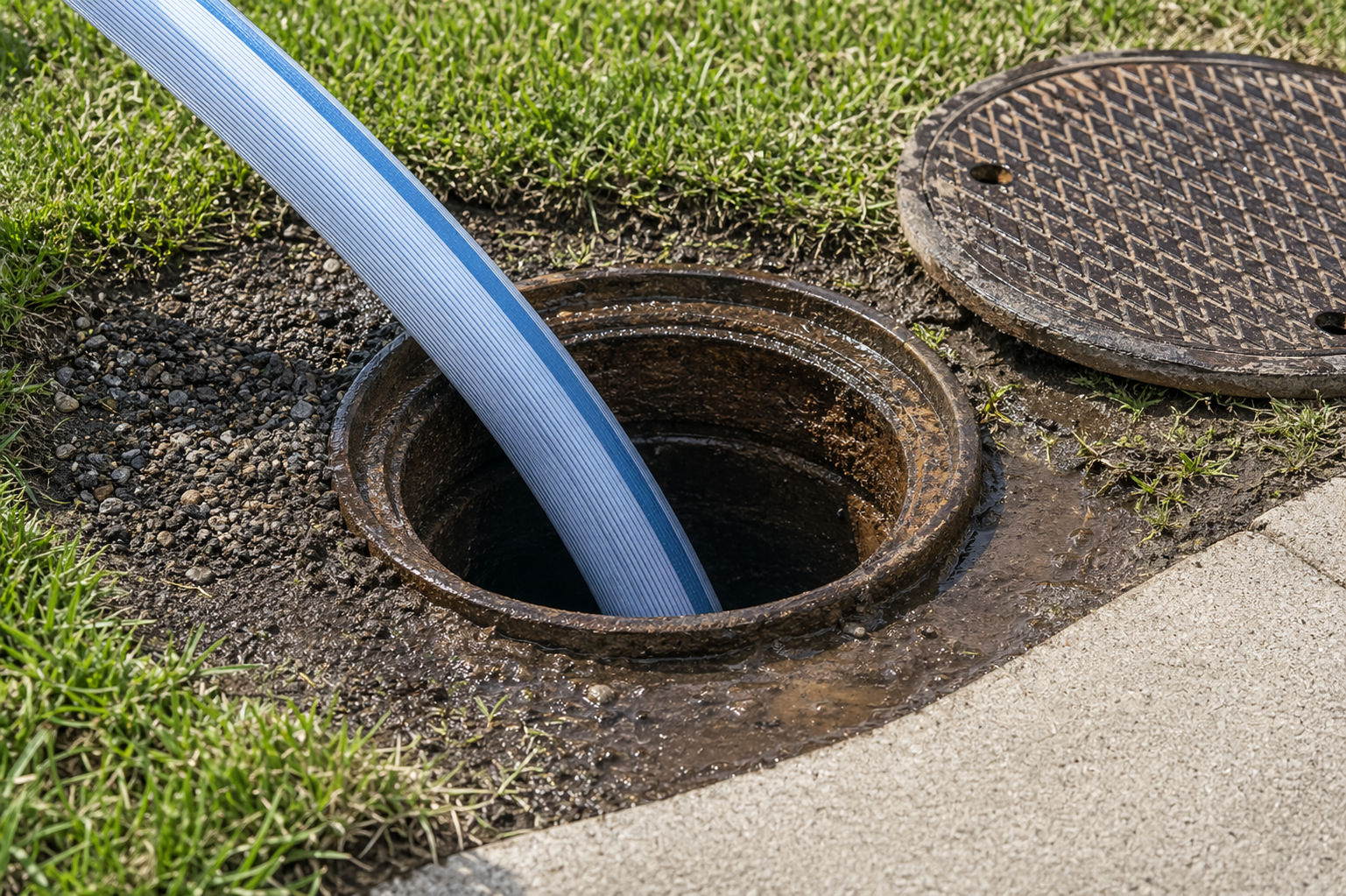
Pipe lining repairs a damaged sewer pipe from the inside - a resin-coated liner is inserted through the cleanout, expanded against the pipe walls, and cured into a rigid new surface. No trench. No excavation. The pipe has to qualify, and the camera inspection determines whether it does.
What you are seeing
The sewer line has cracks, loose joints, or root intrusion that cleaning cannot permanently fix - but the pipe is not collapsed. It is not crushed. It is still holding its shape. You have been told lining might be an option, or you found the term while researching ways to fix the pipe without digging up the yard.
Pipe lining is the repair method that works from inside the pipe. A flexible liner coated in resin goes in through the cleanout, gets pressed against the pipe walls, and hardens into a new inner surface that seals every crack and joint it covers.
When lining applies
Sewer pipe lining applies when the existing pipe has defects - cracks, separated joints, root entry points, minor infiltration - but the walls are still structurally intact. The liner bonds to the inside of the pipe and becomes the new working surface. The old pipe stays in the ground and serves as the host.
If the pipe is collapsed, severely deformed, or has lost its round shape, lining will not work - the liner needs intact walls to bond against. The camera inspection shows whether the pipe meets the criteria before any commitment is made.
What you walk away with
You walk away with a smooth, jointless liner inside the sewer pipe - sealing every crack, bridging every joint gap, and blocking every root entry point it covers. No trench was dug. No driveway was cut. No landscaping was removed. The camera documents the completed liner from end to end, and you see the footage before the crew leaves.
Problem
There is a gap between "the pipe just needs cleaning" and "the pipe needs to come out of the ground." Pipe lining sits in that gap - a structural repair for pipes that are damaged but not destroyed.
Most sewer pipes do not fail all at once. They develop cracks at stress points. Joints loosen as soil settles around them over decades. Roots find those gaps and grow through. Groundwater infiltrates where the seal has broken. Each of these problems causes symptoms that look like blockages - slow drains, recurring backups, gurgling - but cleaning only clears what has accumulated in the pipe. It does not fix the crack that let it accumulate in the first place. Pipe lining fixes those entry points from the inside. A flexible tube - made of felt or fiberglass and saturated with resin - is fed into the pipe through the cleanout. Once positioned inside the damaged section, it is inflated against the pipe walls so the resin contacts every surface. Then it cures. Depending on the system, curing happens with hot water, steam, UV light, or ambient air temperature. As the resin hardens, the liner becomes a rigid tube bonded to the inside of the old pipe. The result is a new pipe wall - smooth, seamless, jointless - formed inside the existing one. The liner seals every crack it covers. It bridges every joint separation. It blocks every root entry point. And because the liner has no joints of its own, there are no future entry points for roots to exploit. The old pipe stays in the ground as a structural host. The liner becomes the working surface that carries the flow.
Solution
Pipe lining starts with jetting the sewer line clean. The camera cannot assess lining viability through debris, roots, or buildup - it needs to see the bare pipe walls. After jetting, the camera runs the full line and documents the internal condition: pipe roundness, wall integrity, joint alignment, crack locations, and any condition that would prevent the liner from seating properly.
If the pipe qualifies, the liner is prepared. The resin-saturated tube is cut to the length of the section being lined and calibrated to the pipe's internal diameter. It enters through the cleanout - no excavation needed at the entry point - and is positioned inside the damaged section. Once in place, the liner is inflated against the pipe walls using air pressure, pushing the resin into full contact with every surface. Then the curing process begins.
Curing transforms the flexible, resin-wet liner into a rigid structural tube. The timeframe depends on the curing method - heat-based systems hot water or steam cure in hours, UV-cured systems cure faster, and ambient-cure systems take longer but require less equipment. Once cured, the liner is a permanent part of the pipe. The camera runs the lined section again to verify full contact with the pipe walls, uniform curing, and complete coverage of the damaged area. That post-lining footage is the proof that the repair is sound.
Fit and situation bullets
Problem bullets
Customer Feedback
See what customers say after pipe lining — from the camera findings that confirmed lining was the right method to the clear recommendation on expected lifespan, outcome, and verified condition of the lined section.
Leave a Review!These guys are great! I run a plumbing company but don’t do drains. I often sub contract them to service my customers sewer lines. They don’t only make me happy, but they keep my customers happy and that’s what matters to me most. Thanks guys!
Amazing experience! They are knowledgeable, kind, courteous and very thorough. Our clogged kitchen pipe was a bit of a challenge but they kept going and did everything they could to get it unclogged and they did it! They were very upfront with what caused the clog, gave us video recording of our pipes so we can see exactly what was done, double checked to make sure the pipes were clean and free of clogs and gave us steps on how to maintain the pipes moving forward. Highly recommend!!
This company is Awesome!!! Highly recommend that you call them for your drain cleaning and power washing needs! A++ in service, cost, and quality of work. Alex and Jacob completed drain work, patio cleaning, and filled in cracks in cement. The patio looks brand new! Thank you Alex and Jacob!!!
Alex was very good to work with. They were professional and punctual, working around my schedule. They were able to show me exactly before and after, even showing footage inside my pipes, which I have never seen before. I would recommend them.
Awesome experience! AJ was super professional and got us back in service. They offered us a few solutions and cleared our clogged sewer line for an excellent price
Very professional and arrived fast. Would recommend to everyone. If I could give them 10 stars I would!
Very pleased by my wonderful experience with this company and their service. They were very efficient and fast with their time. I appreciate their professionalism and commitment to the work they did for me!
Why Mountain West
Camera rated to 200 feet
Documents the full sewer line to assess lining viability - pipe roundness, wall integrity, joint alignment, and every condition that determines whether a liner will bond properly. Post-lining camera pass verifies full contact, uniform curing, and complete coverage.
Jetting and camera on every call
Hydro jetting equipment deploys on every service call. The pipe must be jetted clean before the camera can assess lining candidacy - residue, roots, and buildup mask the actual wall condition. Jetting and camera happen in the same visit so the assessment is based on clean pipe walls.
3,850 PSI jetting capability
Clears lines 2 to 12 inches in diameter at 3,850 PSI and 8 GPM with 300 feet of reach. Thorough cleaning before the camera pass is critical for lining assessment - the camera needs to see bare pipe walls, not the aftermath of the last backup.
20+ years combined field experience
Two decades evaluating sewer lines for trenchless viability - the judgment to know when lining fits, when the pipe has crossed into bursting or replacement territory, and when the honest recommendation is conventional excavation even though lining would be easier to sell.
Licensed and insured
Licensed for sewer, drain, and drainage system work covering trenchless rehabilitation, conventional excavation, and full replacement. If the pipe does not qualify for lining, Mountain West handles the alternative under the same license.
Every pipe lining job follows the same sequence: clean the pipe, camera-assess for lining viability, install the liner, cure it, and verify the result.
You leave the visit with a camera-verified structural liner inside the pipe, footage showing full coverage and proper cure, no trench in the yard, and a clear understanding of what the liner sealed and what the rest of the line looks like.
Lining is one trenchless method - specifically the repair method that works from inside the existing pipe. If the pipe is too damaged for a liner to bond to, or if the line needs full replacement rather than internal rehabilitation, these services cover the next decisions.
Evidence
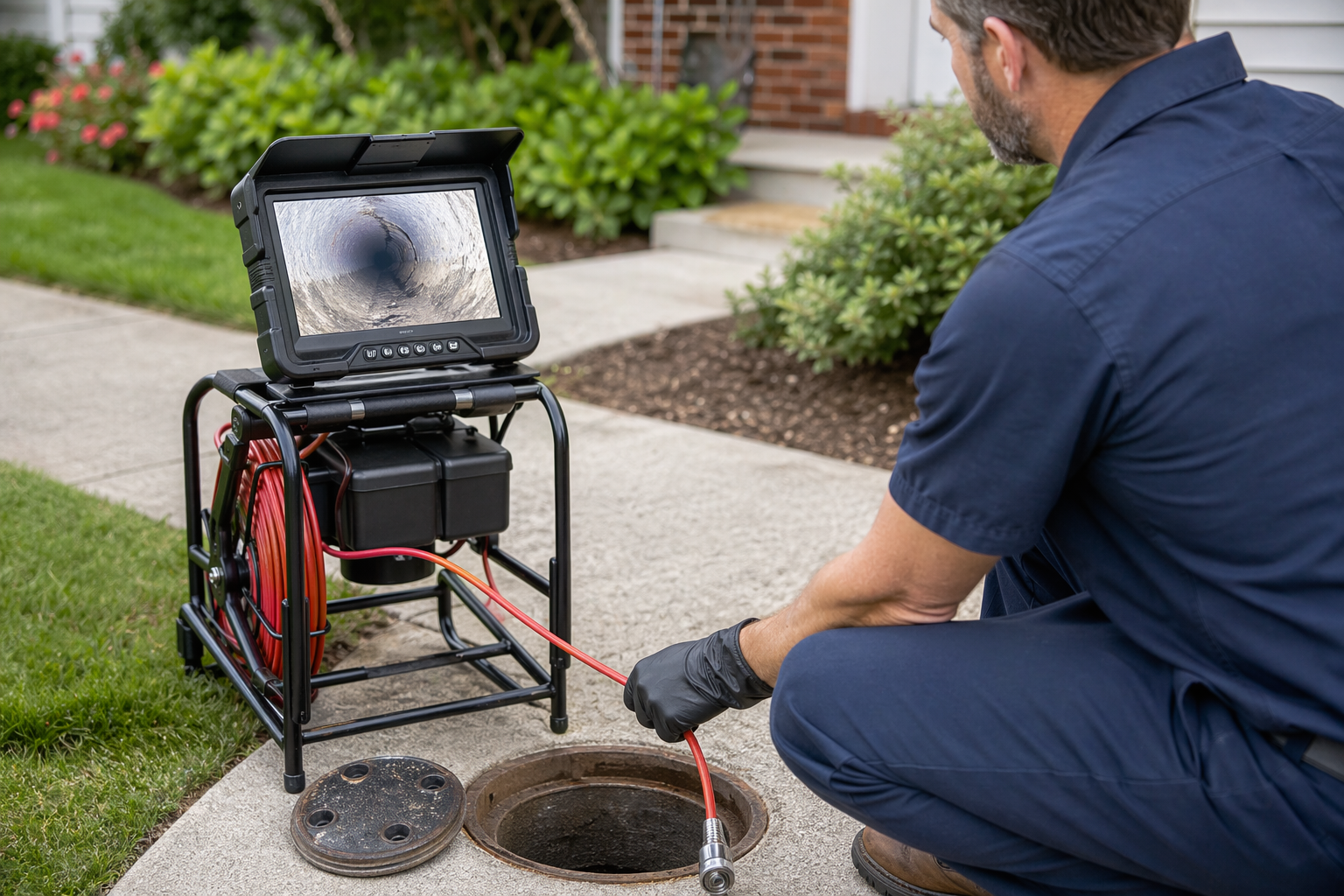 Next Service RouteSewer Camera InspectionIf no camera has been run yet, start here. Sewer camera inspection documents the pipe condition that determines whether lining, pipe bursting, or conventional replacement is the right method - the assessment that has to happen before any trenchless decision.
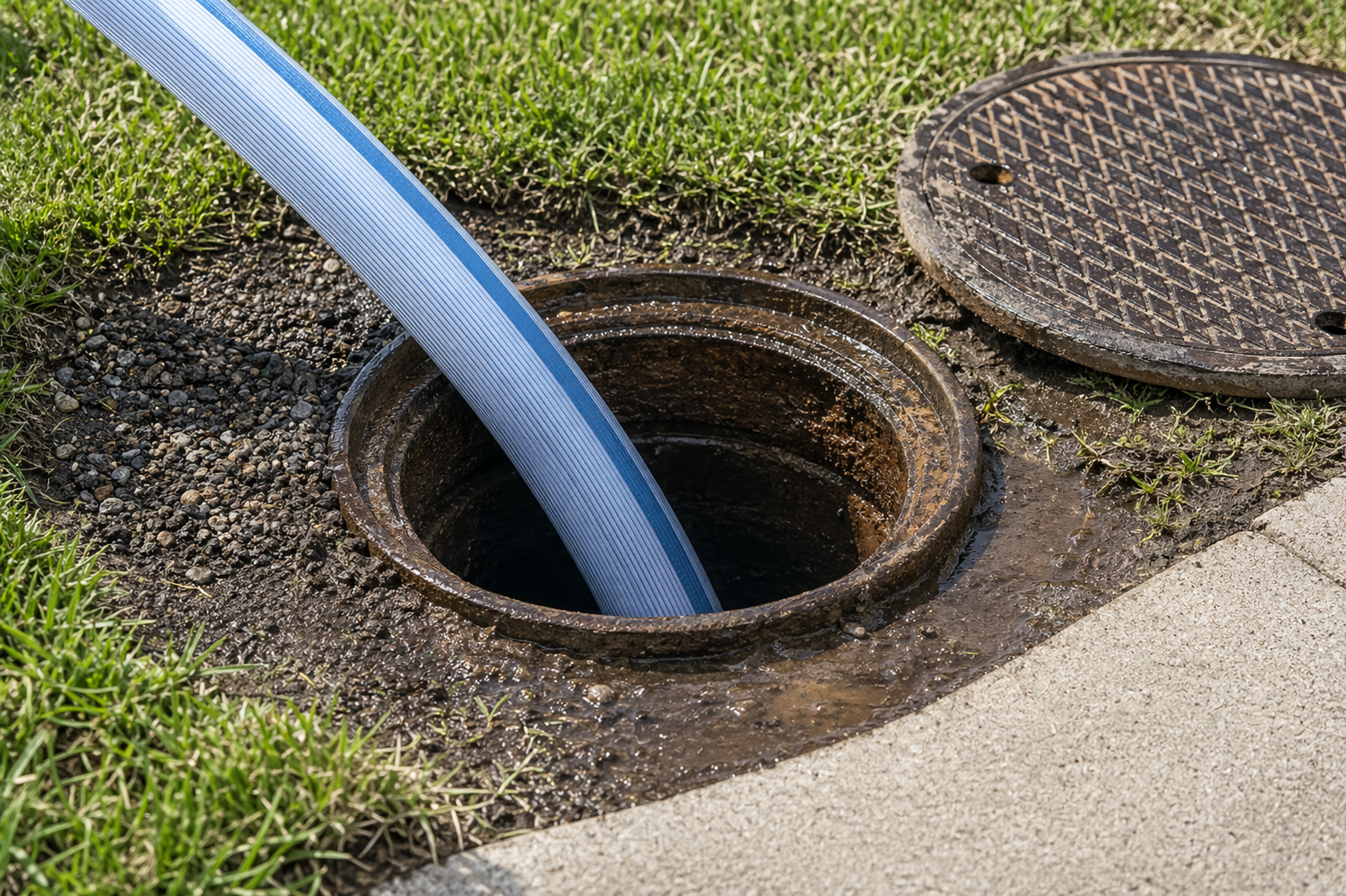 Next Service RoutePipe BurstingPipe bursting applies when the pipe is too damaged for lining - collapsed, severely deteriorated, or unable to serve as a host. Bursting destroys the old pipe from inside and pulls a new HDPE line through the same path. It is the trenchless replacement method when lining is not enough.
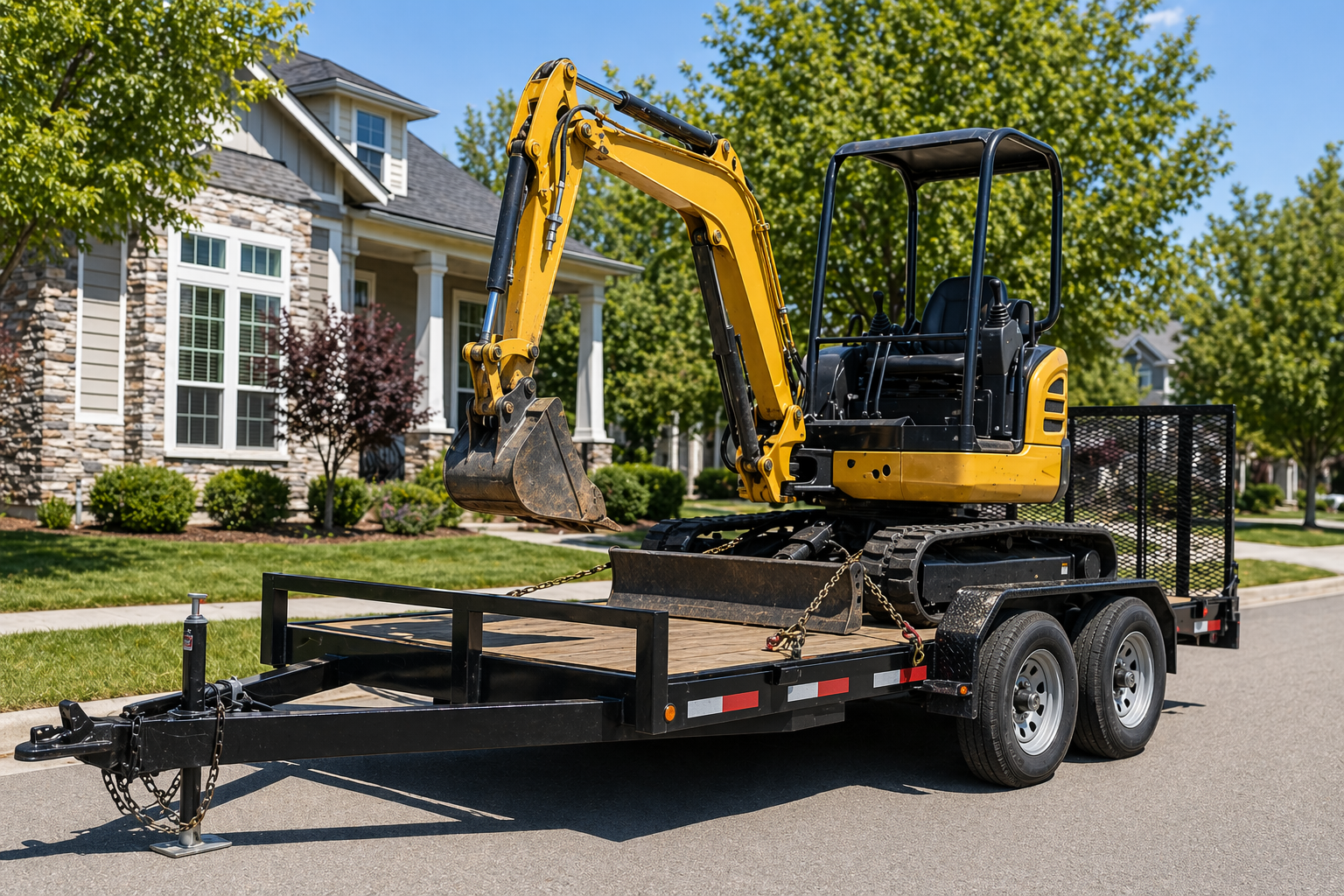 Next Service RouteSewer ExcavationSewer excavation for pipes that do not qualify for any trenchless method - fully collapsed, severely offset, or damaged in ways that require physically accessing the pipe from above to remove and replace it.
Scope and timing
Cost
Support
These are the quick answers most people want before they call, book, or decide on the next step.
Pipe lining is a trenchless sewer repair method that installs a new structural surface inside the existing pipe without excavation. A resin-saturated flexible liner is inserted through the cleanout, positioned inside the damaged section, inflated against the pipe walls, and cured into a rigid tube. The cured liner seals cracks, bridges joint separations, and blocks root entry points - creating a smooth, jointless pipe wall inside the old one. The existing pipe stays in the ground as a host.
A sewer camera inspection after jetting determines whether the pipe qualifies. The pipe must be holding its round shape with walls intact enough for the liner to bond against. Pipes with cracks, joint deterioration, and root entry points are typical lining candidates. Pipes that are collapsed, crushed, severely deformed, or have major bellies or offsets typically do not qualify because the liner cannot inflate into a proper shape against compromised walls.
Sewer pipe lining cost depends on the linear footage being lined, the pipe diameter, the prep work required, and whether a partial section or the full run is being treated. Lining typically costs more per foot than a conventional spot repair but eliminates excavation and surface restoration - making it the less expensive total option on lines under driveways, patios, or established landscaping. Mountain West provides a scope and estimate after the camera inspection confirms lining viability.
Most residential pipe lining jobs are completed in one day. The sewer line is jetted, the camera assesses lining viability, the liner is prepared and installed, and the curing process begins - all in a single visit on straightforward lines. Lines that need extensive prep work heavy root removal, descaling may require a separate cleaning visit before the lining crew returns. Curing time depends on the method: heat and UV systems cure in hours, ambient systems take longer.
Related Reading
These follow-up reads stay close to this service and answer the pricing, warning-sign, process, and comparison questions that usually come next.
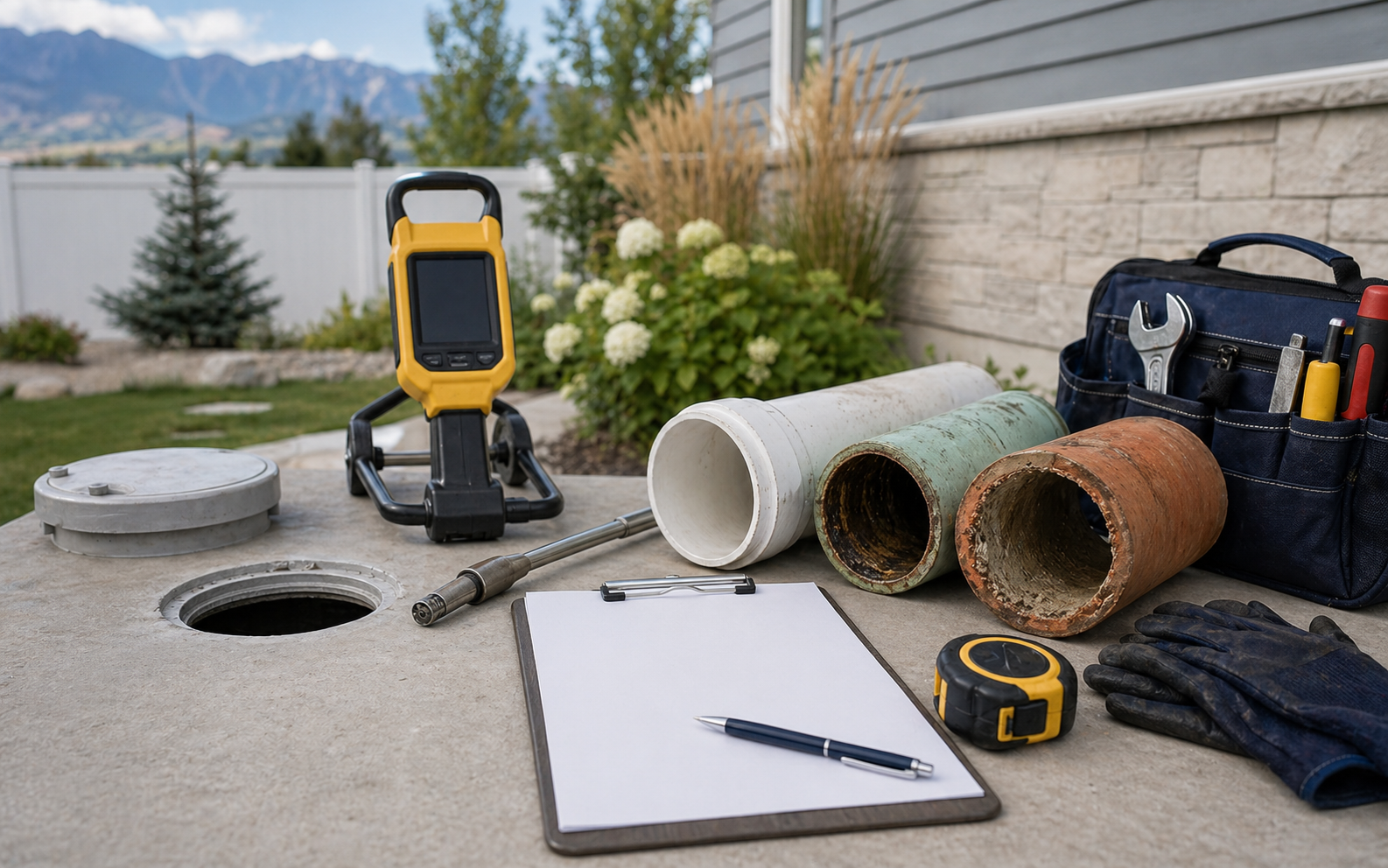
Cost Question
Covers the cost variables across sewer repair methods - including how pipe lining compares to conventional excavation when surface restoration costs are factored into the total.
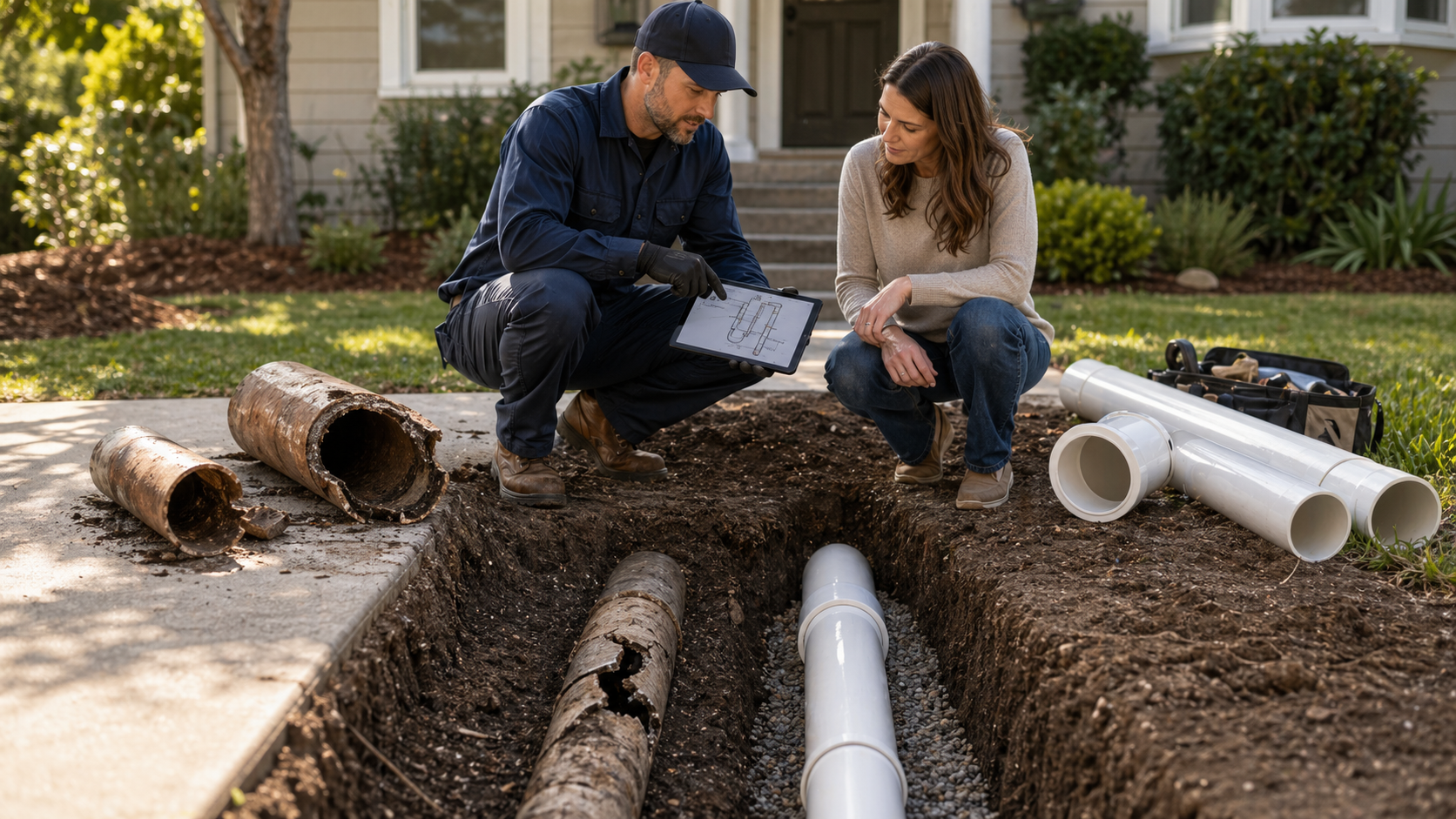
Compare Options
Breaks down the tradeoffs between trenchless methods lining, pipe bursting and dig-and-replace - when each approach fits and what drives the decision between them.
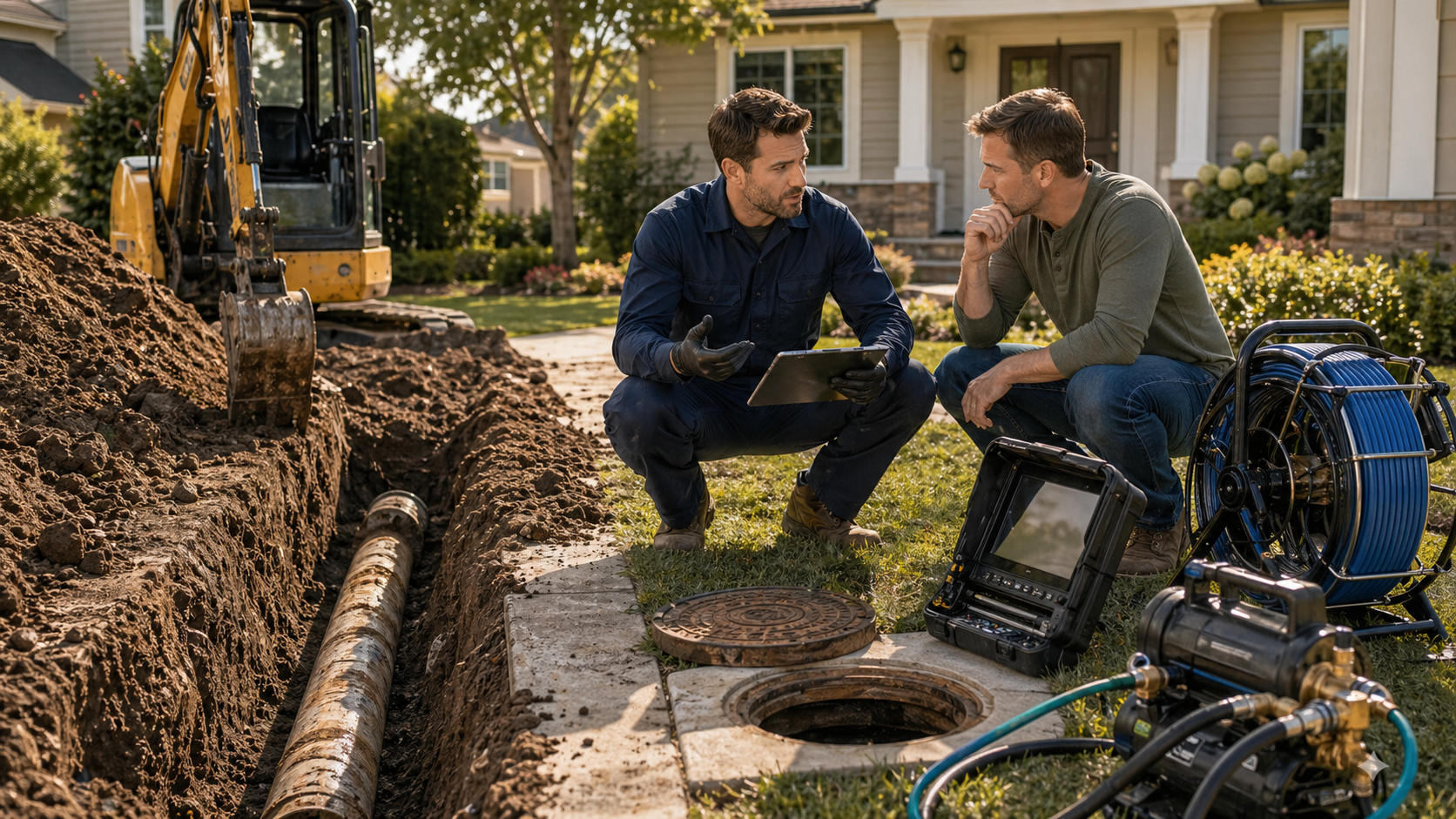
Service Explainer
Explains the conditions that move a sewer repair from trenchless to excavation - what the camera has to show before digging becomes the only path forward.