
Negs
Very professional and arrived fast. Would recommend to everyone. If I could give them 10 stars I would!
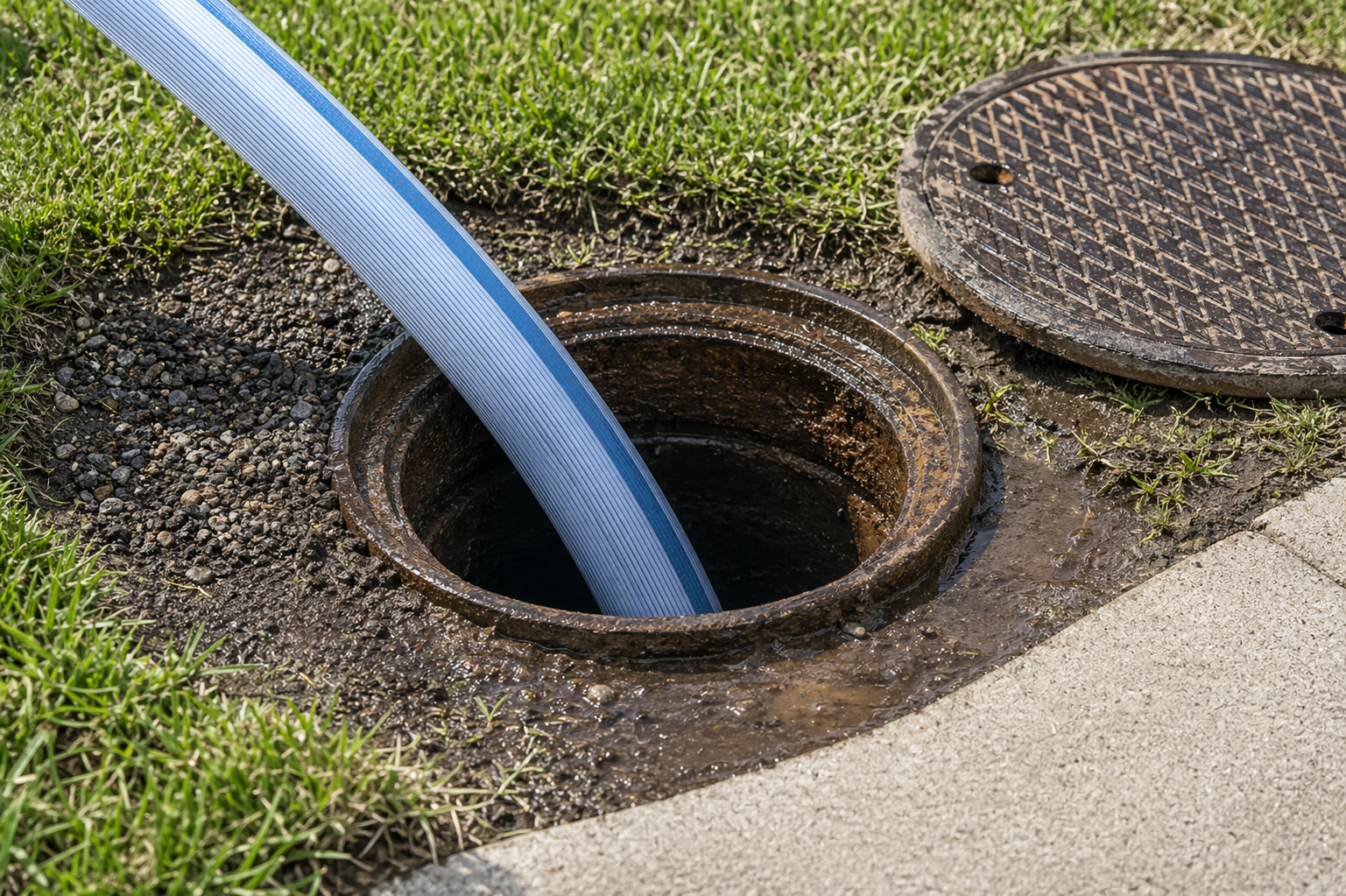
Trenchless sewer replacement installs a completely new sewer line in the path of the old one - without digging a trench across the property. The primary method is pipe bursting: the old pipe is fractured outward from inside while new HDPE pipe is pulled into position behind it. Two access pits. No open trench. New pipe from end to end.
What you are seeing
The sewer line needs to come out. The camera shows too much damage for lining - the pipe is collapsed in sections, corroded through the walls, or deteriorated at so many points that internal repair is not a realistic option. Replacement is the answer. The question you are asking now is whether that replacement requires trenching the full length of the yard.
Trenchless sewer replacement answers that question. When the pipe path is navigable, the old pipe can be destroyed from inside and a new pipe pulled into place - same path, no trench, new line.
When trenchless replacement applies
Trenchless sewer line replacement applies when the damage is beyond what a liner can fix. Lining rehabilitates an existing pipe from the inside - the pipe stays in the ground. Replacement removes the old pipe entirely and installs a new one. Trenchless replacement does this through the existing pipe path using pipe bursting, avoiding the open trench that conventional replacement requires.
The pipe path has to be navigable - clear enough for the bursting head to travel from one end to the other. The camera inspection determines whether the path supports the method.
What you walk away with
You walk away with a brand new HDPE sewer line - fused joints, corrosion-resistant, installed in the exact path of the old pipe. The old pipe is gone, fractured into the surrounding soil. The surface above the line is intact except for two access pits at each end of the run. Camera footage documents the new pipe from end to end before the pits are backfilled.
Problem
Replacement is already the decision. The pipe has failed beyond what cleaning, lining, or section repair can address. The remaining question is not whether to replace - it is how. And "how" determines what happens to the driveway, the patio, the landscaping, and the yard.
Conventional sewer line replacement opens a trench from the building to the street. On a 60-foot residential sewer line, that is a 60-foot trench - usually 2 to 3 feet wide and 3 to 6 feet deep. Everything above the trench comes out: sod, soil, driveway concrete, patio pavers, tree roots, irrigation lines, landscape lighting. After the new pipe is installed, everything goes back - backfill, compaction, grading, and rebuilding every surface the trench cut through. On a line under open yard, that restoration is manageable. On a line under a concrete driveway or an established patio, the restoration can double the project cost. Trenchless sewer replacement eliminates the trench. The method - pipe bursting - works through the existing pipe path. A bursting head is pulled through the old pipe from one end to the other. As it travels, it fractures the old pipe outward into the surrounding soil. Behind the bursting head, new HDPE pipe follows into the cleared path. By the time the pull is complete, the old pipe is destroyed and the new pipe is in position. The only excavation is two access pits - one at each end of the run - typically 3 to 4 feet square. Everything between the pits stays untouched. The driveway is not cut. The patio is not removed. The landscaping is not demolished. The trench that would have run the full length of the property never exists.
Solution
Trenchless sewer replacement starts with the same step as every sewer service - jetting the line clean and running the camera. Even when replacement is already the expected scope, the camera confirms the replacement boundaries, identifies the connection points at each end, and determines whether the pipe path supports pipe bursting. The footage answers three questions: how much pipe is being replaced, what condition the path is in, and whether bursting is viable or conventional excavation is necessary.
If the path supports bursting, the crew digs two access pits - one at the building end near the cleanout and one at the receiving end near the city connection or property line. A pulling cable is threaded through the old pipe. The bursting head - a cone-shaped tool sized to the new pipe diameter - is attached to the cable along with the new HDPE pipe fused behind it. The cable pulls the bursting head through the old pipe in a single continuous operation: the head fractures the old pipe outward, and the new pipe slides into the cleared path behind it.
After the pull, the new HDPE pipe is connected at both ends - to the building's cleanout and to the city main or lateral tie-in. The camera runs the full length of the new pipe to verify grade, fused joint integrity, and overall installation quality. The access pits are backfilled, the surface at those two locations is restored, and the rest of the property - everything between the pits - was never disturbed.
Fit and situation bullets
Problem bullets
Customer Feedback
See what customers say after a trenchless sewer replacement — from the method recommendation and property condition planning to the clear communication on timeline, structural outcome, and final camera verification.
Leave a Review!These guys are great! I run a plumbing company but don’t do drains. I often sub contract them to service my customers sewer lines. They don’t only make me happy, but they keep my customers happy and that’s what matters to me most. Thanks guys!
Amazing experience! They are knowledgeable, kind, courteous and very thorough. Our clogged kitchen pipe was a bit of a challenge but they kept going and did everything they could to get it unclogged and they did it! They were very upfront with what caused the clog, gave us video recording of our pipes so we can see exactly what was done, double checked to make sure the pipes were clean and free of clogs and gave us steps on how to maintain the pipes moving forward. Highly recommend!!
This company is Awesome!!! Highly recommend that you call them for your drain cleaning and power washing needs! A++ in service, cost, and quality of work. Alex and Jacob completed drain work, patio cleaning, and filled in cracks in cement. The patio looks brand new! Thank you Alex and Jacob!!!
Alex was very good to work with. They were professional and punctual, working around my schedule. They were able to show me exactly before and after, even showing footage inside my pipes, which I have never seen before. I would recommend them.
Awesome experience! AJ was super professional and got us back in service. They offered us a few solutions and cleared our clogged sewer line for an excellent price
Very professional and arrived fast. Would recommend to everyone. If I could give them 10 stars I would!
Very pleased by my wonderful experience with this company and their service. They were very efficient and fast with their time. I appreciate their professionalism and commitment to the work they did for me!
Why Mountain West
Camera rated to 200 feet
Documents the full sewer line to confirm replacement boundaries, assess path viability for the bursting head, and identify connection points at each end. Post-installation camera pass verifies the new HDPE pipe from end to end - grade, fused joints, and clean interior walls documented on video.
Jetting and camera on every call
Hydro jetting equipment deploys on every service call. Even on a line headed for replacement, jetting clears the path so the camera can assess bursting viability accurately - root mass and debris can hide conditions that affect whether the bursting head can complete the pull.
3,850 PSI jetting capability
Clears lines 2 to 12 inches in diameter at 3,850 PSI and 8 GPM with 300 feet of reach. On a replacement job, thorough clearing before the camera ensures the path assessment is based on actual pipe condition, not the blockage sitting in front of the worst section.
20+ years combined field experience
Two decades of sewer line replacement across clay, cast iron, Orangeburg, and PVC - including the field judgment to determine when a line qualifies for trenchless replacement, when it requires conventional excavation, and when a combination of both is the most practical approach.
Licensed and insured
Licensed for sewer, drain, and drainage system work covering pipe bursting, access pit excavation, backfill, connection work, and conventional dig-and-replace. If the line does not qualify for trenchless, Mountain West handles the conventional replacement without referring you elsewhere.
A trenchless sewer replacement is a full pipe replacement completed through the existing pipe path. Here is what happens from camera assessment to new pipe in the ground.
You leave the job with a brand new HDPE sewer line, camera footage proving the installation from end to end, verified connections at the building and the downstream tie-in, and the full surface between the access pits completely untouched.
Trenchless replacement is not the only path, and not every line qualifies for it. If the pipe might still be repairable, or if the path does not support bursting, these services cover the adjacent decisions.
Evidence
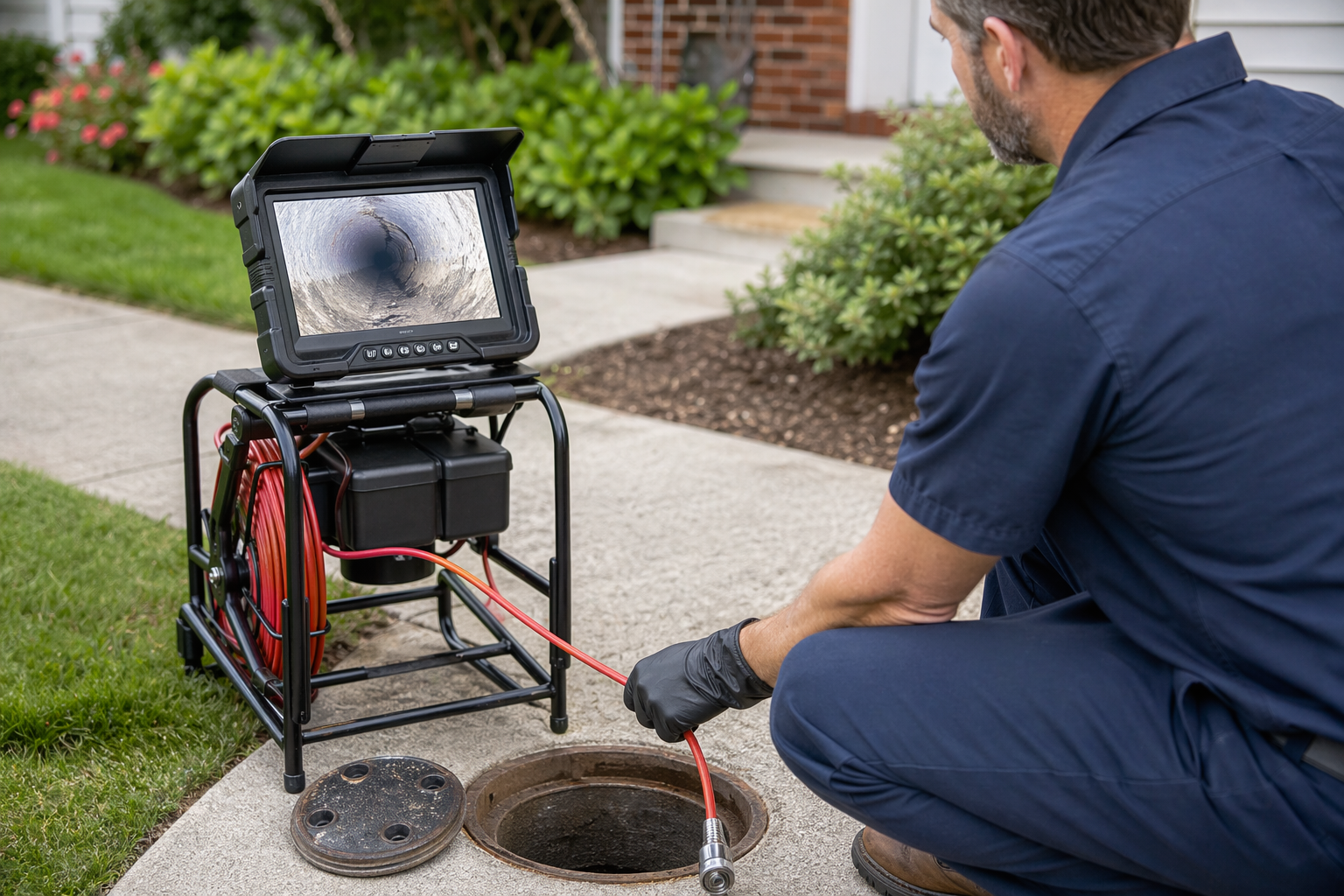 Next Service RouteSewer Camera InspectionIf no camera has been run yet, start here. Sewer camera inspection documents the pipe condition and path alignment that determine whether trenchless replacement is viable - the assessment that must happen before any method is committed to.
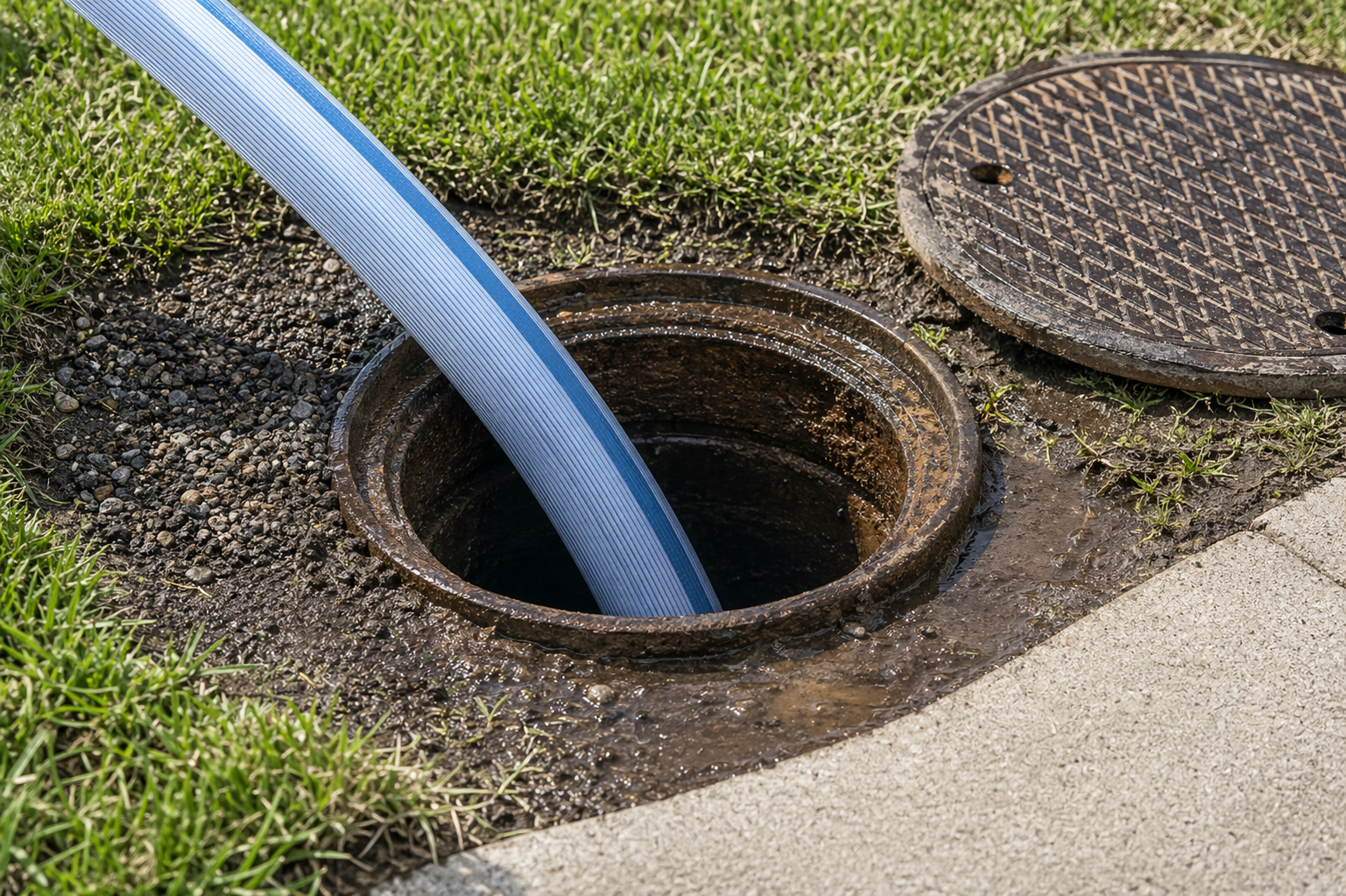 Next Service RoutePipe LiningIf the camera shows the pipe is damaged but still structurally intact, pipe lining may be sufficient - rehabilitating the existing pipe from the inside without replacing it. Lining is the trenchless repair method. Replacement is only necessary when lining is not enough.
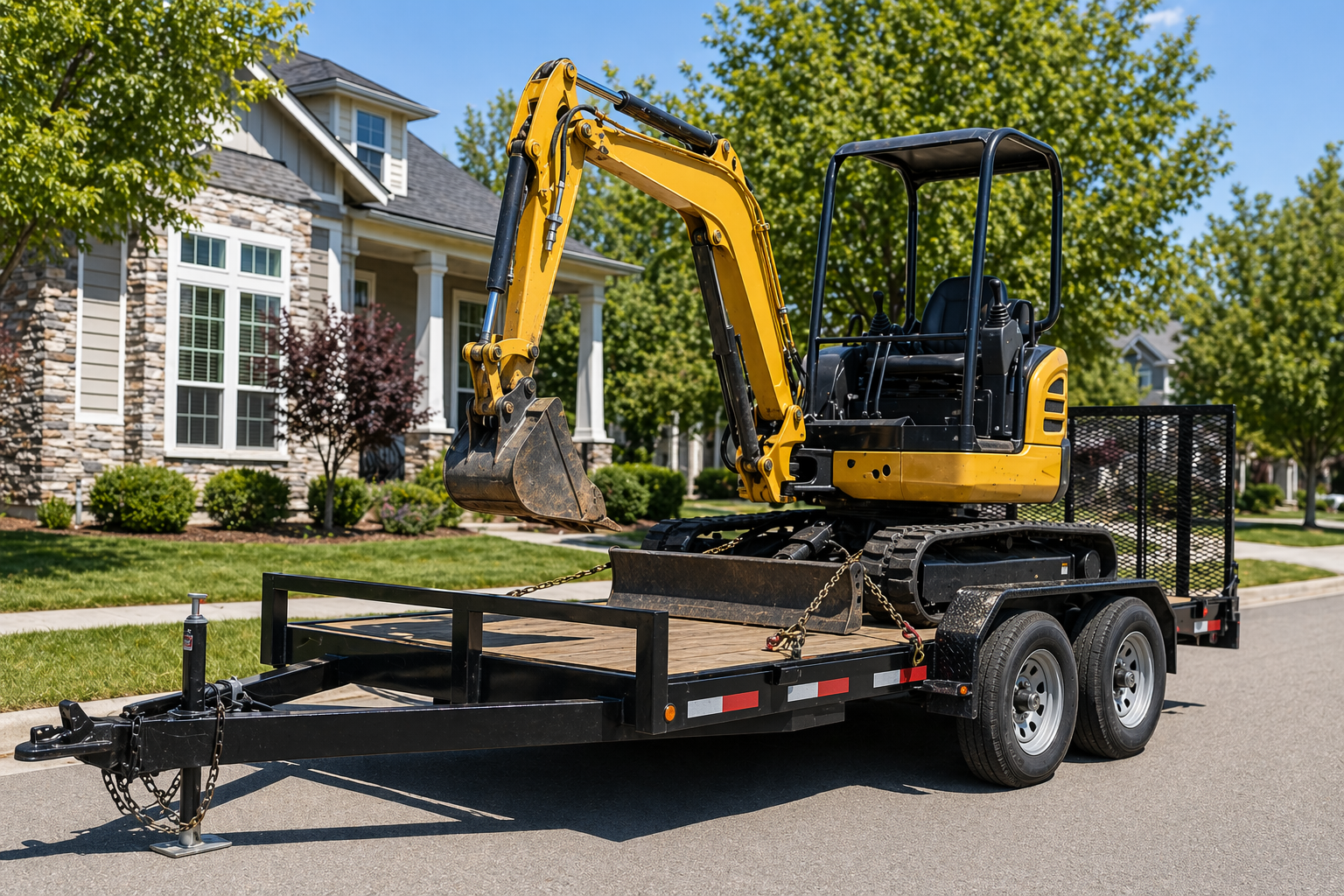 Next Service RouteSewer ExcavationSewer excavation for sewer lines that do not qualify for trenchless replacement - paths with sharp bends, full obstructions, or conditions that prevent the bursting head from completing the pull. Mountain West handles conventional excavation and replacement under the same license.
Scope and timing
Cost
Support
These are the quick answers most people want before they call, book, or decide on the next step.
Trenchless sewer replacement is a method of replacing a failed sewer line without digging a trench above the pipe. The primary technique is pipe bursting - a bursting head is pulled through the old pipe, fracturing it outward into the surrounding soil, while new HDPE pipe follows into the cleared path. The only excavation required is two access pits at each end of the run. The surface between the pits stays untouched.
Trenchless repair pipe lining rehabilitates the existing pipe from the inside - the old pipe stays and a liner becomes the new surface. Trenchless sewer replacement removes the old pipe entirely and installs a new one. Repair works when the pipe is damaged but structurally intact. Replacement works when the pipe has failed beyond what lining can rehabilitate. Both avoid a full open trench, but replacement installs completely new pipe while repair coats the inside of the old one.
Cost depends on the linear footage being replaced, the pipe diameter, the depth at the access pits, and the connection work at each end. Trenchless sewer replacement typically costs more per foot than conventional spot repair but eliminates full-trench excavation and surface restoration - making it the less expensive total option on lines under driveways, patios, or landscaping. Mountain West provides a trenchless sewer replacement quote after the camera inspection confirms bursting viability.
Most residential trenchless sewer line replacement jobs are completed in one to two days. The first day typically covers the camera assessment, access pit excavation, equipment setup, and the bursting pull. If the run is long, the pits are deep, or the connections at each end are complex, the work may extend to a second day. The bursting pull itself - the actual pipe fracturing and new pipe installation - often completes in hours. Pit preparation, connections, and backfill account for the remaining time.
Related Reading
These follow-up reads stay close to this service and answer the pricing, warning-sign, process, and comparison questions that usually come next.
Cost Question
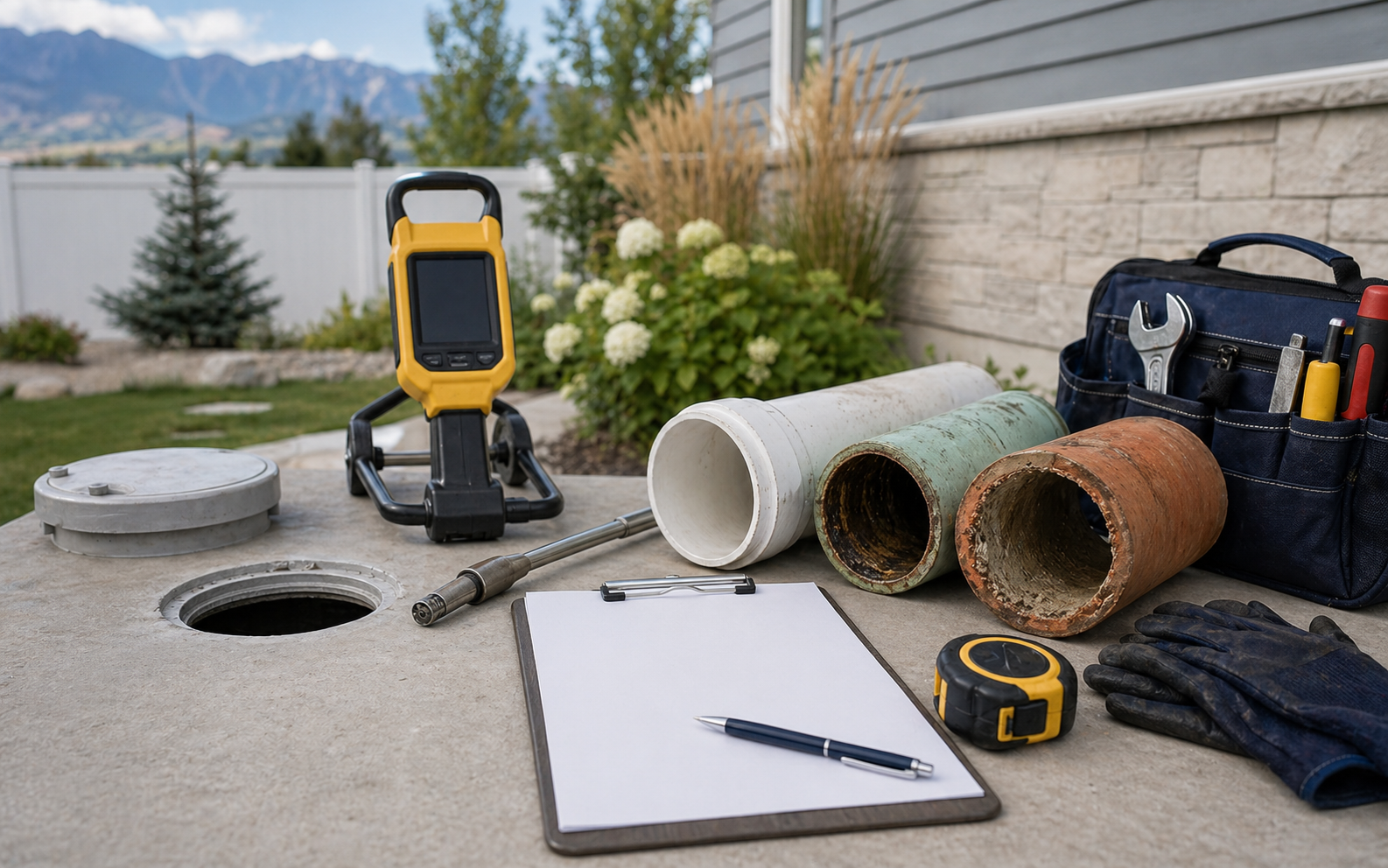
Covers the cost variables across sewer repair and replacement methods - including how trenchless replacement compares to conventional excavation when surface restoration is factored into the total.
Compare Options
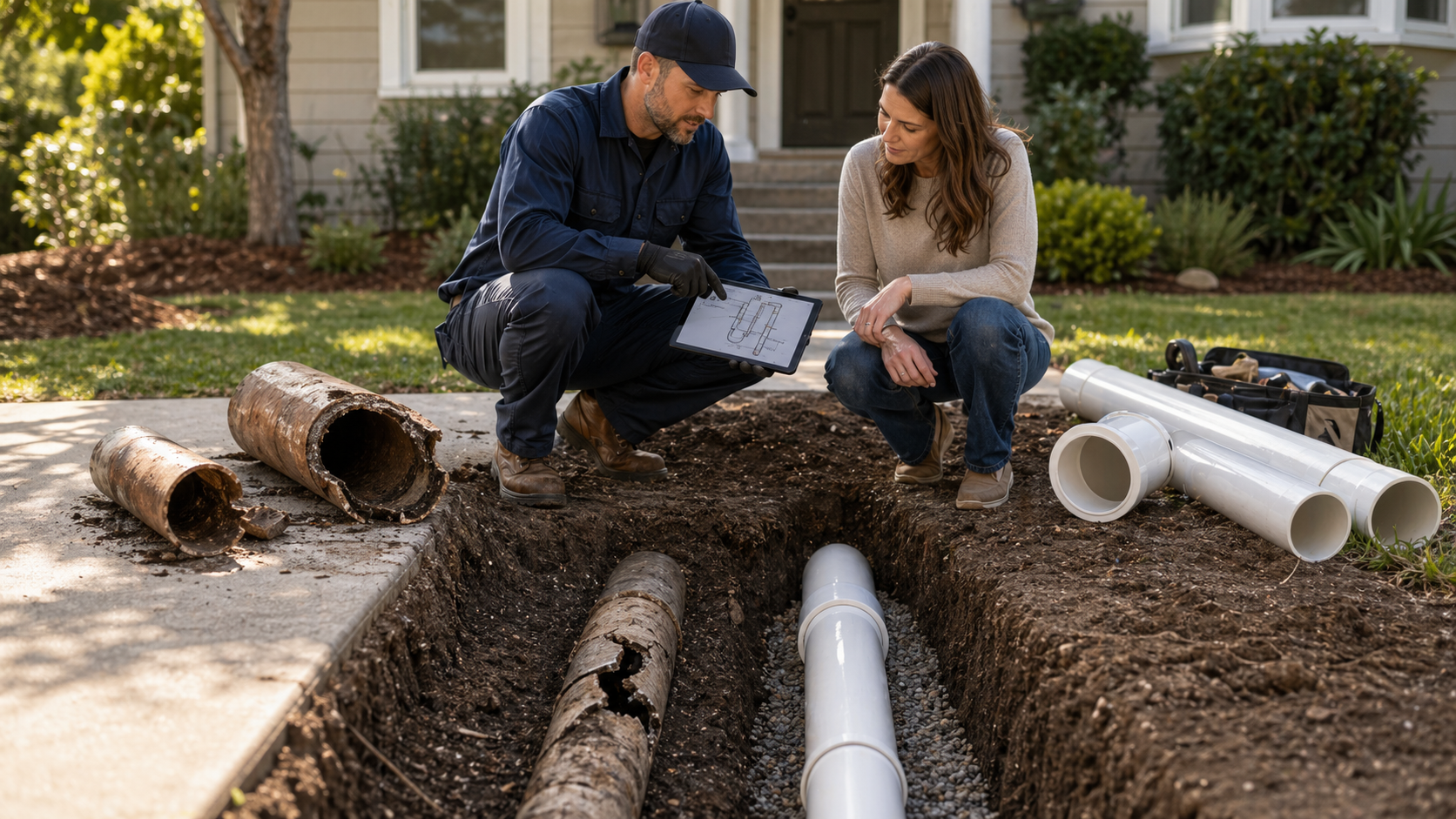
Breaks down the tradeoffs between trenchless and conventional - when each approach fits and what drives the decision between replacing through the path versus opening a trench.
Service Explainer
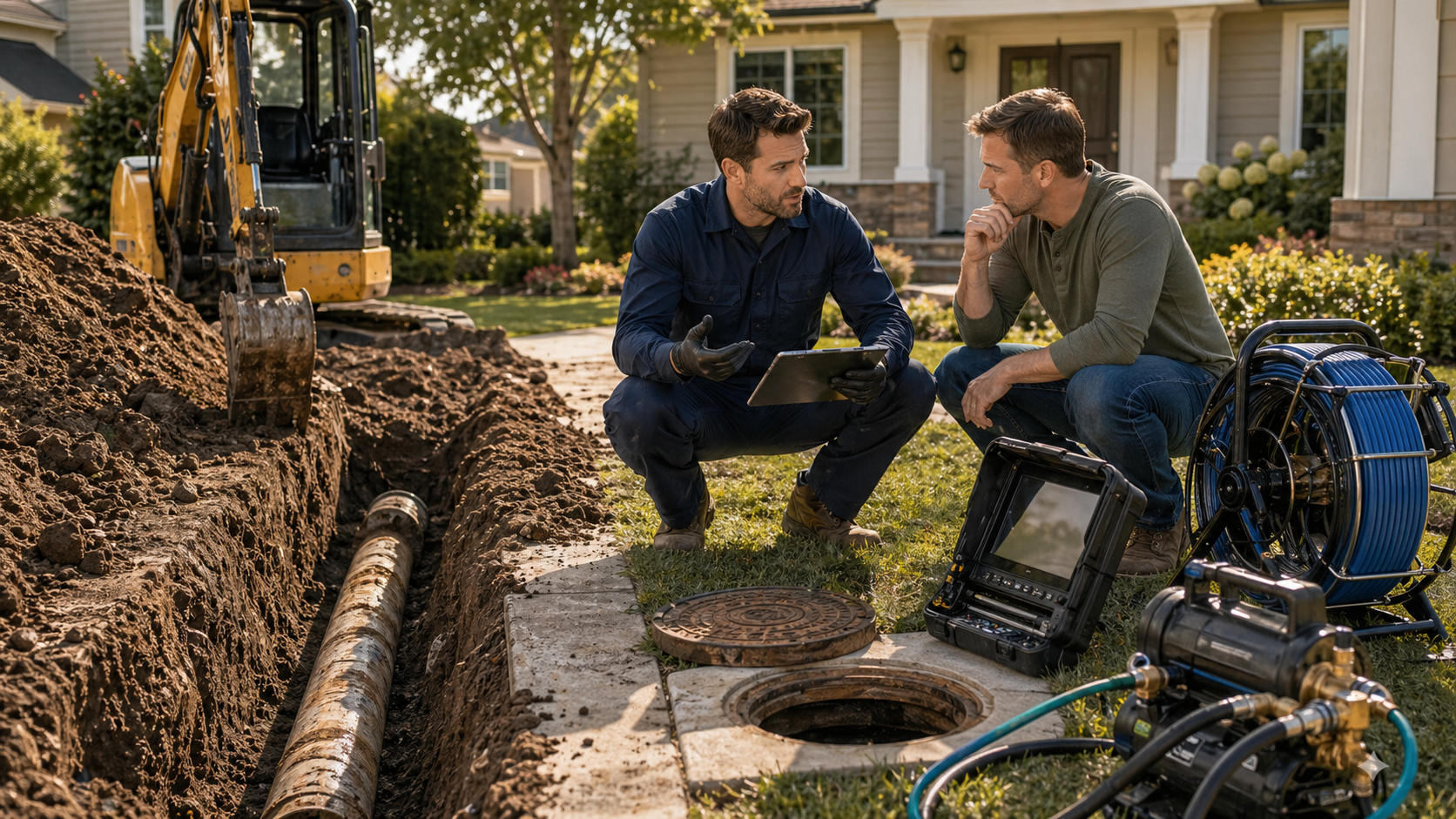
Explains the conditions that move a replacement from trenchless to conventional excavation - what the camera has to show before a full trench becomes the only way to get new pipe in the ground.